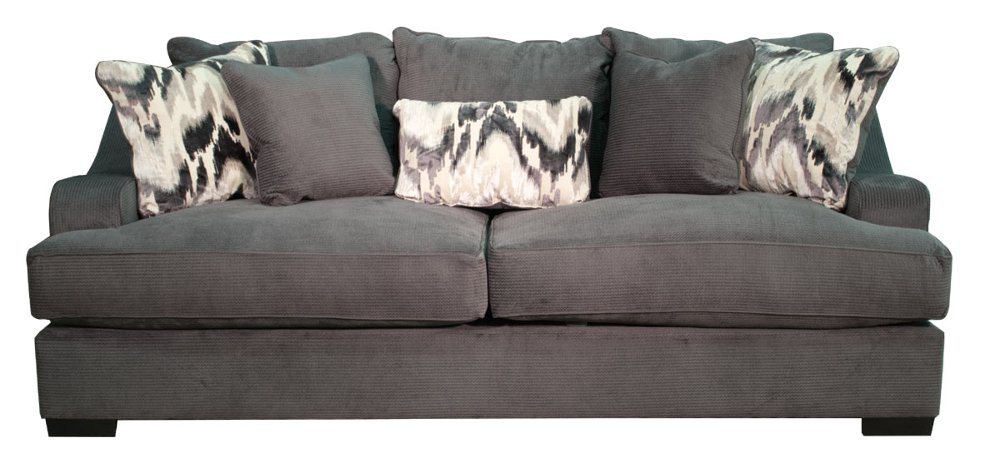
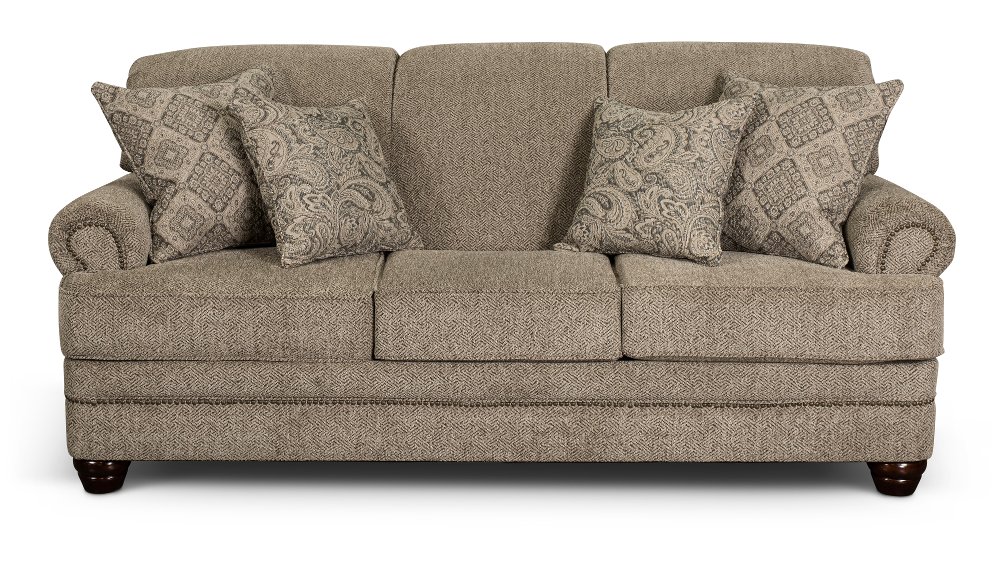
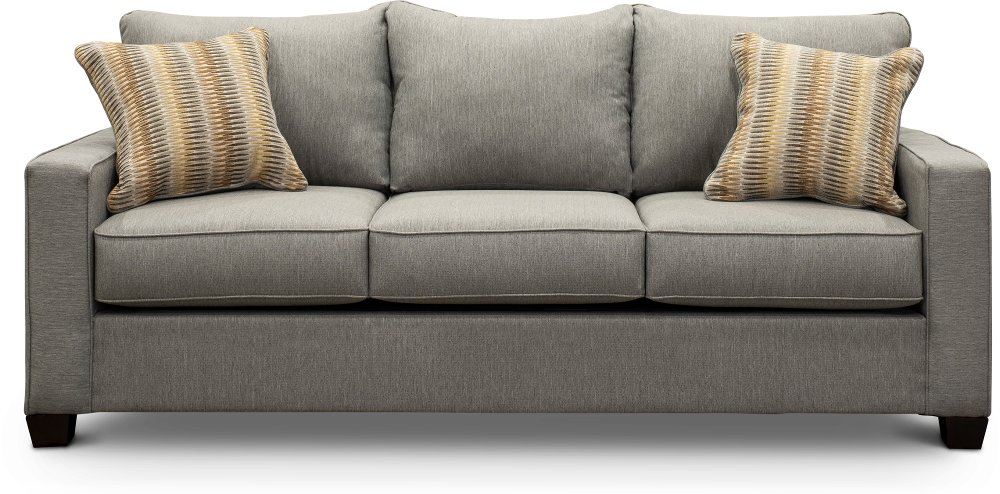
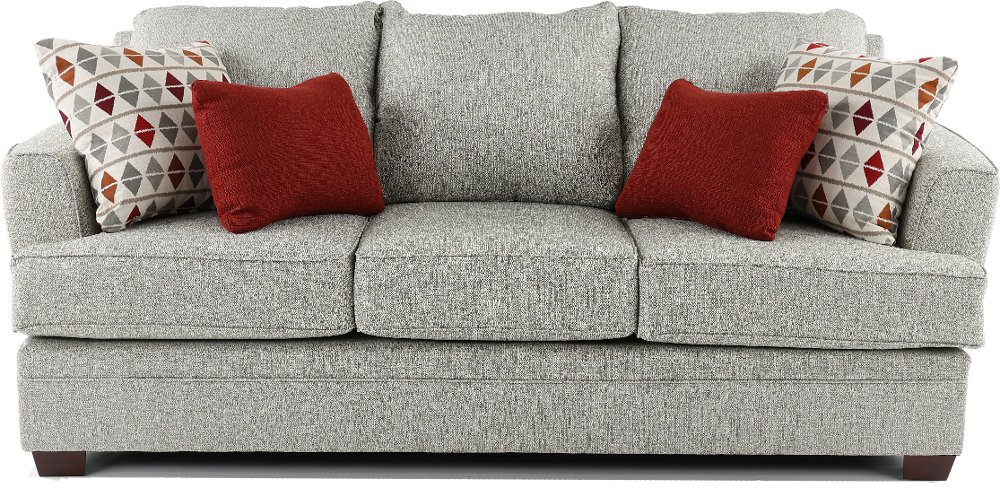
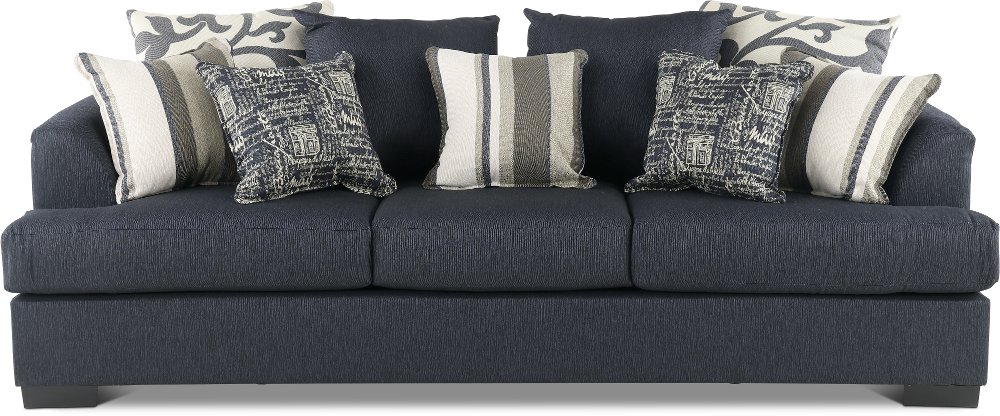
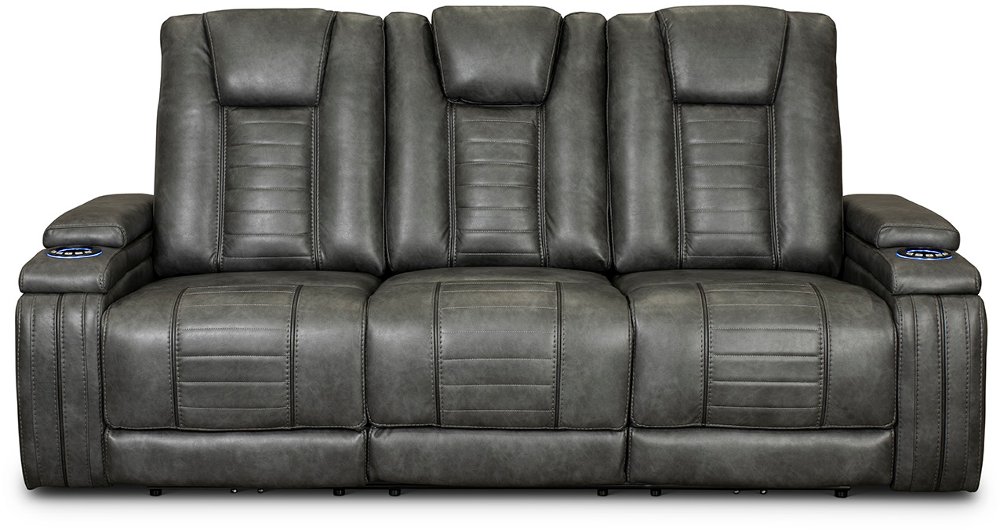
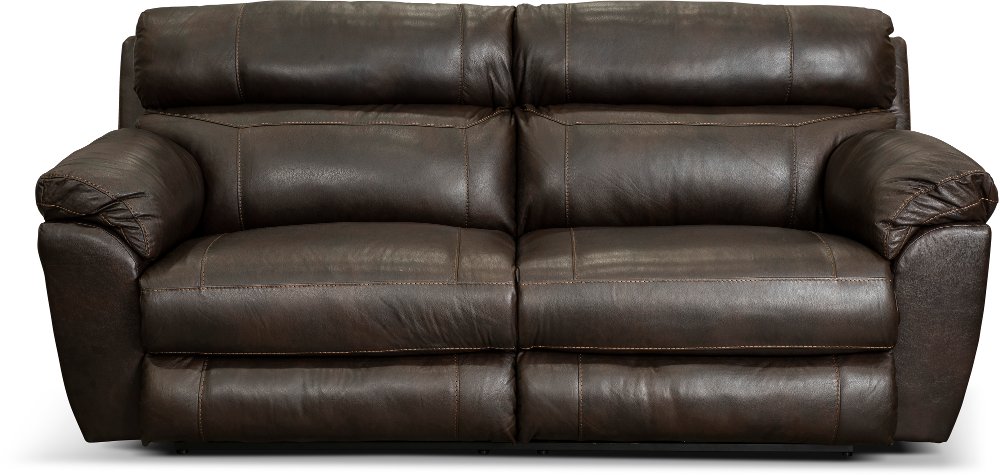
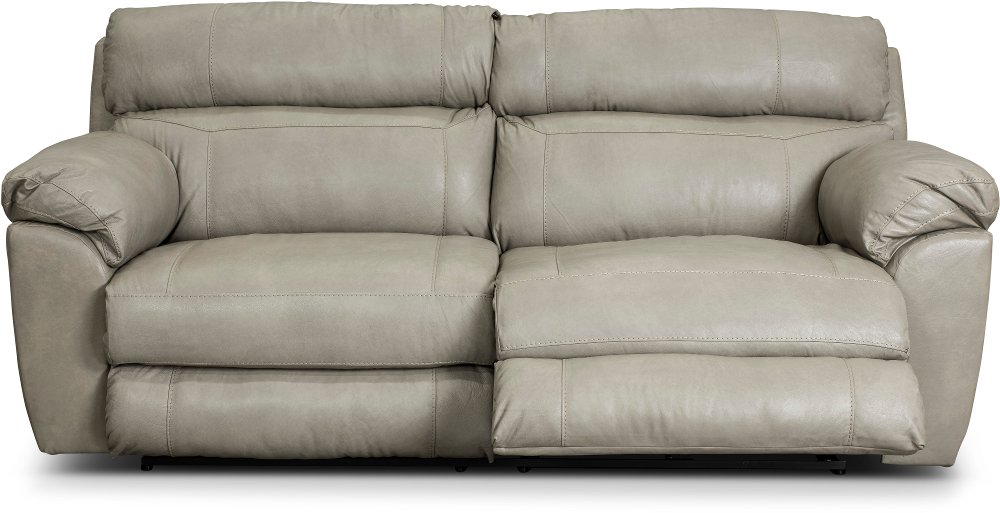
Large sofas give everyday life a little more room, whether that means stretching out after work, sharing a blanket during a movie, or making space for friends who settle in for a long conversation. Their generous proportions can make a living room feel inviting without requiring a collection of separate chairs. In a busy family room, a wide sofa often becomes the place for weekend cartoons, reading breaks, and catching up at the end of the day. In a more formal living area, it can anchor the seating arrangement and create a comfortable spot for entertaining. The right shape depends as much on how you sit as on the look you love. Deep seats leave room to curl up with your feet tucked beneath you, while shallower seats offer a more upright position for conversation. A higher back can provide welcome support through the shoulders; a lower profile keeps sightlines open in a room with tall windows or adjoining spaces. Seat height matters, too, especially for someone who prefers to stand up without pushing out of a low cushion. Wide arms offer a substantial, relaxed look, while slimmer arms leave more of the sofa’s overall width devoted to seating. Cushion layout also influences how the space feels. Individual seat cushions create distinct places to sit, while a bench-style cushion gives the seat a more continuous surface. A long sofa with a tailored silhouette can look at home beside a pair of accent chairs, and a plush, generously padded design can bring a softer feel to a casual den. Neutral upholstery makes it easy to change pillows and throws as your tastes evolve, while a richer color can turn the sofa into the room’s focal point. During the cooler months, that extra seating feels especially useful when everyone gravitates toward the same cozy room. Comfort comes from matching those details to your household, not simply choosing the largest dimensions.
The scale of a large sofa deserves a close look because exterior measurements don’t tell the whole story. Two sofas with similar widths may offer noticeably different sitting space once you account for thick arms, angled backs, and cushion depth. For someone who likes an afternoon nap, the usable distance between the arms may matter more than the full width. For a household that gathers to watch games, enough comfortable seating positions may be the priority. A spacious room can handle a substantial silhouette, but a large sofa can also work in a smaller living area when its proportions leave clear walking paths. Raised legs and a trim frame can give generous seating a lighter visual presence, while a skirted base or low, solid profile creates a more grounded look. Painter’s tape on the floor helps make the footprint tangible: the sofa should leave room to move past the coffee table, open nearby doors, and reach an adjoining hallway without squeezing sideways. If reclining seating suits the room, the layout needs to accommodate the extended footrests and any required clearance behind the back. Delivery access deserves the same attention as the final placement. Door openings, stair landings, elevator dimensions, and tight turns can affect whether a sofa reaches its intended room, even when it fits comfortably once inside. Removable legs or backs may help with some designs, but those details should be confirmed rather than assumed. Within the room, a large sofa can define the living area in an open floor plan, particularly when its back faces a dining space or entry. A finished, upholstered back matters in that arrangement. Pairing the sofa with a suitably scaled rug and tables keeps the setting balanced, while leaving practical spots for a reading lamp, a drink, and the remote. The result should feel spacious enough to relax in and easy enough to move through on an ordinary busy evening.
Upholstery and construction shape how a large sofa feels on day one and how it handles years of use. Woven fabrics range from smooth, tightly textured surfaces to softer, more dimensional finishes, each bringing a different character to the room. A close weave may be a practical consideration around pets, although no upholstery is immune to claws or determined scratching. Performance fabrics can offer added resistance to certain spills and stains, but the specific fabric’s care instructions still matter. For a supple surface with natural variation, oversized leather sofas bring another texture to generous seating arrangements. Leather’s appearance and maintenance needs depend on its type and finish; some develop a visible patina, while more protective finishes can make everyday wiping easier. Neither leather nor fabric is automatically the better choice for every home. A sunny sitting room, a dog’s favorite cushion, or frequent snacks on the sofa can make one material more suitable than another. Beneath the upholstery, a well-constructed frame, secure joints, and supportive suspension help a sofa hold up to regular use. Cushion fill affects both comfort and upkeep: foam can offer a more structured feel, while fiber or feather blends may feel softer and need more frequent fluffing. Removable cushions can make it easier to clean beneath the seats, but removable covers aren’t necessarily machine washable. Following the upholstery care label helps protect the material from unsuitable cleaners, excess moisture, and discoloration. Routine vacuuming with an appropriate attachment keeps crumbs and grit from settling into seams, and prompt blotting gives spills less time to soak in. Rotating or reversing cushions, when the design allows it, can help distribute wear across favorite sitting spots. Direct sunlight and nearby heat sources may also affect upholstery over time. With proportions that suit your space, support that suits your body, and care requirements that fit your routine, a large sofa can become a comfortable backdrop for everything from quiet mornings to a full house.
Read More