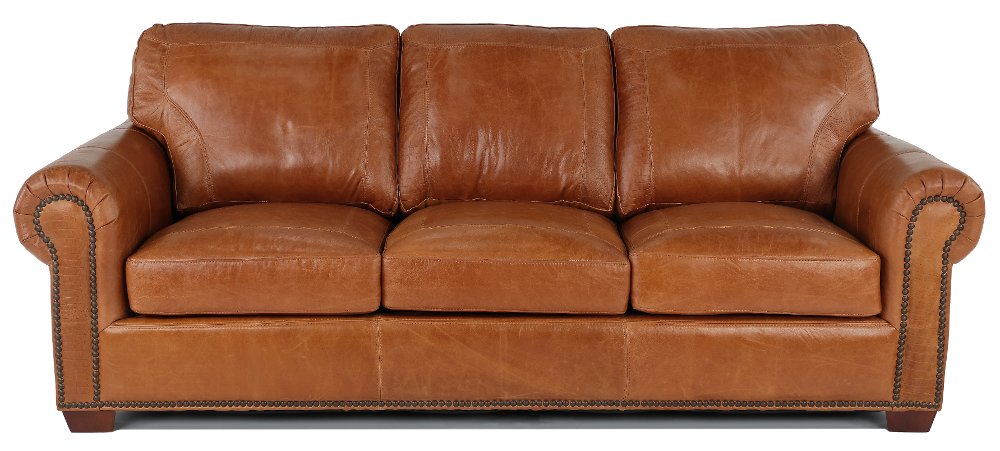
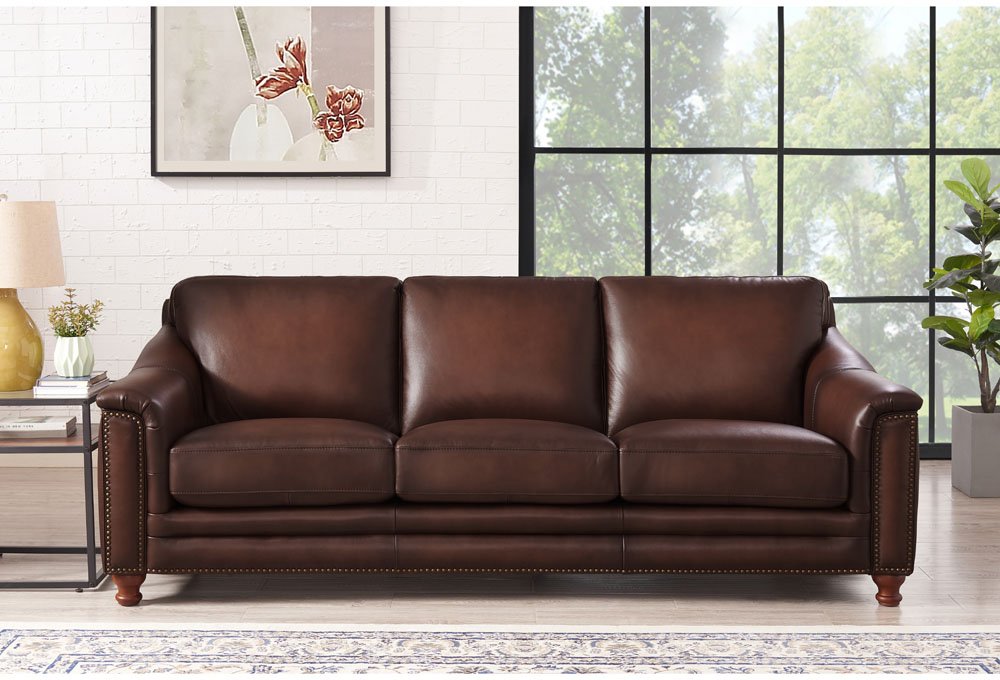
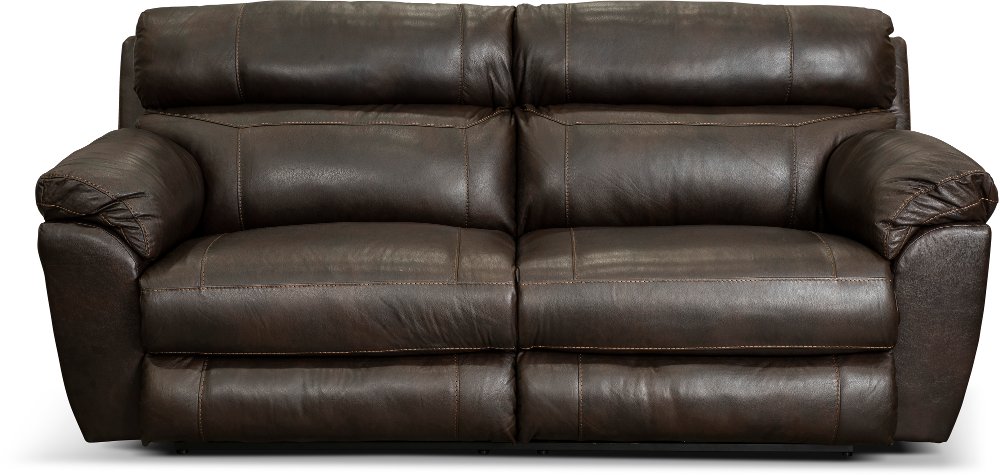
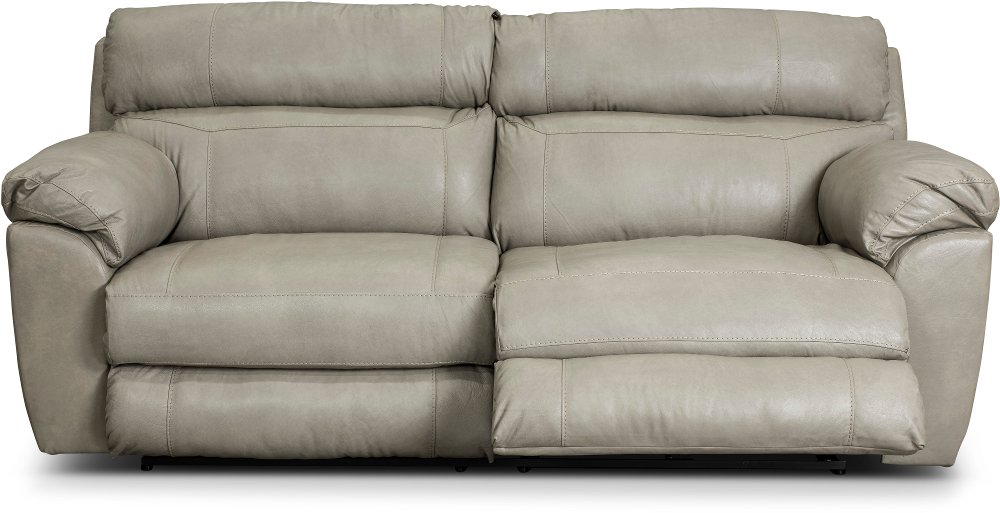
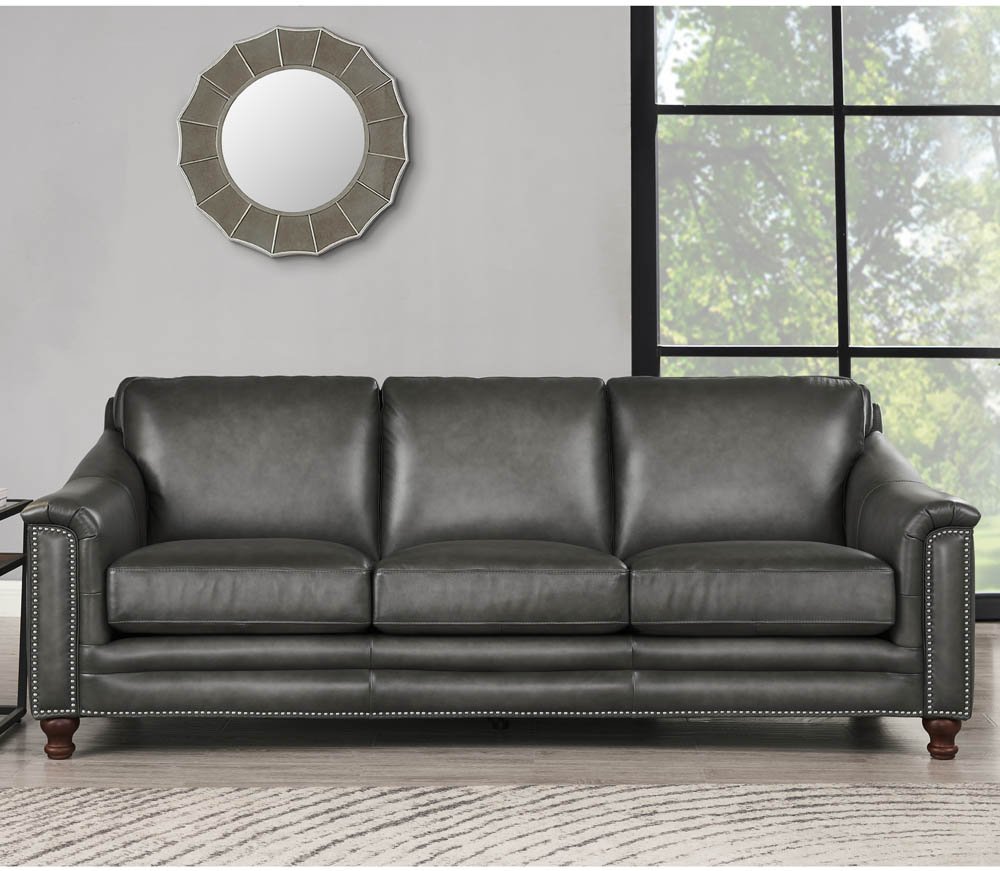
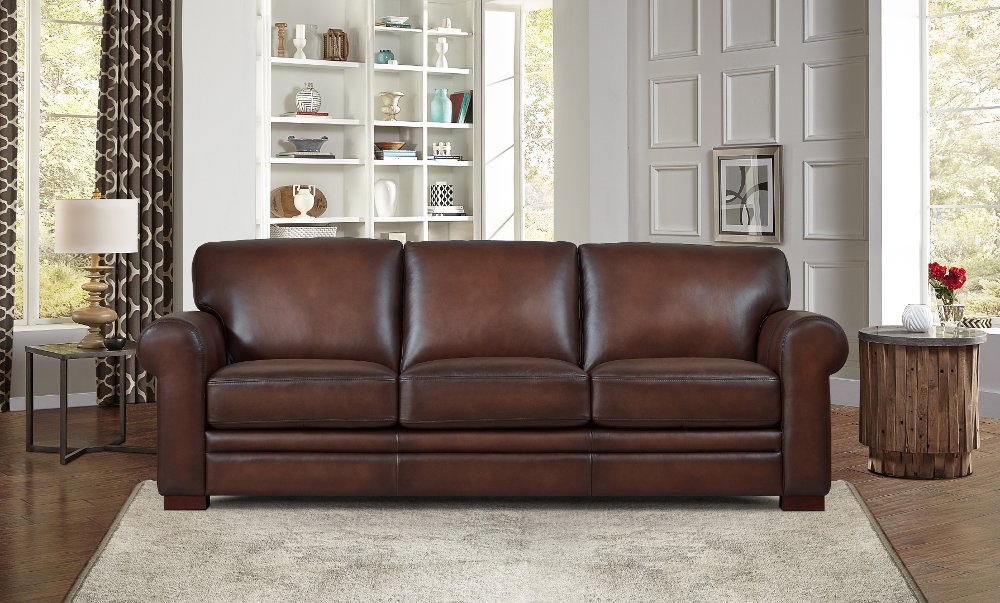
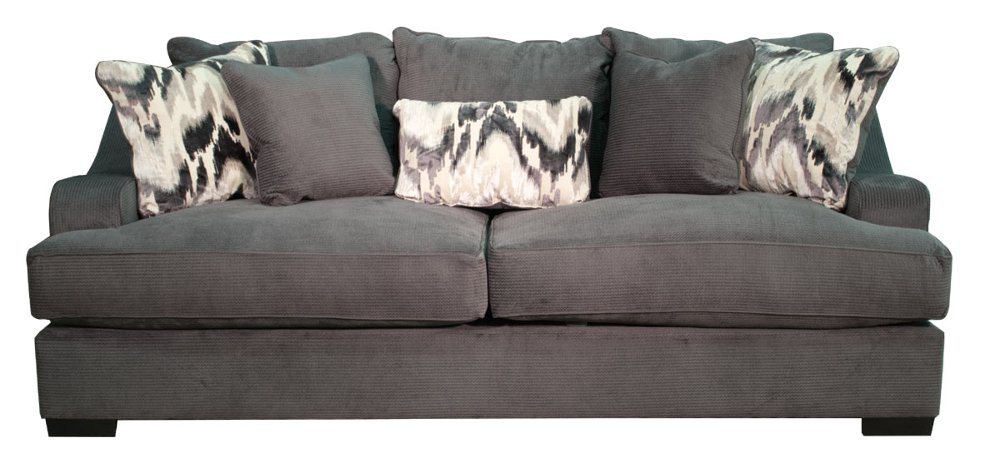
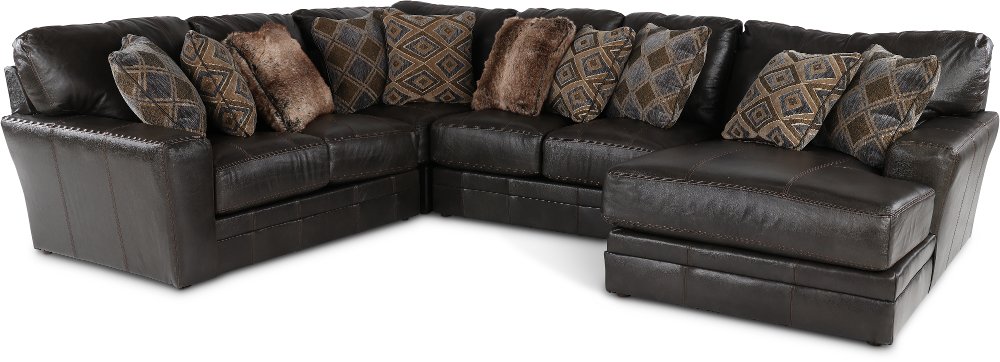
Oversized leather sofas bring generous seating and a substantial presence to living rooms, family rooms, and open gathering spaces. Many measure about 90 inches wide or more, although there’s no universal size standard, and some shorter designs feel oversized because of their deep seats, broad arms, or tall backs. Overall depth and usable seat depth are different measurements: overall depth includes the back and frame, while seat depth measures the space from the front of the seat to the back cushion. That distinction matters when choosing between a sofa that supports upright conversation and one that invites you to tuck your legs underneath a blanket. A usable seat depth around 20 to 23 inches often suits more upright sitting, while deeper seats can offer extra lounging room, depending on your height and the cushion design. Taller adults may appreciate the added support beneath their thighs, while shorter adults may prefer a shallower seat or a supportive back pillow. Seat height also affects how comfortably your feet reach the floor and how easily you can stand up. For households that gather for movies, read together, or spread out during the cooler months, an oversized leather couch can give everyday routines a little more breathing room. Still, overall width doesn’t tell the whole comfort story. Wide, rolled arms take up space that slimmer arms leave for seating, and thick back cushions can reduce the usable depth. Compare the width between the arms, the cushion layout, and any stated weight limits rather than assuming every large sofa accommodates the same number of people. A long, straight sofa can anchor a room without the extended footprint of a sectional, while a chaise-style configuration creates a dedicated place to stretch out. The best fit balances that relaxed feeling with the way your household actually sits, whether that means three people watching a game or one person settling in with a book and a dog nearby.
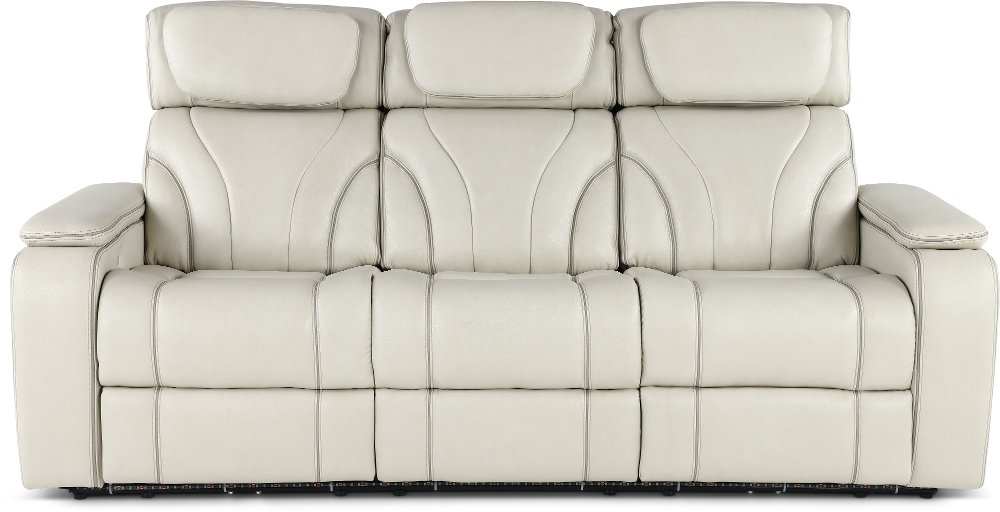
Leather type, upholstery coverage, and internal construction all shape how an oversized sofa feels and wears. Full-grain leather retains the hide’s natural grain, including variations that give each upholstered surface its own character. Top-grain leather comes from the upper portion of the hide and may be sanded or otherwise finished for a more uniform appearance. Both can perform well, but the finish, hide quality, and maintenance requirements matter as much as the label. Aniline leather typically shows more natural markings and can develop a distinctive patina, though it’s more vulnerable to spills and staining. Semi-aniline leather generally adds light protection while preserving much of that natural appearance. Pigmented or protected leather usually has a more substantial surface finish that can make everyday cleanup easier. In a busy family room, that protection may be more practical than a delicate, minimally finished surface. Leather-match upholstery uses genuine leather on designated areas and matching synthetic material elsewhere, so check the upholstery description to understand exactly which surfaces are leather. Bonded leather and faux leather differ from full-grain and top-grain leather in composition, feel, and aging; they shouldn’t be treated as interchangeable materials. Beneath the upholstery, a well-built frame, securely reinforced joints, and an appropriate suspension system help support a sofa’s larger span. Kiln-dried hardwood and well-designed furniture-grade engineered wood can both contribute to sturdy construction. Sinuous springs and eight-way hand-tied springs are different suspension systems, and either depends on sound materials and assembly to perform well. Cushion construction deserves equal attention: resilient foam can provide a more supportive sit, while fiber or feather wraps add softness and may need regular fluffing. Color changes the impression, too. Warm brown and cognac tones highlight leather’s character alongside wood furnishings, while black or charcoal creates a stronger visual anchor. For an airy palette, large white leather sofas pair naturally with pale rugs, textured throws, and warm wood accents, though lighter upholstery can show stains and dye transfer more readily.
A comfortable oversized leather sofa should leave the rest of the room comfortable to use. Before choosing a size, mark the proposed footprint with painter’s tape, then walk through the space as if the sofa were already there. Check the path from the doorway to nearby chairs, the clearance around side tables, and whether cabinet doors can still open. About 30 to 36 inches is a useful starting point for a main walking route, with more space needed for some households and accessibility needs. Roughly 14 to 18 inches between a sofa and coffee table often keeps drinks within reach while leaving room for legs. A reclining design needs the manufacturer’s specified operating clearance, including space for an extended footrest, and powered seating needs access to a suitable outlet without creating a trip hazard. Measure the delivery route as carefully as the room itself, including doorway openings, tight hallway turns, stair landings, and elevator interiors. Removable legs or backs may help with access, but confirm those details rather than assuming a large frame will come apart. Once the sofa is in place, thoughtful positioning and simple care help preserve its appearance. Keep leather away from heating vents, fireplaces, and prolonged direct sunlight, which can contribute to drying or fading. Dust with a soft cloth and gently vacuum seams using an appropriate attachment. Blot spills promptly instead of rubbing them into the surface, and follow the upholstery manufacturer’s directions for cleaners and conditioners; not every leather finish needs the same treatment. Household solvents, abrasive products, and unapproved wipes can damage protective finishes. Leather can make loose pet hair easier to remove than some woven fabrics, but it isn’t scratchproof, so trimmed nails and a washable throw in a favorite resting spot can help. Dark denim may transfer color onto pale upholstery, especially when damp. Rotate or reposition cushions only when the design allows, and fluff loose cushions as recommended. These small habits help a generously sized sofa remain a welcoming place for quiet evenings, visiting friends, and the everyday sprawl of a well-used living room.
Read More