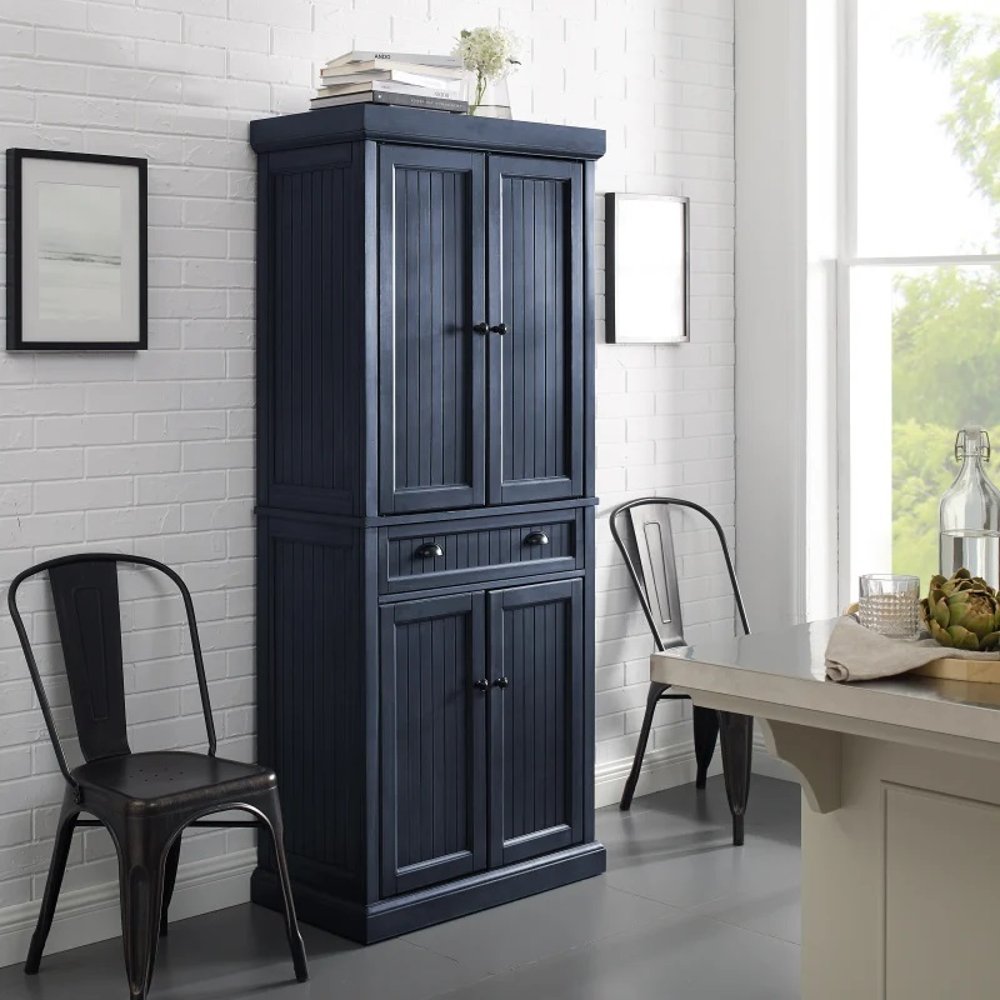
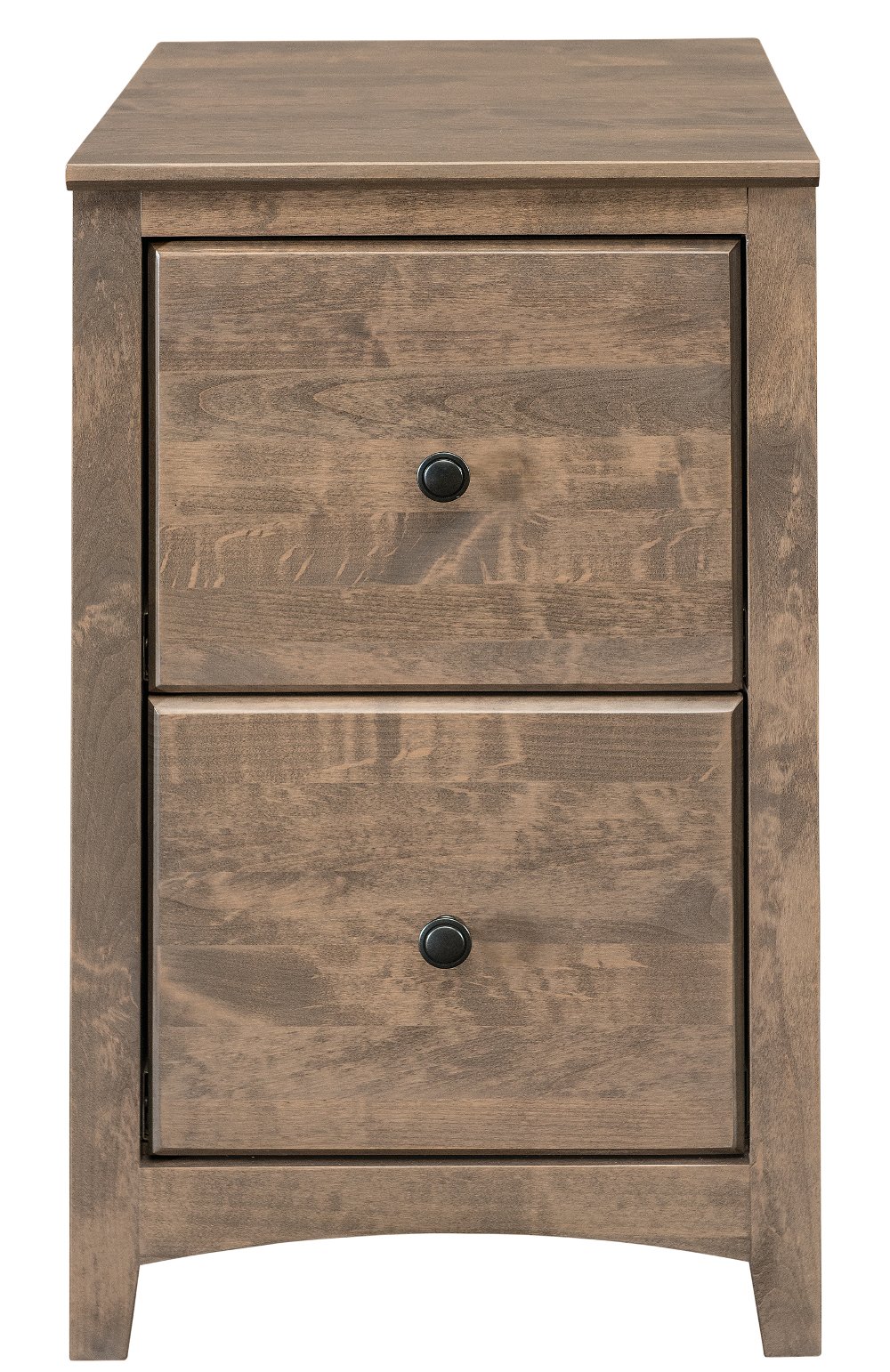
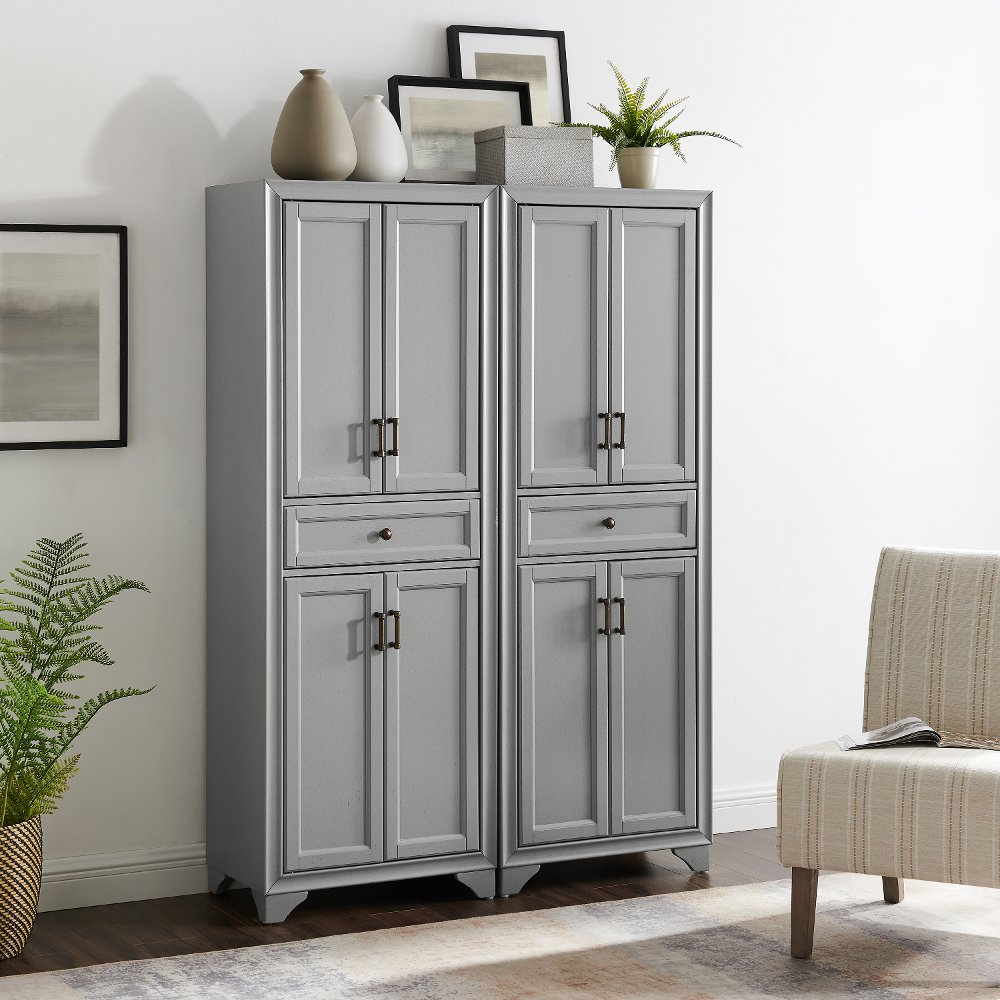
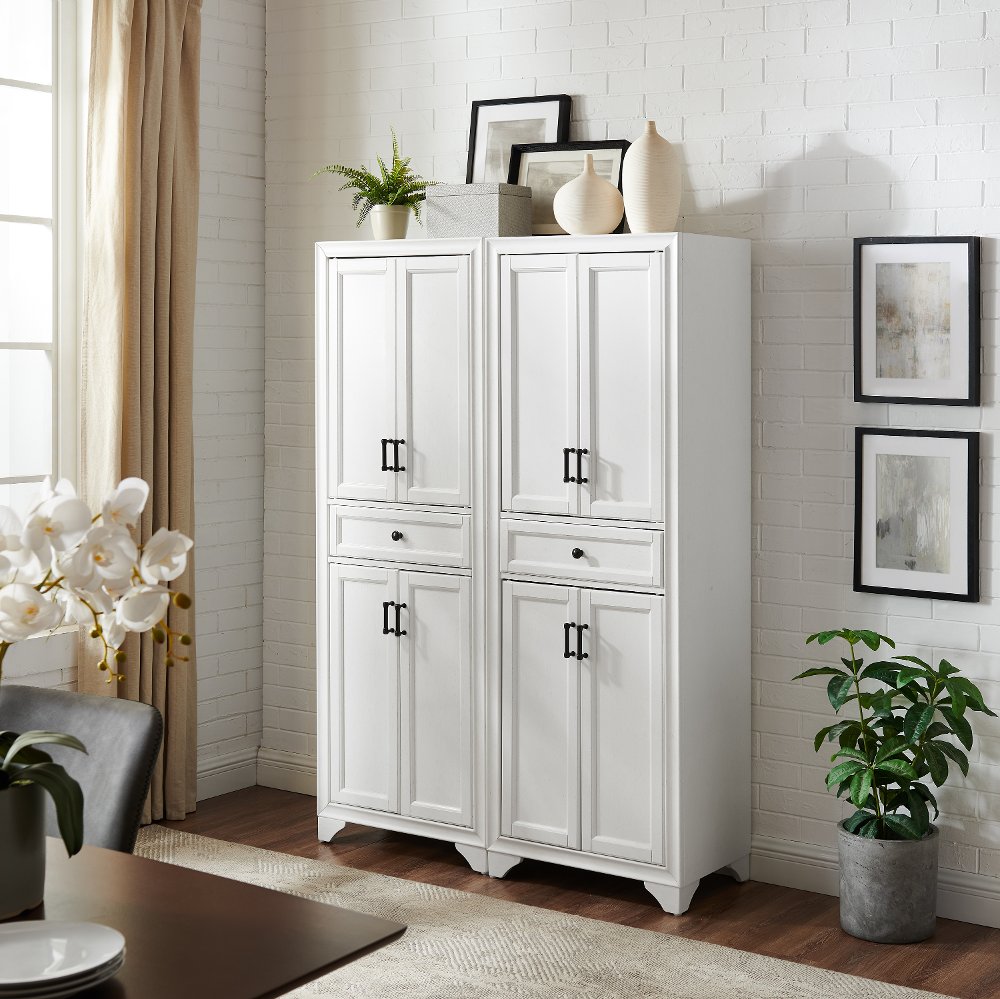
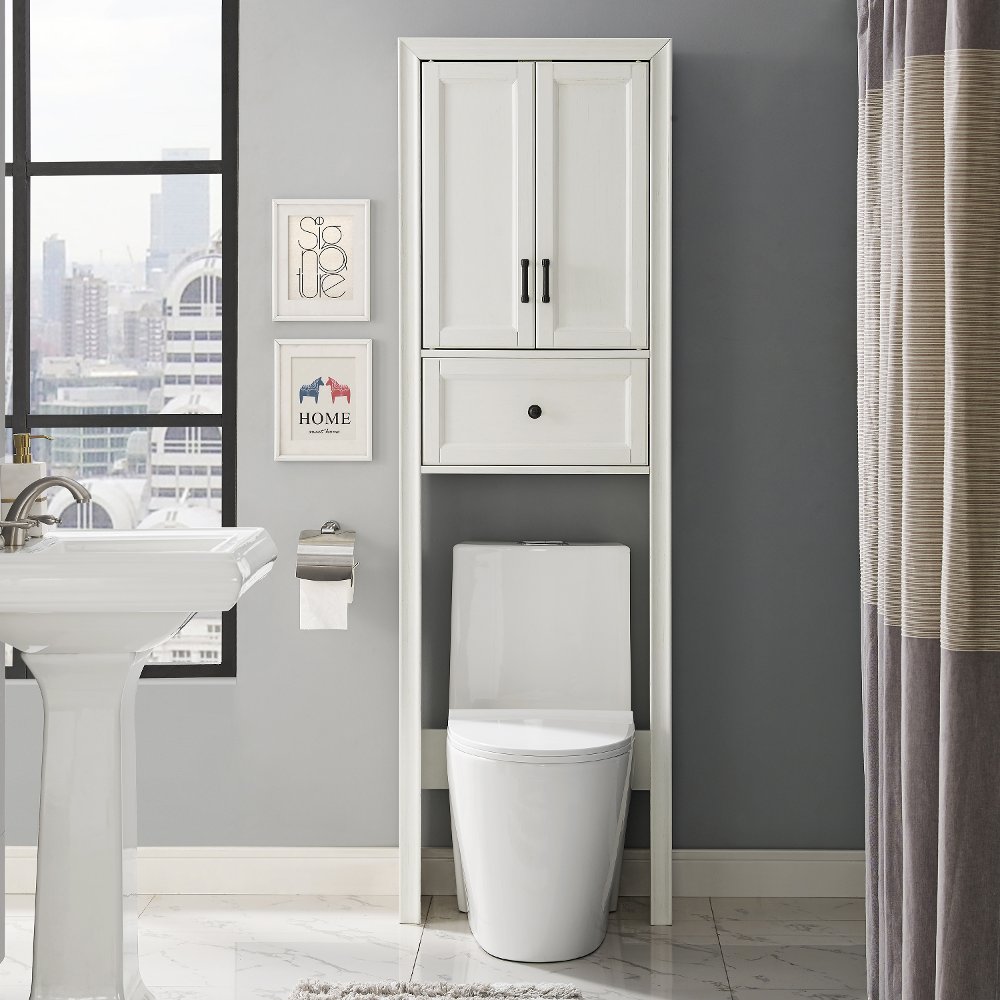
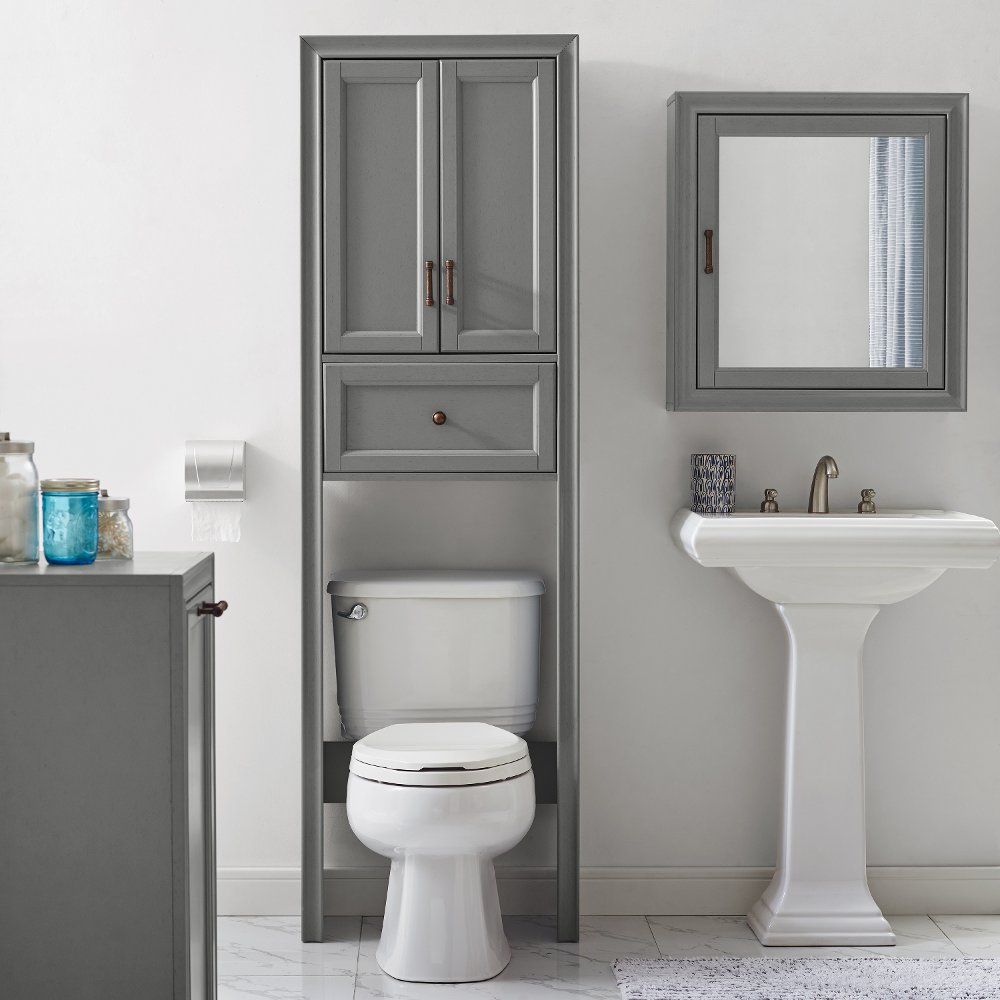
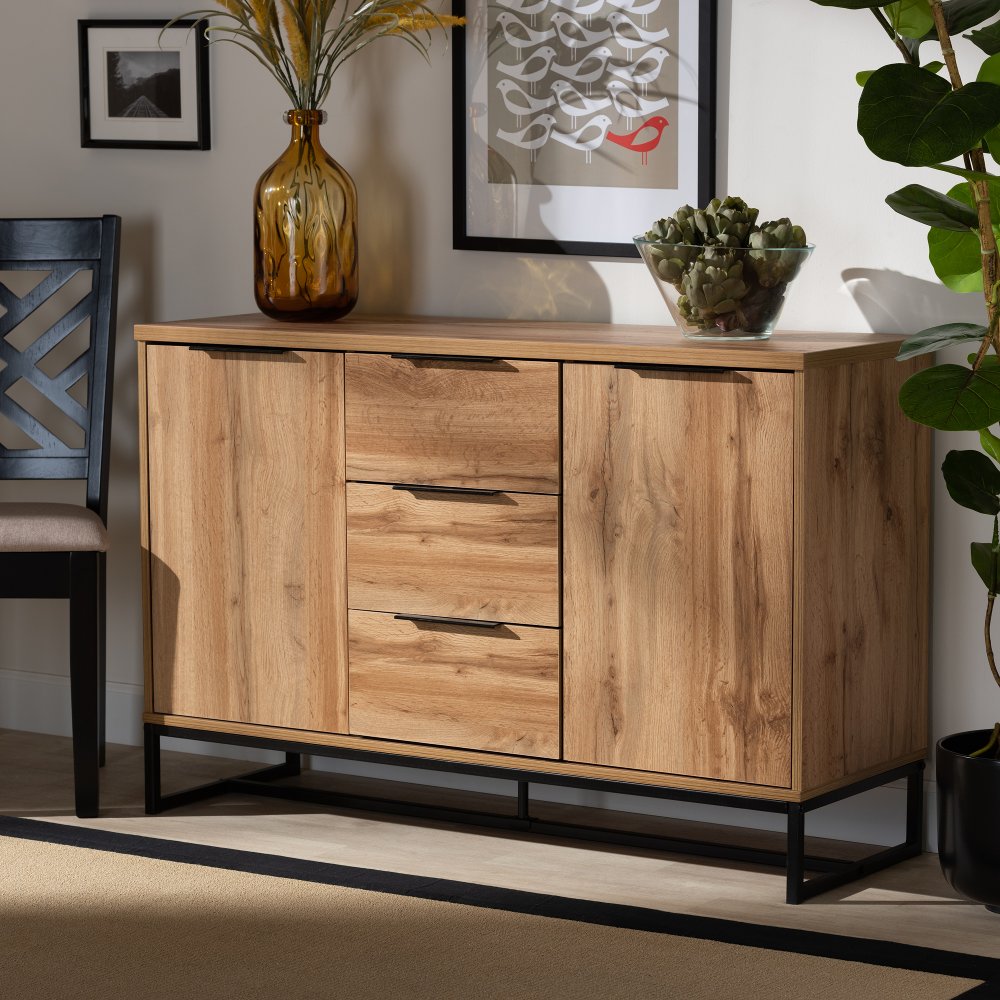
Large utility storage cabinets give everyday essentials a home behind closed doors, helping busy rooms feel less crowded without putting useful supplies out of reach. These tall or wide cabinets provide enclosed storage for everything from laundry supplies and spare paper towels to tools, craft materials, and office paperwork. Unlike a decorative accent cabinet, a utility cabinet puts practical capacity first, with shelf layouts and construction designed around what you need to store. The best fit depends on the contents, the room, and how often you’ll open the doors. A laundry room cabinet might hold detergent bottles on an easy-to-reach shelf, folded cleaning cloths above them, and a bucket below. In a hobby space, adjustable shelves can accommodate sewing supplies, stacked project boxes, and taller equipment without wasting the space between shelves. For a garage or workshop, sturdy shelving and a durable cabinet body matter more than decorative trim, especially when the contents include hardware or heavier equipment. In a pantry or home office, a furniture-style finish can help hardworking storage blend into the rest of the room. Large enclosed storage cabinets are especially useful in homes with limited built-in closets, shared workspaces where several people need access to supplies, and multipurpose rooms that need to look tidy at the end of the day. Doors conceal visual clutter and help reduce dust settling on stored belongings, though an ordinary cabinet isn’t necessarily dustproof or airtight. Inside, a few bins can keep small essentials together so a deep shelf doesn’t become a jumble of loose parts. Clear containers make craft supplies easier to recognize, while labeled baskets give each household member a familiar place to return shared belongings. Tall utility cabinets make use of vertical space, while wider designs spread supplies across fewer levels. Both can bring order to an awkward collection of necessities, provided the cabinet’s interior matches the size and weight of the things going inside.
Materials make a meaningful difference in how large utility storage cabinets look, feel, and hold up to regular use. Steel cabinets are often suited to garages, workshops, and other hardworking spaces because their rigid construction can handle frequent use, but metal alone doesn’t establish a cabinet’s weight capacity. Shelf reinforcement, supports, joints, and the manufacturer’s load ratings all matter. A protective coating helps shield steel surfaces from wear and corrosion; scratches that expose bare metal deserve attention according to the care instructions. Resin and plastic utility cabinets resist rust and can be practical where occasional splashes or dampness are concerns. Their strength varies by construction, however, and a lightweight cabinet shouldn’t be treated as heavy-duty storage without a suitable rating. Resin construction also doesn’t automatically mean a cabinet is approved for outdoor use. Wood and wood-composite cabinets offer a more furniture-like appearance for laundry rooms, offices, craft rooms, and pantry areas. Laminated surfaces are often easy to wipe clean, while exposed edges and seams need protection from standing water. Solid wood, engineered wood, steel, and resin each have useful qualities; the right choice comes down to the setting and the work expected of the cabinet. For storage in a visible living area, finish and proportions can be just as important as material. Simple doors and understated hardware help a large cabinet sit comfortably alongside existing furniture rather than dominate the room. Large black storage cabinets offer another direction when you want enclosed storage with a dark, defined finish that coordinates with black shelving, desk frames, or nearby hardware. Whatever the finish, routine care is usually straightforward: remove loose dust, clean spills promptly, and follow the manufacturer’s directions for cleaning products. Abrasive pads can scratch coatings, and excess water can damage vulnerable seams. Hinges, handles, and shelf supports also benefit from an occasional check, particularly on doors that open many times a day. Small maintenance tasks help a hardworking cabinet stay dependable and pleasant to use.
Fit involves more than finding an empty stretch of wall. A large utility cabinet needs enough floor space for its footprint, room for its doors to open, and a clear path for carrying supplies in and out. Exterior dimensions describe the cabinet’s overall size, but usable interior dimensions determine whether a storage tote, countertop appliance, or tall cleaning tool will actually fit. Door frames, hinges, center dividers, and shelf supports can reduce that usable space. In a narrow laundry room, cabinet depth can affect how comfortably you pass with a full basket or open a nearby appliance. Near a doorway, the cabinet doors shouldn’t block the household’s usual walking path. Measuring baseboards, checking outlet locations, and considering the route through halls and doorways can prevent frustrating surprises during setup. Interior flexibility matters, too. Adjustable shelves let you create shorter compartments for folded linens and taller sections for bulk supplies, while a full-height compartment can accommodate a broom or mop when the cabinet is designed for that purpose. Check both individual shelf limits and the total cabinet capacity, since a high overall rating doesn’t mean every shelf can carry the same load. Distribute weight evenly and keep heavier belongings lower, with frequently used supplies at a comfortable reaching height. Follow the manufacturer’s anchoring instructions, especially for tall cabinets, and use hardware appropriate for the wall construction. Lockable doors can help control access, but a basic cabinet lock shouldn’t be assumed to make hazardous contents childproof. Cleaning chemicals belong in their original labeled containers, separated from food and stored according to their labels; flammable materials may require purpose-built storage rather than an ordinary utility cabinet. Assembly requirements are worth checking before choosing a location, along with any leveling provisions for an uneven floor. With the right dimensions, sound construction, and a sensible interior layout, a large storage cabinet can make everyday routines easier: the refill is easy to find, the project supplies stay together, and the room has space to serve its purpose.
Read More