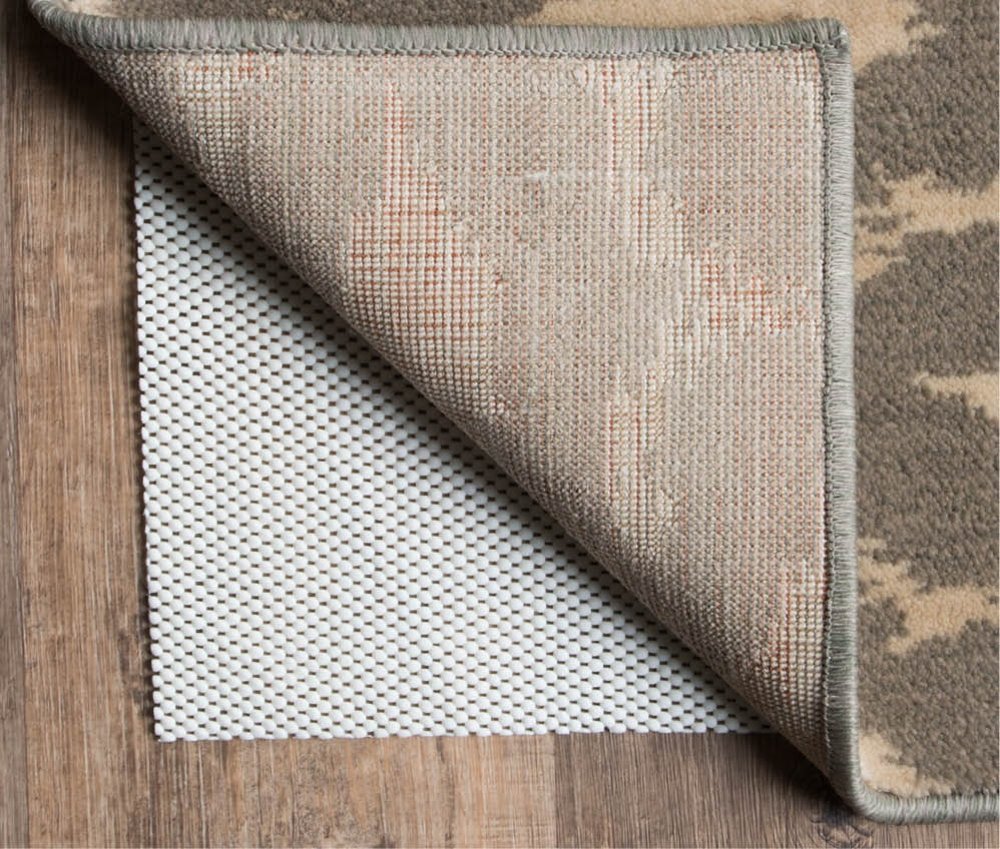
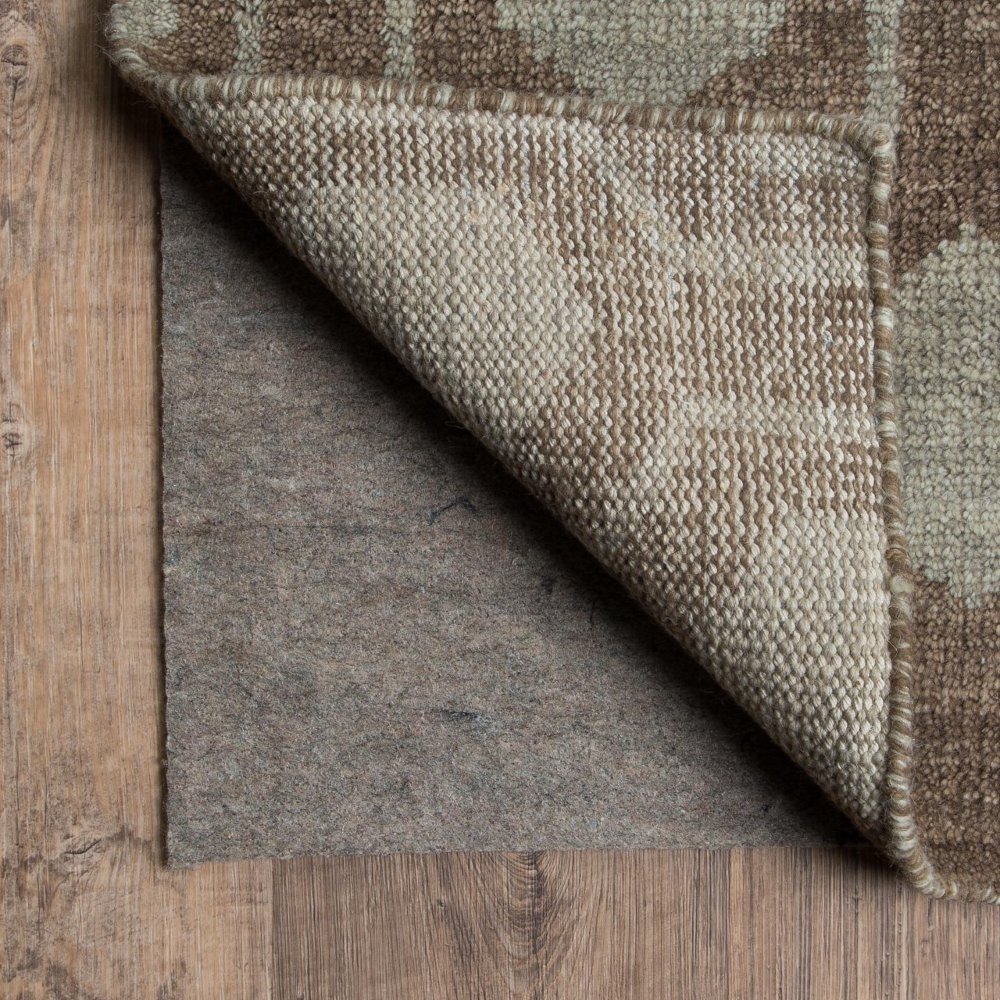
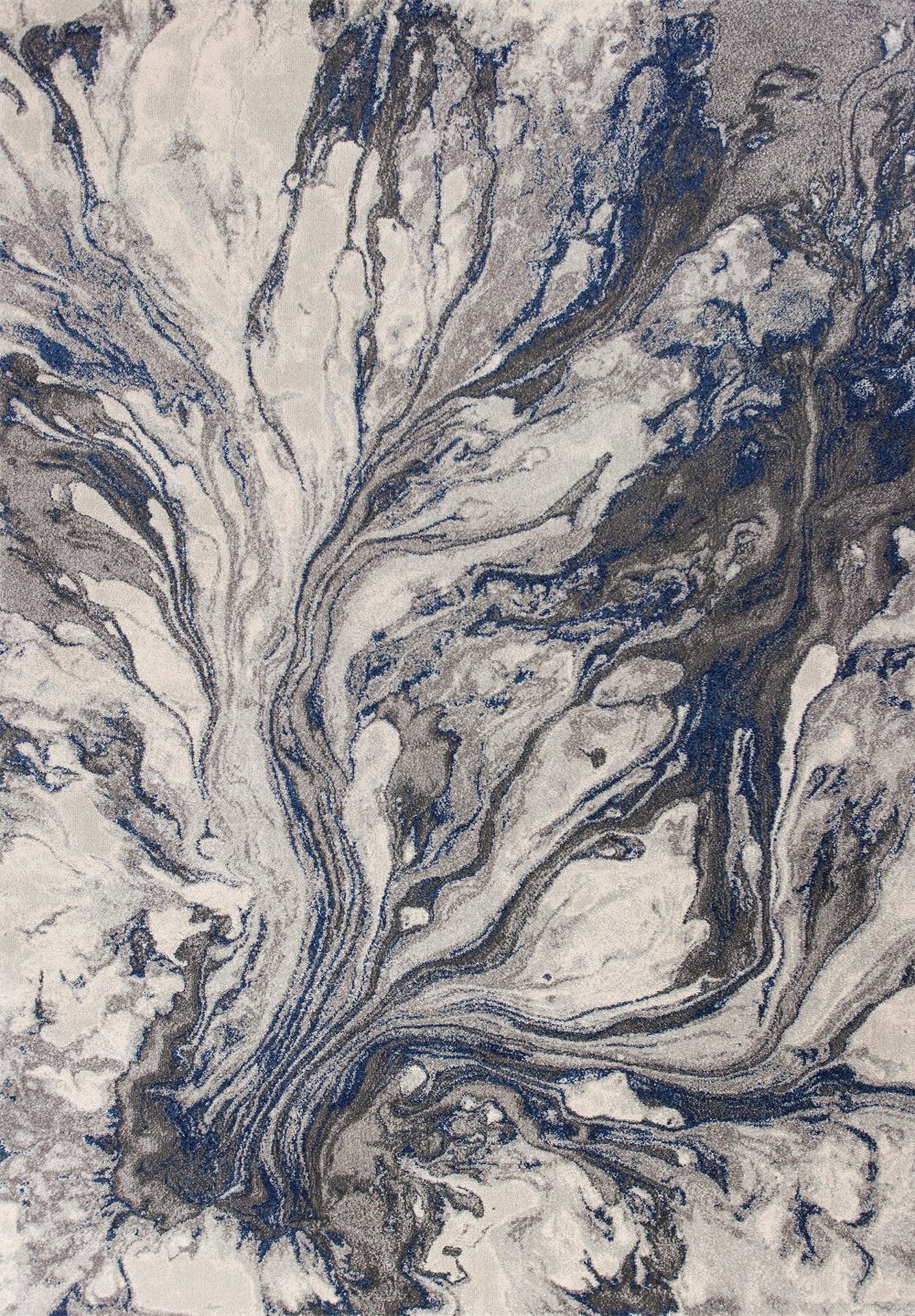
Non-slip solutions are products and surface treatments designed to improve traction or help keep rugs, mats, and other floor coverings in place. The right choice depends on the surface underneath, how the space gets used, and whether the main concern is a shifting rug, a slick walking surface, or moisture underfoot. In a living room, a rug pad can help anchor an area rug beneath a coffee table. In a hallway, a runner with suitable slip-resistant backing can help reduce movement along a busy path. Around stairs and bathrooms, products need construction suited to those particular settings. These differences matter because cushioning, absorbency, and grip serve separate purposes; a soft mat isn’t necessarily slip-resistant, and a grippy backing doesn’t automatically make a product appropriate for wet conditions. For everyday living spaces, rug pads and backed rugs offer practical ways to combine comfort with a more stable foundation. Felt pads add cushioning and help protect floors from abrasion, while rubber or compatible synthetic grip layers help resist movement. Combination pads bring those qualities together, although performance depends on the floor finish and the rug above them. A pad that fits just inside the rug’s edges stays out of sight and lets the edges rest against the floor rather than creating a raised border. Thickness also affects fit: a plush pad may feel comfortable beside a sofa, but a lower-profile option often works better near a door or beneath furniture that needs a level footing. Collections of Non Slip Area Rugs bring floor-covering style into the same conversation, with texture, pile height, and backing all worth considering alongside color and pattern. Compatibility remains important even when a backing feels secure. Some rubber, latex, adhesive, or plasticized materials can discolor certain flooring finishes, so manufacturer guidance helps identify appropriate pairings for hardwood, laminate, tile, and resilient flooring. A clean, dry floor and a rug that lies flat give compatible backing a better foundation for everyday use.
Bathrooms, kitchens, and stairs place different demands on non-slip products, making intended use especially important. A bath rug outside the tub provides a comfortable landing spot and absorbs drips, while a mat designed for use inside a tub or shower needs a wet-area construction and a securing method appropriate to that surface. The two aren’t interchangeable. Suction-backed mats generally need a compatible, smooth, nonporous surface to attach properly; textured or refinished surfaces may require a different approach. Drainage openings can help water move through a wet-area mat, but regular cleaning still matters because soap residue and buildup can interfere with grip. Outside the bathing area, absorbent cotton, microfiber, and other washable fabrics offer different textures and drying characteristics. The backing’s care requirements deserve as much attention as the fabric’s, especially when frequent laundering is part of the routine. In the kitchen, a cushioned mat can make time at the sink more comfortable, while a textured top, compatible backing, and gently beveled edges contribute to a practical design. Its footprint should suit the workspace without blocking a cabinet, catching beneath a door, or extending awkwardly into a walking path. Stair treads serve another purpose: they add a defined contact surface to individual steps. Textile treads bring softness and sound absorption, while rubber or abrasive traction surfaces offer a firmer feel. A tread’s width, depth, thickness, and attachment method need to match the stair and its finish. A loosely positioned tread can create a concern of its own, so secure placement matters more than appearance alone. These categories can be useful in homes with children, pets, frequent visitors, or anyone who appreciates steadier footing. They’re also practical considerations for a new home or an updated room, where the floor covering needs to support daily routines as well as the overall look.
For exposed hard surfaces, non-slip coatings, traction strips, and certain chemical treatments address grip differently than rugs and mats. Textured coatings typically combine a finish with traction-enhancing particles to create a more slip-resistant surface. Depending on their formulation and approved uses, they may suit concrete, wood, metal, or other substrates. Their texture, sheen, curing requirements, and maintenance needs vary, and a coating intended for one material may not bond correctly to another. Abrasive traction strips add localized grip on compatible steps or walking surfaces, with adhesive performance affected by surface condition and preparation. Some chemical treatments modify the texture of compatible tile or mineral surfaces to improve traction under specified conditions. They aren’t universal solutions, and they can affect appearance or finishes, making the manufacturer’s surface restrictions and testing recommendations important. Slip resistance is a performance characteristic, not a guarantee against falls; water, grease, cleaning residue, footwear, and wear can all change how a surface behaves. Across the category, durability means more than a material that looks sturdy. Rug backing needs to retain its integrity, mats need edges that stay flat, adhesives need a suitable bond, and textured surfaces need to hold up to the traffic they receive. Care instructions help clarify that long-term fit. Some textile products tolerate machine washing, while others need spot cleaning or gentler treatment to protect the backing. Certain coatings require specific cleaners, and aggressive scrubbing can damage some traction surfaces. A busy entryway, a frequently used kitchen, and a quiet bedside area won’t place the same demands on a product, so construction should reflect the location. Style still has a place in these practical choices: a low-profile runner can complement a narrow hall, a softly textured bath rug can finish a bathroom, and a discreet pad can support a favorite area rug without changing its appearance. Well-matched non-slip solutions balance grip, comfort, fit, and care, helping everyday spaces feel more settled without asking every room to look or function the same way.
Read More