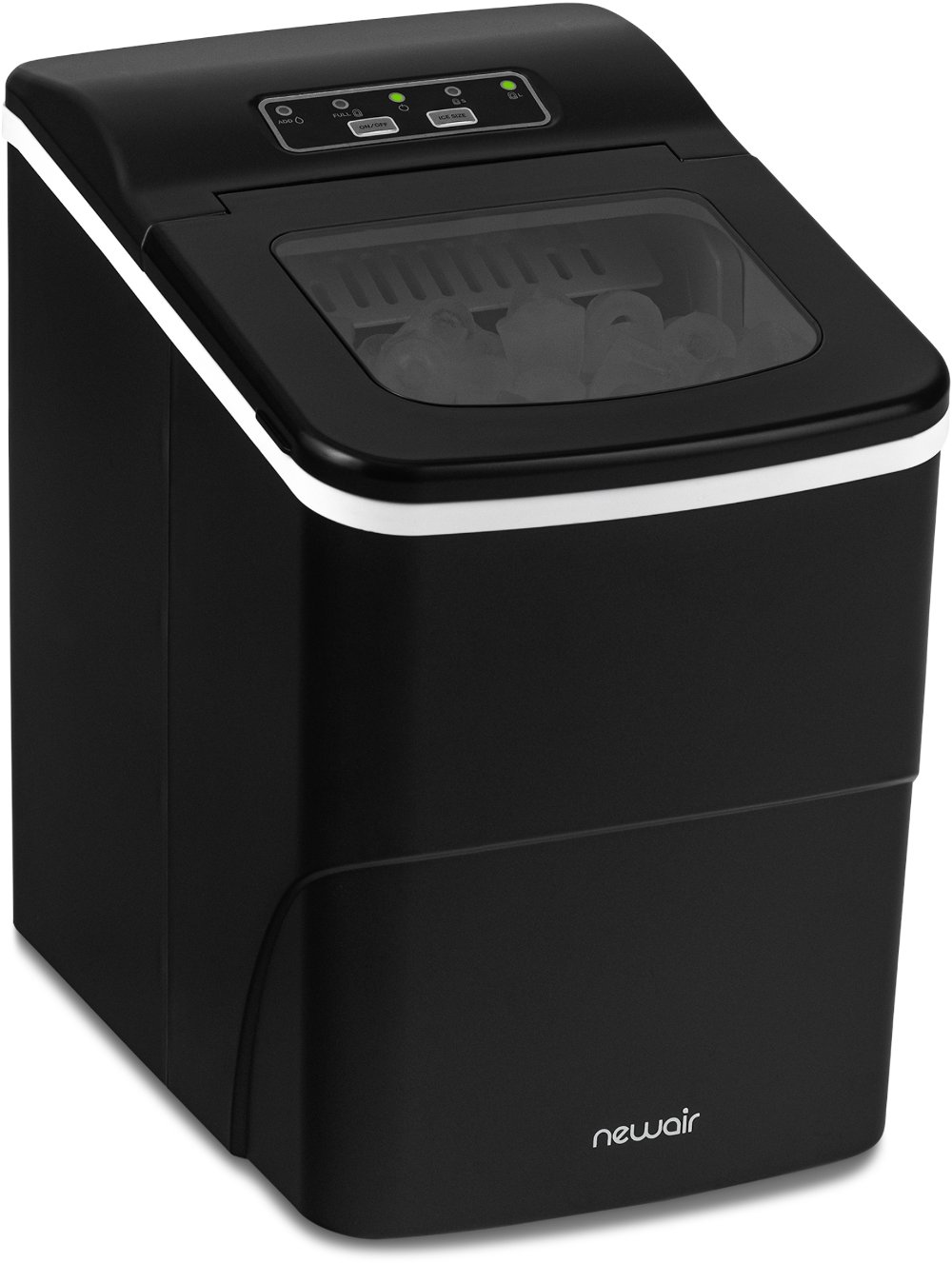
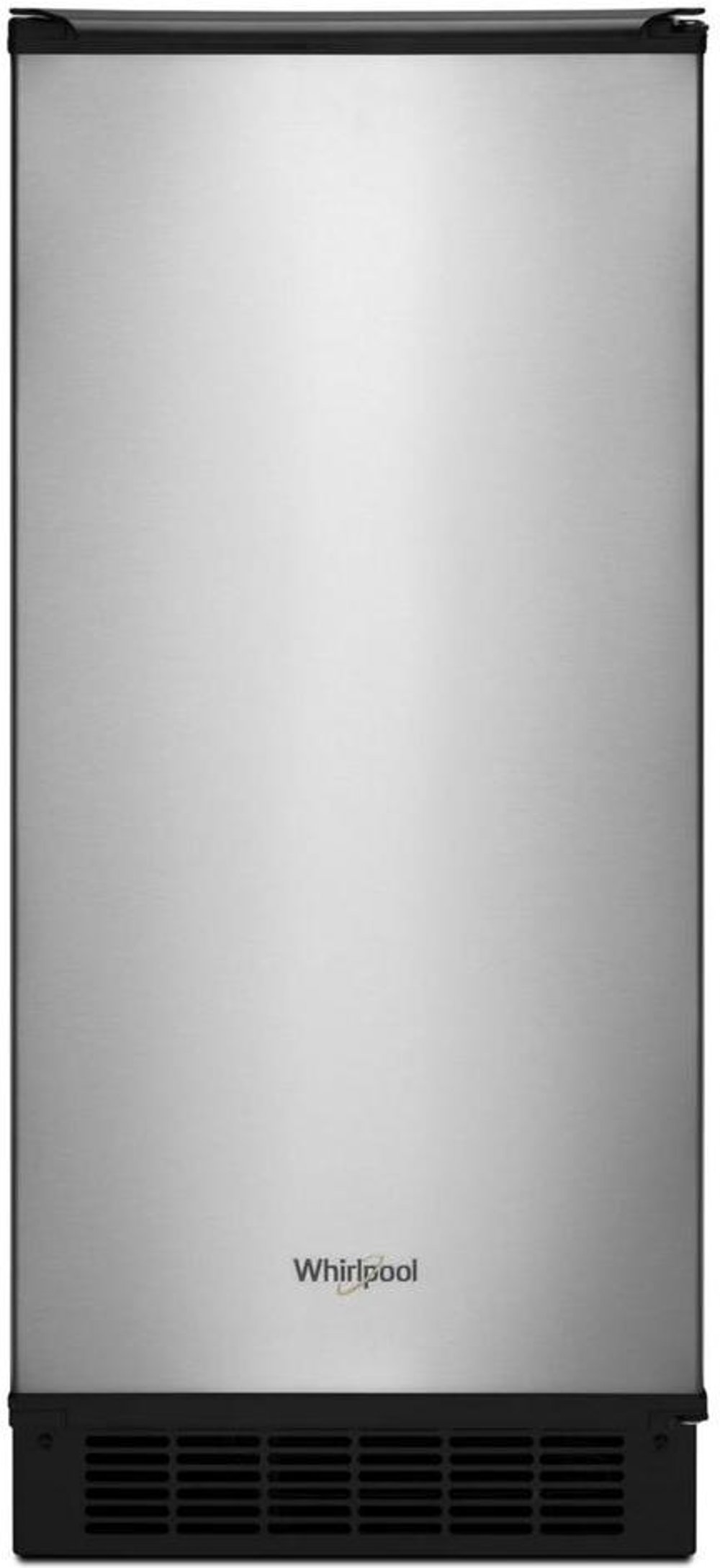
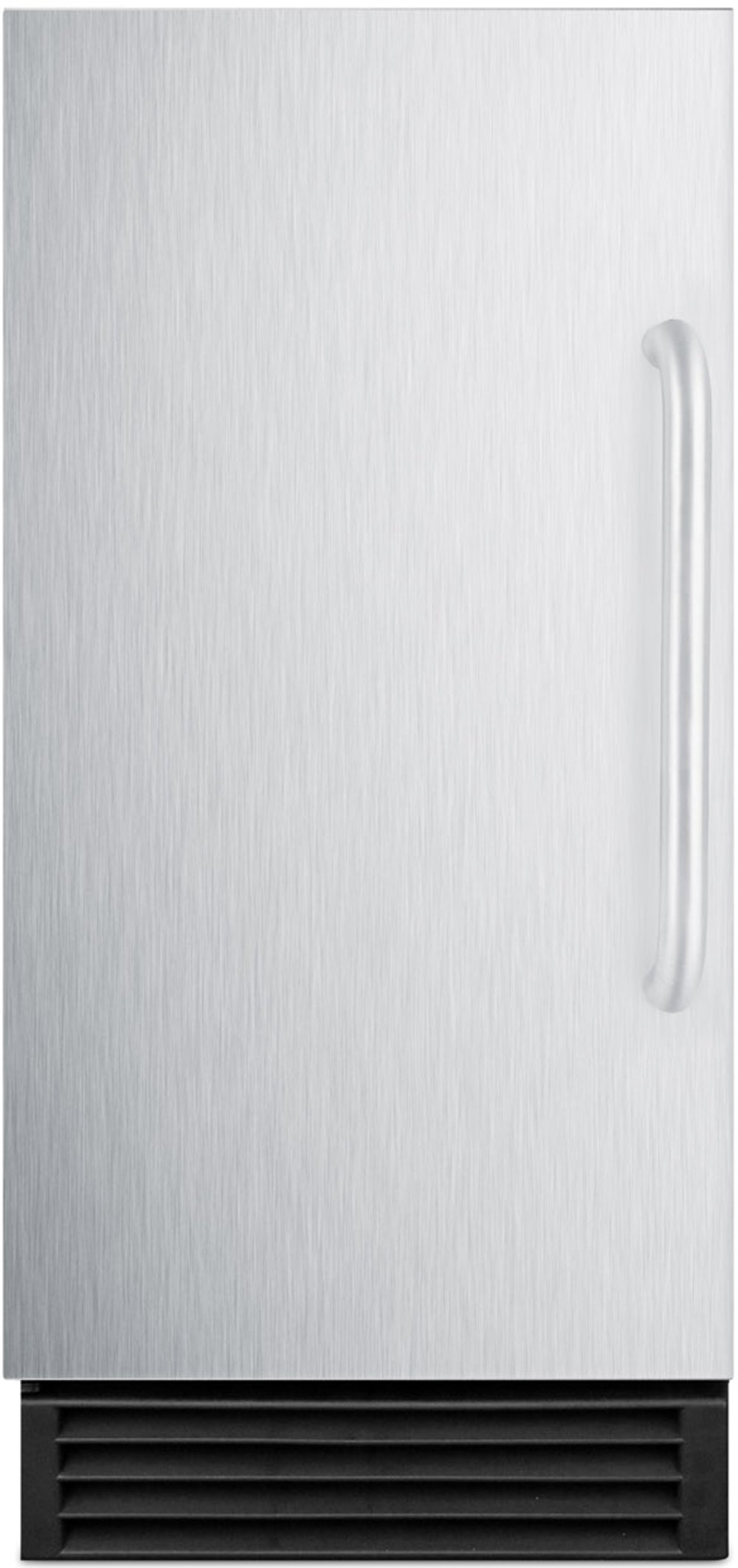
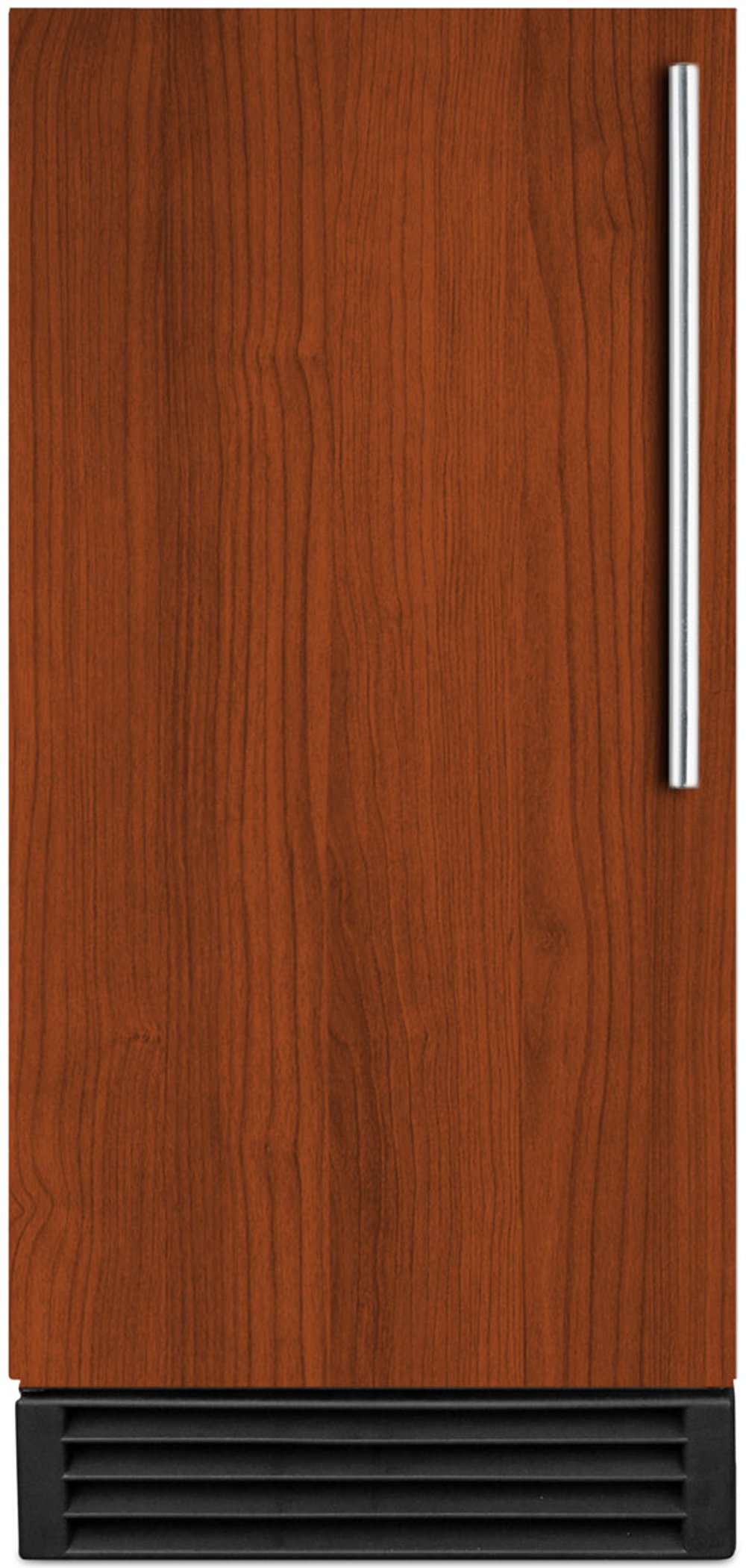
Nugget ice makers for home turn water into small, chewable pieces of ice with a soft, porous texture. Often called pebble ice, nugget ice forms from compressed ice flakes rather than water frozen into solid cubes. That difference gives it the familiar crunch found in fountain drinks and makes it easy to scoop into everything from an iced coffee to a tall glass of lemonade. The little pieces settle around a straw, fill narrow drinking glasses, and absorb some of the beverage as they sit. For households that reach for ice throughout the day, a dedicated nugget ice machine brings that experience to the kitchen without relying on ice trays or a refrigerator dispenser. Many countertop nugget ice makers use a refillable water reservoir and plug into a suitable household outlet, so they don’t need a permanent water connection. Other designs connect to a water supply, and built-in machines may also require a drain. The right format depends on where the appliance will live and how often it will serve drinks. A countertop unit can suit an apartment kitchen, a coffee station, or a family that wants a separate source of ice for refillable tumblers. A properly installed built-in unit can make sense in a kitchen or home bar designed around regular entertaining. Nugget ice works especially well for people who enjoy its texture, but its porous structure also means it generally melts more quickly than larger, dense cubes under comparable conditions. That can be welcome in a drink meant to be enjoyed promptly, while a slowly sipped beverage may benefit from a different ice shape. For a firmer alternative, Cube Ice Machines offer another way to supply ice at home. Choosing between the two is less about one shape being better and more about the drinks, glassware, and daily routines that matter to your household.
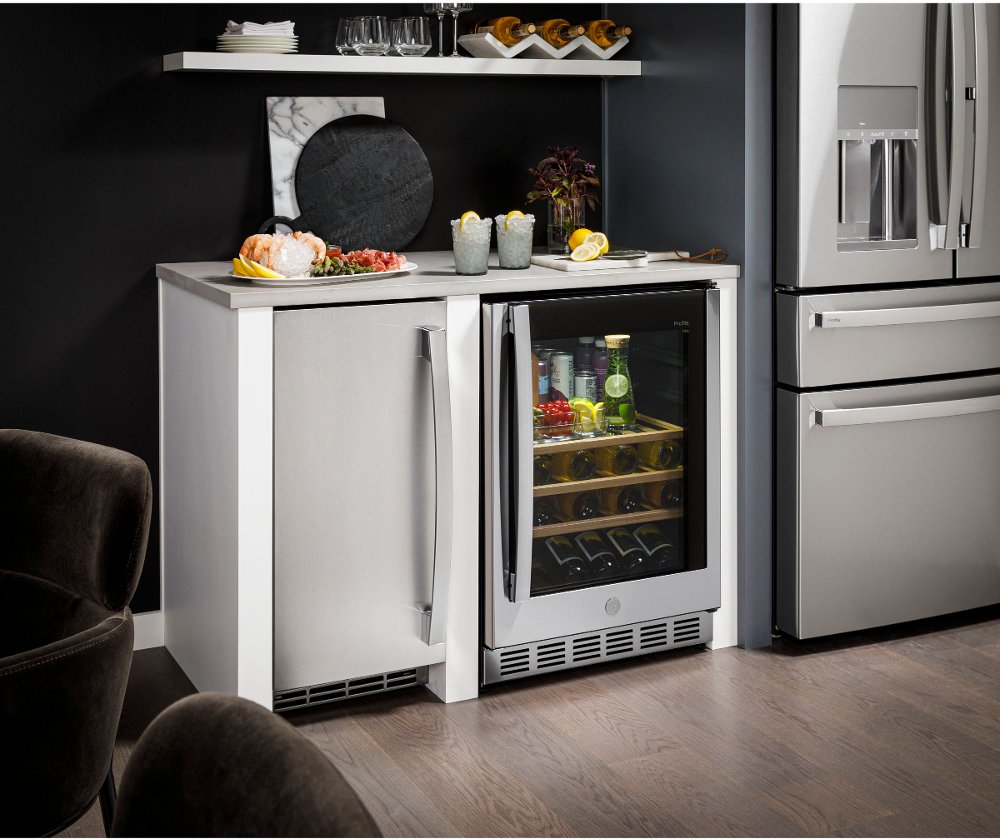
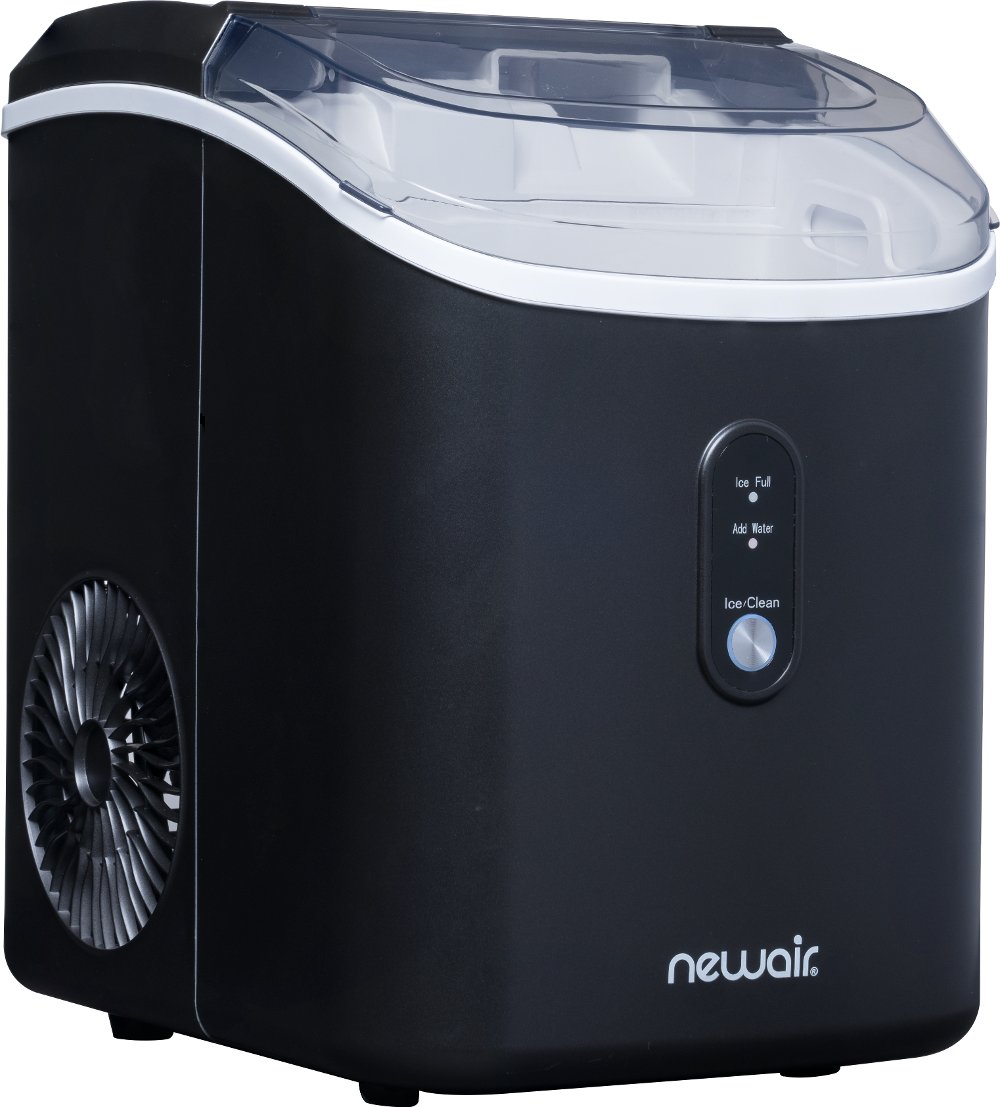
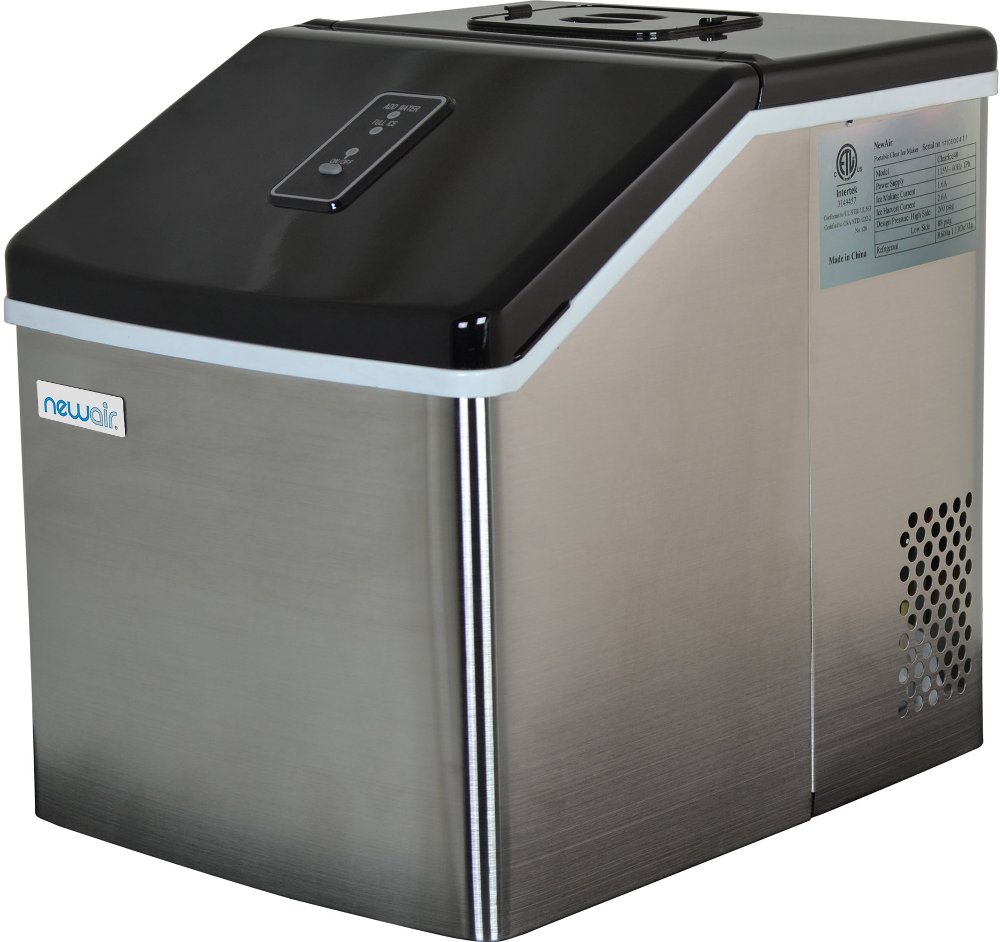
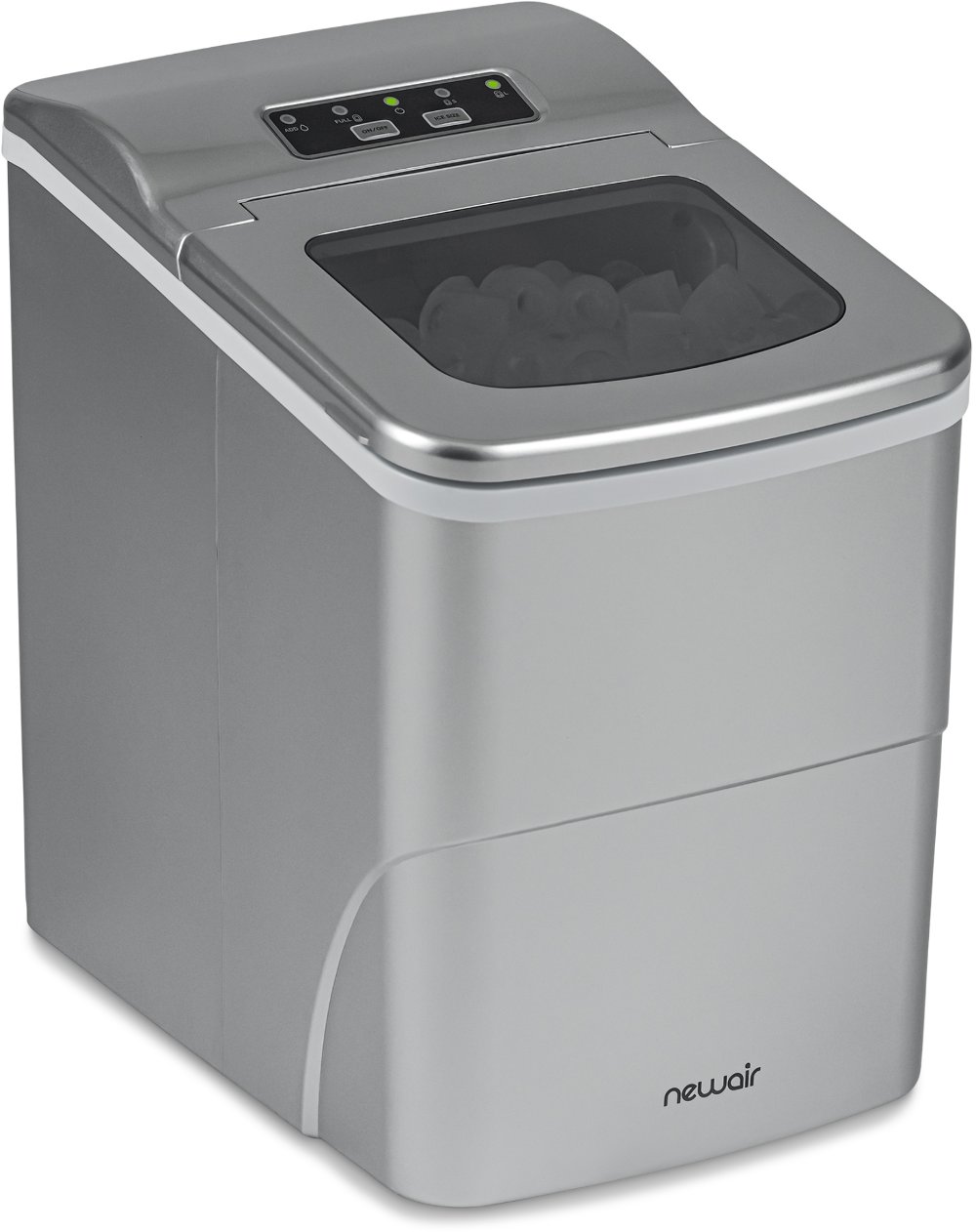
The fit of a home nugget ice maker involves more than its footprint on the counter. Height matters beneath upper cabinets, especially when a lid opens upward or a reservoir needs to lift out for filling. Depth matters, too: an appliance that technically fits may still leave too little room for food preparation or extend into a busy walkway. Allow the ventilation clearance specified by the manufacturer, and keep air openings unobstructed so the machine can release heat properly. A countertop model belongs in an open, approved location rather than tucked into an enclosed cabinet unless its design specifically allows that installation. Built-in nugget ice makers have their own ventilation, plumbing, and drainage requirements, making installation details an important part of finding the right fit. Stainless steel exteriors can coordinate with other kitchen appliances, while plastic housings and mixed-material designs offer different looks and handling characteristics. Finish alone doesn’t establish durability; sturdy construction, accessible cleaning areas, and care that matches the manufacturer’s instructions also matter over time. For everyday convenience, useful details include a removable ice basket, an easy-to-reach water reservoir, a viewing window, and controls that clearly indicate when water is low or the basket is full. Ice production and ice storage are separate measurements. A stated daily production capacity describes how much ice a machine can make over a specified period under test conditions, not how much it holds at once. First-batch time likewise describes the beginning of production, not the time needed to fill the basket. Actual performance can vary with incoming water temperature, room conditions, and use. For a household filling several large tumblers before leaving home, basket capacity and replenishment speed may matter as much as total daily output. For a home bar serving drinks over several hours, steady production can be more useful than a fast initial handful. Sound deserves attention as well. Fans, compressors, pumps, and falling ice can all be audible, particularly in an open kitchen near a desk or television.
Regular care helps a nugget ice maker deliver clean-tasting ice and keeps the parts that handle water in good working condition. Self-cleaning functions can simplify maintenance, but they don’t replace every cleaning task. Ice baskets, scoops, reservoirs, and other accessible surfaces still need attention according to the appliance’s instructions, and mineral deposits may require a separate descaling process with an approved product. Hard water can leave scale inside the machine, affecting performance over time. Use the water type the manufacturer recommends, and follow any filter replacement schedule that applies to the unit. Filtered water may improve taste and reduce some impurities, but it doesn’t eliminate the need for cleaning. Easy access to a drain plug or removable reservoir can make routine upkeep less cumbersome, particularly when the machine needs to be emptied before a period of nonuse. It’s also helpful to understand how the ice basket works. Many countertop nugget ice makers are ice producers rather than freezers, so ice left in the basket gradually melts; some designs return that water to the reservoir to make more ice. This makes them well suited to ongoing use during meals, game nights, or an afternoon of guests filling their glasses, rather than indefinite frozen storage. A clean scoop keeps handling simple, and regular washing helps keep the serving area sanitary. For daily use, picture the details of your routine: a water pitcher close enough for easy refills, space to pull out the basket without moving another appliance, and a spot where operating sounds won’t interrupt a conversation. Those details often shape satisfaction more than an extra feature that rarely gets used. A nugget ice maker can also be a thoughtful housewarming or wedding gift for someone who loves iced drinks or enjoys hosting, provided the appliance fits the recipient’s space and maintenance preferences. From a single glass at lunch to a kitchen full of friends, the appeal is straightforward: a reliable supply of the ice texture you enjoy, in an appliance that fits comfortably into everyday life.
Read More