Nursery decor brings color, texture, and personality to a baby’s room while making everyday care feel a little more comfortable and organized. Wall accents, soft floor coverings, window treatments, lighting, and storage each have a role beyond looking good: they help define a space for feeding, changing, reading, and spending time together. The most inviting rooms don’t need every detail to match. A few repeated colors or shapes can connect a framed illustration, a woven basket, and a patterned rug without making the room feel overly coordinated. Soft greens, creamy whites, and natural wood tones create an easygoing backdrop, while dusty blue, terracotta, or cheerful yellow add character in smaller doses. Neutral nursery decor leaves room for new interests as a baby grows, and animal, floral, celestial, or woodland motifs can bring a playful touch without taking over every surface. Materials contribute just as much as color. A wood frame adds definition to a pale wall; a fabric accent softens the look of a dresser; a gently textured basket makes practical storage feel like part of the room. Nursery wall decor can also make a shared bedroom or a small corner of a parent’s room feel thoughtfully set apart. Scale matters here: one well-proportioned piece can look calmer than several small decorations crowded around furniture. Lightweight wall accents still need secure installation, and framed art, shelves, and hanging decorations belong away from the crib and beyond a child’s reach. Peel-and-stick accents offer flexibility, though their suitability depends on the wall finish and the manufacturer’s surface recommendations. A test in an inconspicuous spot can help protect painted walls. Personal touches feel most meaningful when they reflect the family rather than a perfectly matched theme. A favorite storybook illustration or a simple arrangement of family photographs can give the space a sense of belonging, with room for a child’s own tastes to emerge later.
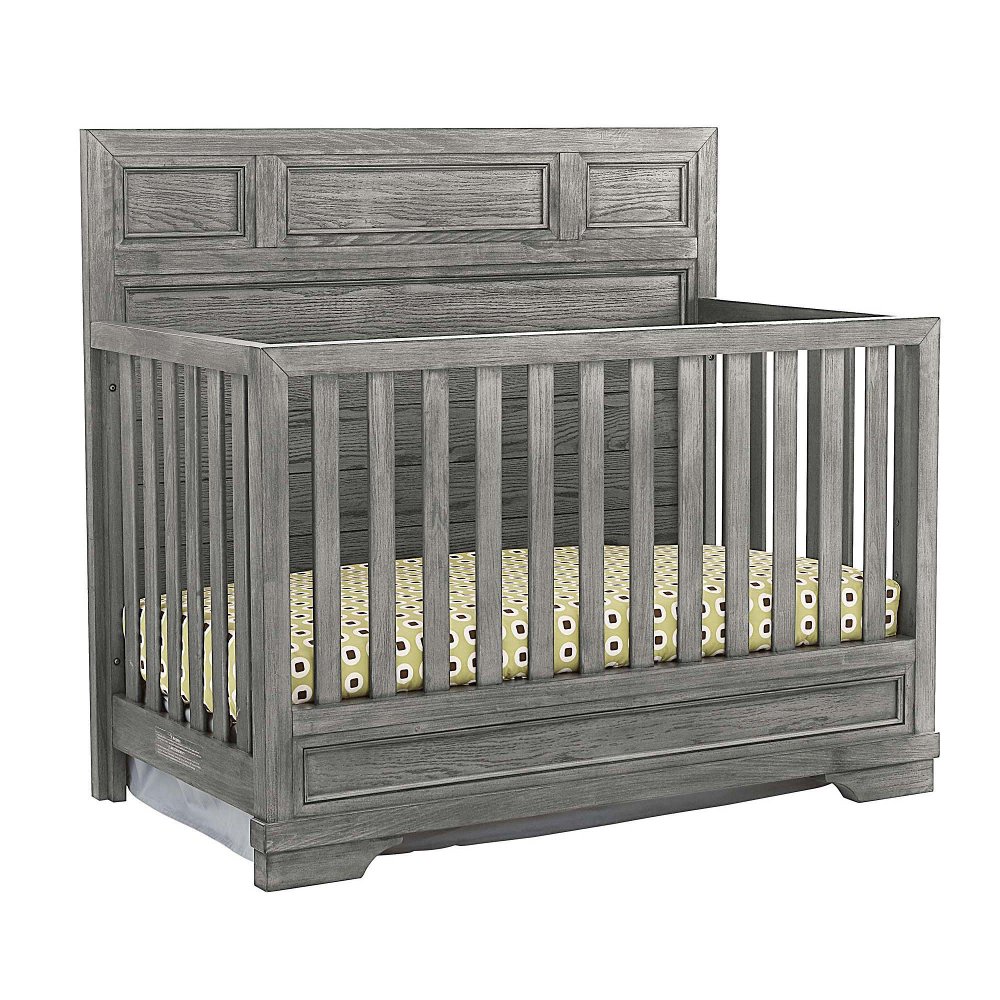
Textiles give nursery decor much of its softness, but their placement and care requirements deserve as much attention as their pattern. Cotton is a familiar choice for washable fabrics, while cotton blends and other fibers offer different textures and care needs. Fiber content alone doesn’t tell the whole story; weave, construction, backing, and the care label all affect how a textile handles regular use. For the sleep space, a fitted crib sheet should match the mattress dimensions and fit snugly. Keep the crib free of pillows, loose blankets, bumpers, stuffed toys, and other decorative objects; soft accents can add personality elsewhere in the room without entering the baby’s sleep area. On the floor, nursery rugs help anchor a seating area and add a comfortable surface for adults sitting beside a baby during supervised play. A low-pile construction generally makes small dropped objects easier to spot and can simplify routine vacuuming, while thicker textures may need more attention to trapped crumbs and lint. Wool, cotton, and synthetic fibers differ in feel, shedding, stain response, and cleaning requirements, so the right choice depends on how the room will be used. A washable rug can be practical, provided its dimensions and weight suit the washing machine specified in the care instructions. An appropriately sized rug pad compatible with the flooring helps reduce shifting. Fit should account for door clearance, furniture placement, and a clear walking path, especially when someone is carrying a sleepy baby. Window coverings add another layer of pattern and can help manage incoming light, but cordless designs are the appropriate choice for rooms young children use. Room-darkening fabrics vary in how much light they block, and coverage around the window affects the result. Lighting completes the setting: a softly diffused light near a feeding chair can make quiet care more comfortable, while stronger general illumination helps with dressing and cleanup. Stable placement and cords secured out of reach keep the focus on function as well as appearance.
Storage is often the nursery detail that earns its place fastest. Baskets, bins, and hampers keep everyday supplies grouped together, making it easier for parents, grandparents, and other caregivers to find what they need without opening every drawer. A basket sized for folded burp cloths serves a different purpose from a deeper container for spare linens, and the best fit leaves enough clearance to lift it from a shelf without scraping hands or snagging fabric. Woven cotton brings a soft, relaxed texture; canvas offers a simple fabric finish; and natural woven fibers add visual warmth but may have rough edges that need checking. Smooth interiors matter around delicate fabrics, while sturdy handles and reinforced seams help containers stand up to repeated lifting. Care requirements vary, too: some fabric bins can be washed, while structured or woven designs may need spot cleaning and thorough drying. Frequently used supplies are most useful within an adult’s easy reach at the changing area, with creams, medications, and small objects kept inaccessible to children. Decorative storage should never substitute for securing dressers and other furniture according to the manufacturer’s instructions. In a compact nursery, containers that fit existing shelves can reduce floor clutter and leave more space for movement. Open storage makes daily essentials visible, while closed storage gives backup supplies a quieter place to live. That balance helps nursery accessories remain useful beyond the baby stage, when the same containers may hold board books, dress-up clothes, or art supplies instead. Nursery decorations also make thoughtful baby shower gifts when they suit the family’s room dimensions, preferred colors, and care preferences. Easy-care accents with flexible designs are often simpler to work into an existing space than large, highly personalized pieces. For a shared nursery, repeating a color while varying smaller details can give each child a sense of place. Whether the room is spacious or tucked into a bedroom corner, thoughtful decor supports the routines happening there and leaves space for the family to make it their own.
Read More