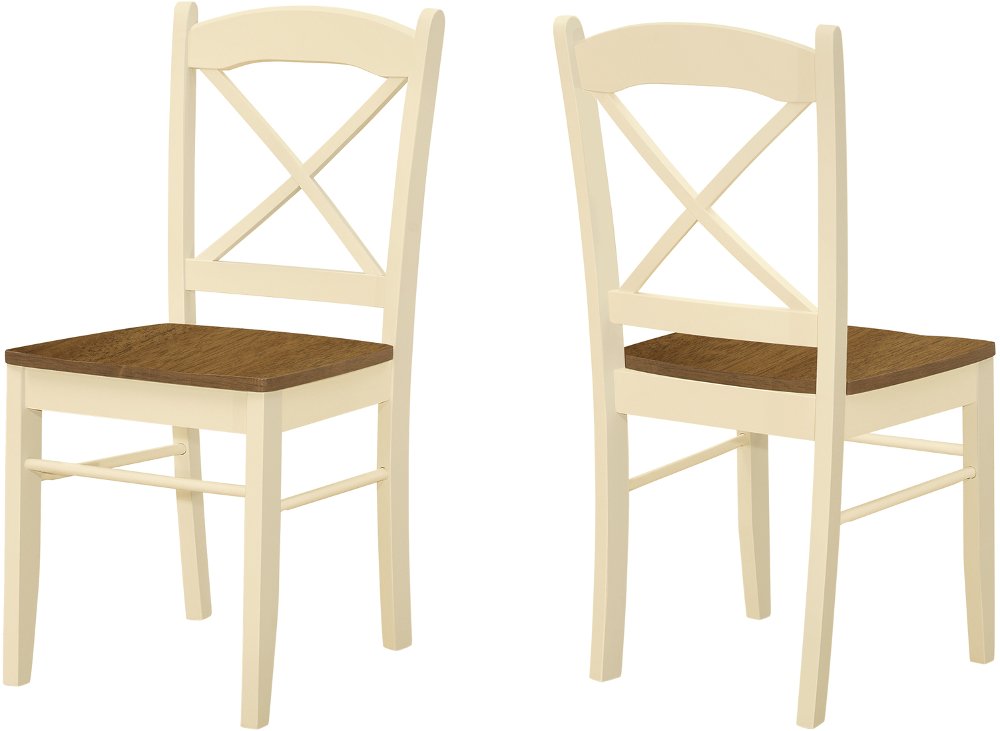
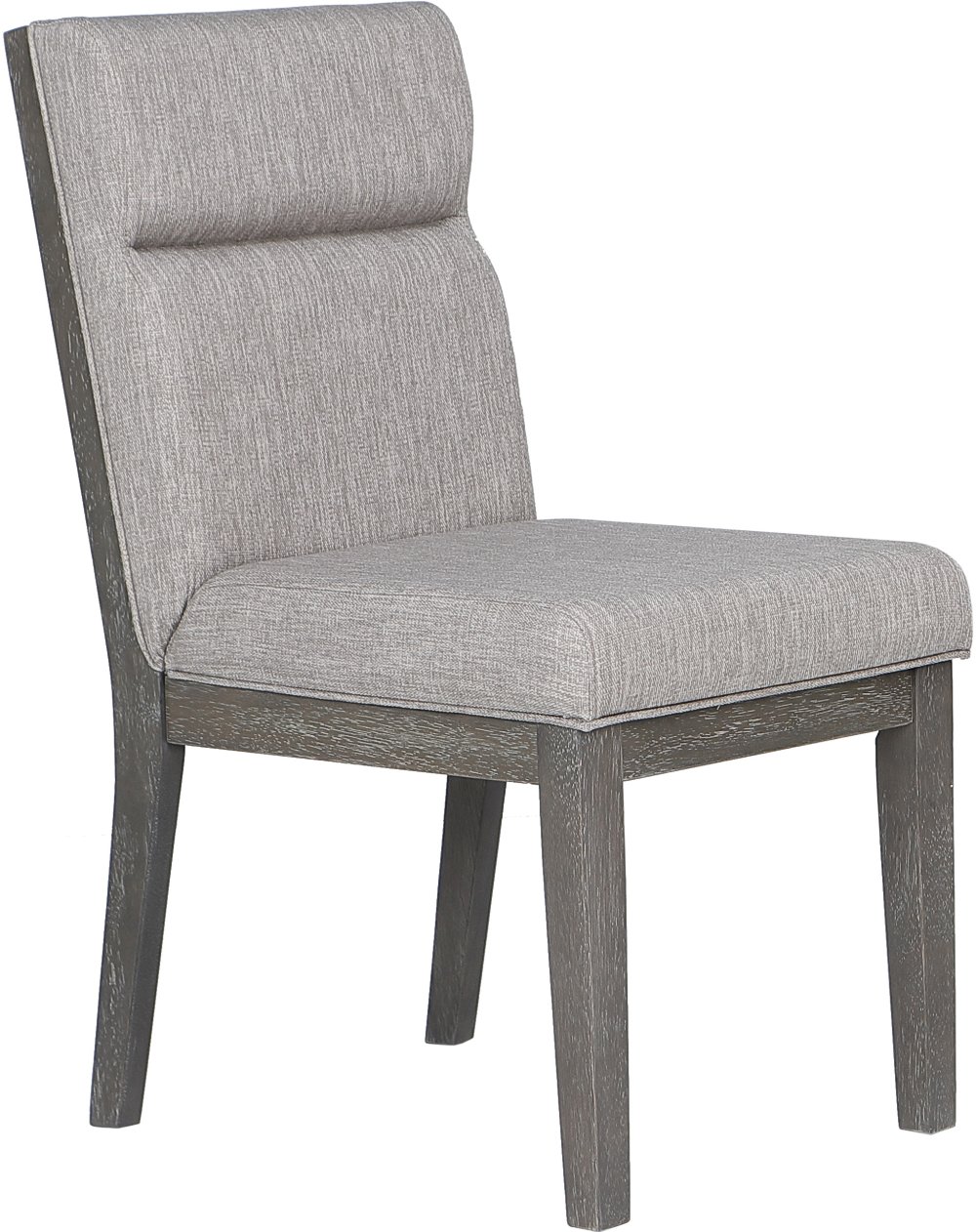
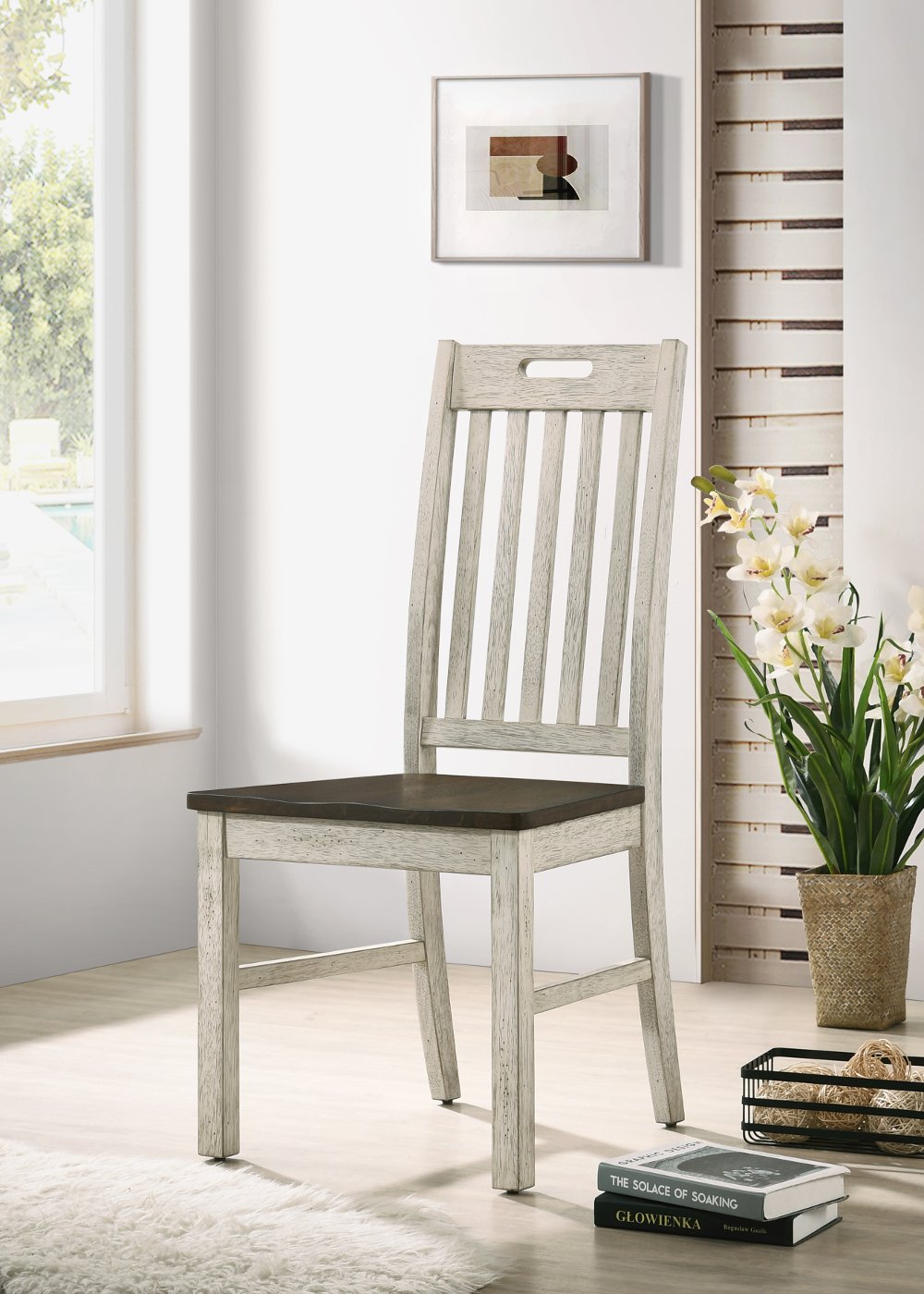
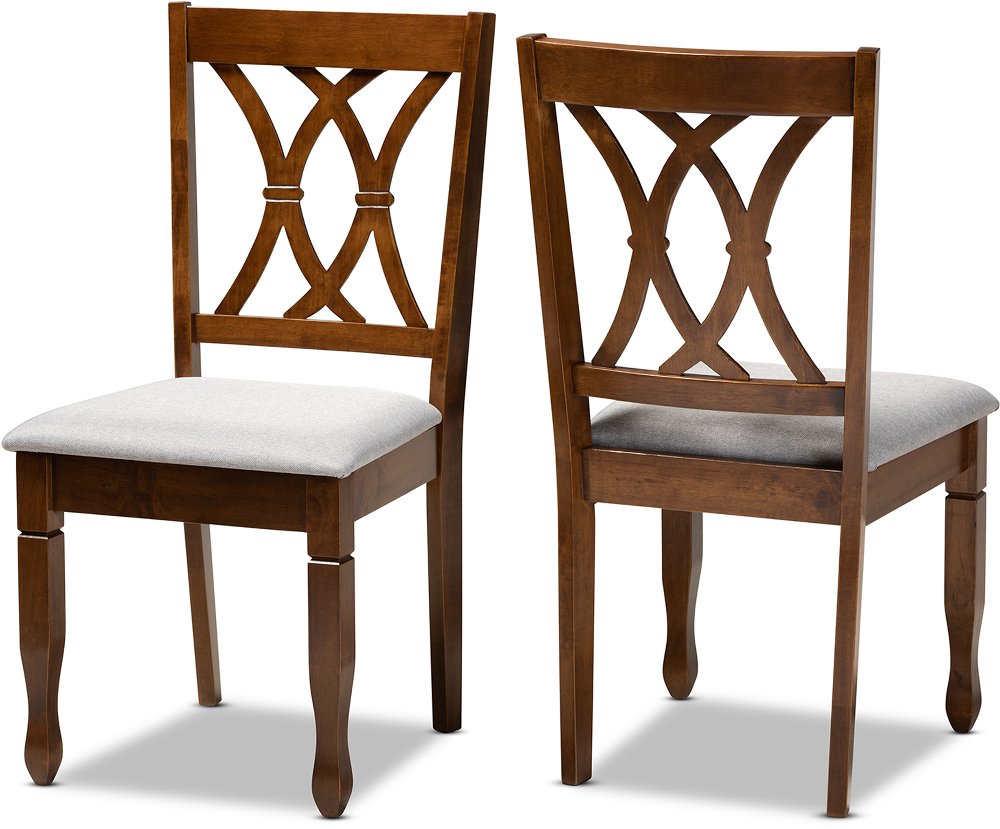
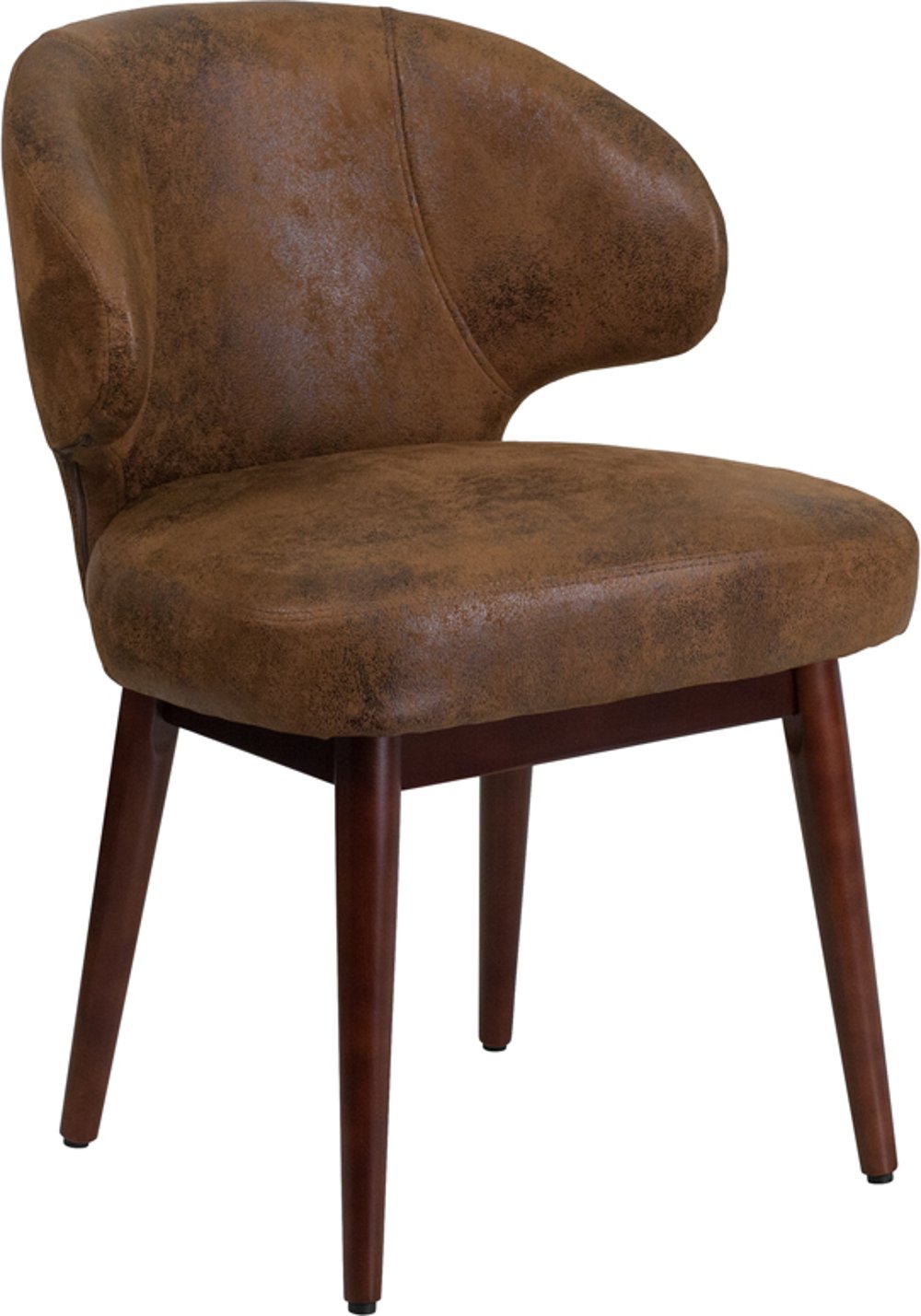
Oak side chairs are armless chairs that bring the strength and distinctive grain of oak to dining rooms, breakfast nooks, and other everyday gathering spaces. Their open sides make it easy to slide into a seat, tuck chairs beneath a table, and arrange several places without the added width of arms. Oak is a hardwood valued for its durability, making it a practical material for furniture that gets regular use. Its visible grain also gives each chair character, whether the look is smooth and understated or textured and rustic. Red oak often has warm, pinkish undertones and a pronounced grain, while white oak commonly leans toward tan or brown with a somewhat more subdued pattern. Stain and finish can change those appearances considerably, so the finished color matters as much as the wood species when coordinating with a table or nearby cabinetry. Natural finishes highlight the wood, darker stains create a more substantial look, and painted finishes emphasize a chair’s shape. Construction deserves equal attention: solid oak components, oak veneers over a supporting core, and an oak-colored finish describe different materials and treatments. An oak finish alone doesn’t establish that a chair is made of oak. Product details help clarify which parts contain oak and how the chair is built. Within this category, familiar silhouettes offer plenty of personality. Ladder backs create an easygoing farmhouse feel, slender spindles suit classic or cottage-inspired rooms, and clean-lined backs work well with contemporary furniture. Cross backs add a recognizable architectural detail without requiring elaborate ornament. A wood seat keeps the grain in view and offers a straightforward surface for everyday cleanup; an upholstered seat adds softness and another opportunity to coordinate color and texture. Woven seats bring a lighter, handcrafted appearance, though their care needs differ from those of finished wood. Together, these details make oak side chairs useful beyond a single decorating style.
A comfortable dining arrangement depends on how the chair fits both the person and the table. Many standard dining tables measure about 28 to 30 inches tall, while dining chair seats commonly sit about 17 to 19 inches above the floor. Those ranges are a starting point rather than a guarantee of fit; a thick tabletop, low apron, or cushioned seat can change the usable space. The distance between the seat and the table should allow relaxed legroom without leaving the diner reaching upward. Seat width and depth matter, too. A deeper seat may feel generous to a taller adult but leave a shorter person sitting forward without back support. A gently shaped wood seat can feel comfortable without padding, while an upholstered seat may offer a softer landing during a long meal or an evening of conversation. Backrest shape influences that experience as much as appearance: a slight curve can support a relaxed seated position, and the placement of rails or spindles affects where the back makes contact. Around the table, allowing roughly 24 inches of width per diner is a useful starting point, with more room needed for broader chairs. Table legs and pedestal bases can limit where seats fit, even when the tabletop looks large enough. Space behind each chair also matters, especially where someone needs to walk past a seated guest. Armless profiles help in compact rooms, but overall chair width and the depth needed to pull out the seat still deserve attention. For a coordinated dining arrangement, Oak Frame Dining Chairs provide a related category to consider alongside table dimensions, seating preferences, and room style. Matching wood tones can create a quiet, unified look, while contrasting finishes can keep a dining room from feeling overly uniform. Repeating one element, such as a warm undertone, curved back, or upholstery color, helps different pieces feel connected. An oak side chair can also serve at a writing desk or bedroom dressing table when its dimensions and support suit the task, though occasional seating and all-day desk use call for different levels of comfort.
Durability comes from the whole chair, not just the name of the wood. Oak’s hardness helps it stand up to everyday use, but sound joinery, secure seat attachment, and a well-supported frame also contribute to lasting performance. Stretchers between the legs can provide additional bracing, while properly fitted joints help keep the chair stable through repeated sitting and moving. Solid wood naturally responds to changes in indoor moisture, so consistent indoor conditions and sensible care help protect both the frame and its finish. A veneer surface isn’t automatically a sign of poor quality; its performance depends on the supporting material, construction, and protective finish. For a busy eating area, a smooth, sealed wood seat offers different maintenance needs than fabric upholstery or woven fiber. Crumbs can be brushed from a wood seat, while upholstered seams and woven surfaces may need gentle vacuuming with an appropriate attachment. Fabric labeled for easy care still needs cleaning according to its instructions, since stain resistance doesn’t mean every spill will disappear. For finished wood, a soft cloth handles routine dusting, and spills are best blotted promptly before moisture settles into joints or reaches an unprotected edge. When damp wiping is appropriate for the finish, follow with a dry cloth rather than leaving the surface wet. Harsh cleaners, abrasive pads, and unapproved polishes can dull or damage protective coatings. Felt pads or suitable floor glides help protect flooring, and lifting a chair instead of dragging it reduces strain on both the legs and the floor. Chairs that require assembly benefit from careful setup according to the supplied directions, followed by any recommended hardware checks. Published weight limits and intended-use information are important considerations for the people who will use the seating regularly. With the right proportions, supportive construction, and manageable care requirements, oak side chairs can settle naturally into daily life, from a quick breakfast and a homework session to a leisurely dinner with friends.
Read More