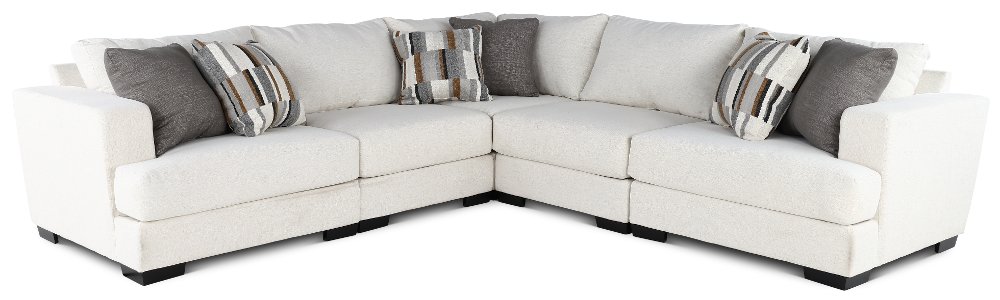
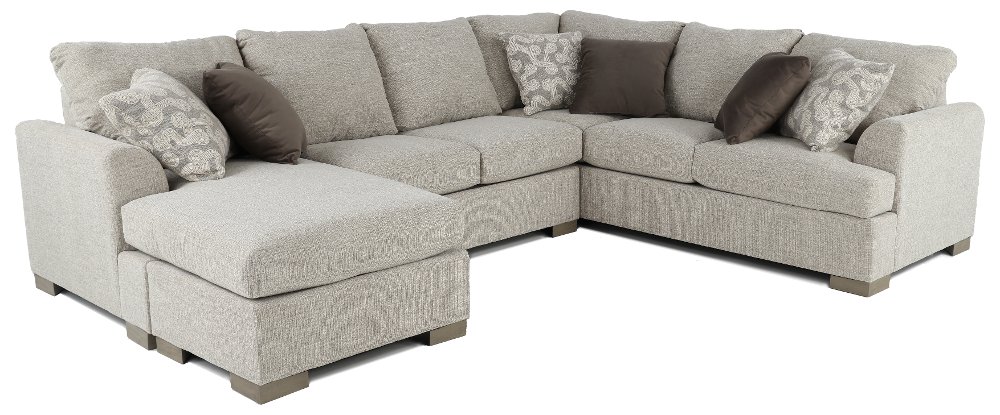
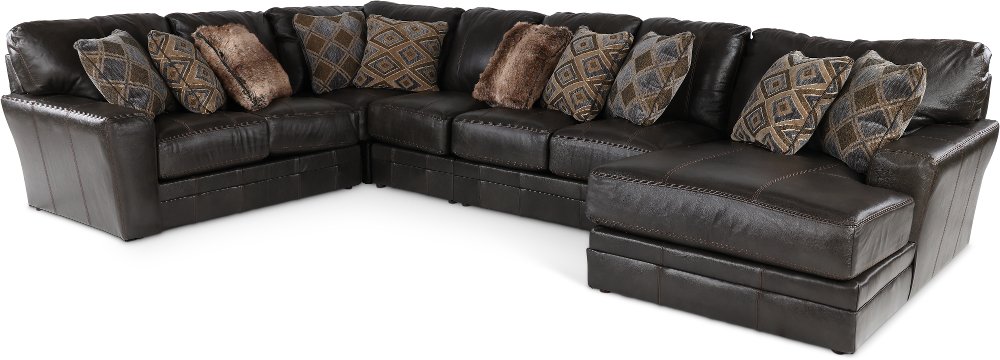
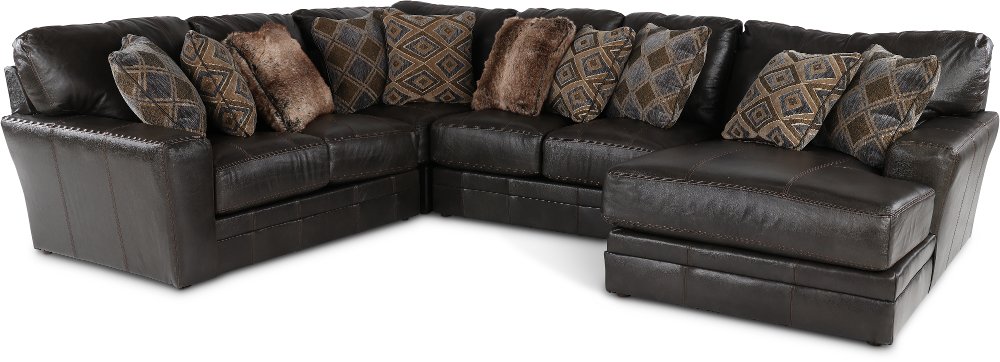
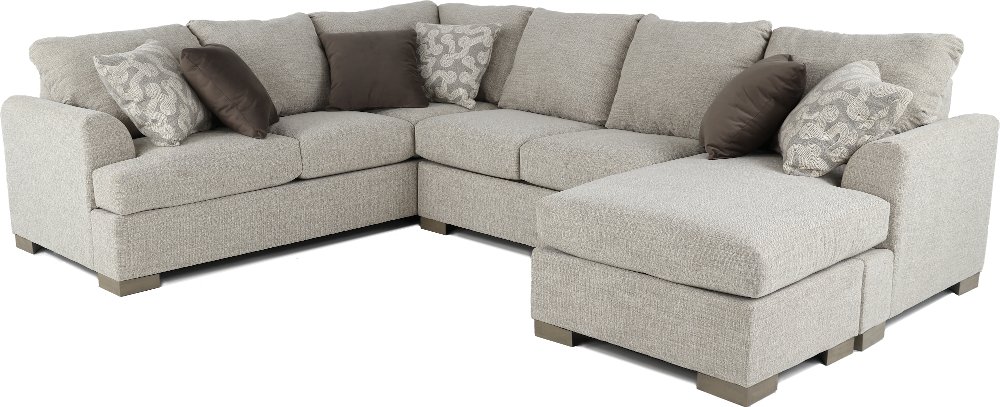
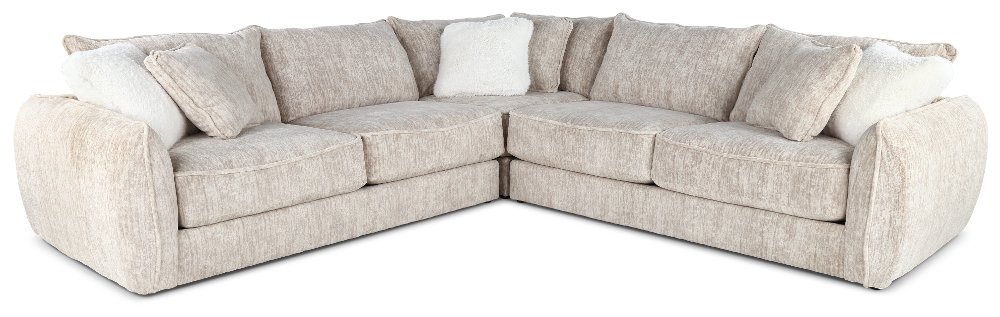
Oversized modular sectional sofas bring generous seating and flexible layouts to the spaces where everyday life happens. Built from separate seating units rather than one continuous frame, these large couches can combine armless chairs, corner seats, end pieces, and compatible ottomans into a configuration that suits your room. Depending on the design, that might mean an L-shaped sectional for stretching out beside a partner, a broad U-shaped arrangement for conversation, or an extended sofa with a chaise for movie nights. Oversized proportions generally mean wider seats, deeper cushions, or a larger overall footprint than a standard sofa, but dimensions vary, so the measurements matter more than the label. Deep seats give you room to tuck your legs underneath you, share a cushion with a pet, or settle in with a blanket during the cooler months. A more upright seat with supportive back cushions may feel better for reading, visiting, or getting up frequently throughout the day. Seat count also depends on the usable cushion space and configuration, not simply the number of modules: a corner unit contributes to the shape without always providing the same legroom as a straight seat. For households that gather around a television, a chaise or ottoman can create a comfortable place to put your feet up without adding another chair. For people who entertain, seats arranged around an open center help guests face each other while keeping snacks and drinks within reach. L-shaped modular sectionals work especially well when you want a defined seating area with one side left open to the rest of the room. Larger U-shaped configurations offer a more enclosed gathering space, provided there’s enough clearance around the ends. The appeal isn’t just having a bigger couch; it’s having enough room for the way your household actually spends time together.
The right fit balances that generous seating with comfortable movement through your home. In an open living area, an oversized modular couch can help establish a boundary between lounging and dining without placing a wall between them. Along two adjoining walls, a corner arrangement can leave more of the center floor open. A sectional floating away from the walls needs a finished appearance on every visible side, along with a clear path behind or beside it. Overall width and depth are useful starting points, but chaise length, arm width, back height, and ottoman placement all affect how substantial the sofa feels. Broad arms add visual weight and take up space that doesn’t contribute to seating, while lower backs can preserve sightlines across an open floor plan. A footprint marked with painter’s tape makes those proportions easier to picture, especially near a doorway, fireplace, or frequently used cabinet. Leave enough room to walk naturally, open nearby doors, and reach a coffee table without squeezing between furniture. Delivery access deserves the same attention. Separate modules may be easier to maneuver than a one-piece sofa, but each unit still has to clear entry doors, hallways, stair turns, and elevators. Packaged dimensions and removable legs or backs, when specified, help clarify what will fit. Modular construction also doesn’t mean every piece can go in every position. Some systems use dedicated left-facing and right-facing ends, fixed corner shapes, or connectors that limit the available arrangements. Compatible pieces and secure connections help the finished layout stay aligned during daily use. A movable ottoman can provide flexibility without changing the entire sectional, serving as a footrest or an extra place to sit when its design allows. For renters, growing households, and anyone who likes to rearrange a room, understanding those configuration details helps distinguish a genuinely adaptable seating system from a large sectional with only a few possible layouts.
Upholstery, cushion construction, and frame quality shape how an oversized modular sectional sofa feels long after the first afternoon of lounging. Soft chenille brings a cozy, textured surface, while velvet adds a subtle sheen that changes with the light and the direction of its pile. Woven fabrics can offer a more tailored appearance, and pronounced textures such as corduroy give a large sofa an especially relaxed character. Performance upholstery may offer stain resistance or easier cleaning, but the specific fabric information matters; that designation doesn’t make a sofa immune to spills, scratching, or wear. In a home with pets, a tighter weave may be less tempting to snag than a loose, open texture, although no upholstery is claw-proof. Leather offers a different feel and develops character with use, with care needs that depend on its finish. Color plays a practical role, too. A heathered midtone can make everyday lint less noticeable, while a pale solid fabric may call for more frequent attention. Beneath the upholstery, well-built frames, reinforced joints, supportive suspension, and cushions designed to retain their shape contribute to durability. Foam cushions often provide a more structured sit, while fiber- or feather-blend fills can feel softer and may need regular fluffing. Very plush, cloud-like seating creates an inviting lounge spot, but a firmer cushion and suitable seat height can make standing up easier. Removable covers aren’t necessarily machine washable, so follow the manufacturer’s care label before cleaning. Routine vacuuming helps remove crumbs and grit from seams, and prompt blotting gives spills less time to soak in. Rotating or flipping cushions, when their construction permits, can help distribute wear across favorite seats. Keep upholstery away from prolonged direct sunlight when possible, and use only cleaning methods approved for the material. With proportions that suit your room and materials that suit your routines, a large modular sectional can feel equally at home during a lively gathering, a quiet evening with a book, or an afternoon spent sharing the sofa with the whole household.
Read More