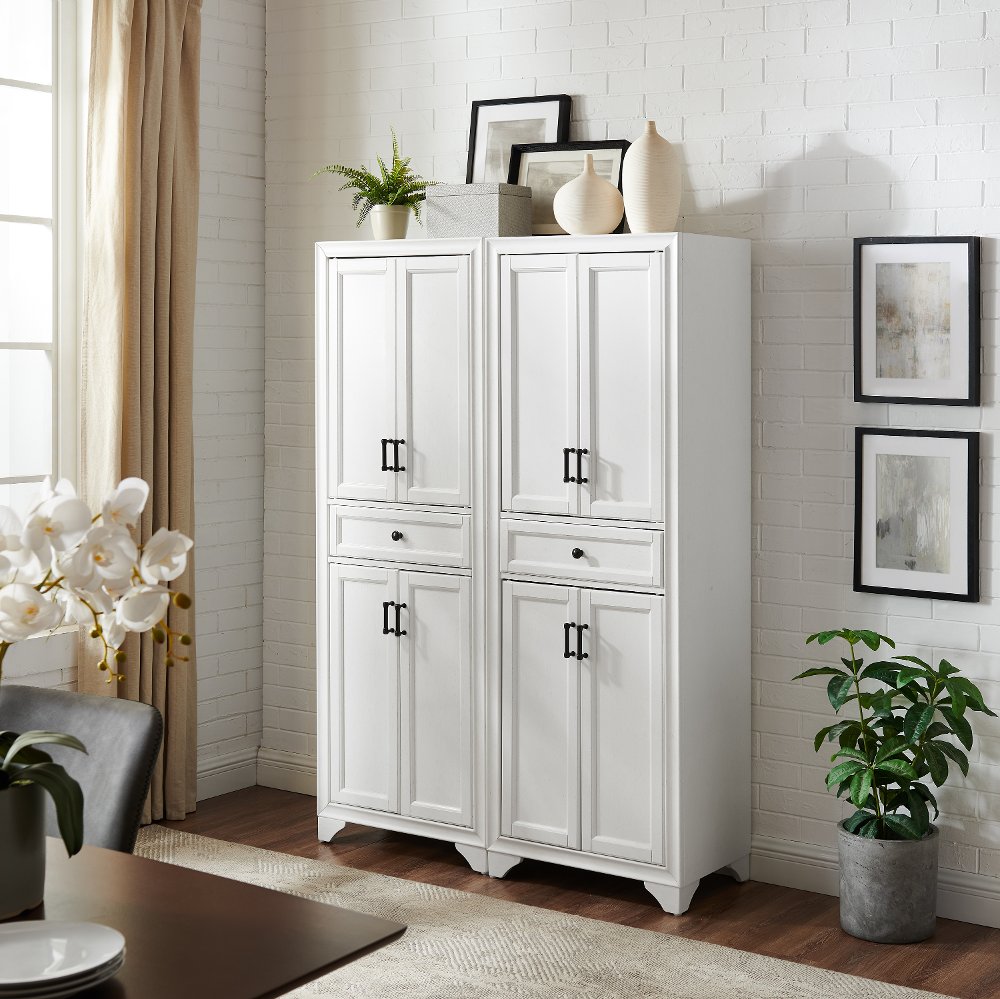
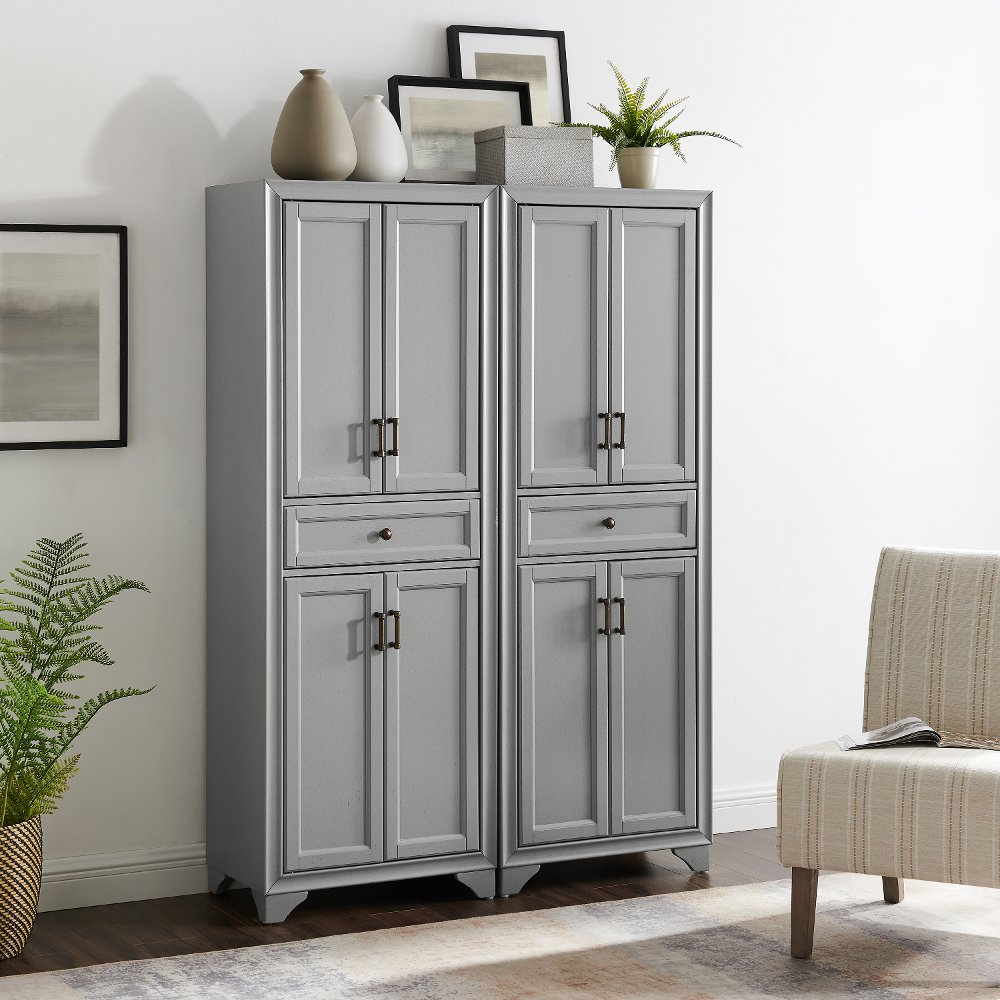
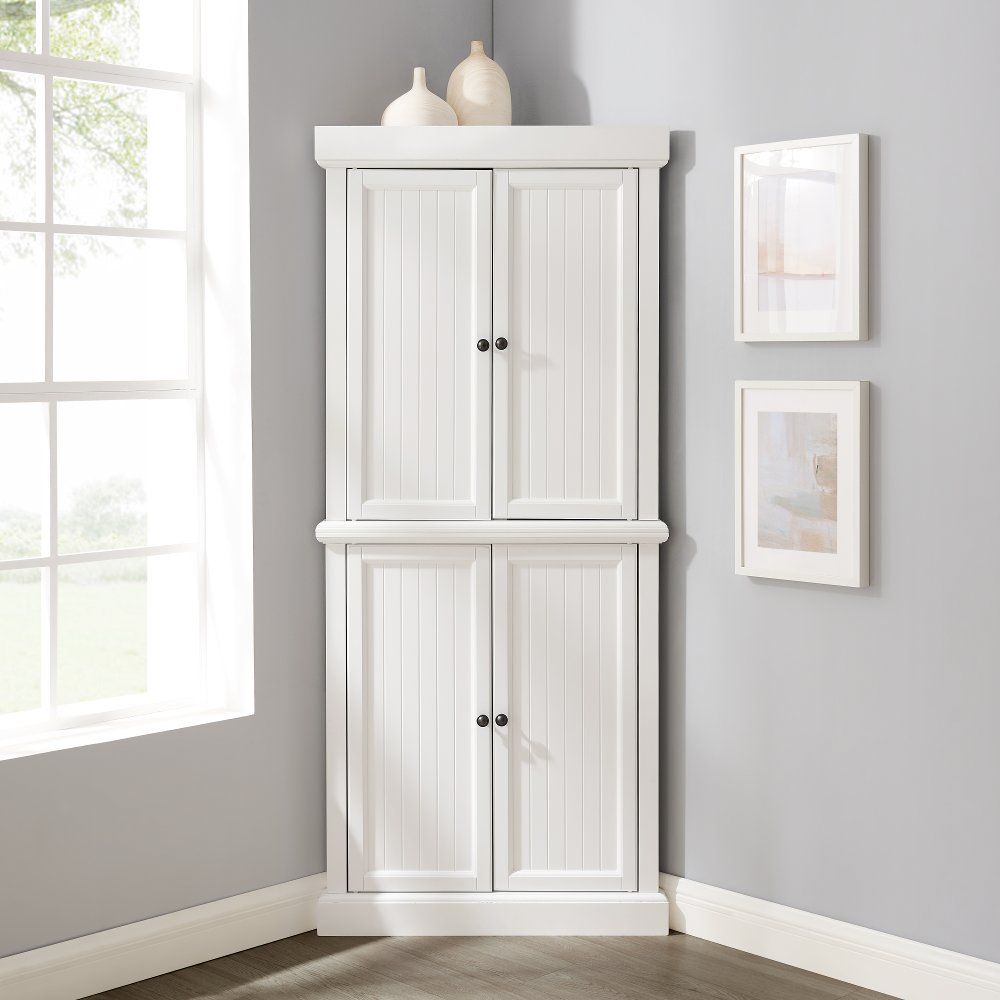
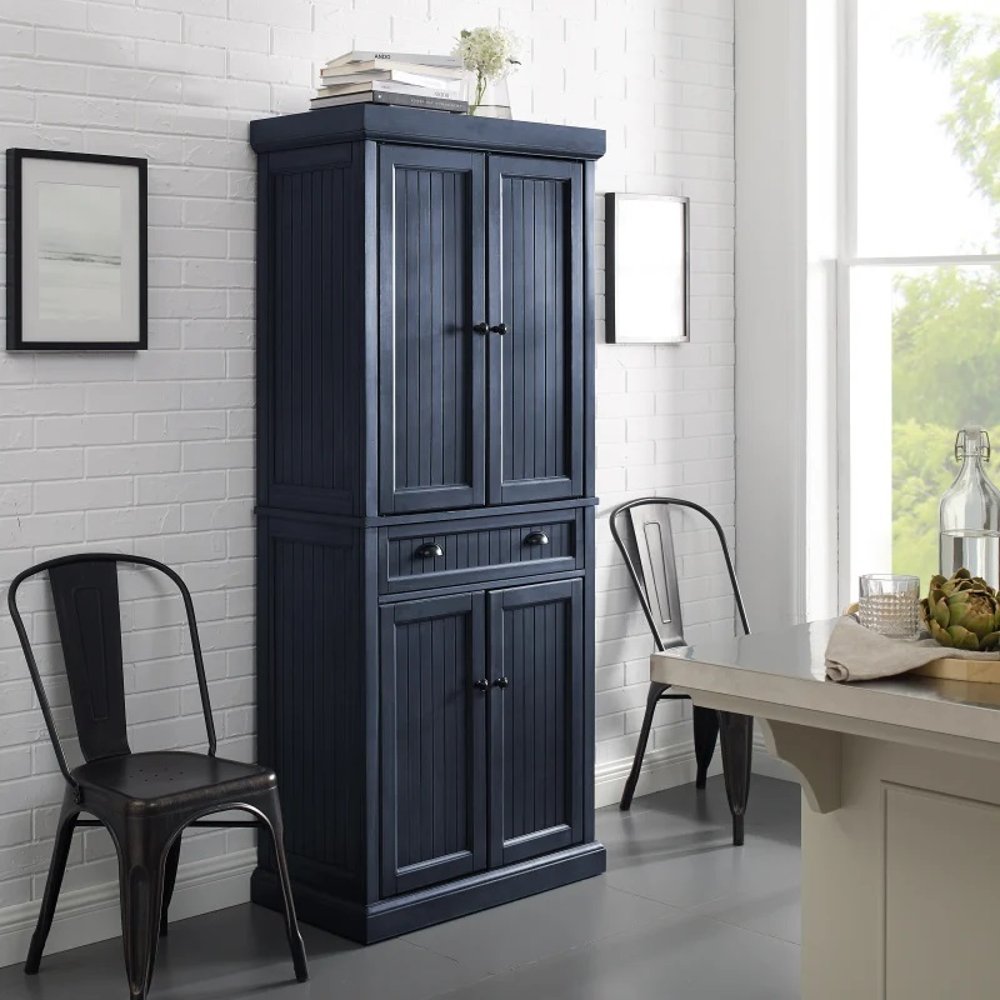
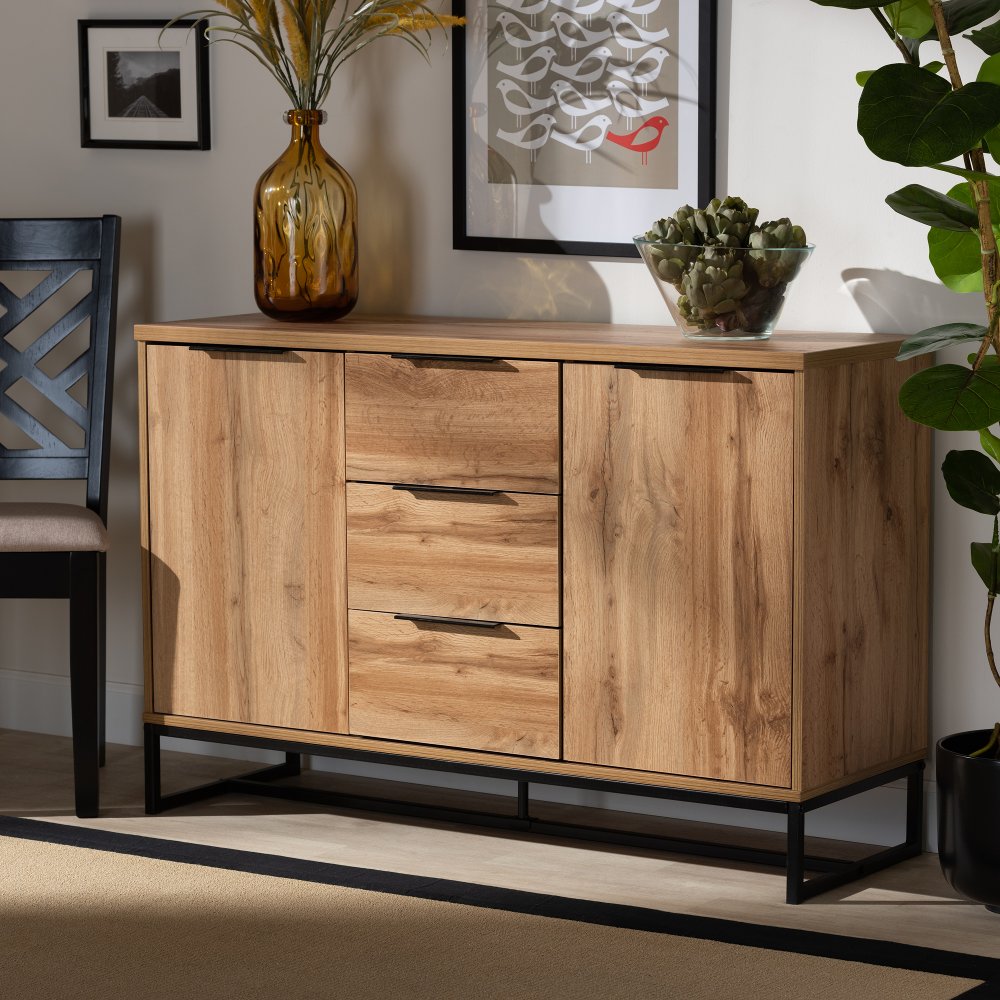
Pantry sets give everyday kitchen essentials a more organized home, with coordinated storage that can make a busy kitchen feel easier to use. In a kitchen without a built-in pantry, freestanding storage furniture can provide a dedicated place for dry goods, serving pieces, and cooking supplies. In a larger home, it can help separate food storage from the cabinets used for dishes and cookware. Depending on the design, a pantry set may bring together enclosed cabinets, shelving, and drawers, allowing different kinds of supplies to sit where they’re most useful. Cereal boxes and crackers fit neatly behind doors, while a drawer can keep kitchen linens from getting mixed in with food. The goal isn’t simply to add more storage; it’s to give the things you reach for every day a dependable place. That matters when you’re packing lunches before work, putting away groceries, or preparing dinner with someone else sharing the kitchen. A coordinated look also helps storage furniture feel like part of the room rather than an afterthought. Simple door fronts and understated hardware can blend with existing cabinetry, while wood tones can add warmth to a kitchen or adjoining dining area. Lighter finishes may keep a compact space feeling open, and darker finishes can create a defined storage area against a pale wall. If your main need is an enclosed cabinet for food and kitchen supplies, Kitchen Pantries offer another way to explore that type of storage. Think about what needs a home before choosing a layout. A household that cooks frequently may need room for ingredients and larger packages, while someone furnishing a first apartment may value a smaller footprint and flexible shelves. Either way, pantry storage works best when it supports the way you already move through your kitchen, from unloading shopping bags to finding the ingredients for a familiar recipe.
A good fit starts with the space around the furniture, not just the width of an empty wall. Measure the available width, depth, and height, then account for baseboards, nearby outlets, and the clearance needed to open doors and drawers fully. A cabinet that fits beside the refrigerator may still interfere with the refrigerator door, and a deep storage unit can narrow a walkway more than expected. Leave enough room to stand comfortably in front of the pantry and reach inside without blocking a frequently used path. Delivery and assembly deserve the same attention: doorways, tight corners, and stairways can affect how furniture reaches its intended spot. Inside the cabinet, usable shelf dimensions matter more than the outside measurements alone. Tall bottles, upright cereal boxes, and small countertop appliances all need different amounts of clearance. Adjustable shelves can make it easier to accommodate those differences, but each shelf still has a weight limit that should guide how you load it. Keep heavier supplies low, distribute weight evenly, and follow the manufacturer’s instructions for securing tall furniture to the wall, especially in homes with children or pets. Materials influence both appearance and daily upkeep. Solid wood can offer distinctive grain and lasting character, though it responds to changes in indoor humidity. Engineered wood can provide consistent surfaces and support a range of finishes; its durability depends on construction, edge protection, and how it’s used. Laminate surfaces are often practical for everyday cleanup, while painted finishes give cabinetry a clean, unified appearance. Hinges, drawer slides, shelf supports, and back-panel construction also deserve attention because these parts affect how the furniture handles repeated use. Doors should align properly, drawers should move smoothly, and shelves should feel secure when installed as directed. For a coordinated set, consider how the pieces work together in your space as well as how they look together. A balanced arrangement should leave the kitchen comfortable to use, with storage close to the tasks it supports and enough open space to move around it.
Once pantry furniture is in place, a simple arrangement can make the extra storage genuinely useful. Give frequently used foods easy-to-reach shelf space, group baking supplies together, and reserve less convenient areas for serving pieces used only occasionally. Keeping breakfast foods in one section and dinner ingredients in another can make it easier for everyone in the household to find what they need. Place newer packages behind older ones so food gets used in a sensible order, and keep labels visible rather than stacking everything into deep, hard-to-see rows. If a cabinet will hold small appliances, check the shelf capacity and measurements first. Store appliances unplugged, and move them to a suitable work surface before use unless the furniture is specifically designed to accommodate their operation. Pantry cabinets are generally intended for dry indoor storage, so choose a location away from direct splashes and follow any placement guidance related to sinks, cooking equipment, and other sources of moisture or heat. Sealed food packaging or suitable containers can help keep shelves tidy, but the furniture itself doesn’t replace proper food storage. Clean up spills promptly with a soft cloth, using only cleaning products recommended for the finish. Avoid soaking shelves or allowing water to collect along seams, where moisture can damage some materials. Check hinges and other hardware occasionally, and tighten them according to the care instructions if everyday use loosens them. For families, pantry sets can create a shared system that makes groceries easier to put away and everyday staples easier to find. For roommates, separate shelves can give each person a defined storage area. For someone setting up a smaller home, coordinated pantry furniture can hold food, table linens, and serving supplies without scattering them across several rooms. The most useful arrangement is one you can maintain without much effort. With the right proportions, dependable construction, and a layout that suits your routine, pantry storage can bring order to the kitchen while keeping the essentials within comfortable reach.
Read More