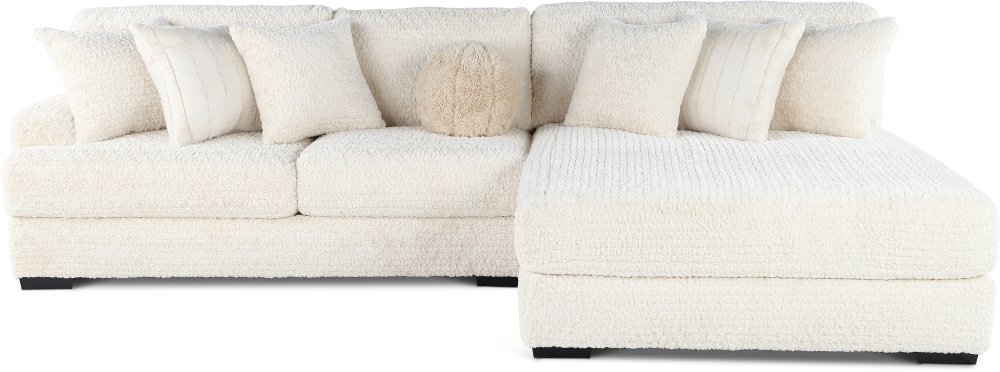
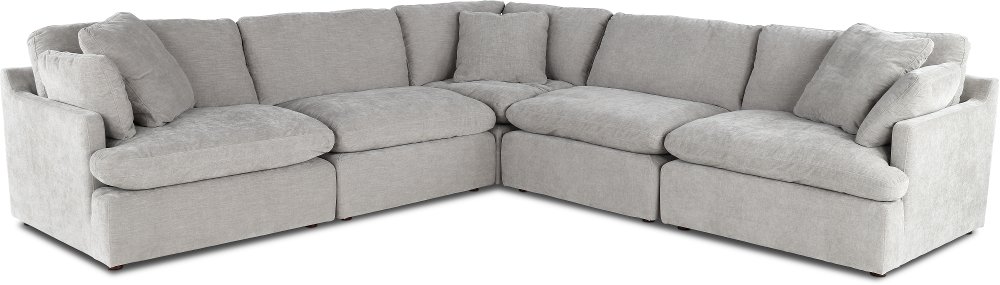
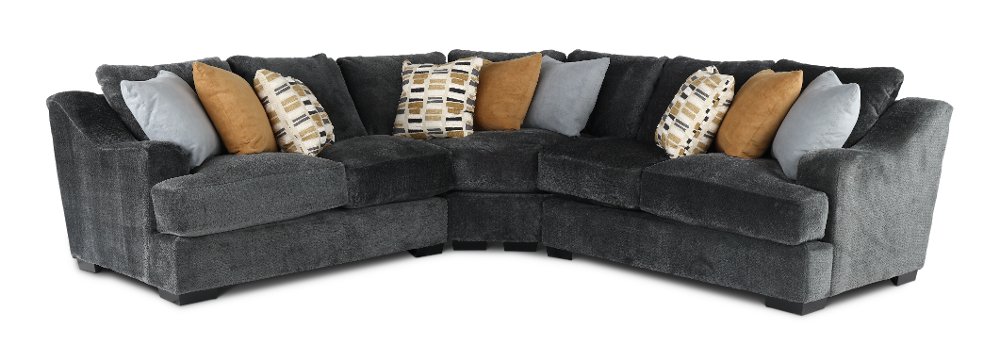
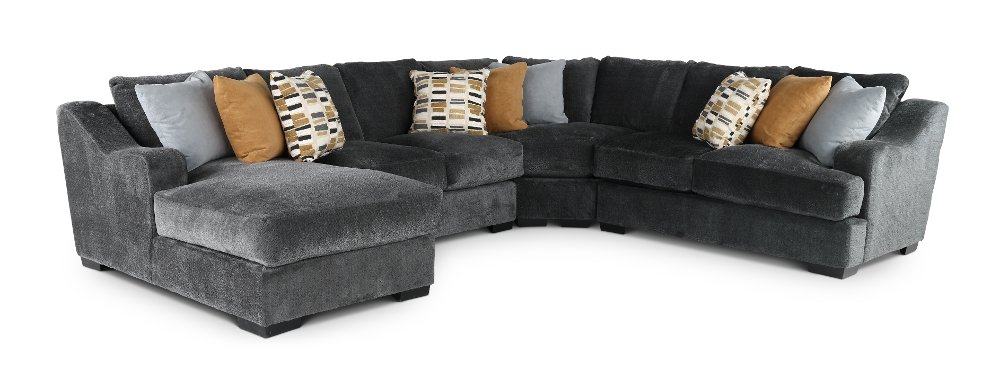
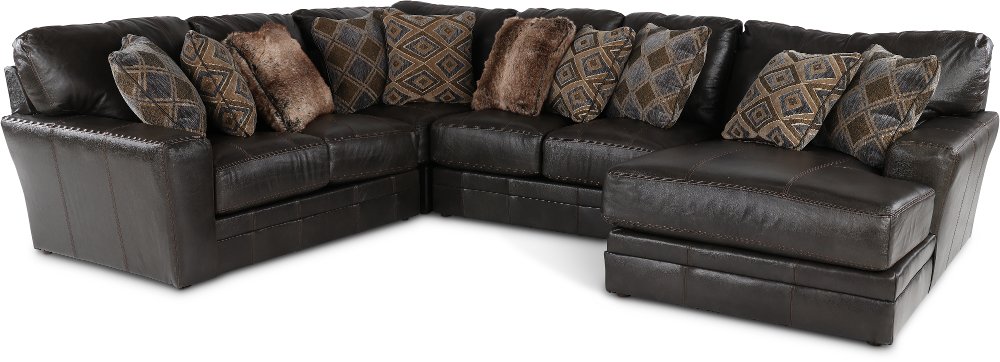
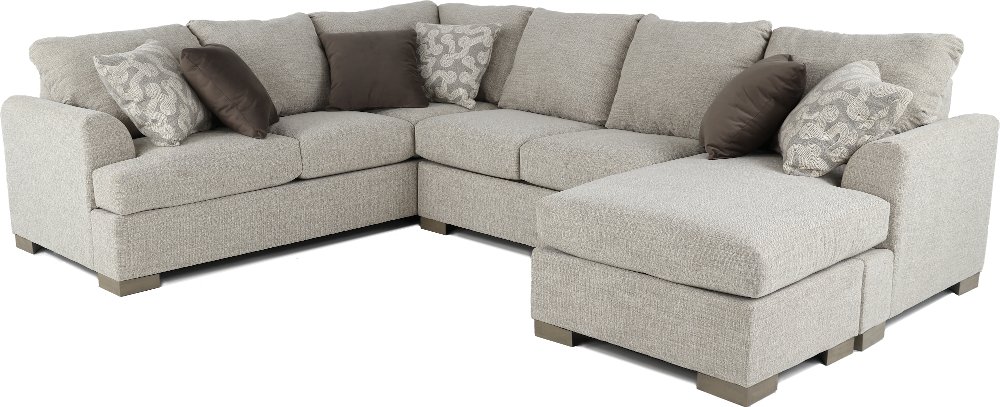
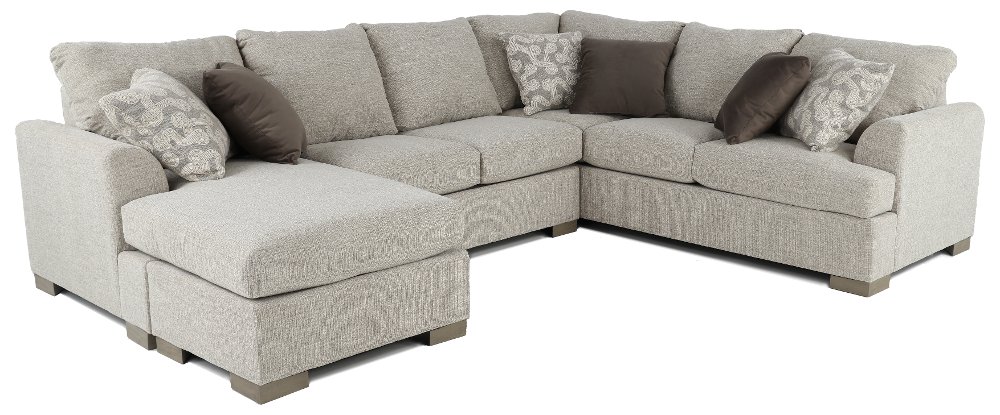
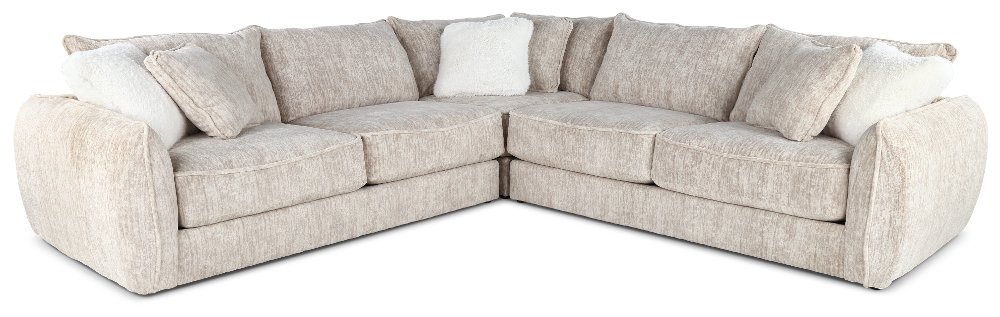
Plush sectionals are multi-piece sofas with generously padded seats, cushioned backs, and a soft, inviting feel that makes everyday lounging more comfortable. Many feature deep seating, wide arms, or an extended chaise, giving you room to stretch out with a book, settle in for a movie, or sit close for a family game night. Their defining quality is cushioning rather than size: a compact L-shaped sectional can feel just as plush as a sprawling U-shaped arrangement. The difference comes from how the upholstery, cushion fill, and underlying support work together. Foam cores provide structure, while layers of fiber, feathers, or down can add a softer surface, depending on the design. High-resiliency foam is designed to recover its shape after compression, though cushion density and overall construction also influence long-term performance. Feather- and down-blend cushions often offer a relaxed, sink-in feel and may need regular fluffing; fiber-wrapped foam can offer softness with a more tailored appearance. A comfortable seat should let you relax without making it difficult to stand back up. Deeper seats, sometimes around 24 to 28 inches or more in usable depth, suit people who like to curl their legs underneath them or recline against the back. A shallower seat may work better if you prefer sitting upright with both feet on the floor. Seat height matters, too, especially in a household where people have different heights or mobility needs. For everyday comfort, consider how the sectional will actually get used: an afternoon reading spot benefits from supportive back cushions and an arm at a comfortable height, while a shared TV area may call for several equally comfortable lounging positions. Plush doesn’t have to mean an oversized, pillow-filled silhouette, either. Clean-lined frames, gently rounded arms, and neatly upholstered cushions can bring the same welcoming comfort to a living room with a more understated style.
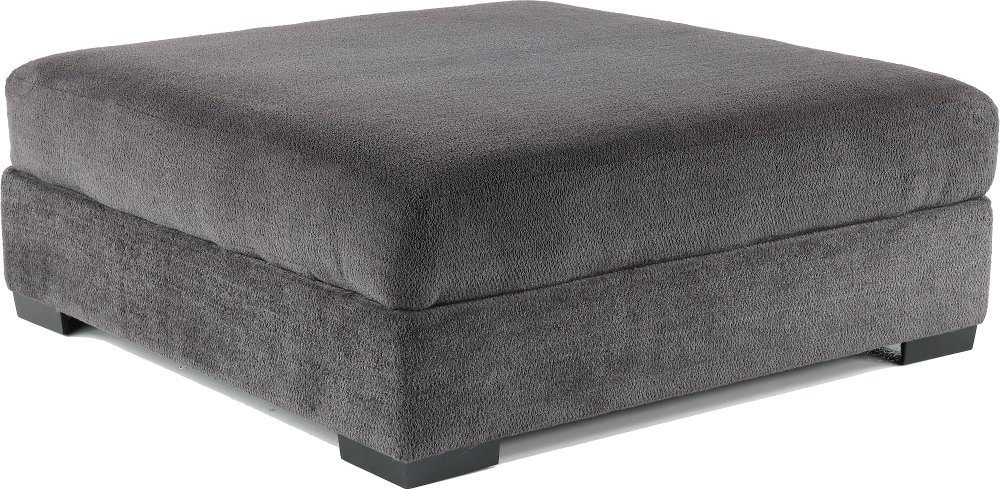
The right sectional shape makes that comfort easier to enjoy without crowding the room. An L-shaped plush sectional creates a natural corner arrangement, while a sofa-and-chaise configuration adds a place to put your feet up without extending full-height seating along both sides. A U-shaped sectional can bring people together in a larger family room, with seats that face inward for conversation as well as toward a television. Modular sectionals use separate seating units to create different layouts, but flexibility varies: some pieces can move freely, while others need specific connectors, matching sides, or designated end units. A pit-style arrangement offers a broad lounging surface that feels especially inviting for movie marathons, although reaching the center and getting back out may be less convenient than using a conventional sofa. Before choosing a configuration, measure the full footprint, including chaise extensions, and compare it with the room’s usable floor space. Painter’s tape can help you picture where the front edge, corners, and ottoman will sit. Leave comfortable walking paths to doors and adjacent rooms, and check that nearby cabinets and drawers can open fully. Roughly 30 to 36 inches is a useful starting point for a main walkway, with more space needed for some accessibility needs. A coffee table usually works best close enough to reach but far enough away to let you move your legs comfortably; around 14 to 18 inches is a common starting point. Check delivery access as carefully as room dimensions, including stair turns, elevator openings, narrow hallways, and interior doorways. Separate sectional pieces may simplify delivery, but each component still needs to fit along the route. When comparing left- and right-facing chaises, use the layout diagram and the seller’s orientation definition rather than relying on the name alone. In an open living area, the back of a sectional can also define the seating zone, so its height and finished appearance deserve attention alongside the view from the front.
Upholstery gives a plush sectional much of its character, from the subtle texture of chenille to the pronounced ridges of corduroy or the smooth feel of velvet. Fabric names describe only part of the experience; fiber content, weave, backing, and finish all affect how a covering feels and wears. A tightly woven fabric may be a practical choice for frequent use, while a loose, textured weave can be more vulnerable to snagging from pet claws. Performance fabrics may offer stain resistance or easier cleanup, but those benefits vary, and no upholstery is immune to spills, scratching, or wear. Look for clear care information that matches your household’s routines. In a room where children snack during movies or a dog claims the chaise after a walk, accessible cushion seams and straightforward cleaning instructions can matter as much as color. Leather offers a different texture and develops character with use; if that finish better suits your space, plush leather sofas offer another way to bring cushioned comfort into a seating arrangement. For any upholstery, follow the manufacturer’s cleaning directions, blot spills promptly rather than rubbing, and test permitted cleaners in an inconspicuous area. A removable cushion cover isn’t necessarily machine washable. Regular vacuuming with an appropriate upholstery attachment helps remove crumbs and grit, while rotating or flipping cushions, when the construction allows it, can distribute wear. Durability also depends on what’s beneath the fabric: secure frame joints, dependable seat suspension, and cushions suited to frequent use help support everyday comfort. Check how sectional components connect, particularly if several people will use the same corner or chaise regularly. Softer cushions may develop a lived-in appearance, so consider whether you enjoy a relaxed look or prefer cushions that hold a tidier shape. With the right balance of cushioning, support, upholstery, and room fit, a plush sectional becomes an easy place to gather, spread out, and enjoy the routines that make a living room feel like home.
Read More