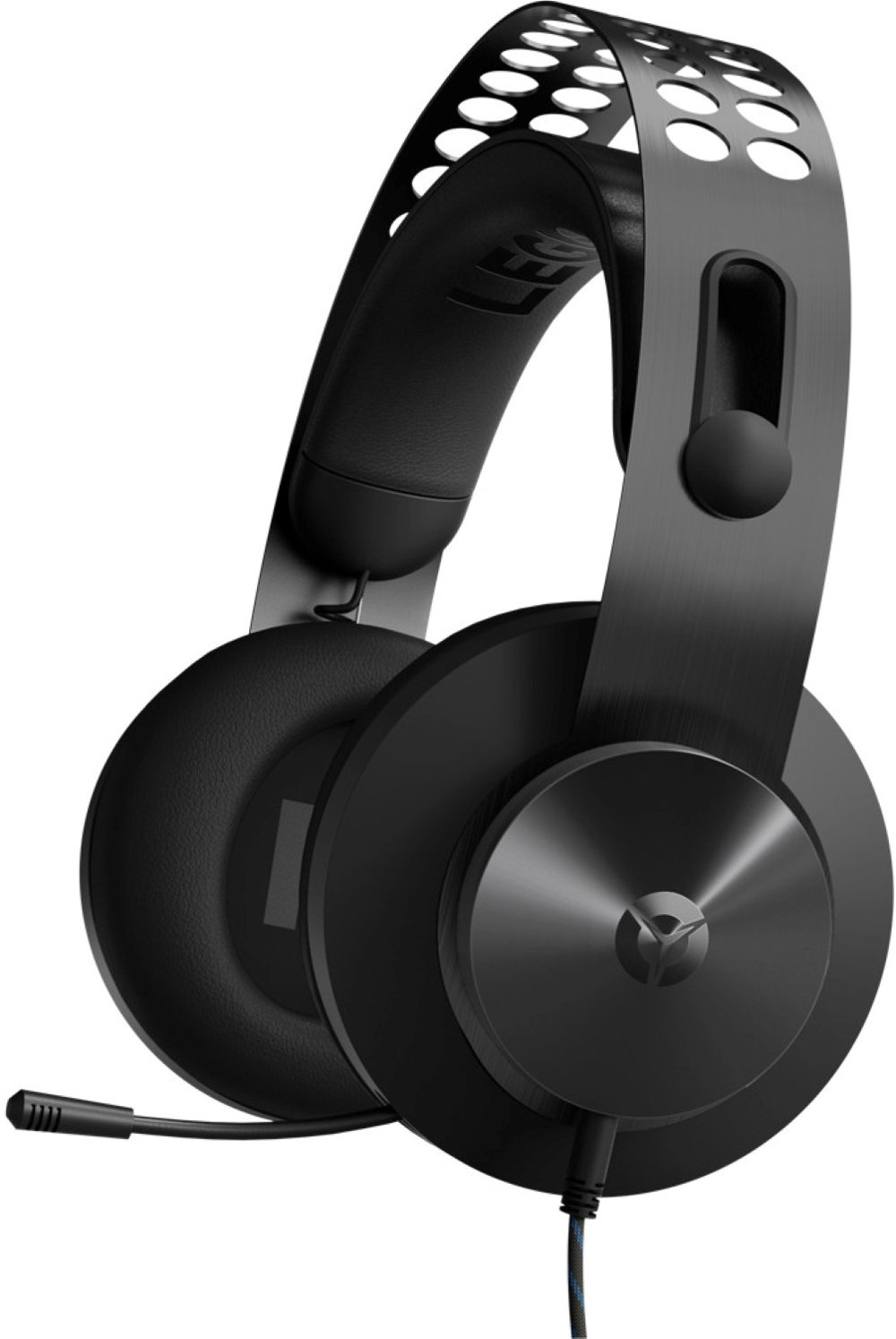
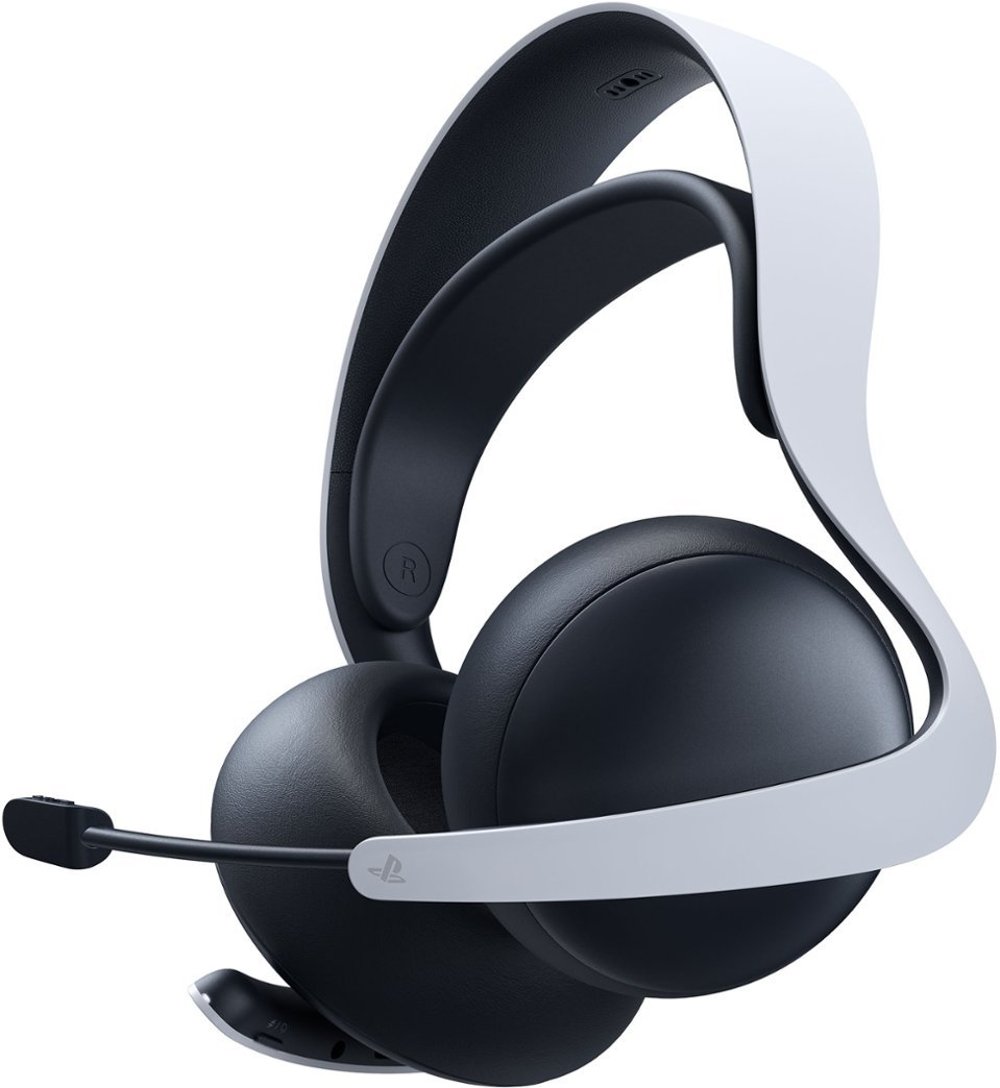
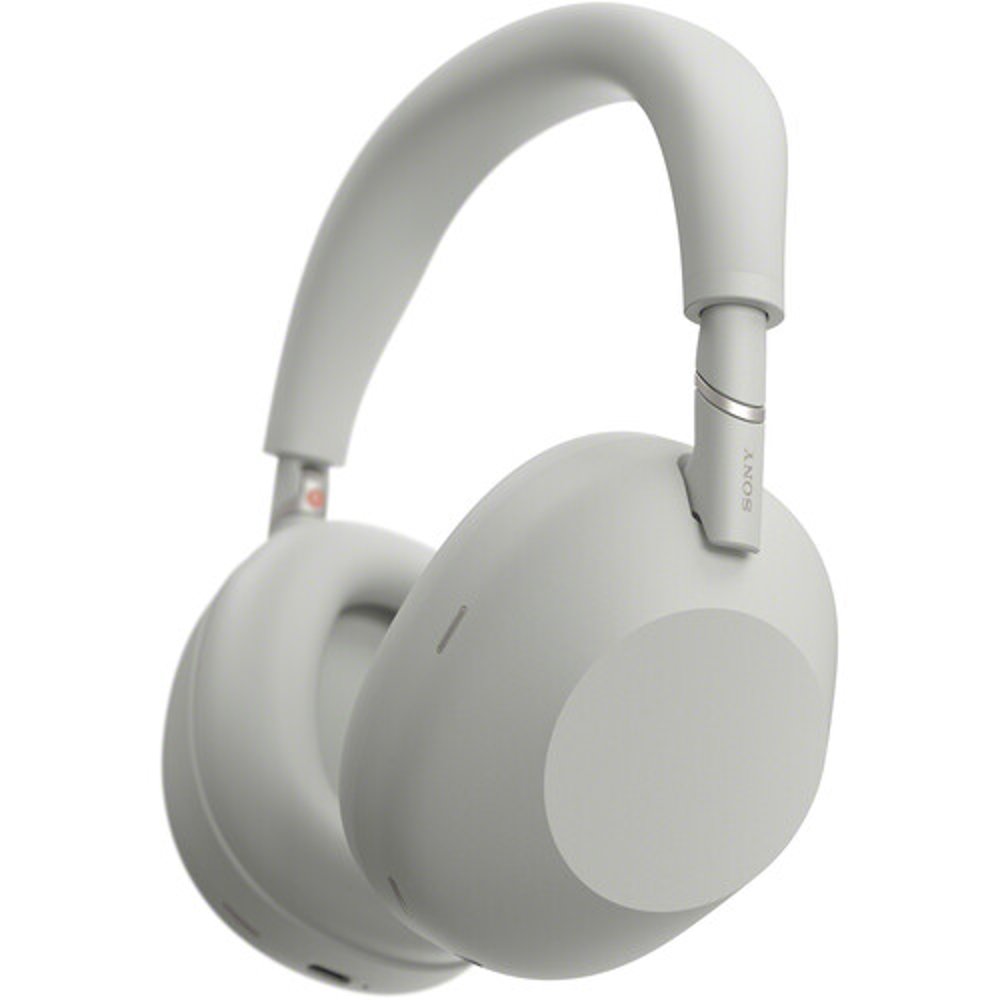
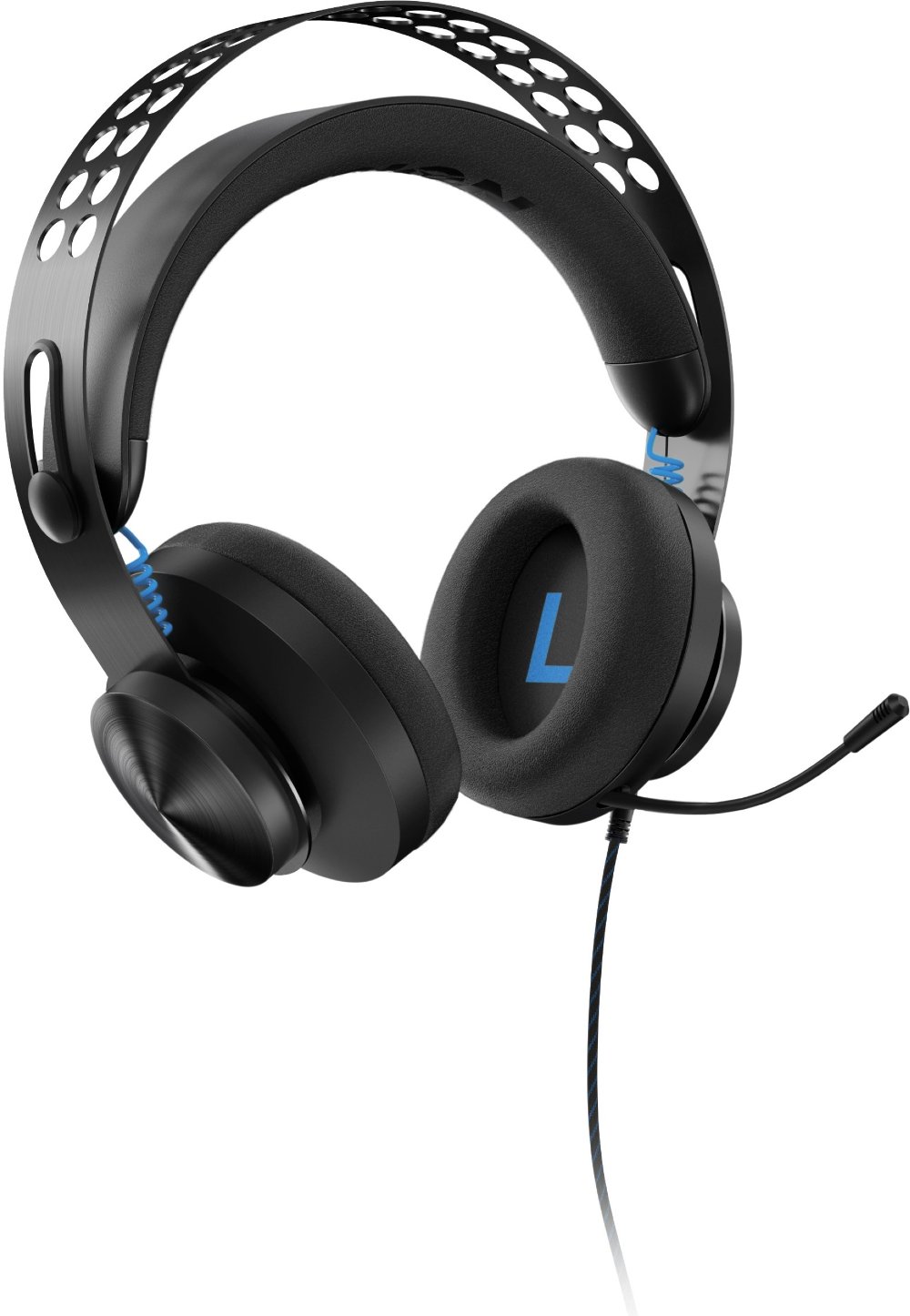
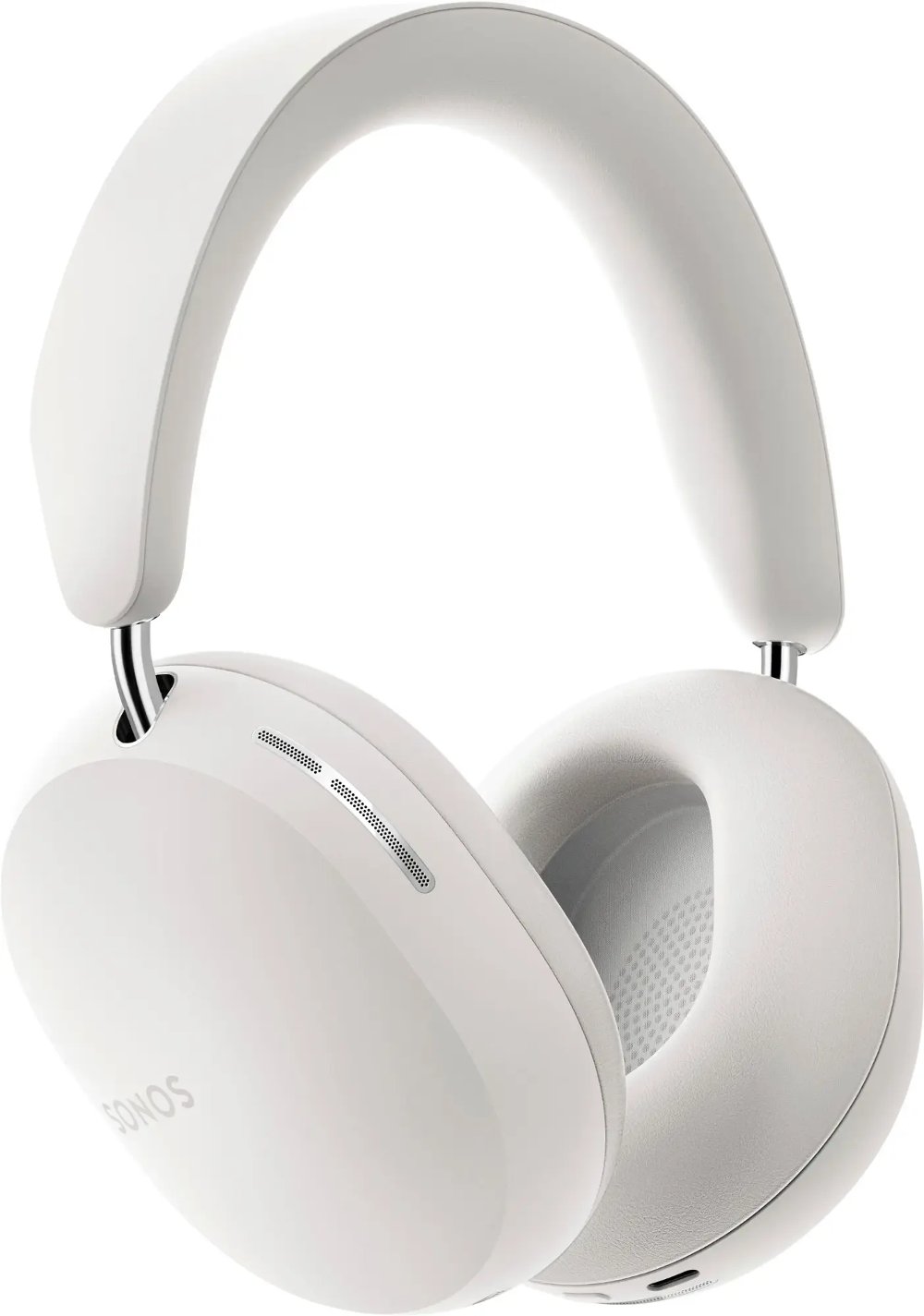
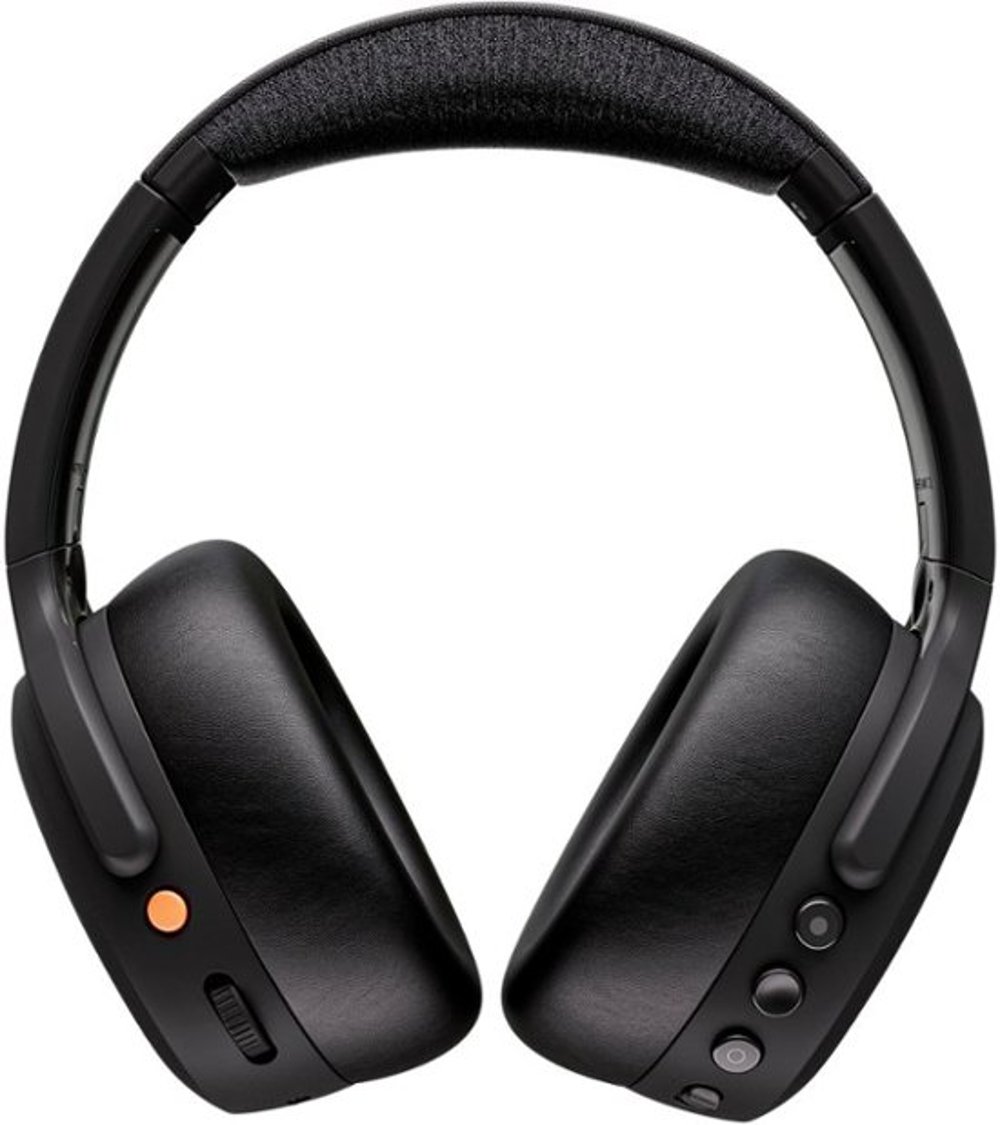
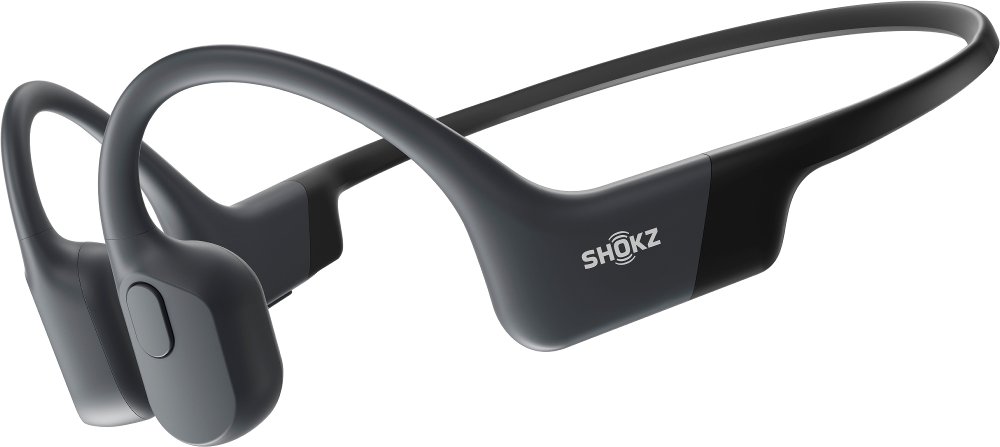
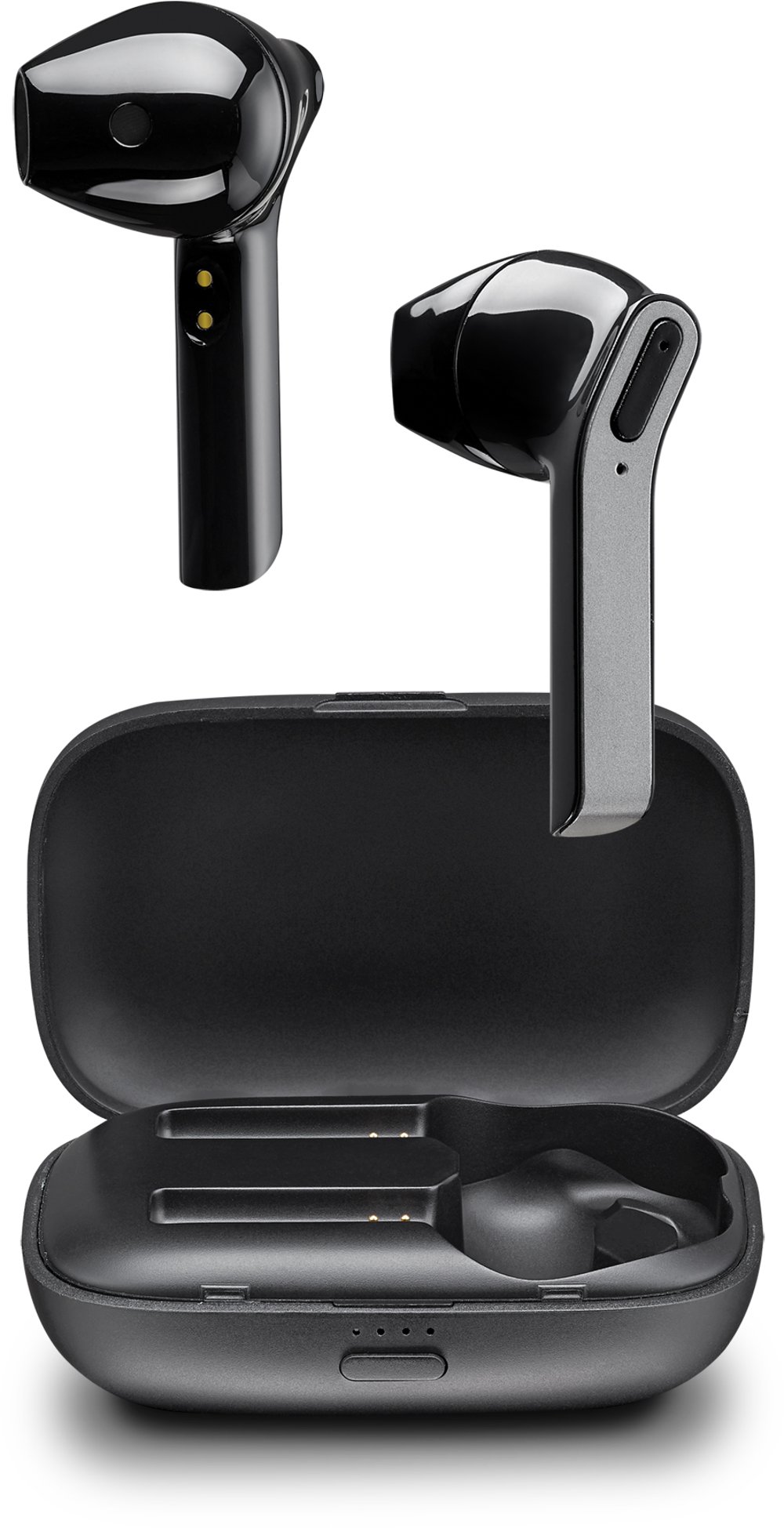
Premium headsets pair detailed sound with a comfortable fit and clear voice pickup, helping you settle into a game, follow a conversation, or enjoy a favorite album with fewer distractions. What makes a headset feel premium isn’t a single specification. It’s the way its sound, microphone, materials, controls, and connection work together during everyday use. For gaming, that can mean hearing footsteps distinctly beneath a busy soundtrack while teammates hear your voice without the clatter of a nearby keyboard. For work, it can mean natural-sounding calls and ear cushions that still feel comfortable after back-to-back meetings. For music and movies, balanced tuning helps vocals stay clear, bass feel full without becoming muddy, and quieter details come through without turning up the volume. Larger drivers alone don’t guarantee better audio; driver design, acoustic tuning, earcup construction, and fit all influence the result. Some premium headsets use dynamic drivers, while others use planar magnetic technology, but either approach depends on thoughtful engineering to sound its best. Closed-back earcups help contain sound and soften some outside noise, making them practical for shared rooms. Open-back designs let more sound pass in both directions and can create a spacious listening experience in a quiet room, though they offer little privacy from someone sitting nearby. Active noise cancellation, when included, is especially useful for reducing steady background sounds such as ventilation or engine hum. Passive isolation comes from the physical seal around your ears. Microphone noise reduction serves a different purpose: it helps reduce the background noise other people hear during your calls or chats. These distinctions matter in a home where a desk, entertainment area, and family gathering space may share the same room. The best premium headset for your routine is one that suits both what you want to hear and how you need to be heard, whether that’s quiet dialogue during a late-night movie or a quick call before dinner.
Comfort becomes especially important when a headset stays on for an entire evening or a full stretch of work. Over-ear cushions should surround your ears without pressing their edges against the driver covers, while an adjustable headband helps distribute weight across the top of your head. A suspension-style band can spread that pressure over a wider area, and swiveling earcups can help the cushions sit evenly along your jaw. Weight tells only part of the story: a slightly heavier headset with good balance may feel more comfortable than a lighter one that pinches at the temples. Glasses add another consideration because firm clamping pressure can push frames against your head, while a gap around the temples can affect the acoustic seal. Cushion materials change the experience, too. Woven fabric and velour often feel more breathable during long gaming sessions, while leather and leatherette can provide a closer seal and a smooth surface that’s easier to wipe clean. Memory foam can conform to the contours around your ears, although cushion depth, room temperature, and personal preference all affect comfort. Durable construction combines well-supported hinges, smooth adjustment points, and materials suited to repeated handling; metal reinforcement can help at stress points, but metal alone doesn’t guarantee longevity. Replaceable ear cushions, detachable cables, and serviceable components can extend a headset’s useful life when those features are part of its design. Care is usually straightforward, with the manufacturer’s instructions taking priority for each material. A soft, dry cloth is a sensible starting point for routine cleaning, and moisture should stay away from microphone openings, charging ports, and exposed drivers. Letting cushions dry after a warm afternoon, keeping cables loosely coiled, and storing the headset where it won’t get knocked off a desk can help prevent avoidable wear. A protective case is useful for a commute or a trip, especially when a headset shares a bag with chargers, notebooks, and other everyday essentials.
Connectivity determines how easily a premium headset fits into your setup. A wired connection can provide consistent audio without a charging routine, while wireless designs give you room to stand, stretch, or move around a desk without a cable catching on the chair. Neither option is universally better. A 3.5 mm plug, USB connection, dedicated wireless receiver, or Bluetooth connection may serve different devices and functions, so compatibility includes microphone support and controls as well as basic sound. Low-latency wireless connections are particularly valuable for gaming and video because they help keep what you hear aligned with what happens on screen. Bluetooth can be convenient for phones and everyday listening, although delay and audio quality vary with the connected devices, supported codecs, and whether the microphone is active. For a living-room gaming setup, console headsets focus the search on that intended use, with compatibility still worth confirming for the specific system and connection method. Wireless battery life also depends on listening volume and enabled features, including lighting and noise cancellation. Charging time, automatic sleep settings, and the ability to listen while charging can matter as much as a headline battery figure. Clear, easy-to-reach controls make everyday use smoother, especially a tactile mute button or a microphone that visibly moves out of the way. Boom microphones position voice pickup close to your mouth, while built-in microphones offer a less conspicuous appearance for commuting or video calls. Sidetone, sometimes called microphone monitoring, lets you hear some of your own voice and can help keep conversations at a natural volume when the earcups block surrounding sound. Features such as spatial audio and equalizer controls can add flexibility, but their usefulness depends on the content, software support, and your preferences. As a gift, a premium headset can suit a college student sharing a room, a remote worker who spends hours on calls, or a gamer who values both sound and comfort. Knowing the recipient’s main device, preferred fit, and typical listening space helps make it a thoughtful addition to daily life rather than another accessory that needs an adapter or a workaround.
Read More