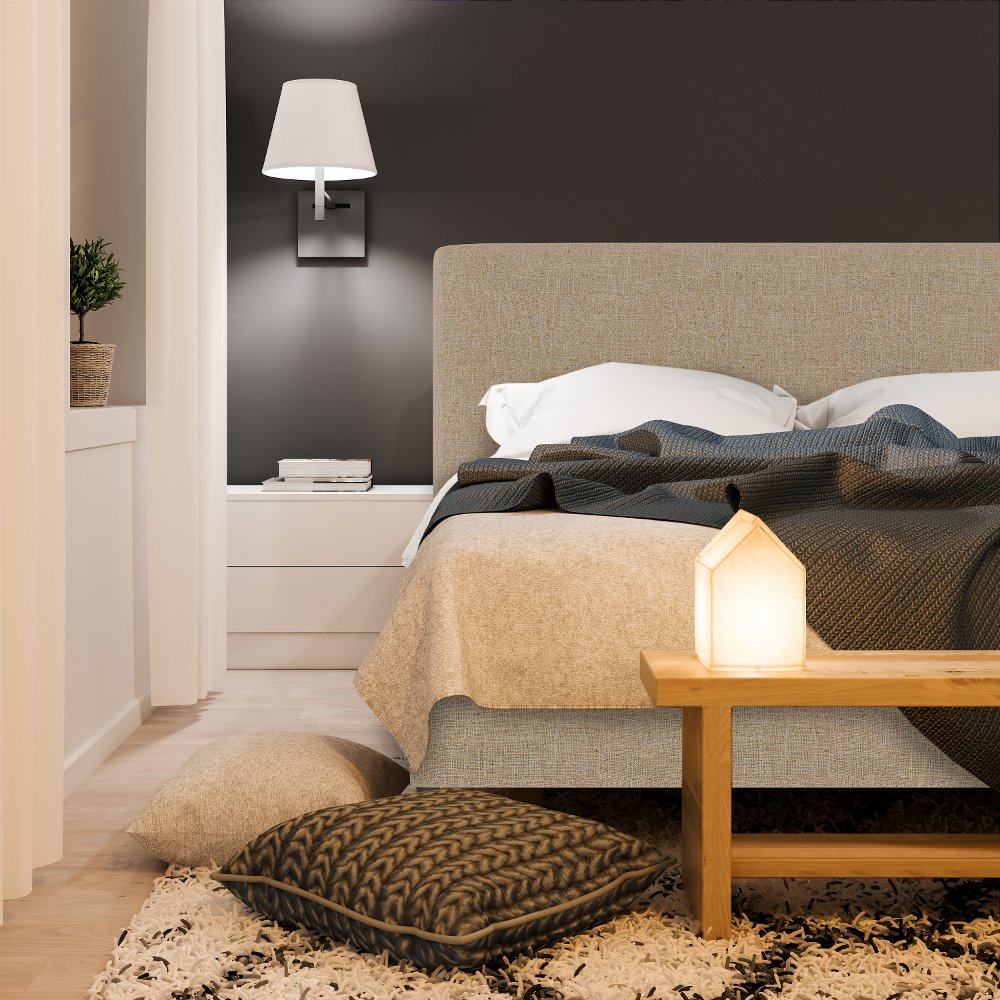
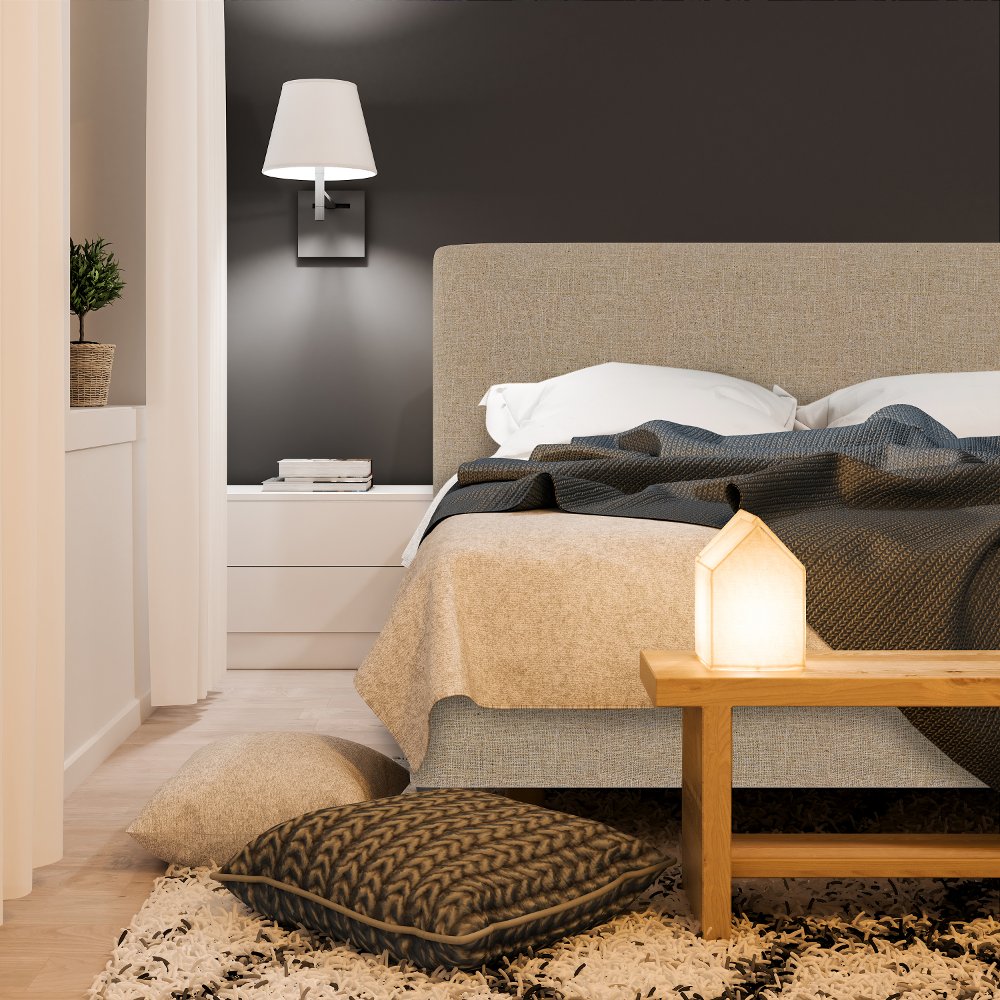
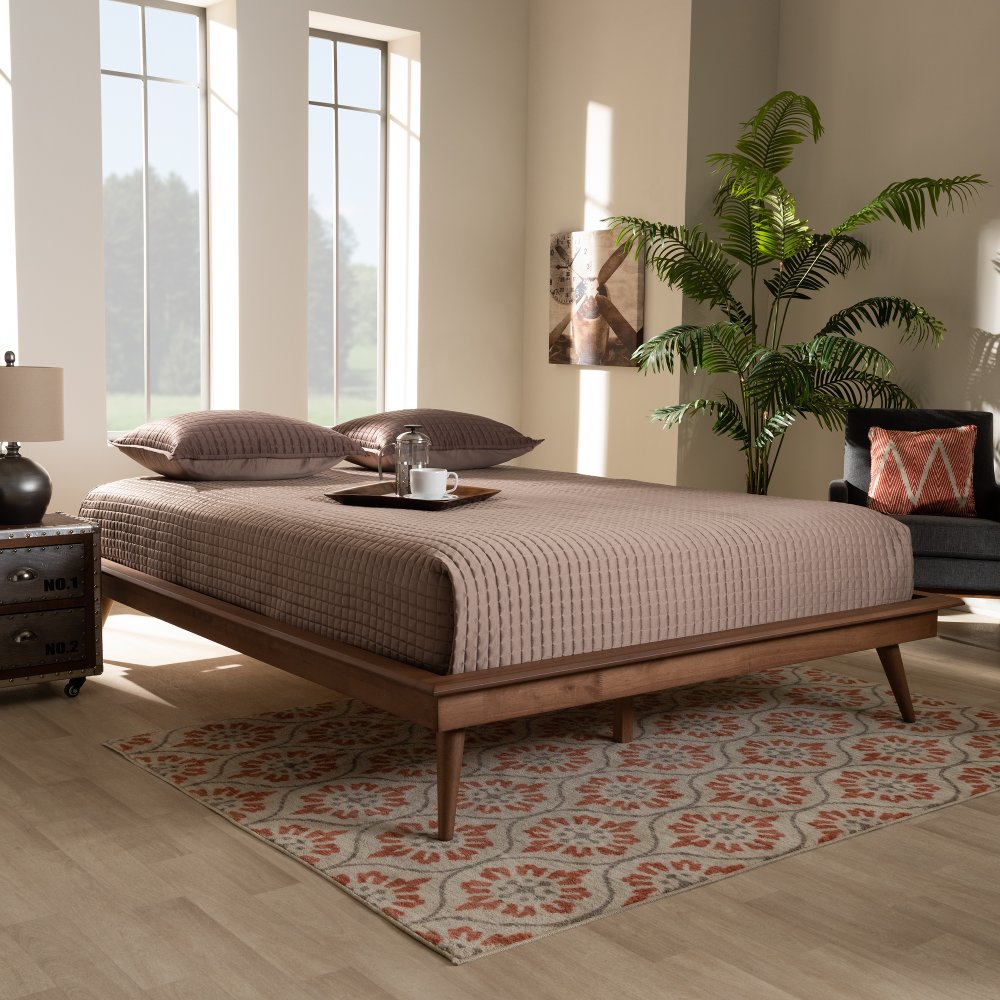
Quality platform beds combine dependable mattress support with a finished look that helps your bedroom feel pulled together. A platform bed uses a slatted or solid support surface to hold a compatible mattress, typically without a separate box spring. That simple construction creates plenty of room for personal style, from a clean-lined wood frame with visible grain to a softly upholstered bed that makes the headboard a focal point. The qualities that matter most extend beyond appearance: sturdy rails, secure joints, an appropriately designed support system, and a frame that stays stable through everyday use. Solid hardwood can bring natural character and strength, while well-constructed engineered wood offers a consistent surface for painted finishes, veneers, and contemporary designs. A veneer is a real wood surface layer, not a complete description of the frame beneath it, so the underlying construction matters, too. Metal platform beds offer another distinct look, with slim profiles that can keep a room feeling open; reinforced connections and a durable finish help them stand up to regular use. Upholstered platform beds add texture through woven fabrics and other coverings, often paired with a padded headboard that feels welcoming when you're sitting up with a book. Fabric composition, cleaning instructions, and the way upholstery wraps around corners all deserve attention, especially in a home with pets. A tightly woven covering may be easier to maintain than a loose weave that catches claws, though performance depends on the particular fabric. In a primary bedroom, a platform bed can serve as the visual anchor for nightstands, a dresser, and layered bedding. In a guest room or a teenager's bedroom, a straightforward frame can offer the same useful balance of support and style without making the space feel crowded. The best fit is a bed whose construction suits its daily workload and whose details feel at home with the way you decorate.
Mattress compatibility is central to the lasting comfort of a platform bed. Memory foam, latex, hybrid, and innerspring mattresses can have different foundation requirements, so the mattress manufacturer's specifications should guide the choice of support surface. Closely spaced slats help distribute weight and limit unsupported gaps, but there's no single spacing rule that works for every mattress. Many foam and latex models require gaps of about 3 inches or less, and some call for even closer spacing or other specific support. Slat width, thickness, attachment, and material also affect performance; narrow gaps alone don't guarantee a strong foundation. Slatted designs allow airflow beneath the mattress, while a solid deck creates continuous support and should meet the mattress maker's ventilation requirements. On wider beds, a substantial center rail and support legs, or an equivalent reinforced design, help carry weight across the frame. Stated weight capacity is another useful comparison, provided it's clear whether that figure includes the mattress as well as sleepers. A thick mattress can add considerable weight and can also change the proportions of the bed, covering more of the headboard than expected. Standard queen mattresses measure approximately 60 by 80 inches, while standard king mattresses measure approximately 76 by 80 inches; the outer frame is usually larger, particularly with padded rails or a broad headboard. For a shared bedroom with enough floor space, King Platform Beds offer room to spread out while keeping the streamlined character of a platform design. Measure the full bed footprint rather than relying on mattress size alone, leaving comfortable paths beside the bed and enough clearance for dresser drawers and closet doors. Finished sleeping height matters just as much as width. A low frame paired with a thin mattress creates a different experience from the same frame topped with a deep mattress. For someone who finds low seating difficult, a higher sleeping surface may make sitting down and standing up easier. Nightstand height should work with that finished surface, keeping a lamp, glasses, or a glass of water comfortably within reach.
Thoughtful details help a quality platform bed work harder without making the bedroom feel busy. Built-in drawers can keep spare sheets, folded blankets, or extra pillows close at hand, making storage platform beds especially useful where closet space is limited. Side drawers need room to open, so their placement should work with nearby nightstands, rugs, and walls. Footboard drawers may suit a different layout, while lift-up storage designs need clearance above the mattress and should be used according to the mechanism's operating instructions. An open frame offers another kind of flexibility, leaving space for under-bed bins and making it easier to reach beneath the bed for cleaning. Check the actual clearance if a robotic vacuum needs to pass underneath; a bed that looks airy in a photo may still have a low center brace. Headboard shape also changes how the bed feels in use. A tall upholstered back creates a substantial backdrop for pillows, while a lower wood or metal headboard can leave more wall space visible. Smooth edges and thoughtfully placed legs are welcome details along narrow walking paths. Long-term durability depends partly on proper assembly and care, not just the materials listed in a description. Secure slats, correctly installed center supports, and hardware tightened to the manufacturer's instructions help reduce movement that can lead to noise. Periodic checks can catch loosened connections before they become a daily annoyance, and lifting rather than dragging the frame helps protect joints during a room rearrangement. Wood and metal finishes generally benefit from gentle dusting and prompt attention to spills, using only cleaners approved for the surface. Upholstery may need regular vacuuming and fabric-specific spot treatment; removable covers aren't necessarily machine washable. With the right combination of materials, support, dimensions, and practical features, a platform bed becomes a dependable part of everyday life: a comfortable place to settle in, an attractive centerpiece, and a foundation that suits both your mattress and your room.
Read More