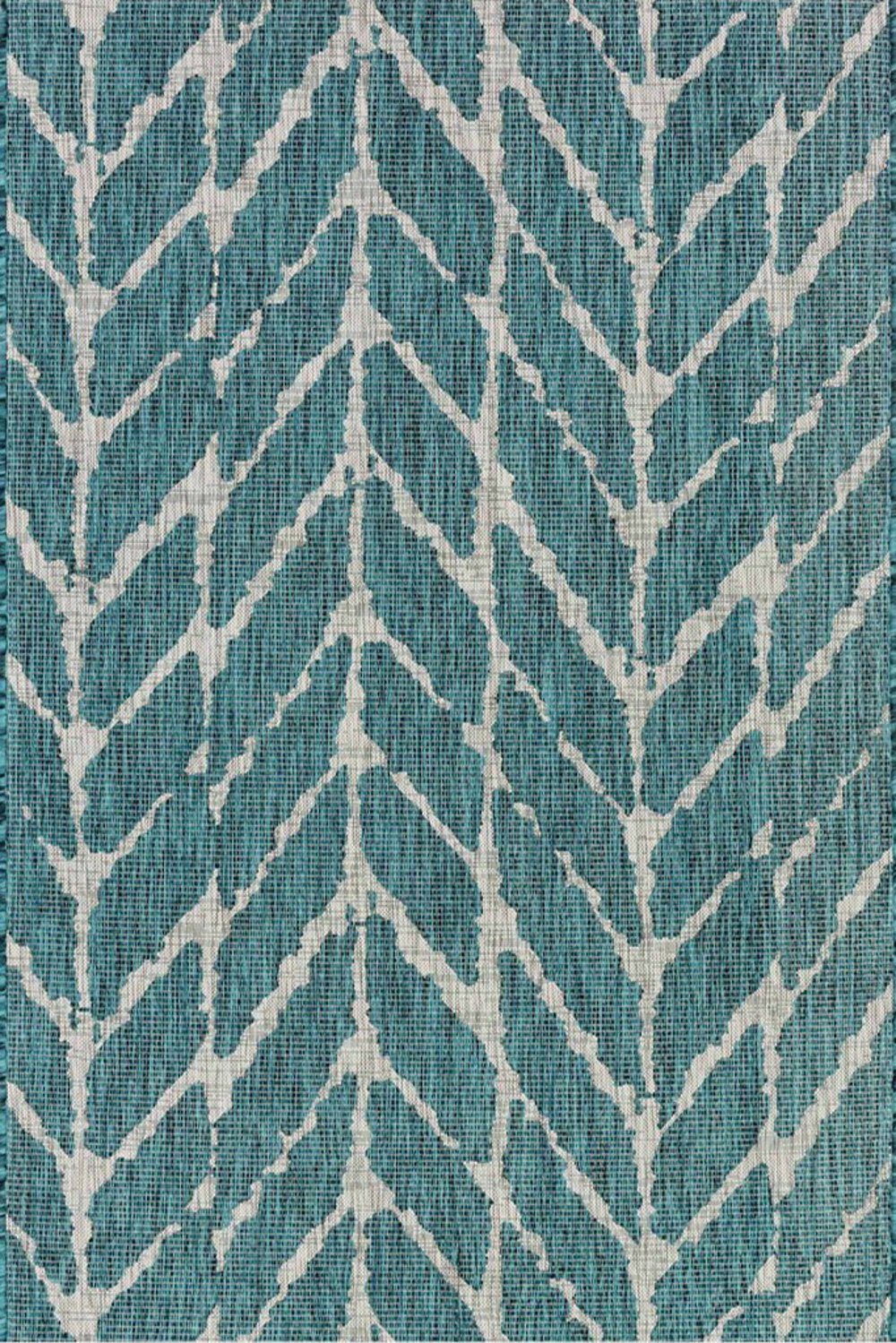
Rectangular green rugs bring color, softness, and definition to a room while working naturally with the straight lines of sofas, beds, dining tables, and hallways. Their familiar shape makes them especially useful for pulling a seating arrangement together or creating a distinct living area within an open floor plan. Green offers a broad palette, from pale mint and silvery sage to earthy olive, deep forest, and jewel-toned emerald. A sage green rug can soften the contrast between a charcoal sofa and light wood flooring, while an olive rug brings warmth to a room with cream upholstery, oak furniture, and woven baskets. Forest green adds depth without the sharp contrast of black, and emerald pairs beautifully with walnut, warm metallic accents, and crisp ivory fabrics. Undertones matter as much as the shade itself: yellow-leaning greens feel warmer beside honey-colored wood, while blue-leaning greens complement cooler grays and bright whites. Daylight and lamplight can also change how a rug looks, so the surrounding finishes and room lighting deserve a little attention. Solid green rugs keep the focus on color and texture, making them a comfortable fit alongside patterned pillows, botanical curtains, or a busy gallery wall. Tonal designs offer a similar sense of calm with more visual movement, while floral motifs, traditional medallions, and faded patterns bring character to simpler furniture arrangements. For a more structured look, green geometric area rugs introduce repeating lines, diamonds, or other shapes that echo the angles of contemporary furniture. Pattern scale influences the effect, too. Broad shapes tend to feel bolder, while smaller, lower-contrast motifs read more like texture from across the room. A green rectangular rug doesn’t require a fully coordinated green room; a landscape print, a leafy plant, or a single accent pillow can provide enough connection. The result can feel relaxed, polished, or richly layered, depending on the shade, pattern, and furnishings around it.
The right fit helps a rectangular area rug feel like part of the room rather than an isolated patch of color. In a living room, a rug that reaches beneath the front legs of the sofa and nearby chairs usually gives the seating area a more connected appearance. A smaller rug beneath only the coffee table creates a different effect and may leave the furniture feeling visually separated, particularly in a spacious room. Common dimensions such as 5 by 8 feet, 8 by 10 feet, and 9 by 12 feet offer useful starting points, but actual furniture placement matters more than the size label. Measuring the planned footprint and marking its corners with painter’s tape makes it easier to picture how much green will show around the furniture. In a dining room, the rug should extend beyond the table far enough for chairs to remain on it when pulled out; about 24 to 30 inches on each side is a common starting point, with more space sometimes needed for larger chairs. A low, tightly constructed pile helps chair legs move more easily and makes crumbs less likely to settle deep into the surface. Bedrooms benefit from a rectangular rug that extends past the sides and foot of the bed, placing a softer surface where bare feet land. The dimensions of the bed, nightstands, and surrounding walkways help determine whether the rug belongs beneath the entire arrangement or just the lower portion of the bed. In narrow spaces, an elongated rectangle can add comfort and color without filling the floor from wall to wall. Door clearance is important in entryways, and a home office needs a surface that works with a rolling chair or a compatible chair mat. Across these settings, a properly sized rug pad suited to both the rug and flooring helps limit shifting, adds cushioning, and supports everyday comfort. An even border of visible flooring also gives the arrangement a balanced, intentional finish.
Materials and construction shape how rectangular green rugs feel underfoot, handle daily traffic, and respond to cleaning. Wool is valued for its resilient fibers, comfortable texture, and lasting appeal in living rooms and bedrooms. It can shed, especially when new, and benefits from vacuuming and spot treatment that follow the manufacturer’s directions. Cotton often provides a lighter, more relaxed texture that suits casual rooms, though washability depends on the complete rug construction, not simply the fiber. Synthetic materials such as polypropylene, polyester, and nylon offer different combinations of softness, stain resistance, and wear performance. Polypropylene resists moisture absorption, polyester often has a soft feel and holds color well, and nylon is known for resilience under repeated foot traffic. No material makes a rug completely stain-proof or maintenance-free, and pile density, backing, edge finishing, and cleaning requirements all influence how it holds up. Flatweave and low-pile green rugs generally work well where people walk frequently, dining chairs move, or pet hair needs regular removal. A plush pile adds a cozy feel beside a bed or beneath a lounge area, although its deeper texture can take more effort to vacuum. Homes with cats may benefit from considering whether claws could catch in prominent loops, while households with young children may prioritize a low pile and clearly stated cleaning instructions. A machine-washable rug can be useful for everyday messes, provided its size and weight fit the washer’s capacity and the care label permits the intended wash and drying settings. Spills are best blotted promptly with a clean cloth rather than rubbed, and any cleaner should be tested in an inconspicuous spot. Regular vacuuming with an appropriate setting, occasional rotation, and attention to prolonged direct sunlight help preserve an even appearance. For covered patios or other outdoor spaces, only rugs specifically labeled for outdoor use belong there. Matching the material to the setting lets the color do its job beautifully, whether that means a peaceful sage bedroom, an olive-toned family room, or an emerald accent beneath a favorite reading chair.
Read More