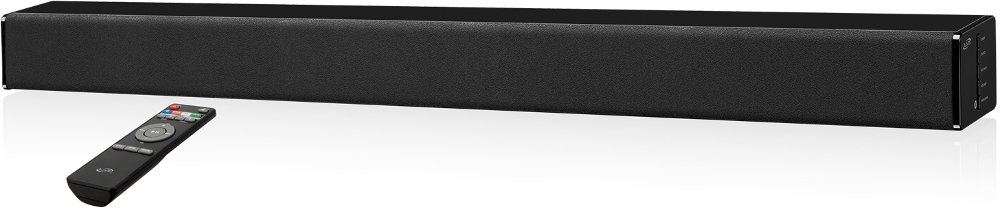
Remote control TVs let you adjust volume, change channels, switch inputs, and navigate entertainment without leaving your seat. That convenience matters whether you’re settling into a movie, checking the score while making dinner, or helping a family member find a favorite show. The best fit combines a screen that suits your room with controls that feel comfortable in your hand. A clearly marked power button, easy-to-find volume controls, and a straightforward directional pad can make everyday viewing simpler than a remote crowded with small, similar-looking buttons. Some remotes include number keys for traditional channel selection, while others favor a compact layout with shortcuts to connected entertainment services. Consider how you actually watch: a household that uses a cable box may want different controls than someone who mostly opens streaming apps on the TV. Button spacing, readable labels, and tactile differences also matter for viewers with limited vision or hand mobility. A remote that feels easy to use in a bright showroom should still be comfortable to operate from the couch with the lights dimmed. Screen selection deserves the same attention. A larger display can make movies and sports more immersive, but it should suit your seating distance and leave room for the furniture around it. Picture resolution, contrast, and viewing angles help determine how clear and consistent the image looks from your favorite chair or the far end of a sectional. In a room with several seating positions, off-center picture quality can matter as much as screen size. Reflections from windows and lamps may affect where the television belongs, too. Built-in speakers can work well for everyday programs, while a separate soundbar may help dialogue sound clearer in a larger room. Remote control convenience is most useful when the screen, sound, seating, and controls all support the way your household relaxes.
A lost or broken TV remote doesn’t necessarily mean replacing the television. A compatible model-specific replacement or universal remote can restore everyday control, and some smart TVs also support a phone-based remote through an official app. Compatibility is the deciding factor: the television’s model information helps identify which replacements support power, volume, input selection, menus, and other functions. A universal remote may handle basic commands successfully without offering every shortcut or advanced feature found on the original controller. Some universal remotes are preprogrammed for compatible televisions; others require a setup code or another configuration method. Infrared remotes generally need a clear path toward the TV’s receiver, so a decorative object placed in front of the sensor can interfere with an otherwise working remote. Bluetooth or other wireless remotes may work without direct line of sight, but they can require pairing with the television. Voice input and certain smart features often depend on that wireless connection, which makes matching the replacement to the TV especially important. Phone control offers another option when supported by the television and its operating system. Many official TV remote apps require the phone and television to share a Wi-Fi network, and initial connection may involve confirming a code displayed on the screen. Some setups also require approval on the TV, so a phone isn’t always an immediate substitute when the original remote is missing. A physical controller remains useful for guests, children, and anyone who prefers familiar buttons over opening an app. For households that want another way to search for entertainment, TVs With Voice Control can offer compatible voice features for tasks such as finding a program or adjusting settings, depending on the television. When a cable box, streaming player, or soundbar joins the setup, supported device-control features may reduce the number of remotes on the coffee table. HDMI control features can coordinate certain commands between compatible devices, though the exact functions depend on the equipment and settings.
The television’s physical fit and construction matter long after the first movie night. Measure the space on the media console as well as the screen opening, especially if the TV will sit between shelves or inside an entertainment center. Advertised screen size describes the diagonal measurement, not the full width of the cabinet or the spacing between its stand legs. A console needs enough depth and width to support the television securely, with room for cables and the ventilation clearances specified by the manufacturer. Wall mounting calls for a compatible mounting pattern, a bracket rated for the TV’s weight, and secure attachment appropriate for the wall. Plan access to outlets and connection ports before installation so plugging in a game console or another device doesn’t become an awkward reach behind the screen. Television housings commonly use molded plastic and may incorporate metal framing or trim; those materials help shape the set’s weight and profile, but the display surface still needs gentle treatment. Follow the manufacturer’s cleaning directions and use a soft, clean microfiber cloth rather than rough paper towels or household glass cleaner. Avoid spraying liquid directly onto the screen, and keep pressure light when removing fingerprints. Remotes face a different kind of wear: repeated button presses, occasional drops, and crumbs between the keys. A secure battery cover, comfortable grip, and accessible battery compartment are practical details worth noticing. Keep drinks away from both the remote and the television, and follow the remote’s care instructions when cleaning around its buttons. Batteries may need replacing when commands become inconsistent; rechargeable controllers need their recommended charging method. In homes with young children or pets, secure the television according to its installation instructions and keep small batteries out of reach. A TV can make a thoughtful housewarming or shared-household gift when its dimensions, connections, and controls match the recipient’s space and habits. For a first apartment, a family room, or a quieter bedroom setup, a well-matched television and remote can make everyday entertainment feel familiar, comfortable, and easy to enjoy.
Read More