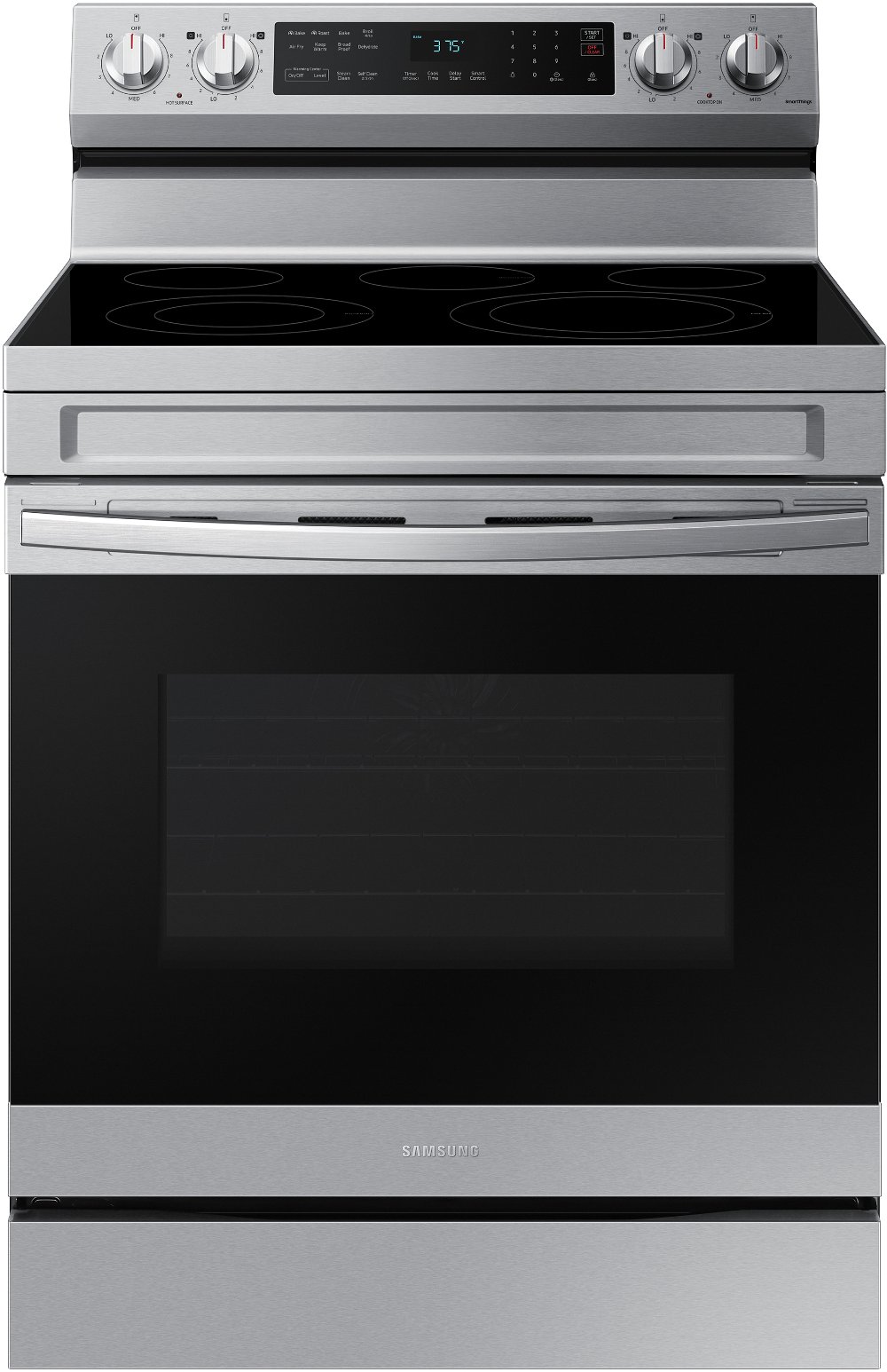
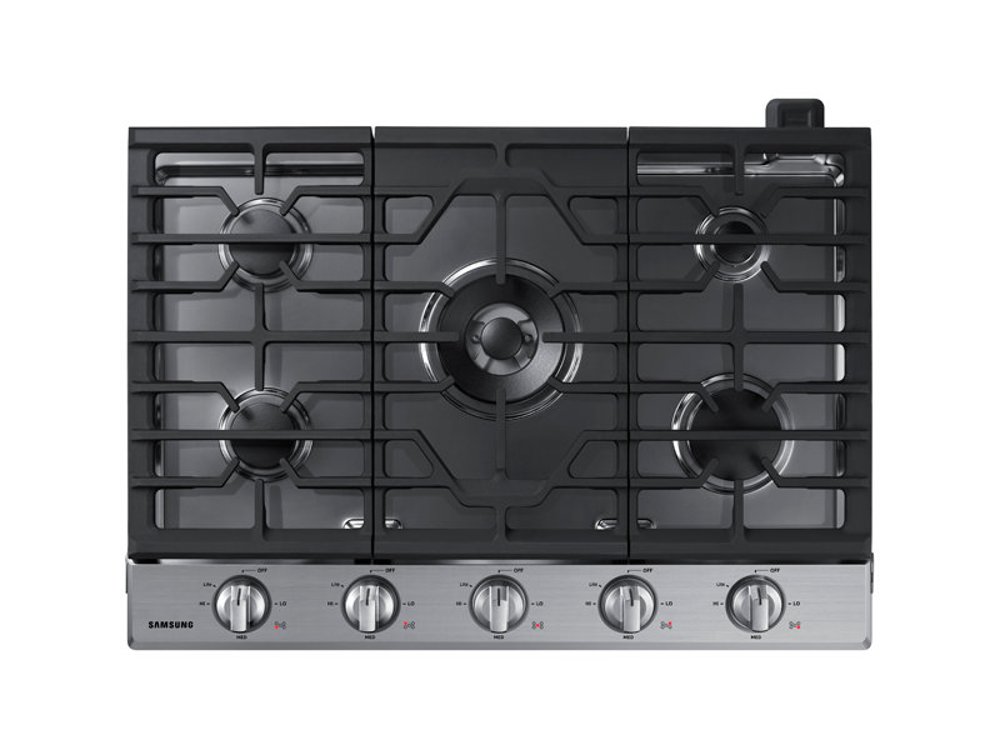
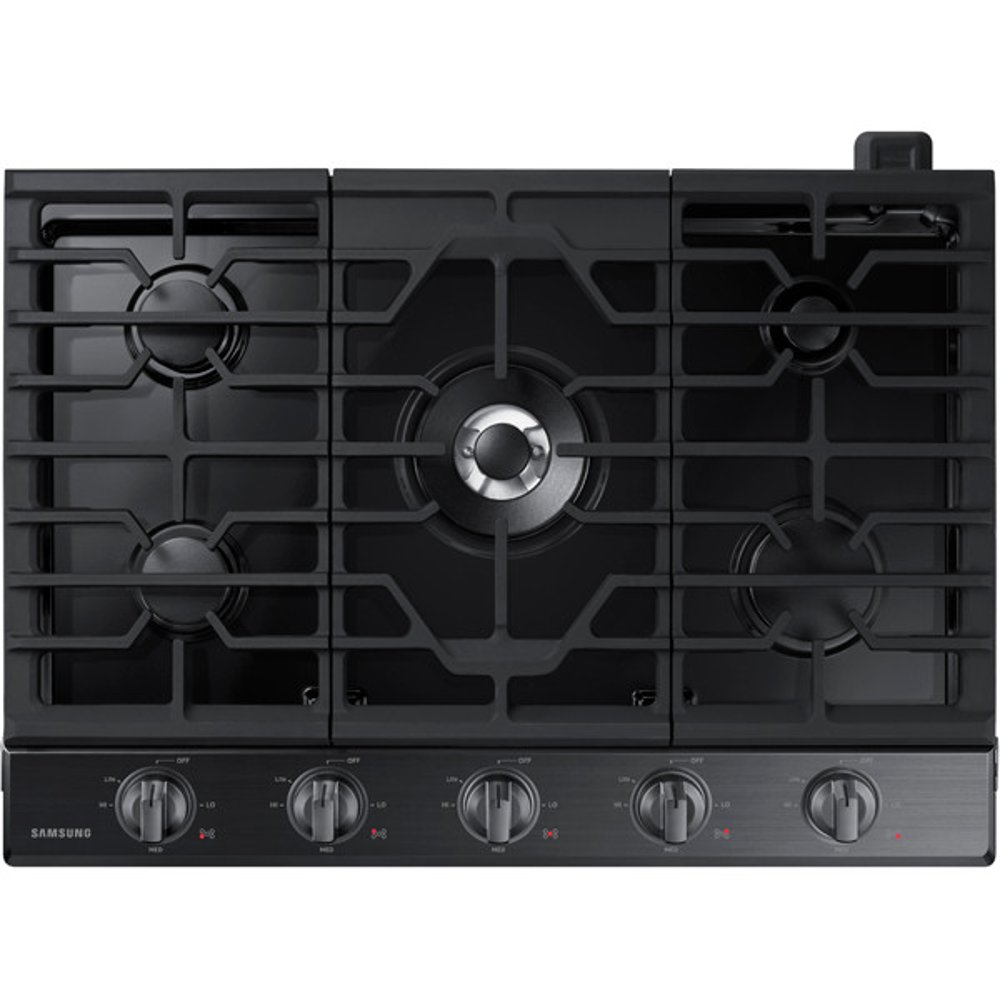
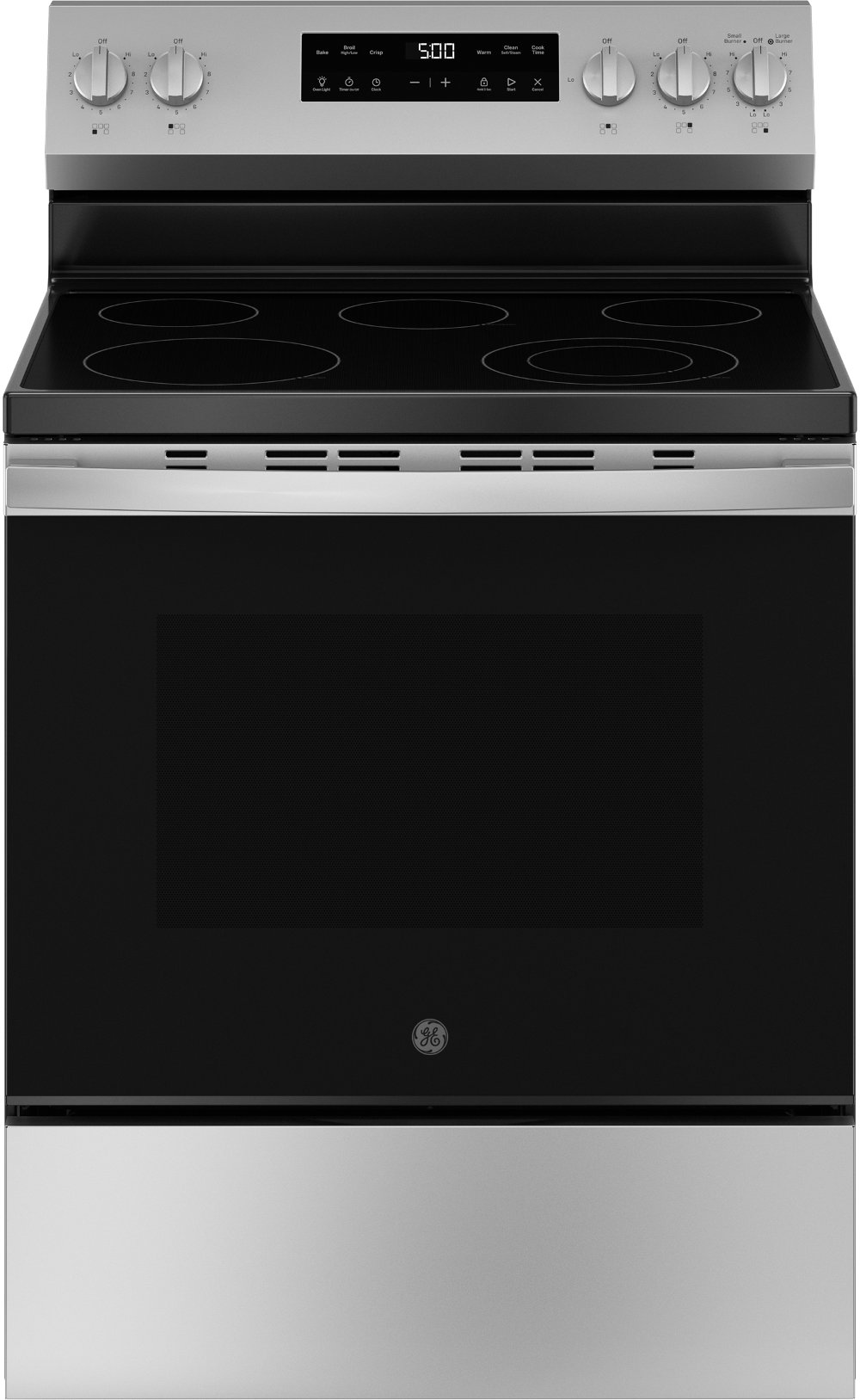
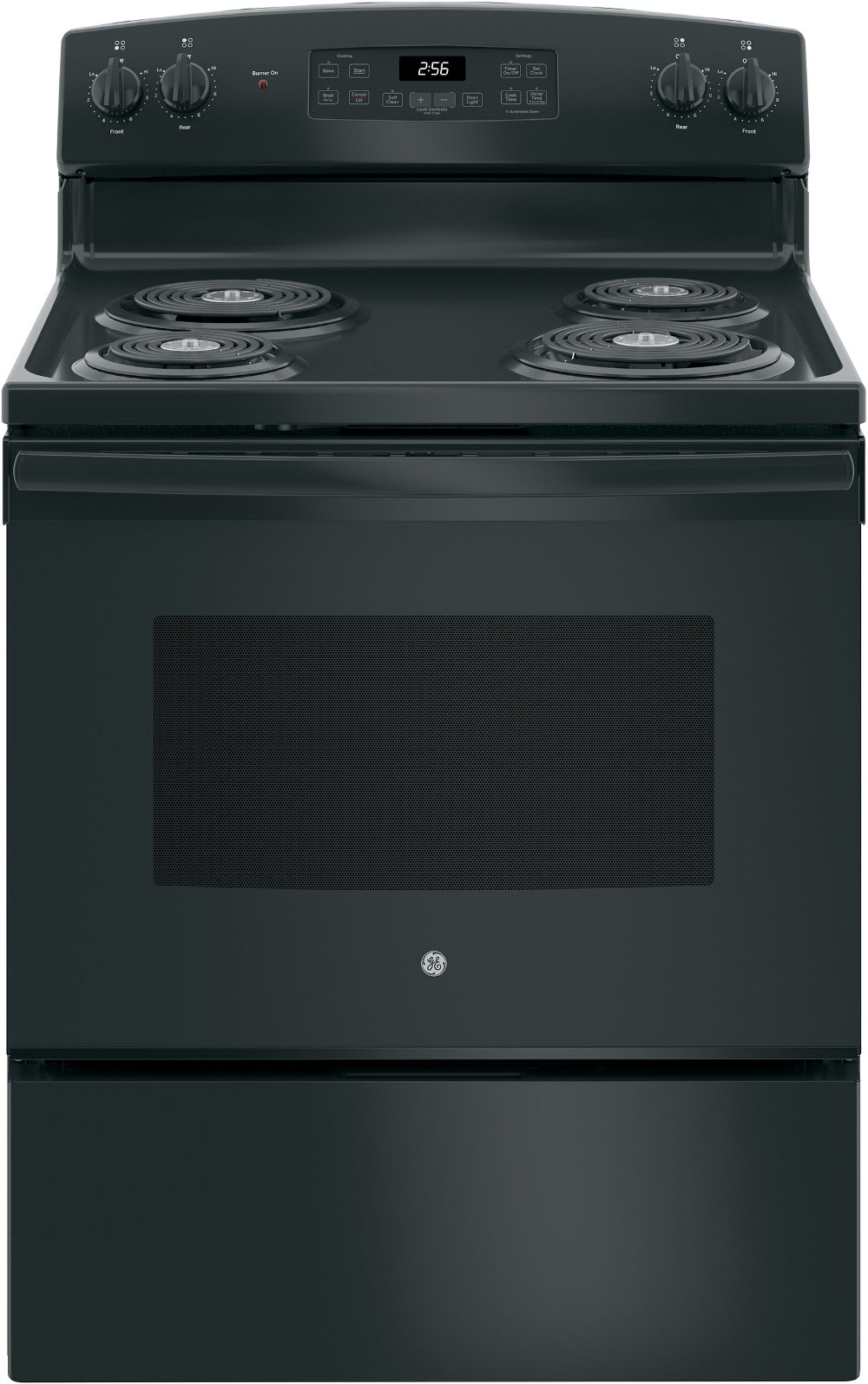
A kitchen stove brings everyday cooking together, from the first pot of oatmeal to a sheet pan of roasted vegetables at dinner. Often called a range, this appliance combines a cooktop and an oven in one unit, giving you a central place to simmer, sauté, bake, and broil. Gas, electric, and induction ranges offer different cooking experiences, while freestanding and slide-in designs suit different kitchen layouts. Gas burners provide a visible flame and responsive heat adjustment, useful when a sauce needs to drop quickly from a boil to a gentle simmer. Conventional electric cooktops heat through elements, often beneath a smooth glass-ceramic surface that creates a clean, continuous look. Induction cooktops use magnetic energy to heat compatible cookware directly, offering responsive temperature changes without an open flame. Their surfaces can still become hot from contact with a heated pan, so safe handling matters with every fuel type. For induction, cookware needs a magnetic base; a magnet that sticks firmly to the bottom is a useful first check, though the cookware manufacturer’s compatibility information is the better confirmation. Cast iron and many stainless steel pans work with induction, while plain aluminum and copper generally require a compatible magnetic base. The best match depends on what you cook and how your household moves through the day. A busy family might value enough cooktop space for pasta, vegetables, and a skillet at once. Someone cooking for one or two may care more about steady low heat and an oven that comfortably holds a favorite baking dish. Frequent hosts benefit from flexible burner or element layouts that accommodate larger pans without crowding neighboring cookware. During the cooler months, a well-suited range makes room for both a long-simmering soup and a tray of bread warming in the oven, keeping the cooking process comfortable rather than cramped.
Fit involves more than finding an appliance with the right width. Many household ranges are designed for an opening around 30 inches wide, but the exact appliance dimensions, required clearances, and installation instructions determine whether a range belongs in your kitchen. Height, depth, handle projection, and the space needed to open the oven door all affect daily use. A door that clears an island comfortably makes it easier to lift out a heavy casserole without turning sideways. Freestanding ranges typically have finished sides and often feature a raised rear control panel, while slide-in ranges generally place controls at the front for a more integrated appearance. Construction varies, so a slide-in design doesn’t automatically mean the appliance overlaps the countertop or fits an existing opening without adjustment. The backsplash, nearby drawers, and utility connections deserve the same attention as the cabinet opening. Gas ranges require a suitable gas connection and usually an electrical connection as well; conventional electric and induction ranges require an electrical supply that meets their installation specifications. Changing fuel types may involve work by a qualified installer or electrician. Proper ventilation helps manage cooking heat, moisture, odors, and airborne grease, and an installed anti-tip bracket is an important safety requirement for a range. For kitchens built around a separate wall oven, Kitchen Stovetops provide another way to arrange the cooking area without combining both functions in one appliance. Inside a range, usable oven space matters as much as the stated capacity. Rack positions, interior dimensions, and clearance around bakeware influence whether two cookie sheets or a tall roasting pan fit comfortably. Some oven configurations provide separate cooking zones or cavities for preparing dishes at different temperatures, although each space has its own size and operating limits. For households balancing a vegetable side with a main dish, that flexibility can be useful, provided the smaller cooking spaces accommodate the pans used most often.
Cooking features feel most useful when they support familiar meals instead of adding extra steps. Convection uses a fan to circulate hot air through the oven, which can support more even cooking and browning; recipes may need time or temperature adjustments according to the appliance instructions. An air-fry setting uses circulating heat for foods such as potato wedges or breaded vegetables, with results depending on spacing, cookware, and preparation. It doesn’t eliminate the need to turn food or manage drips, and crowded trays can limit crisping. On the cooktop, a higher-output burner or element can help bring a large pot to a boil, while a lower-heat setting supports melting chocolate or keeping a sauce warm. An integrated griddle can add a convenient surface for pancakes or toasted sandwiches, but its size and care requirements should suit your routine. Connected features, where included, may provide oven status, cooking notifications, or certain remote functions through a compatible app. Capabilities and safety restrictions vary, and a phone connection never replaces supervision of active cooking. The appliance’s materials also shape everyday ownership. Stainless steel exteriors offer a versatile look, while coated finishes may help reduce visible fingerprints without eliminating cleaning. Glass-ceramic cooktops provide a smooth surface for wiping away spills, but they aren’t scratchproof; lifting heavy pans instead of sliding them helps protect the finish. Gas grates and burner caps need cleaning methods appropriate to their materials, and burner components should be correctly positioned and dry before use. Oven interiors commonly use porcelain enamel, with cleaning options that may include steam cleaning or a high-temperature self-cleaning cycle. Steam cleaning generally suits lighter residue, while other cleaning cycles have specific preparation, ventilation, and rack-removal requirements. Following the care instructions, using compatible cleaners, and addressing spills as directed help preserve both appearance and performance. Clear controls, readable settings, easy-to-reach racks, and manageable grate weight can matter just as much as an extra cooking mode. A range that fits your space, cookware, and habits gives everyday meals a dependable place to begin.
Read More