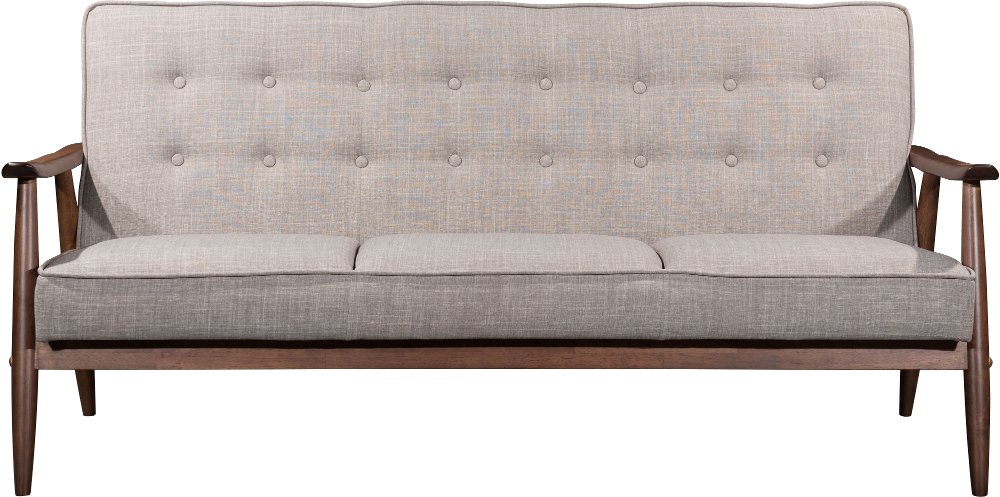
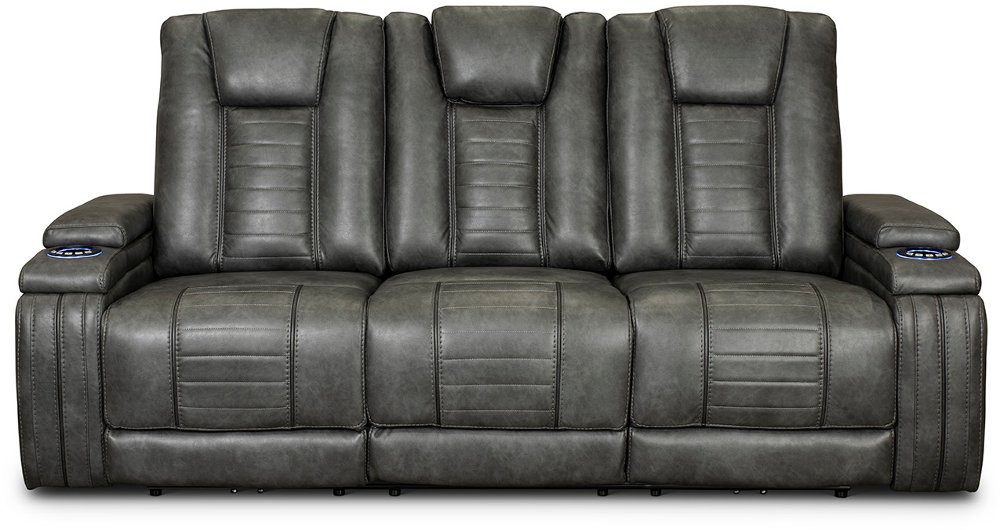
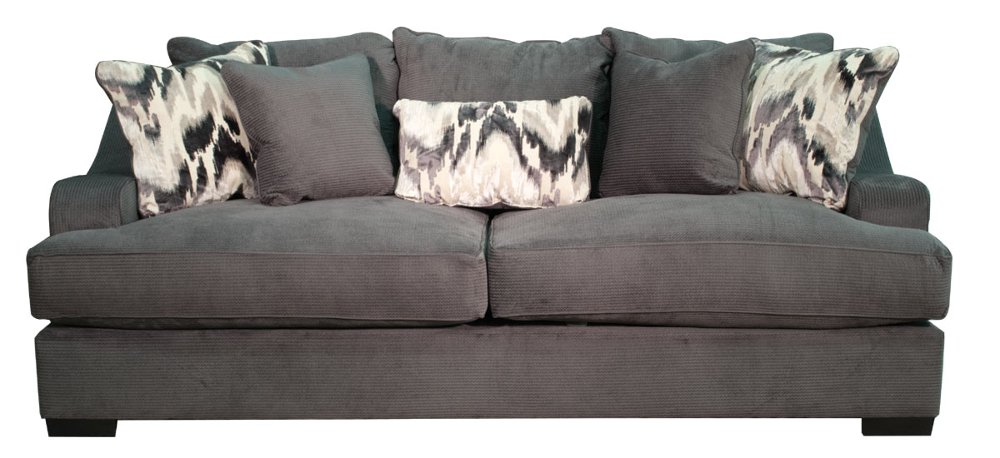
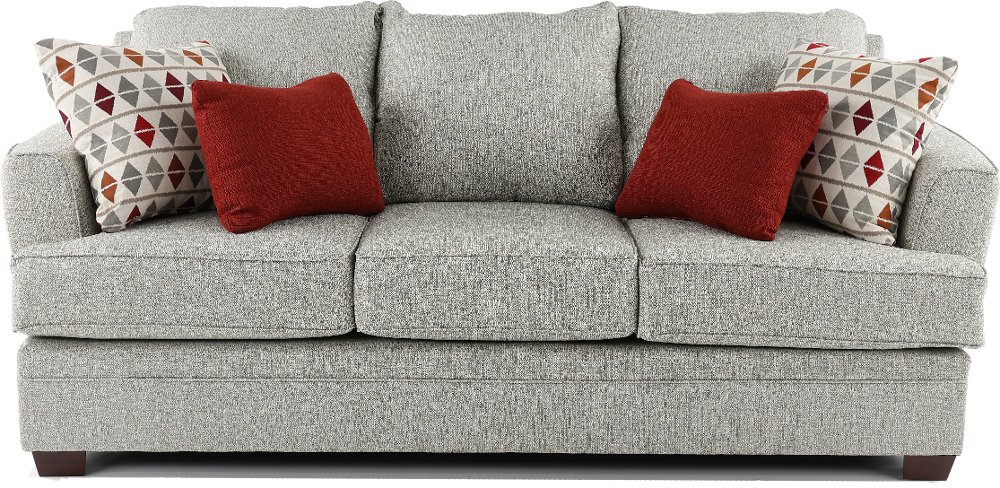
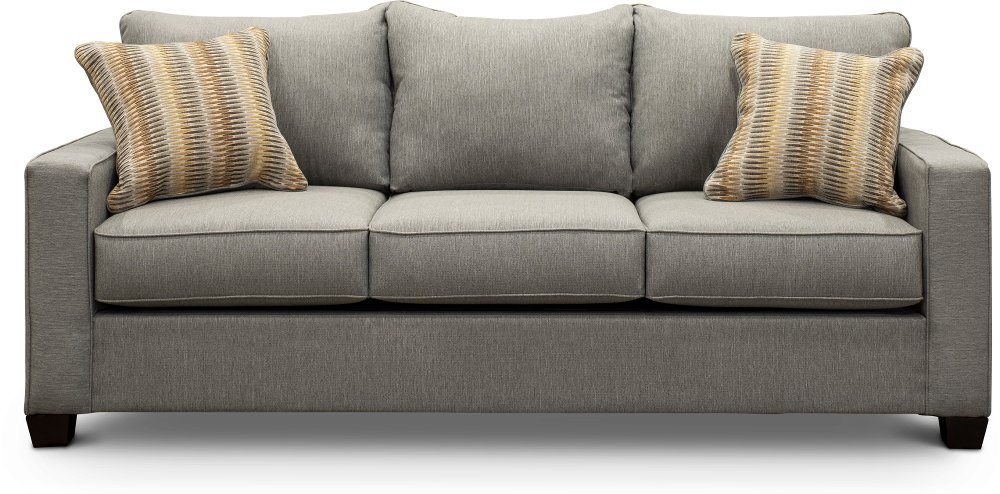
Sleek modern sofas combine clean lines, streamlined arms, and uncluttered silhouettes to create seating that feels comfortable without looking bulky. Common features include low backs, tailored cushions, exposed legs, and upholstery in neutral shades, though modern style leaves plenty of room for rich color and interesting texture. The appeal is balance: a sofa can anchor the living room while letting natural light, artwork, and surrounding furniture share the spotlight. Slim track arms offer a crisp, architectural look, while gently rounded edges soften the shape without adding ornate detail. Raised legs reveal more of the floor, which can help a compact room feel less crowded; a base that sits closer to the floor creates a more grounded appearance. Neither approach needs to feel stark. An oatmeal-colored fabric, a textured rug, and a wood coffee table can give a clean-lined sofa a welcoming setting. Charcoal upholstery offers stronger contrast against pale walls, while camel, cream, and muted earth tones work well with both wood finishes and metal accents. A deeper blue or green can make the sofa the room’s focal point while keeping the overall shape simple. These sofas suit apartments, condos, family rooms, and open-plan living spaces where furniture needs to look intentional and support everyday routines. They’re equally at home with someone who enjoys an uncluttered space or a household that wants a comfortable place to gather without oversized rolled arms and decorative trim. A tailored sofa can support conversation when friends stop by, provide a spot to read after dinner, or give a multipurpose living room a finished look. The sleekest appearance comes from proportions that work together, rather than from making every piece match. A sofa with a restrained shape can sit comfortably beside a favorite vintage chair, a substantial wood table, or colorful artwork, giving the room personality without competing for attention.
Comfort and fit matter just as much as the silhouette, especially when the sofa becomes the seat everyone reaches for first. Overall depth and usable seat depth aren’t the same measurement: a thick back cushion can reduce sitting space even on a sofa that looks generous from the side. Shallower seating often suits upright conversation and people who prefer to rest their feet on the floor. A deeper seat gives more room to curl up, stretch out, or sit with a pillow behind the back. For a more lounge-oriented shape, modern deep seat sofas offer a related direction to consider, particularly when relaxed seating is the priority. Seat height also changes the experience. A low seat can look beautifully streamlined, but a taller, firmer seat may feel easier to get into and out of for someone with limited mobility. Back height deserves the same attention; a low-profile back keeps sight lines open but generally provides less upper-back support than a taller design. Cushions can feel supportive, soft, or somewhere in between, and the right choice depends on how the sofa gets used. A person who likes sitting upright with a laptop may appreciate a different cushion feel than someone who settles in for a movie. Room measurements help translate those preferences into a workable layout. The sofa’s full width includes its arms, so slender arms can leave more seating space within a smaller footprint. In a narrow living room, marking the outline on the floor with painter’s tape makes it easier to picture the space left for walking, opening a nearby cabinet, and moving around a coffee table. In an open-plan room, the back of the sofa may be visible from the dining area, making its shape and upholstery part of the overall view. Delivery access matters, too: door openings, stair turns, elevator dimensions, and hallway clearance all affect whether a sofa can reach its intended spot. Removable legs or other detachable components may help with access when the design allows, but the furniture’s measurements still need to match the route.
Upholstery and construction shape how a modern sofa looks and feels after everyday use. Woven fabrics bring texture to simple forms, with a tight weave often offering fewer places for pet claws or clothing hardware to catch than a loose, open weave. No upholstery is completely snag-proof, so households with pets benefit from considering both the fabric’s structure and its care requirements. Performance fabrics may offer resistance to spills or stains, but those features vary by material and don’t replace prompt cleanup. Velvet adds depth of color and a soft surface; changes in the direction of its pile can create shading or visible impressions that are part of its appearance. Leather brings a different character, with natural grain and variation that can make a streamlined sofa feel warmer and less uniform. Its finish affects how it responds to scratches, spills, and routine cleaning, so care instructions are important. Under the upholstery, a well-built frame, secure joints, and a dependable suspension system help support daily sitting. Kiln-dried hardwood is one frame material associated with stability, while well-engineered frames can also use plywood or other components effectively; the quality of the complete construction matters more than a single material name. Cushion fill makes another practical difference. Resilient foam can support a tailored shape, while softer fiber or feather blends may need more frequent fluffing to keep cushions looking even. Removable, reversible cushions can help distribute wear when the design permits, but a removable cover doesn’t automatically mean it’s machine washable. Routine care is usually straightforward: vacuum with an upholstery attachment suited to the material, blot spills instead of rubbing, and follow the manufacturer’s cleaning directions before applying any product. Protecting upholstery from prolonged direct sunlight can help limit fading, and rotating cushions when recommended can reduce uneven wear in a favorite seat. For busy families, frequent hosts, or anyone furnishing a space for daily relaxation, the best modern sofa balances its clean appearance with comfort, practical upkeep, and construction suited to the way the room is actually lived in.
Read More