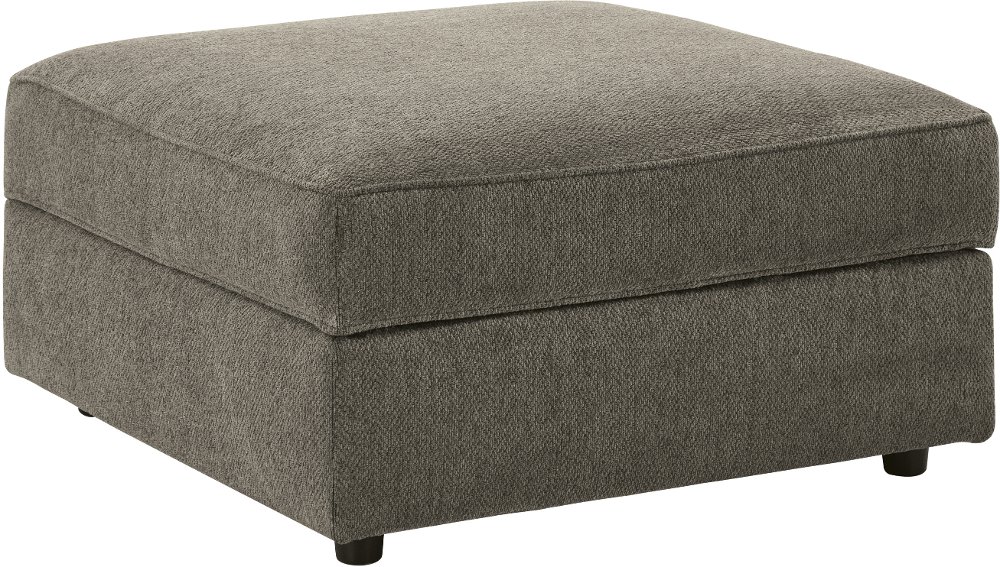
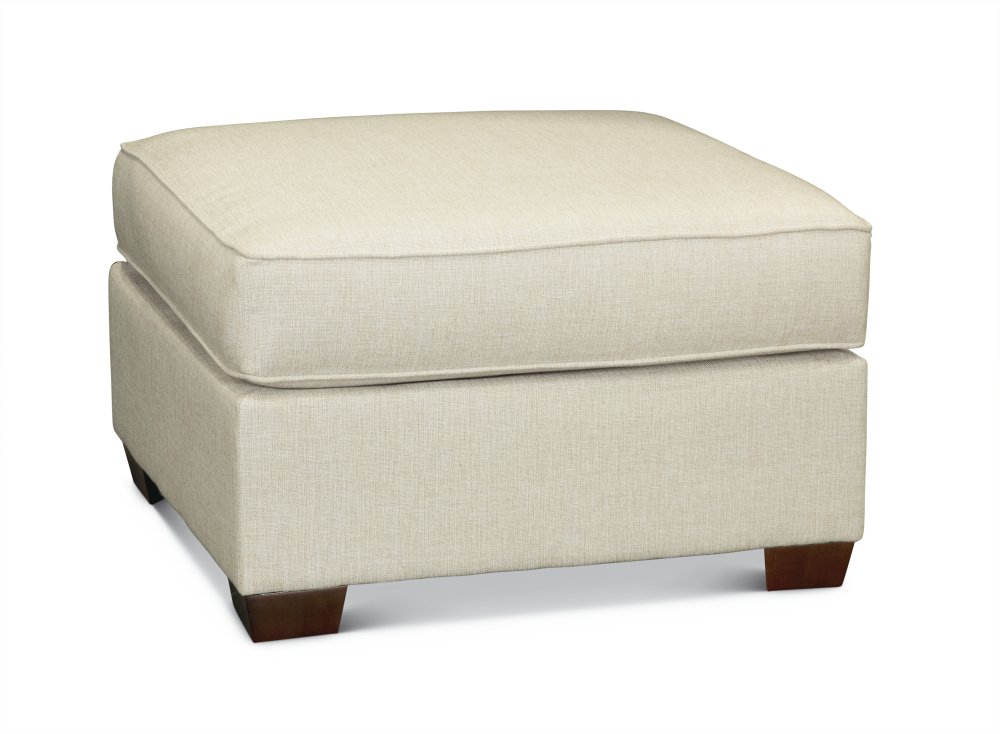
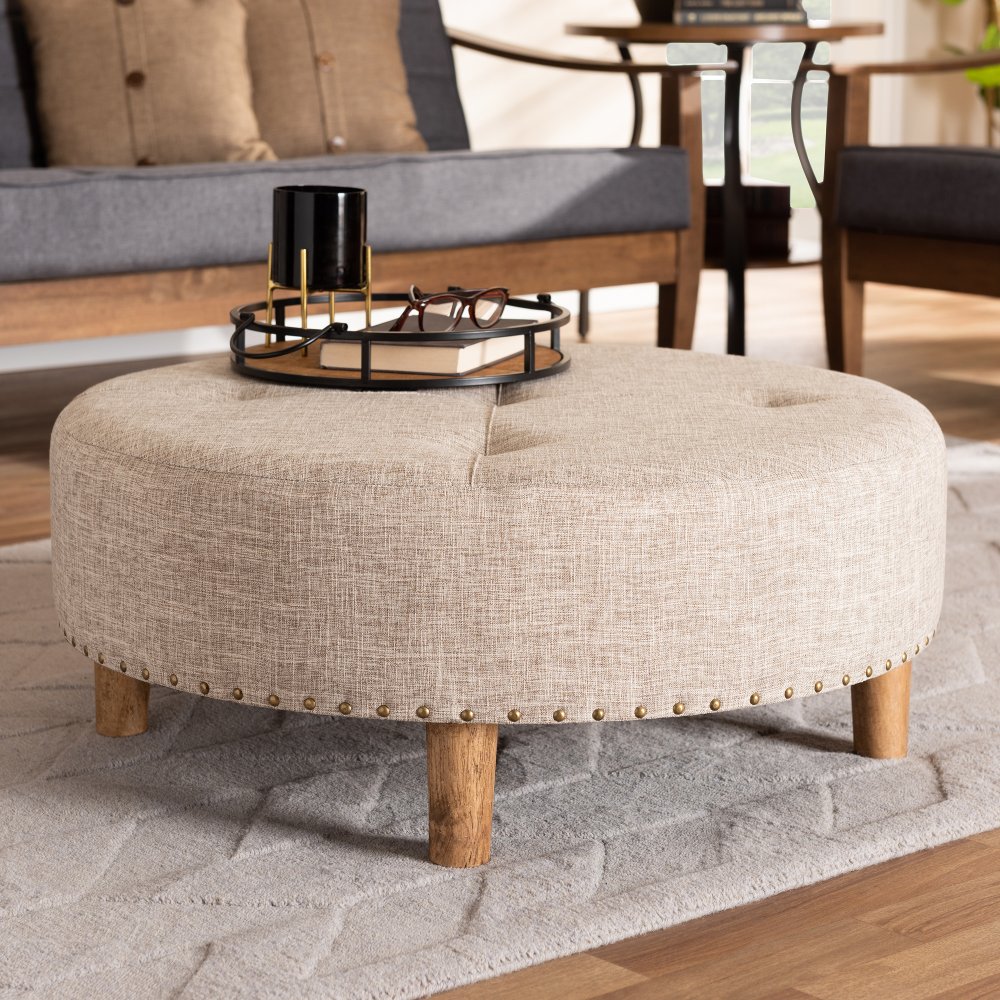
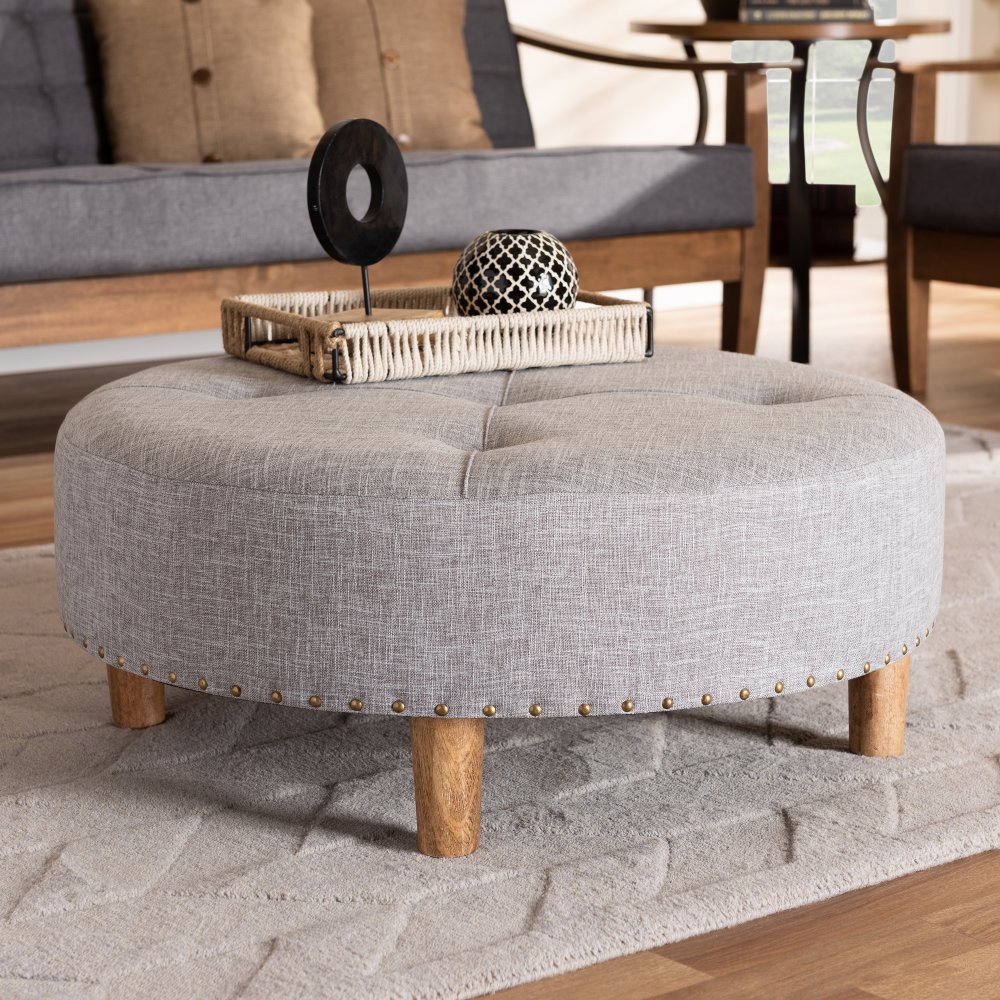
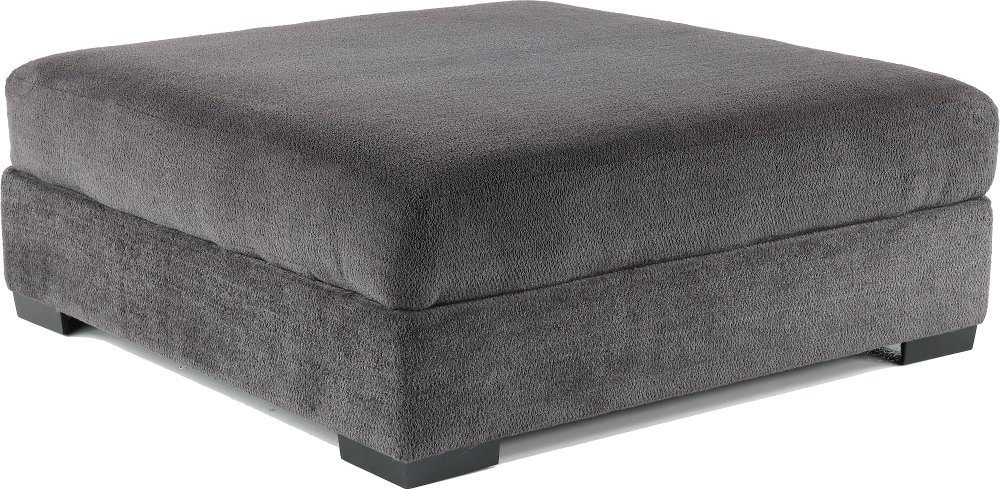
Small ottomans make a room more comfortable without asking for much floor space. Beside a reading chair, at the end of a loveseat, or tucked beneath an open console, they give everyday activities a comfortable place to land. A compact footrest can turn a quiet corner into a spot for finishing a book, while an ottoman designed to support seated weight can provide a perch when friends gather. Their smaller proportions work especially well in apartments, bedrooms, home offices, and living rooms where every piece needs a clear purpose. Shape makes a noticeable difference in how they fit. A round ottoman softens the straight lines of a sofa and side table, and its curved outline can feel less crowded in a tight seating arrangement. Square and rectangular designs sit neatly alongside furniture or beneath a table with enough clearance. Before choosing a size, measure the footprint where the ottoman will sit and leave room for walking, opening drawers, and moving nearby chairs. A piece that fits between the sofa and coffee table still needs enough surrounding space for someone to pass comfortably. For use as a footrest, a height close to or slightly below the chair’s seat often feels natural, although the right relationship depends on the chair’s cushion depth and your preferred sitting position. A low, relaxed lounge chair usually pairs better with a lower ottoman than a tall, upright accent chair does. Pay attention to visual weight, too: exposed legs show more floor and can make a small room feel open, while a fully upholstered base creates a more grounded appearance. Two compact ottomans can also offer flexibility in a shared seating area, separating when each person wants a footrest and moving aside when the room needs more open space. The goal is a piece that supports the way you spend time at home rather than one that simply fills an empty corner.
Upholstery gives small ottomans much of their personality, but it also affects how they handle daily use. Tightly woven fabrics offer texture without a deep pile, making them a practical starting point for busy spaces. Fabrics labeled for performance may offer added resistance to stains or wear, though the specific treatment and care requirements matter more than the label alone. Soft chenille and velvet bring a cozy feel to a bedroom or sitting area; their surfaces may show shading or pressure marks as the fibers change direction. Nubby fabrics add depth to a simple room, but a more pronounced weave may catch on pet claws or jewelry. Genuine leather develops character with use and can work beautifully with wood furniture, while faux leather offers a similar smooth appearance with different care needs and wear characteristics. Neither material is maintenance-free, and each benefits from cleaning methods suited to its finish. Color deserves a practical look as well. Cream upholstery can brighten a dark corner, while medium tones and subtle patterns may make everyday lint or small marks less noticeable. A small upholstered ottoman is also an easy place to introduce a richer color without committing to a large piece of furniture. Beyond the cover, consider what gives the ottoman its shape and support. A sturdy frame, secure legs, neat seams, and cushioning suited to the intended use all contribute to lasting comfort. A plush top may feel inviting beneath tired feet, but a firmer, flatter surface can be more useful for occasional seating when the ottoman is rated for it. Follow the manufacturer’s weight limit rather than assuming any padded piece can serve as a stool. For routine care, vacuum fabric gently with an upholstery attachment when recommended, blot spills promptly, and follow the cleaning code before applying a solution. Keeping upholstery away from prolonged direct sunlight and heat sources can help preserve its appearance. Felt pads or other floor protection appropriate to your flooring can also reduce scratches when the ottoman moves.
The most useful small ottoman often solves a specific everyday frustration. In a living room where throws collect on the sofa, a small storage ottoman can keep a folded blanket close by without leaving it in view. In a bedroom, it might hold a spare cushion or provide a convenient place to sit while putting on socks, provided its construction supports seating. Check the interior dimensions of storage designs rather than judging capacity by the outside measurements; thick padding and framing can leave less space inside than expected. Hinged lids need clearance to open, and removable tops need somewhere to rest while you reach inside. In homes with children, look closely at lid supports, hinge design, stability, and the manufacturer’s safety guidance, and keep climbing off the list of intended uses. A lightweight footstool is convenient to move between a desk chair and a reading nook, but that same portability may make it less suitable for someone who needs a steady seat. An ottoman should never substitute for a step stool. If setting down a drink is part of the plan, a properly sized, stable tray can make a firm top more useful, though a side table remains the better choice when the surface feels uneven. For decorating, a compact ottoman doesn’t have to match the sofa exactly. Repeating a color from a rug, echoing a chair’s wood finish, or pairing a simple upholstered shape with a patterned seat can create a coordinated room without making everything look identical. A small ottoman can also make a thoughtful housewarming gift when you know the recipient’s space, style, and practical needs, especially for someone settling into a first apartment or creating a favorite reading spot. If your seating arrangement calls for a broader shared footrest or a more substantial centerpiece, oversized ottomans offer a different sense of scale. For tighter spaces, a thoughtfully chosen small ottoman delivers comfort where it counts while leaving room for the rest of daily life.
Read More