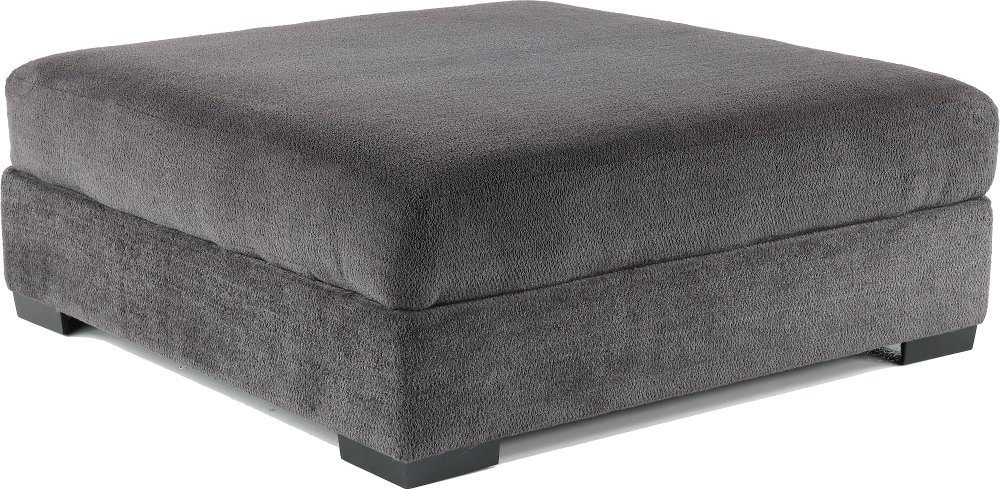
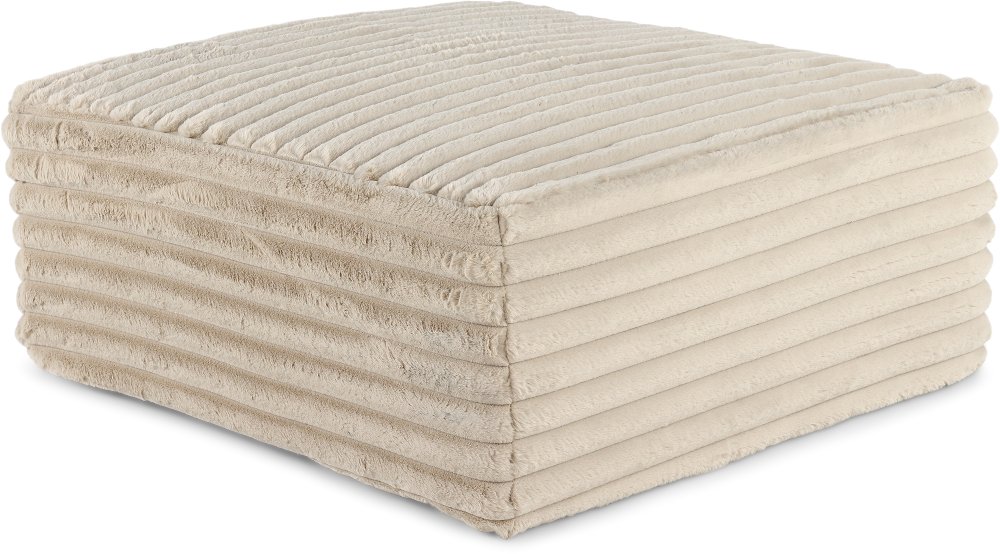
Oversized ottomans give your living room a generous place to put your feet up, bring a sectional seating area together, and make everyday lounging feel a little more relaxed. Their broad, upholstered surfaces offer a softer alternative to a traditional coffee table, especially in rooms where stretching out matters as much as setting down a book. Picture a deep sofa with a large square ottoman in front: there’s room for two people to rest their legs without competing for a narrow corner. A rectangular ottoman can follow the length of a sofa, while a round shape breaks up the straight lines of an L-shaped sectional and leaves no sharp corners along the upholstery. The best fit depends on the whole seating arrangement, not just the open spot in the middle. An ottoman should feel substantial enough to balance nearby furniture while leaving comfortable paths to doorways, side tables, and favorite seats. Roughly 14 to 18 inches between the sofa and ottoman can be a useful starting point, with adjustments for legroom and how people move through the space. A top that sits near or slightly below the sofa’s seat height generally makes a comfortable footrest; a much taller surface can feel awkward under your legs. In a smaller living room, one large ottoman may serve several purposes without adding several separate pieces of furniture. In an open family room, it can help define the conversation area and make widely spaced seating feel connected. Scale also changes with the base: visible legs lend an oversized piece a lighter look, while a low, upholstered base feels more grounded. Measuring the footprint and marking it with painter’s tape makes it easier to picture those differences before committing to a size. Include enough clearance for reclining seats, open drawers, and any lift-top features so your room works just as comfortably as it looks.
Upholstery plays a big part in how an oversized ottoman looks, feels, and holds up to your routine. A tightly woven fabric offers a different experience from a nubby bouclé or a plush velvet, even when the shapes are nearly identical. Smooth weaves can suit busy family rooms, while textured fabrics add depth to simple seating arrangements. Velvet brings a soft touch and a subtle shift in color as the pile catches the light, though pressure marks and changes in the nap may be more noticeable. Leather has its own character: some finishes develop a patina with use, while others offer a more uniform appearance. Care needs vary by finish, so leather and leather-look upholstery shouldn’t automatically receive the same treatment. For homes with pets or frequent visitors, upholstery specifications matter more than a fabric’s name alone. Performance fabrics may offer helpful stain resistance or easier cleaning, but those benefits vary, and no upholstery is completely protected from spills, claws, or wear. Close-set weaves, secure seams, and clear care instructions are practical details worth noticing. What’s underneath matters, too. A well-built frame, stable legs, and cushioning suited to the intended use help a large ottoman keep its shape through repeated use. A soft, pillowy top feels inviting under tired feet, while a firmer surface may work better beneath a serving tray. Tufting adds definition and helps create a tailored look, although the recesses need a little extra attention when removing crumbs and dust. Color can either connect the ottoman to your sofa or give the room a distinct focal point. Warm neutrals blend easily with wood finishes and patterned rugs; a deeper color can anchor pale upholstery without requiring a matching furniture set. Repeating one color or texture elsewhere, perhaps in an accent chair or pillow, helps a contrasting ottoman feel at home rather than like an afterthought.
The most useful oversized ottoman is one that supports the way you spend time at home. For a household that gathers for movies, a broad footrest within reach of the main seats may be the priority. For someone who likes a tidy living room but keeps throws and board games close by, an oversized storage ottoman can give those everyday essentials a convenient home. Storage designs differ in opening size, interior depth, and lid operation, so the outside dimensions don’t tell the whole story. A lift-up top needs overhead clearance, and a removable lid needs somewhere to rest while you reach inside. Around children, look closely at the closure mechanism and any manufacturer safety guidance; a padded exterior alone doesn’t make every design suitable for every household. Some ottomans also provide occasional seating when friends stop by, but that use should match the manufacturer’s stated purpose and weight limit. When the ottoman doubles as a coffee table, a broad, stable tray gives remotes, reading glasses, and a coaster a defined spot. Deep cushioning or pronounced tufting can make a tray less steady, and a nearby side table remains a better place for hot drinks when feet are moving on and off the ottoman. Everyday care helps preserve both appearance and comfort. Vacuum fabric with an appropriate upholstery attachment, including seams and tufted areas, and blot spills promptly rather than rubbing them deeper into the surface. Follow the upholstery’s cleaning code before applying water or a cleaning solution, and use only products recommended for the material. Direct sunlight can fade some coverings, while dragging a heavy ottoman can strain its legs or damage flooring; lifting it with help and using suitable floor protectors are better habits. Indoor upholstery also needs a different setting from furniture designed for patio use. For a similarly relaxed setup outside, Outdoor Ottomans are a separate category with materials intended for outdoor conditions. Indoors, the right combination of generous proportions, comfortable upholstery, and useful features makes an oversized ottoman a natural part of daily life, from a quiet reading break to an evening spent together on the sofa.
Read More