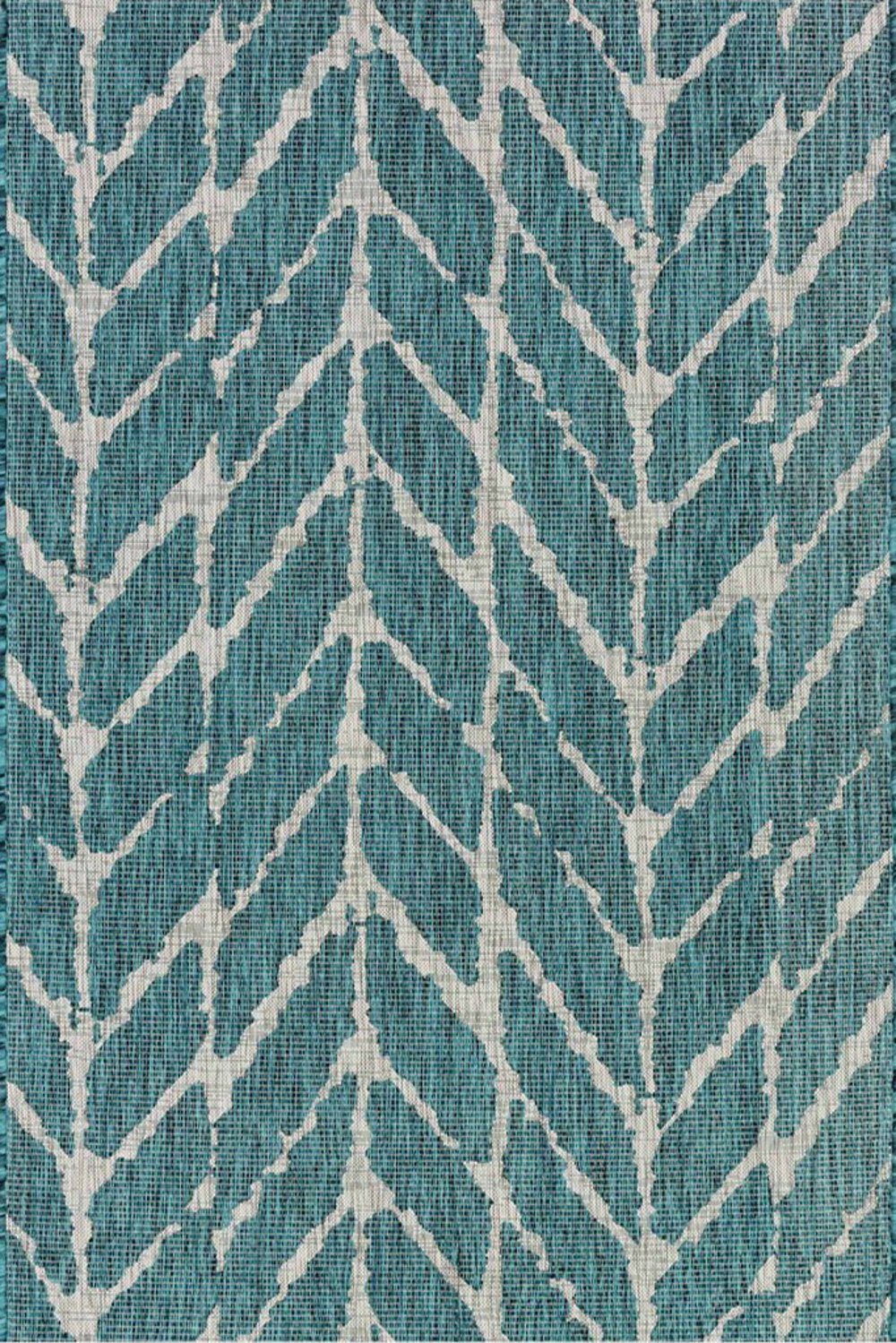
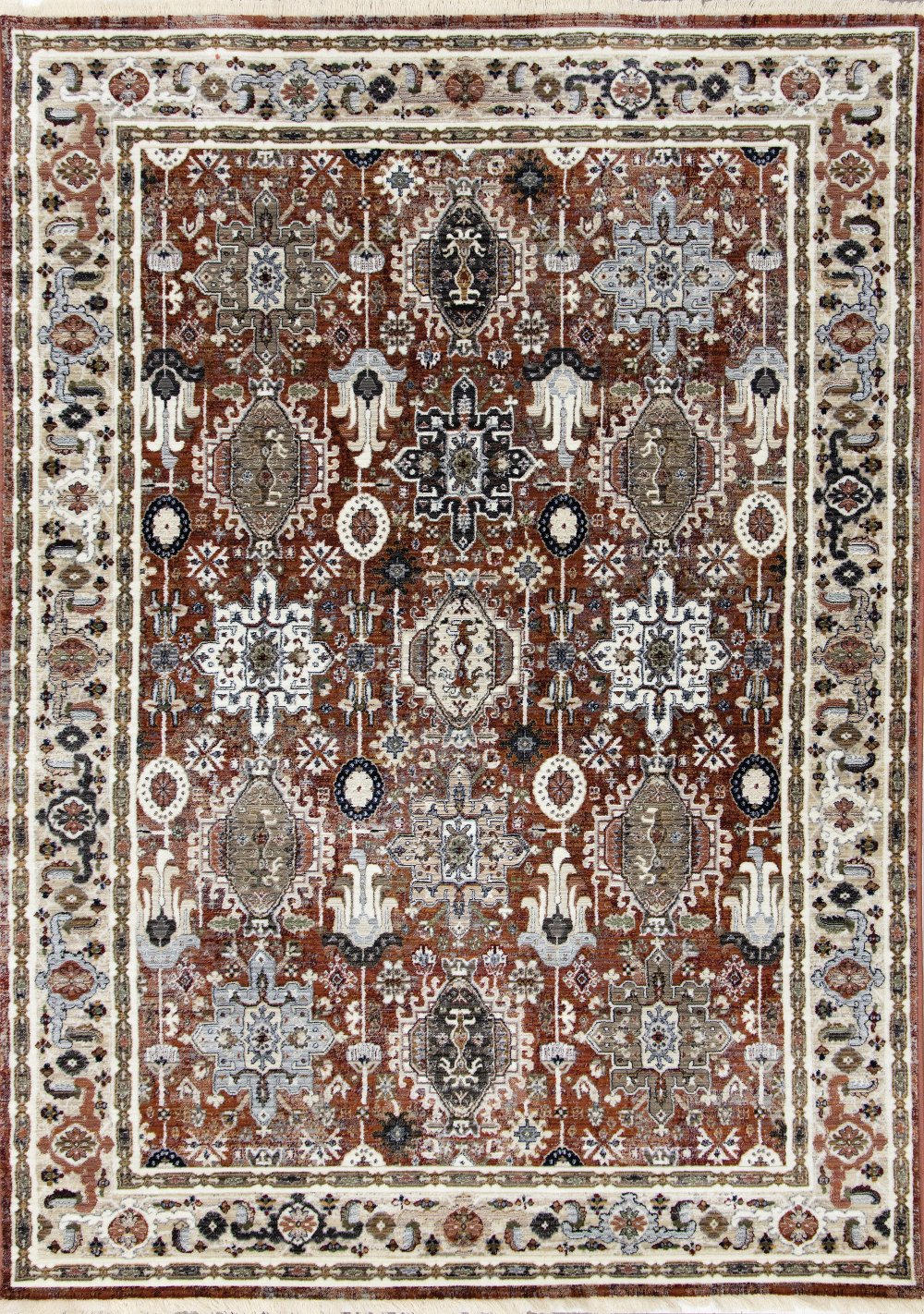
Smooth rugs bring a clean, even surface to a room without the deep texture of shag or heavily sculpted designs. The term generally describes how a rug looks and feels rather than a single material or construction. Many smooth area rugs have a short, closely trimmed pile, while flat-weave rugs have woven surfaces without raised pile. Both can create a streamlined foundation beneath a sofa, dining table, or bed, though a low profile doesn’t always mean a silky feel. Fiber, yarn thickness, and weave all affect the texture underfoot. A fine, dense surface might feel soft against bare feet, while a firm flat weave offers a more structured feel that suits busy everyday spaces. Wool can provide softness and resilience, with natural crimp that helps fibers recover from compression. Some shedding is normal, especially when a wool rug is new. Cotton often brings a relaxed look and flexible construction, although lighter cotton rugs may shift or wrinkle without a suitable pad. Polypropylene resists moisture absorption and many everyday stains, making it a practical material to consider where shoes, snacks, and pets are part of the routine. Polyester can offer a soft touch and rich color, though oily spills still need prompt attention. Viscose may have a particularly smooth, lustrous finish, but moisture and rubbing can damage its appearance, so it’s better suited to spaces with limited spills and gentler use. Natural jute adds earthy character, but its coarser texture generally feels less smooth against skin and needs protection from excess moisture. For a bedroom where the first step out of bed matters, a soft, short-pile surface can feel inviting. In a dining room, a flatter, firmer weave may make more sense for chairs that move several times a day. The most comfortable choice balances the finish you enjoy with the way the room actually gets used.
The appeal of a smooth rug extends beyond its feel: its understated surface leaves room for color, pattern, and furniture to shape the space. An ivory or oatmeal rug can soften the contrast between a dark sofa and wood flooring, while charcoal, muted blue, or warm brown can give a light room a more grounded look. Subtle variations in color help disguise the small traces of daily life better than some solid, uniform finishes, although no color hides every crumb or strand of pet hair. A fine pattern adds interest without creating the physical texture of a thick pile. If you enjoy layered motifs and patterns influenced by weaving traditions from around the world, Global Rugs offers another direction to explore alongside your preferred surface and feel. Scale matters just as much as style. In a living room, an area rug large enough to sit beneath the front legs of the main seating pieces helps connect the arrangement, rather than leaving a small rectangle floating between the sofa and chairs. Under a dining table, allowing about 24 inches of rug beyond each edge is a useful starting point for keeping chair legs supported when someone pulls out a seat; larger chairs may need more space. Beside a bed, enough exposed rug to accommodate your feet makes the softness useful, not just decorative. Runners can bring that same finished look to hallways while leaving a visible border of flooring. Low-pile and flat-weave rugs often provide better door clearance than thicker rugs, but the combined height of the rug and pad still needs to fit beneath the door’s swing. In a home office, a firm, low-profile surface may make chair movement easier than a plush pile, although caster compatibility and protection against repeated rolling still matter. A rug that lies flat and fits the furniture makes the whole room feel more settled.
Everyday care and construction help determine whether a smooth rug stays looking good through family movie nights, visiting friends, and the extra indoor time that comes with cooler weather. Short pile generally gives crumbs and pet hair fewer places to settle than deep shag, but tightly woven fibers can still hold debris. Regular vacuuming removes loose grit before it works into the surface and contributes to wear. Follow the rug’s care label for suction and brush settings; suction-only cleaning is often appropriate for delicate fibers, flat weaves, and fringed edges, while some sturdier constructions permit a rotating brush. Smooth doesn’t automatically mean stain-resistant, waterproof, or machine-washable. Washability depends on the entire rug, including its backing, size, and finishing, not just the face fiber. For a washable rug, the care instructions and your machine’s capacity both matter, particularly when a large rug becomes heavy with water. Other rugs may need spot cleaning or professional care. Blot spills promptly with a clean, absorbent cloth instead of scrubbing, and test any approved cleaner in an inconspicuous area. Even moisture-resistant synthetic fibers don’t prevent liquid from reaching the backing or floor beneath. A compatible rug pad adds cushioning, helps reduce movement, and can limit abrasion against the floor; choose one approved for your flooring and trim it slightly smaller than the rug so its edges stay hidden. Well-finished edges, a stable backing, and a construction suited to the room’s traffic are more useful signs of durability than softness alone. Rotating the rug periodically can help distribute wear and sunlight exposure, while furniture cups may reduce concentrated pressure where appropriate. For households with children or pets, a flatter surface can simplify cleanup and provide a convenient place for floor puzzles or stretching out together, but loose loops and fringe may invite snagging or chewing. The right smooth rug brings together a pleasing texture, a dependable fit, and a care routine that feels manageable, so the room stays comfortable without demanding more attention than your day allows.
Read More