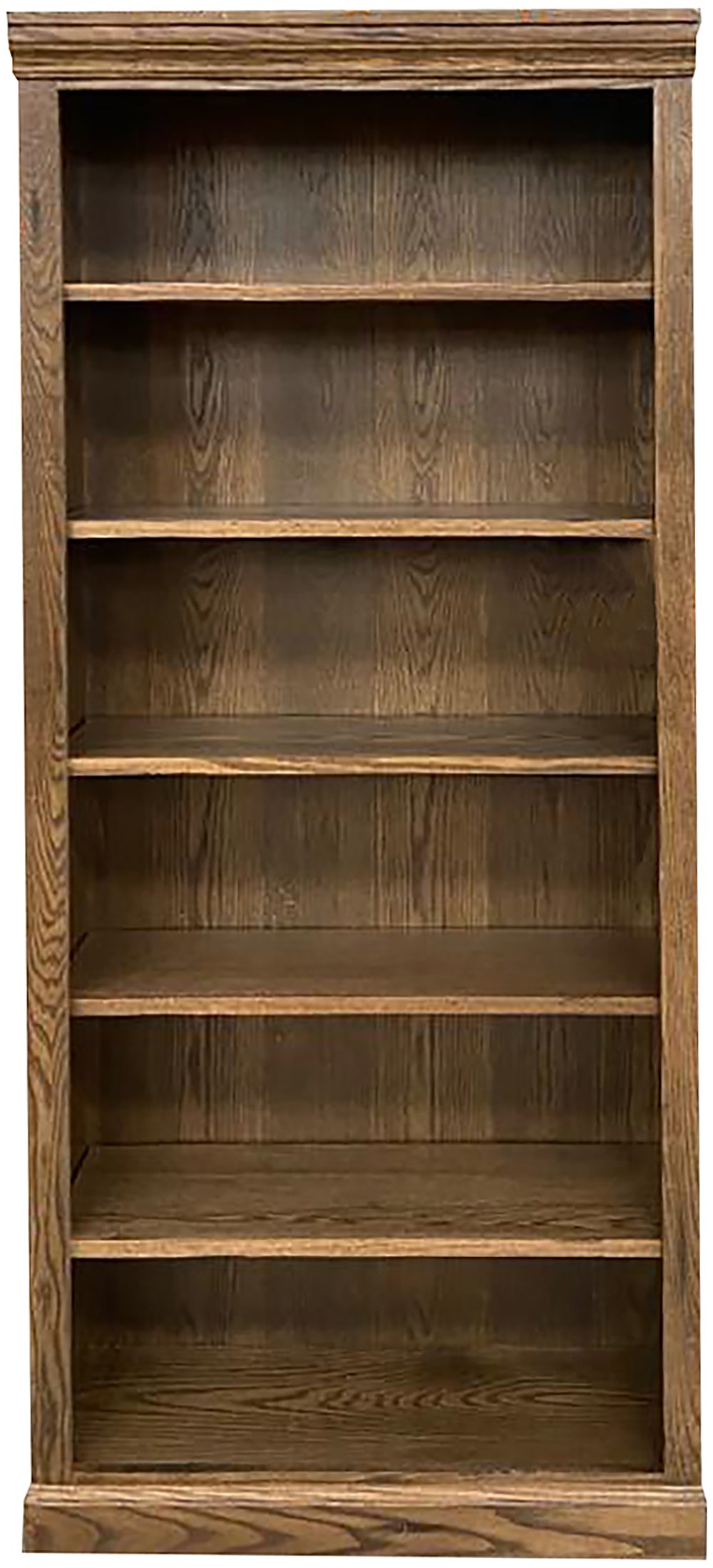
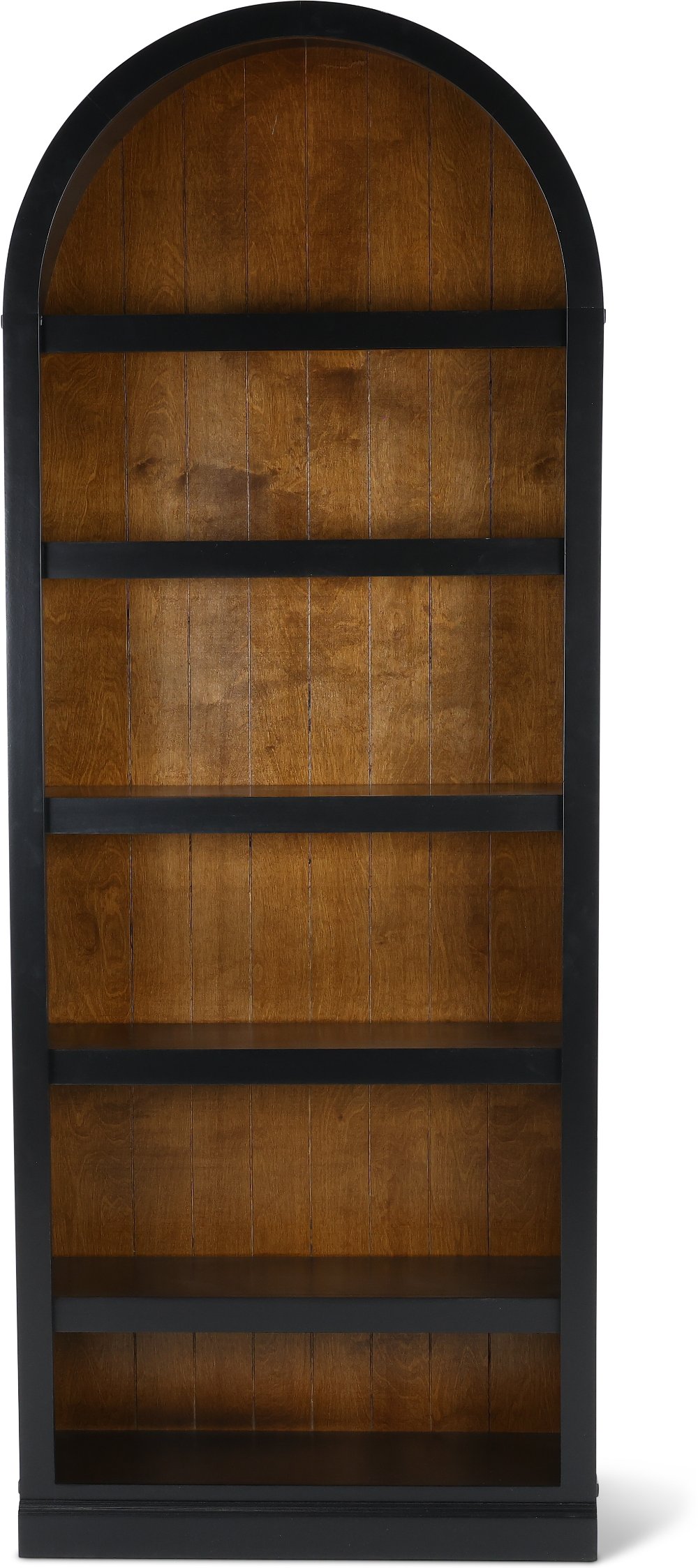
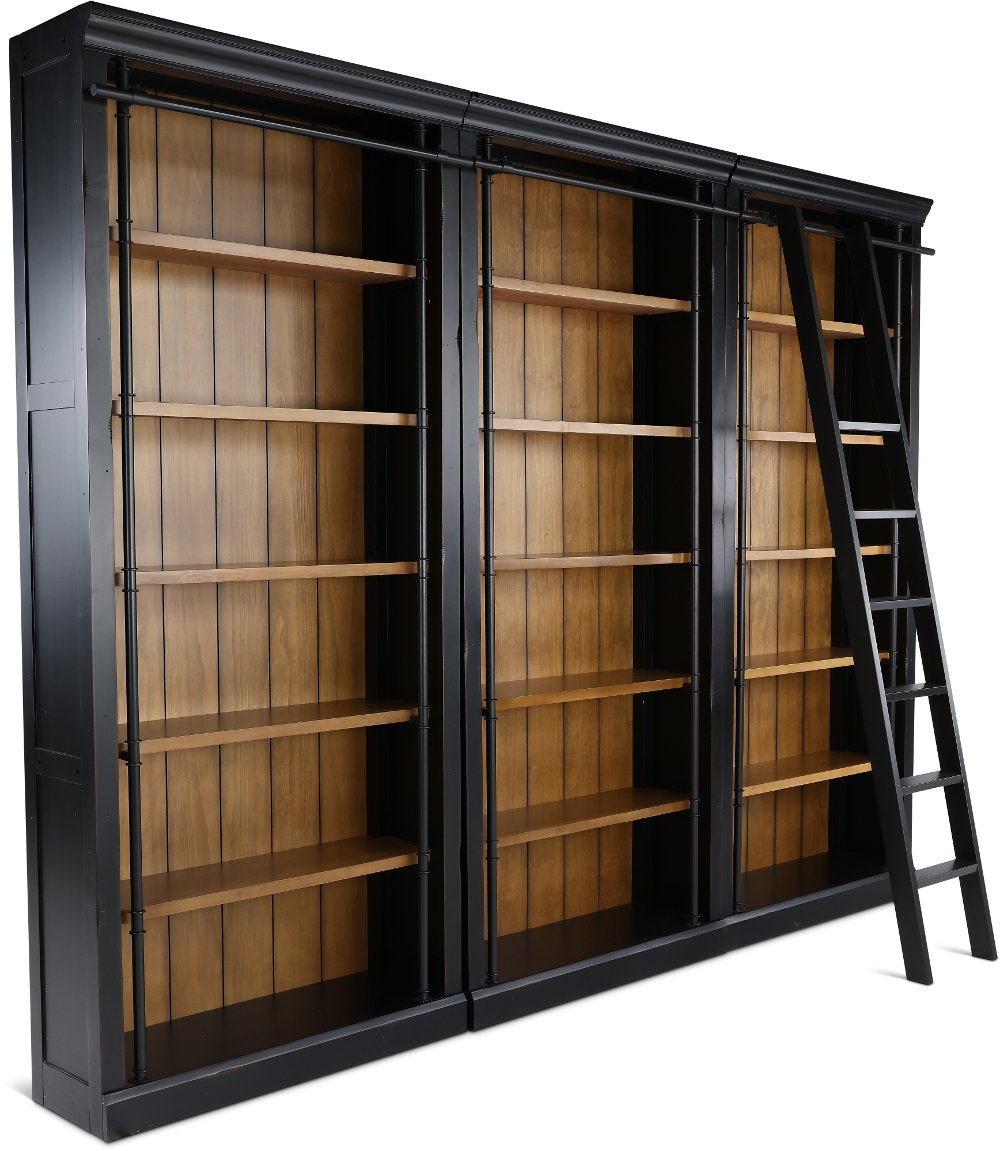
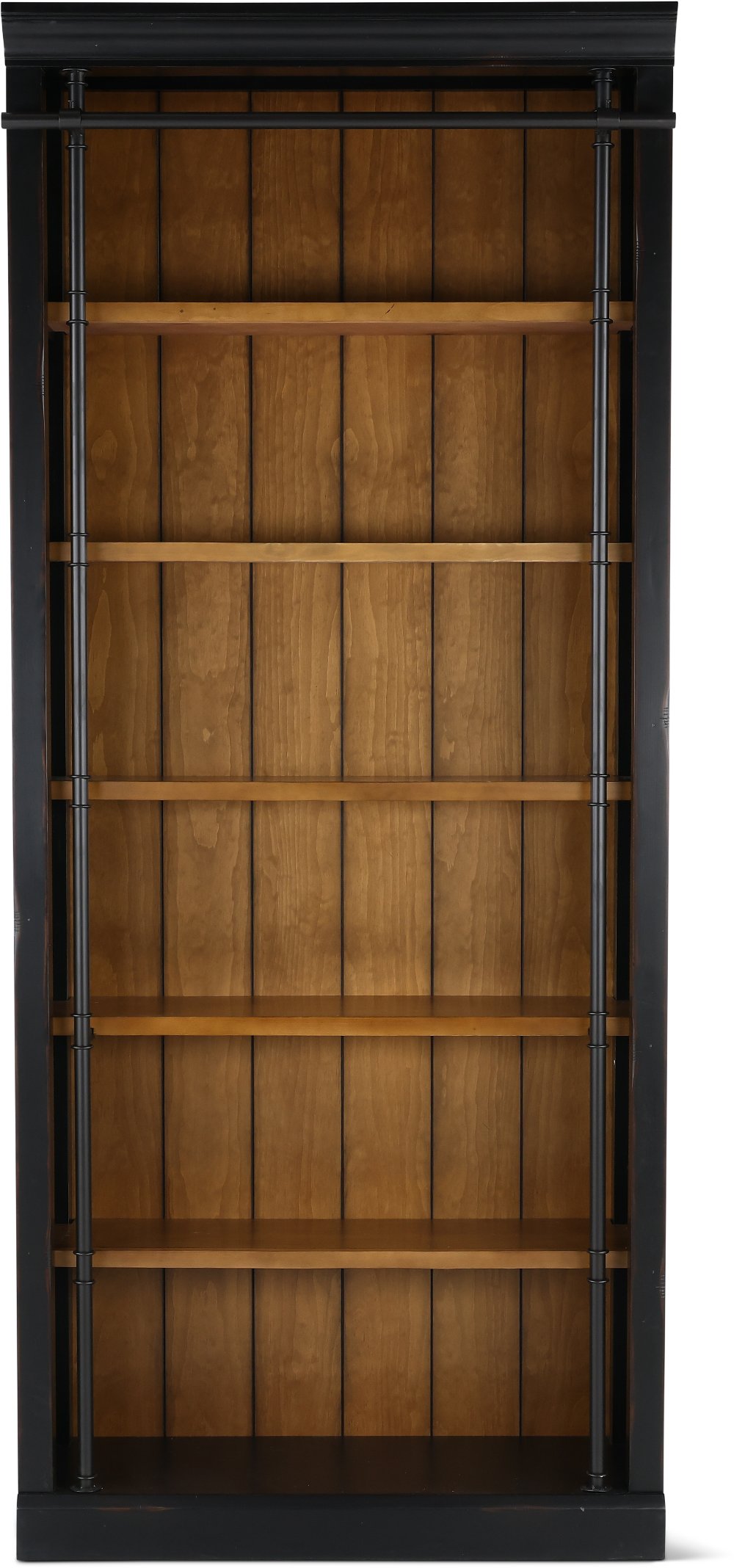
Solid wood bookcases bring useful storage and natural warmth to the rooms where everyday life happens. In a living room, a row of favorite novels can sit alongside framed photos and a handmade bowl. In a home office, sturdy shelves keep reference books, notebooks, and work essentials close without taking over the desk. A bookcase can also give a quiet corner a sense of purpose, turning the space beside a comfortable chair into a spot for reading during the cooler months. Part of the appeal is the wood itself: grain patterns, small knots, and subtle shifts in color give each piece its own character. Oak often shows a pronounced grain that adds texture, while maple tends to have a finer, more understated appearance. Pine has a softer surface that can develop dents and marks with everyday use, a quality that may suit a relaxed room better than a highly polished space. Walnut is known for its rich brown tones, though stains and finishes can change the appearance of any wood species. A clear finish lets more of the natural variation show, while a darker stain or painted surface creates a different mood. Construction matters just as much as appearance. The term “wood bookcase” can describe several combinations of materials, so product descriptions are worth a close look when solid wood is the priority. Shelves, frames, backs, and drawer bottoms may use different materials even within the same piece. Solid wood offers the possibility of repair or refinishing in some cases, depending on the finish, construction, and extent of wear. It isn’t automatically stronger than every other material, and a substantial appearance alone doesn’t establish shelf capacity. Well-supported shelves, sound joinery, and a stable frame help a bookcase hold up to daily use. For a household that moves books around often, adds to a collection over time, or wants furniture with natural variation rather than a perfectly uniform surface, those details make a meaningful difference.
The right solid wood bookcase feels proportionate to the room and accommodates what actually needs a home. A tall, narrow profile makes use of vertical space beside a desk or along a smaller wall, while a low, wide bookcase can keep a room feeling open and place frequently used books within easy reach. Depth deserves particular attention. Shelves that comfortably hold paperbacks may not accommodate oversized art books, family albums, or storage baskets, and a deep case can project farther into a walkway than expected. Measuring the wall, baseboards, nearby outlets, and clearance around doors helps establish a comfortable fit. Delivery access matters, too, especially in homes with tight stair turns or narrow hallways. Inside the case, adjustable shelves offer flexibility for everything from short stacks of poetry to tall cookbooks, while fixed shelves can contribute to the structure and create a consistent arrangement. A densely packed shelf of textbooks places different demands on furniture than a few decorative objects, so the stated weight limit and shelf support should match the intended use. Longer shelf spans may need additional support to resist sagging under heavy loads. Open shelving keeps titles visible and easy to reach; designs with doors or enclosed lower storage can help contain paperwork, games, and other everyday clutter. Style comes down to the details that suit the surrounding furniture. Straight lines and simple edges create a quiet backdrop, while crown molding, shaped bases, and paneled details lend a more formal presence. For rooms with classic furniture and architectural trim, traditional wood bookcases offer a related look with an emphasis on familiar profiles and decorative craftsmanship. Wood tones don’t have to match every table or chair exactly. Similar undertones can help different finishes feel comfortable together, and a darker bookcase can provide contrast against pale walls. Leaving a little open shelf space also allows the grain and proportions to remain part of the room rather than disappearing behind a tightly packed collection.
Living with a solid wood bookcase is about making storage work naturally, then giving the furniture consistent, uncomplicated care. Readers may prefer books grouped by subject or author, while families often benefit from a mix of upright books and baskets for loose supplies. In a shared office, one section can hold work materials and another can keep personal reading separate. A low shelf can make picture books easier for children to reach, but accessibility should always go hand in hand with secure placement. Anchor bookcases according to the manufacturer’s instructions, using hardware appropriate for the wall, and place heavier contents on lower shelves without exceeding weight limits. Children should never climb shelves, and a level, stable position matters even when the case feels heavy. Solid wood furniture also responds to its environment, expanding and contracting as humidity changes. A location away from heating vents, fireplaces, and strong direct sunlight helps reduce exposure to conditions that can dry the wood, alter its color, or affect the finish. During the cooler months, reasonably steady indoor humidity is especially helpful when heating systems are running. Routine dusting with a soft, dry cloth keeps shelf edges and corners clean; for anything more, follow the care instructions for the particular finish. If a lightly damp cloth is permitted, dry the surface promptly and avoid leaving moisture behind. Spills from a nearby drink or a watering can deserve quick attention, and a protective tray beneath a plant helps keep water off the shelf. Felt pads under decorative objects can reduce scratches when arrangements change. When it’s time to move the bookcase, empty it first and lift rather than drag, with enough help for its weight and size. With thoughtful placement and care, a well-built solid wood bookcase can adapt as a home changes—from holding study materials to displaying travel keepsakes or keeping a growing library organized. It can also be a lasting gift for an avid reader or someone setting up a home office, provided the dimensions, finish, and storage needs are settled together. The result is furniture that earns its place through daily usefulness, with the warmth of real wood always in view.
Read More