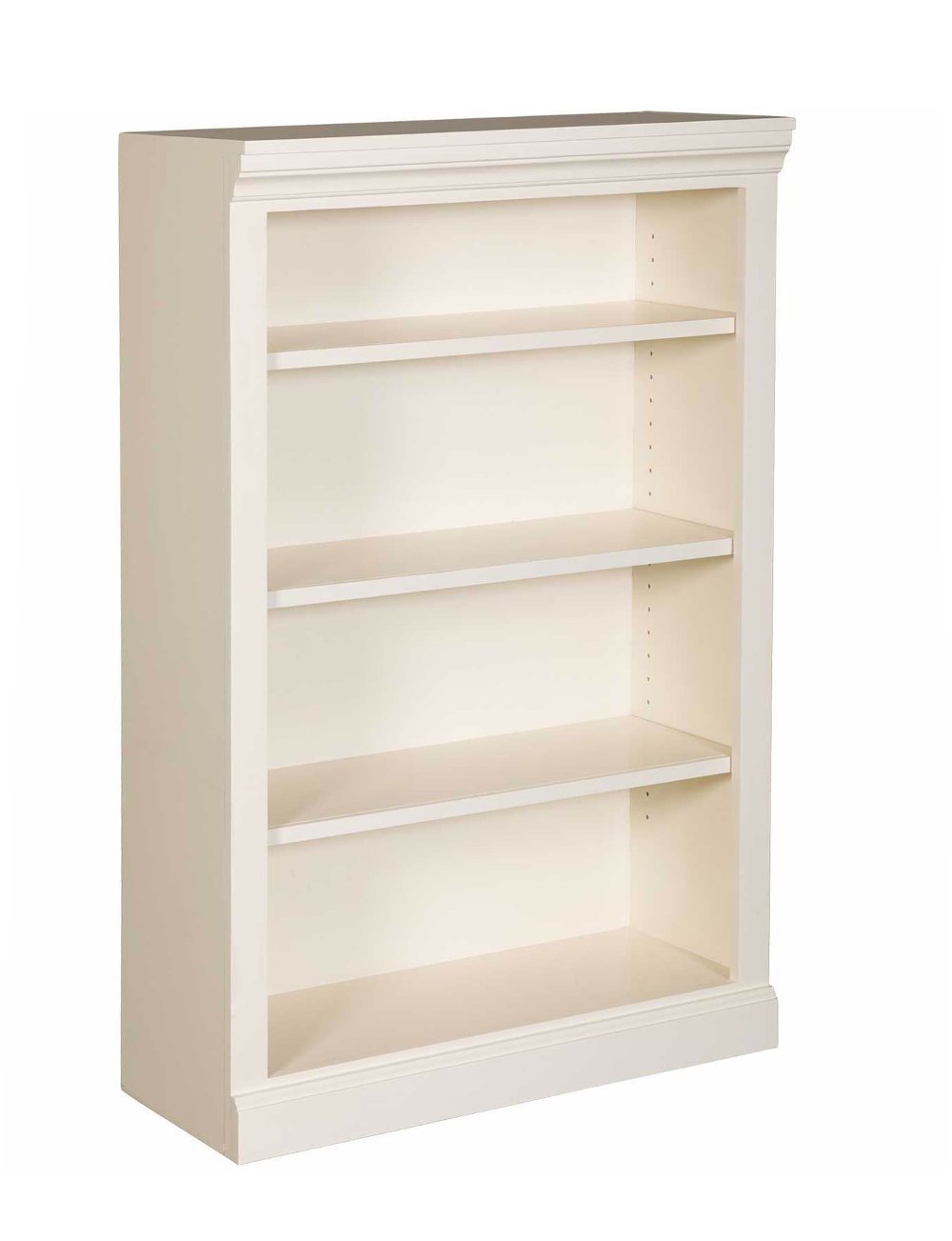
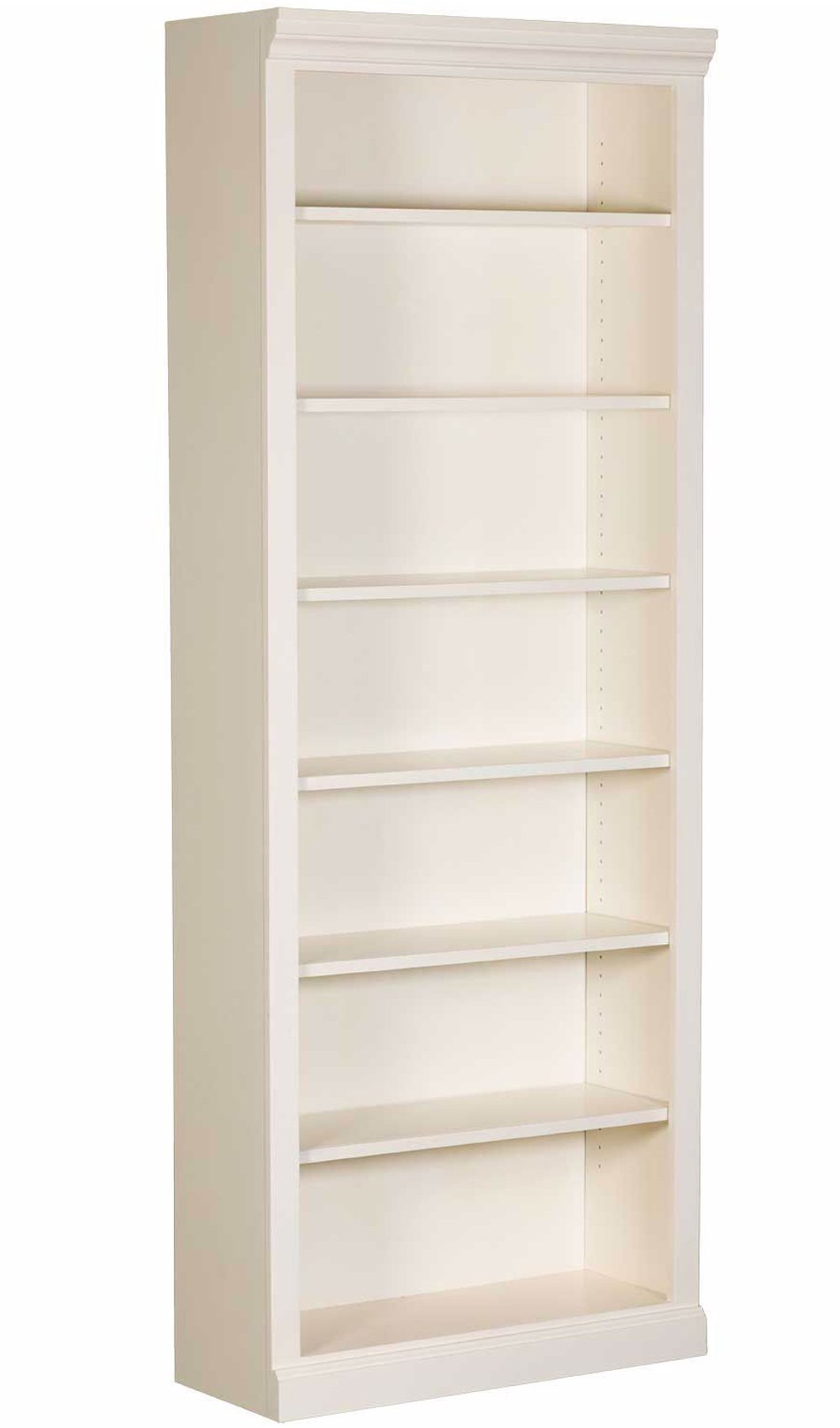
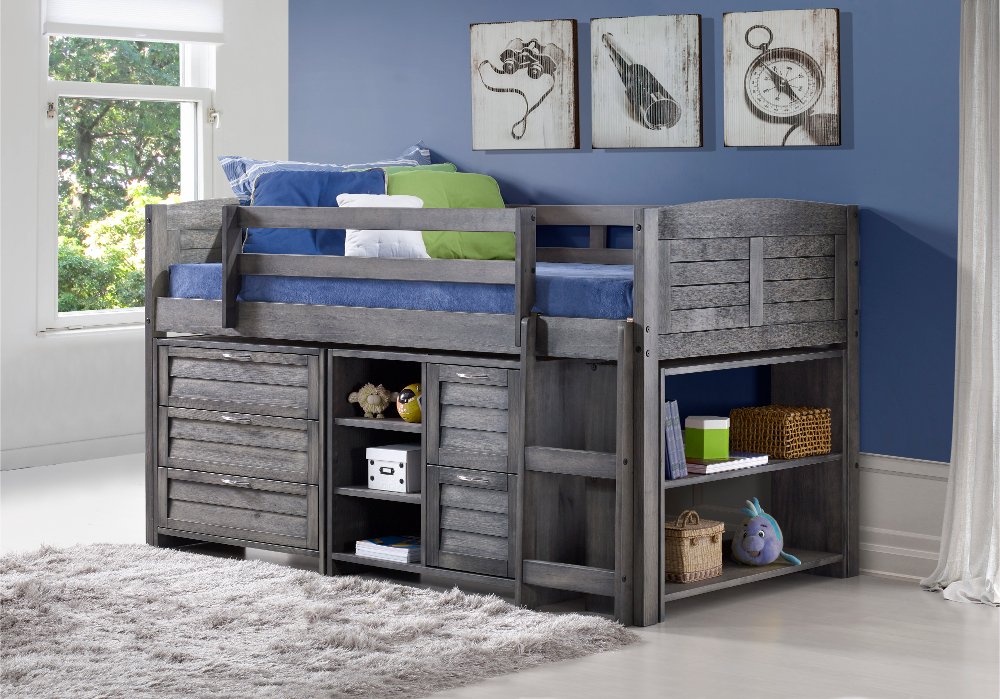
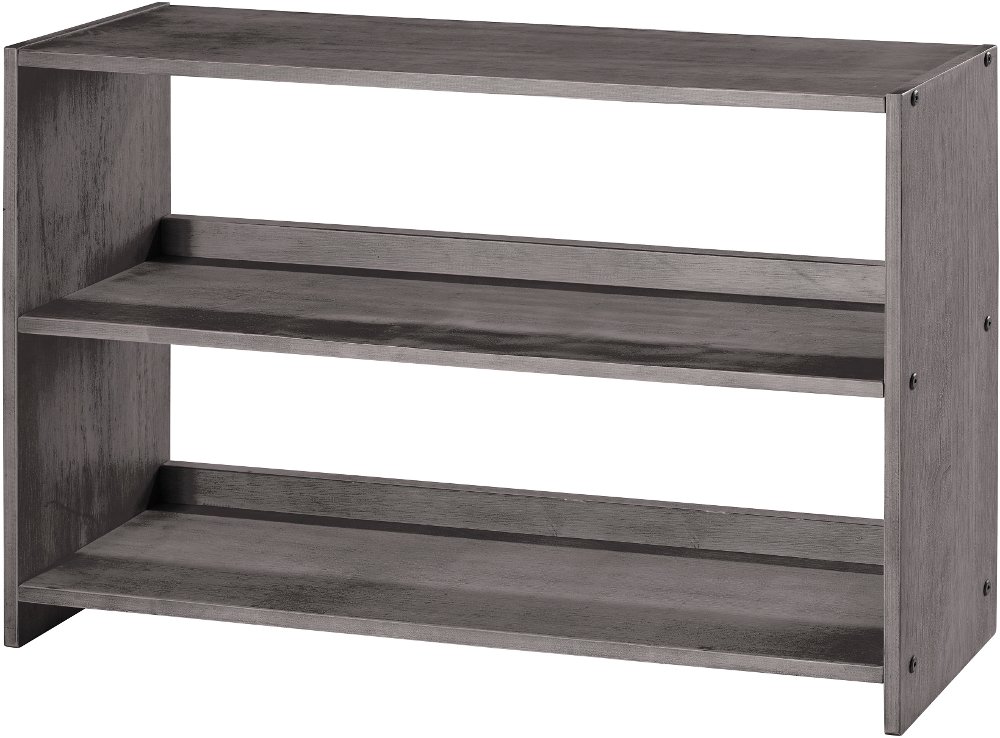
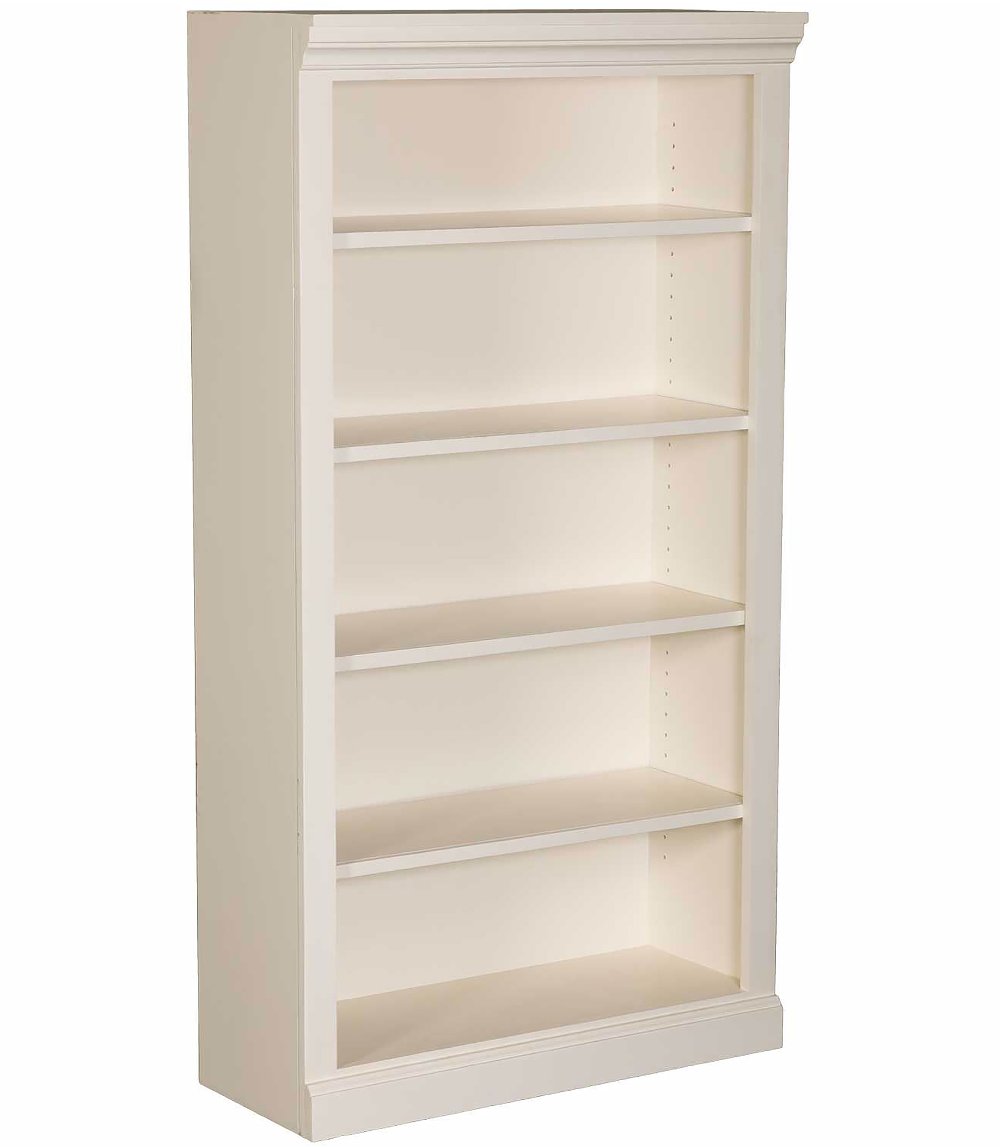
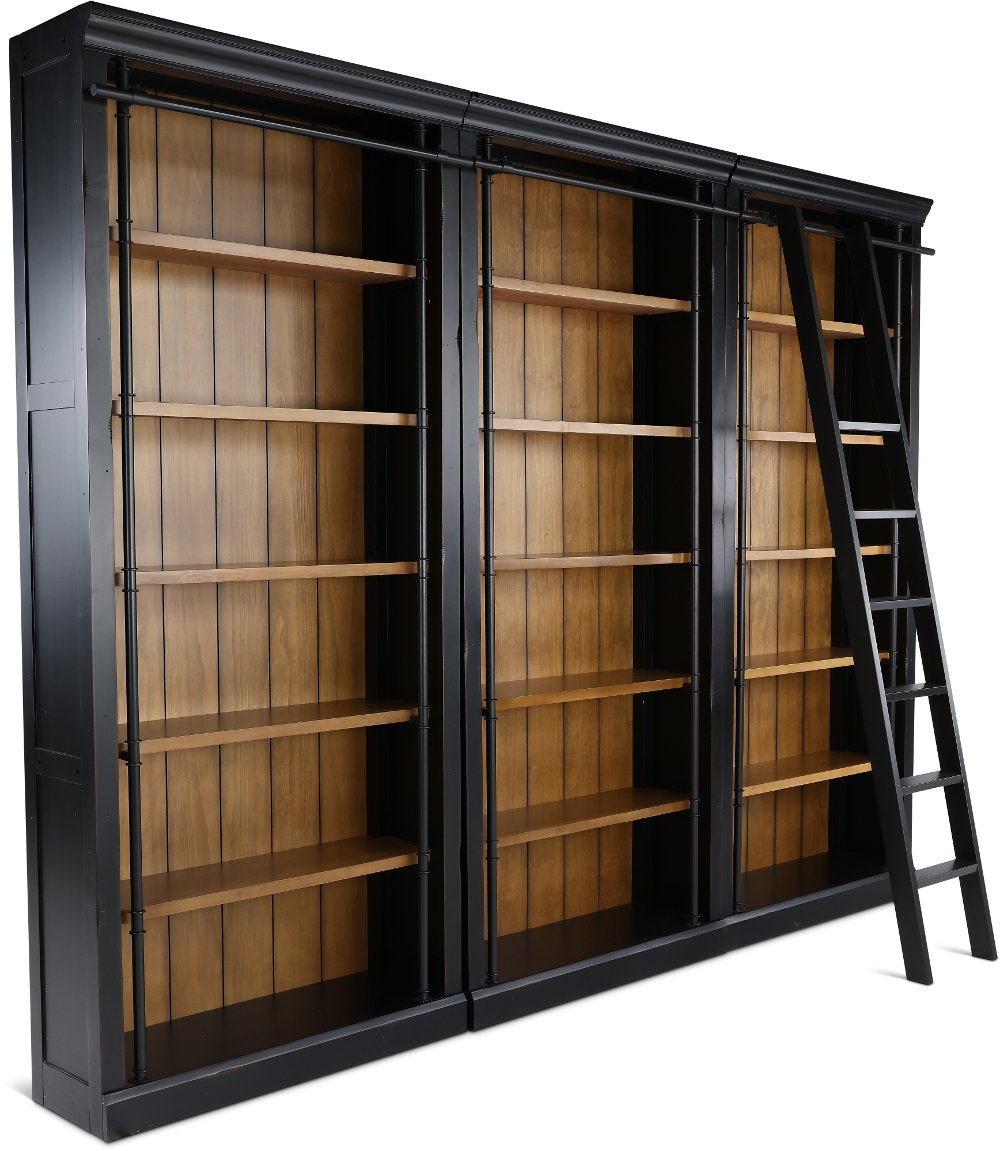
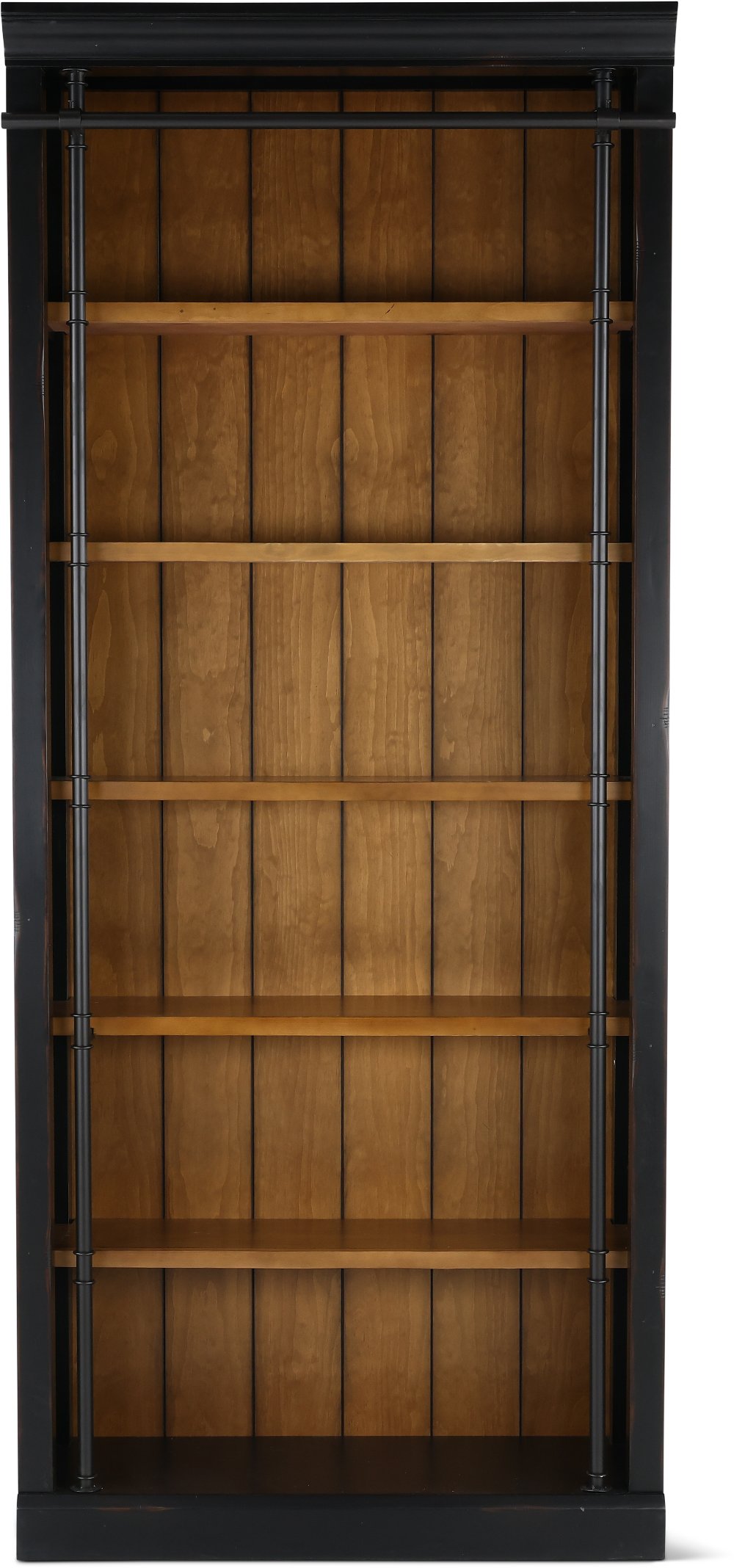
Solid wood bookcase shelves give your books, keepsakes, and everyday essentials a place that feels as considered as the rest of your home. The appeal starts with the material itself: visible grain, subtle variations in color, and a substantial feel that brings character to a room without needing much decoration. A bookcase can anchor a home office, make a reading corner more inviting, or turn an empty stretch of living room wall into useful storage. Solid wood refers to natural lumber rather than a wood veneer applied over an engineered core, though a bookcase described as solid wood may still use different materials for its back, drawer bottoms, or other components. Reading the construction details helps you understand which parts are solid lumber and how the piece is built. Wood species also influence appearance and everyday wear. Oak often has a prominent grain, maple generally has a finer, more understated pattern, and pine tends to show knots and can develop dents more readily than many hardwoods. Those differences aren't simply a matter of better or worse; they help determine whether a bookcase feels polished, rustic, relaxed, or somewhere in between. A clear finish puts the grain on display, while a darker stain can give the same basic shape a more traditional presence. Painted finishes emphasize the outline of the furniture and make it easier to coordinate shelving with trim, desks, or cabinets. If a lighter painted look suits your space, white wooden bookcase shelves offer another direction to consider alongside natural wood tones. Matching every finish in the room isn't necessary. A shared undertone, similar hardware, or repeated shape can connect a bookcase to nearby furniture while letting the wood retain its own personality. The result should feel comfortable with the pieces you already enjoy, rather than requiring a complete room makeover.
The best fit depends as much on what your shelves will hold as on the wall space they occupy. A row of paperback novels needs less depth and height than art books, family albums, or office binders, so interior shelf measurements matter just as much as overall dimensions. Adjustable shelves let you make room for a tall cookbook or a basket of charging cables without leaving every opening oversized. Fixed shelves create consistent divisions and may contribute to the bookcase's structure, depending on its design. For a working home office, consider whether binders can stand upright and whether frequently used references will sit within easy reach of your desk. In a living room, a shallower bookcase may preserve walking space while still holding books and a few framed photographs. A low, wide design can suit a long wall, while a tall, narrow shape makes use of vertical space in a smaller room. Measure the baseboards, nearby outlets, door swings, and the route through your home before choosing dimensions. Allow room for cabinet doors or drawers to open if the bookcase includes enclosed storage, and follow the manufacturer's clearance requirements. Books are surprisingly heavy when grouped together, and solid wood alone doesn't guarantee that a shelf can support any load. Shelf thickness, unsupported span, joinery, and the way each shelf connects to the frame all affect performance. Check the stated weight limits and spread weight evenly rather than concentrating a stack of large volumes in the middle of a long shelf. Put heavier belongings on lower shelves to help keep the arrangement more stable, and secure the bookcase to the wall according to its instructions, using hardware appropriate for the wall type. Anchoring is especially important wherever children might climb or pull on furniture, but it's a sensible precaution in any household. For a child's reading area, keep favorite books within reach and reserve higher shelves for belongings an adult will retrieve. A bookcase should make daily routines easier, whether that means gathering school materials in one spot or keeping a growing novel collection organized.
Solid wood shelving can look lived-in and orderly at the same time. Start with the belongings you actually want close by, then leave enough open space to remove a book without rearranging the entire shelf. Upright rows make titles easy to scan, while a short horizontal stack can support a small decorative object and break up a rigid arrangement. Bookends help keep partially filled rows in place; baskets can gather loose papers, craft supplies, or reading accessories that otherwise tend to scatter. Check basket dimensions against the usable shelf opening, including any face frame that narrows access. Closed lower compartments, when part of the design, can keep less decorative necessities tucked away while open shelves display the things that make the room personal. For readers, students, remote workers, and families sharing multipurpose rooms, that mix of display and storage can be particularly useful. A bookcase can also be a thoughtful housewarming or graduation gift when the recipient's space, preferred style, and delivery needs are known. Its long-term appeal depends partly on care. Dust with a soft cloth, clean spills promptly, and use cleaning products recommended for the specific finish. Avoid abrasive pads and excessive moisture, which can damage surfaces or affect joints. A protective tray beneath a planter helps keep water away from the wood, though spills still need immediate attention. Position shelving away from direct sunlight and sources of concentrated heat when possible to help protect the finish and limit uneven fading or movement. Natural wood responds to changes in indoor humidity, so consistent indoor conditions support its stability. When moving the bookcase, empty it first and lift it with appropriate help rather than dragging it across the floor. Some solid wood surfaces can be repaired or refinished, but the finish, construction, and extent of damage determine what's practical. With thoughtful placement and straightforward care, a well-built wood bookcase can remain useful as your home changes, holding textbooks in one chapter of life and favorite stories, travel mementos, or family photographs in the next.
Read More