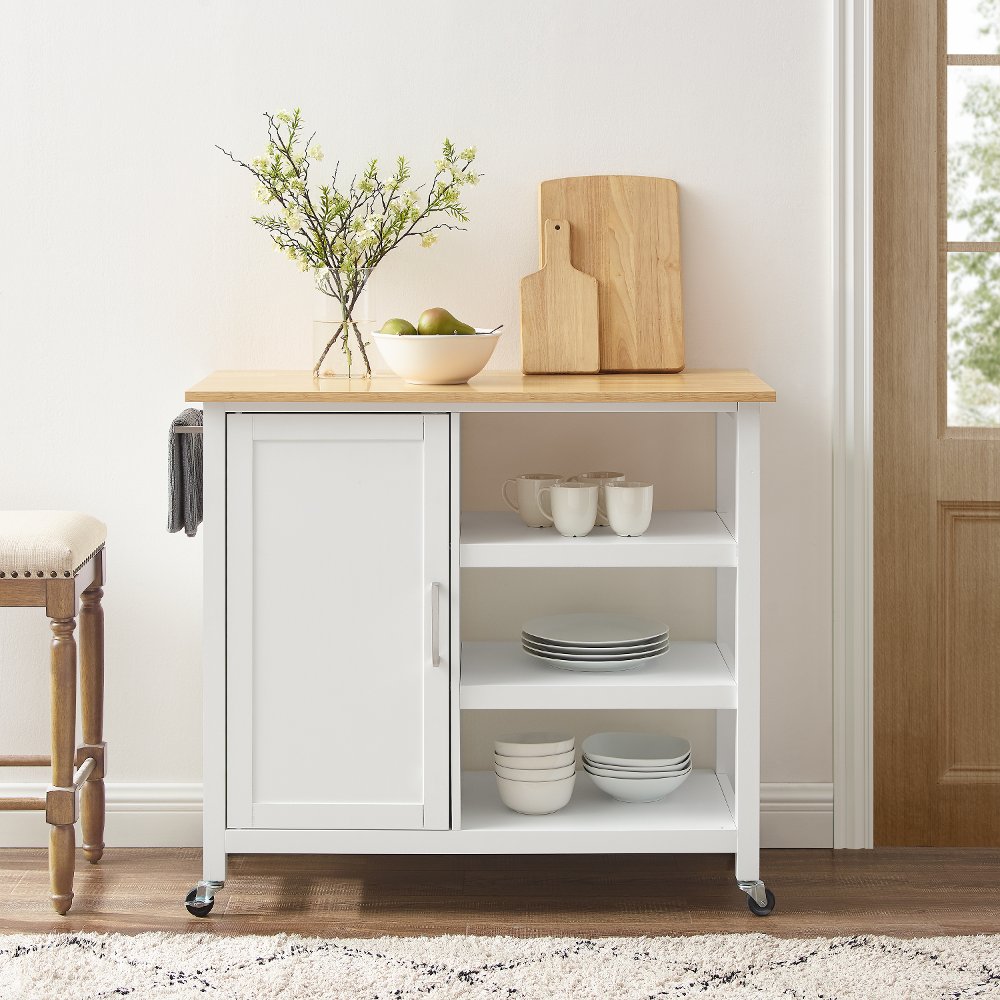
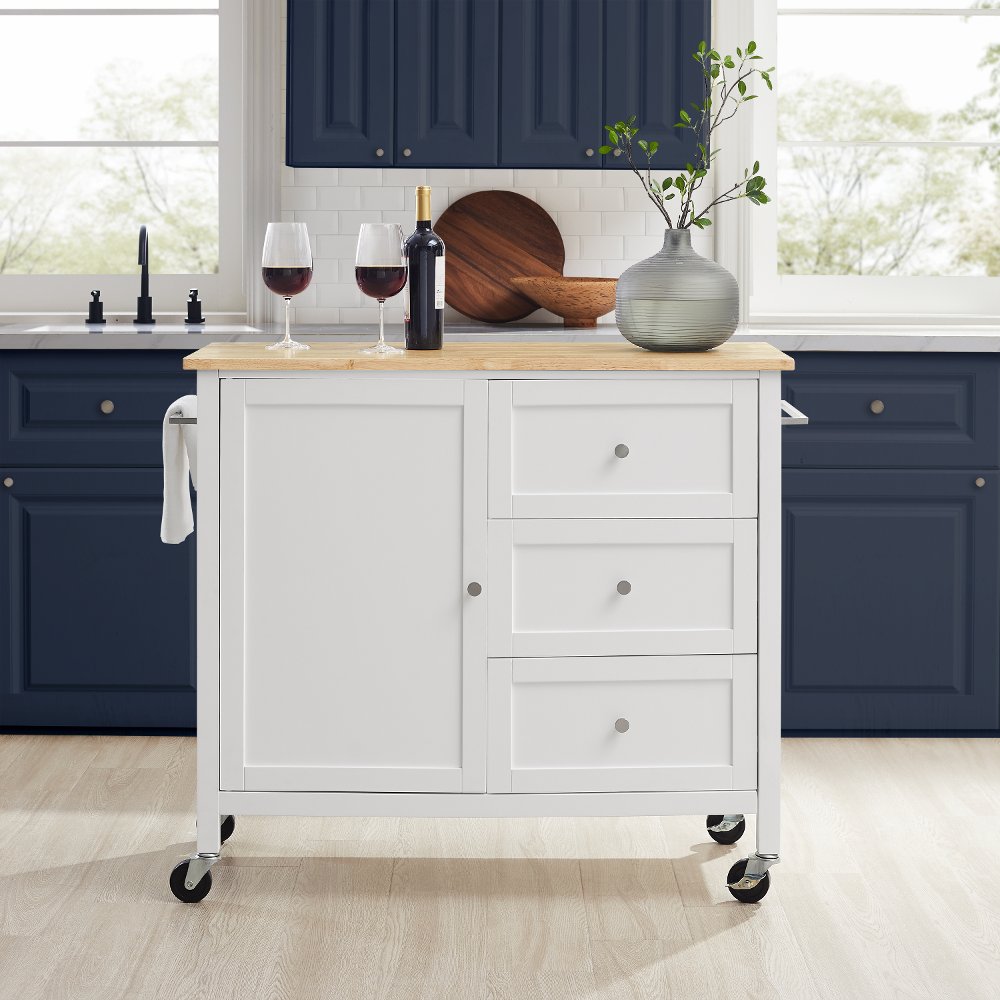
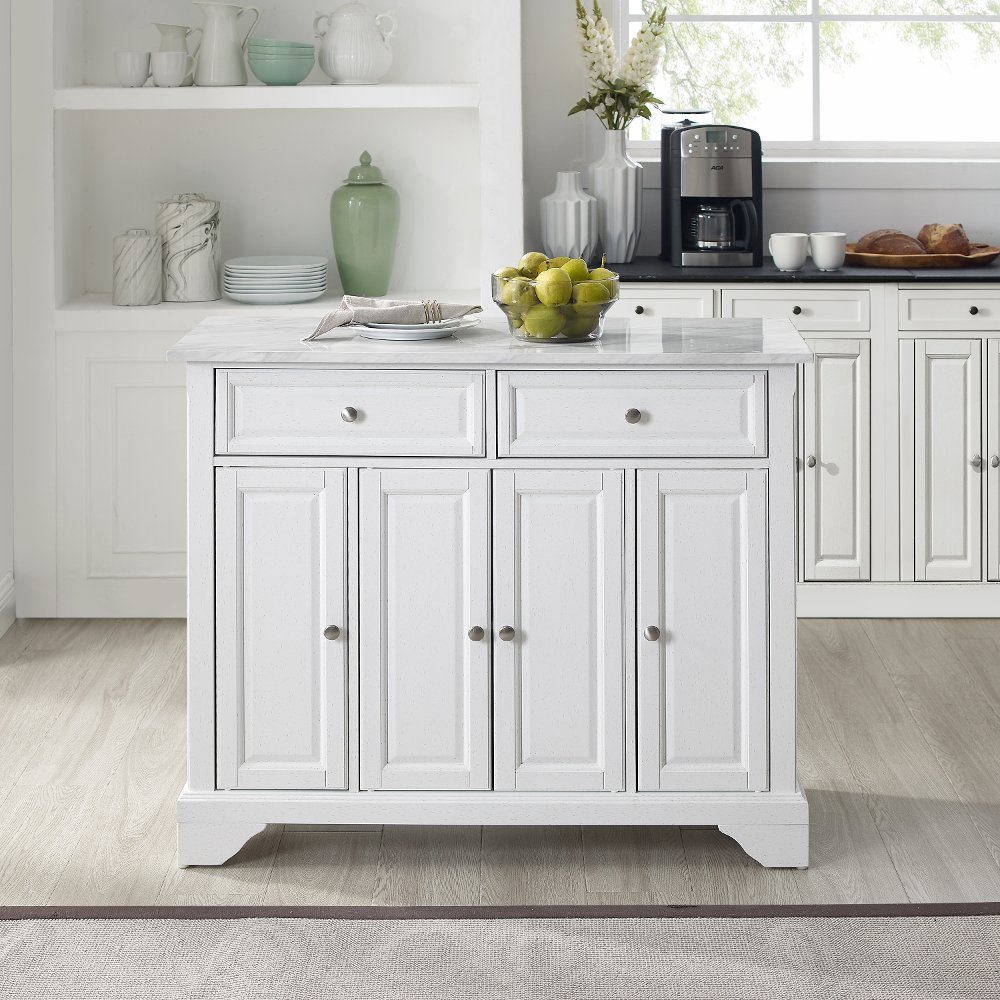
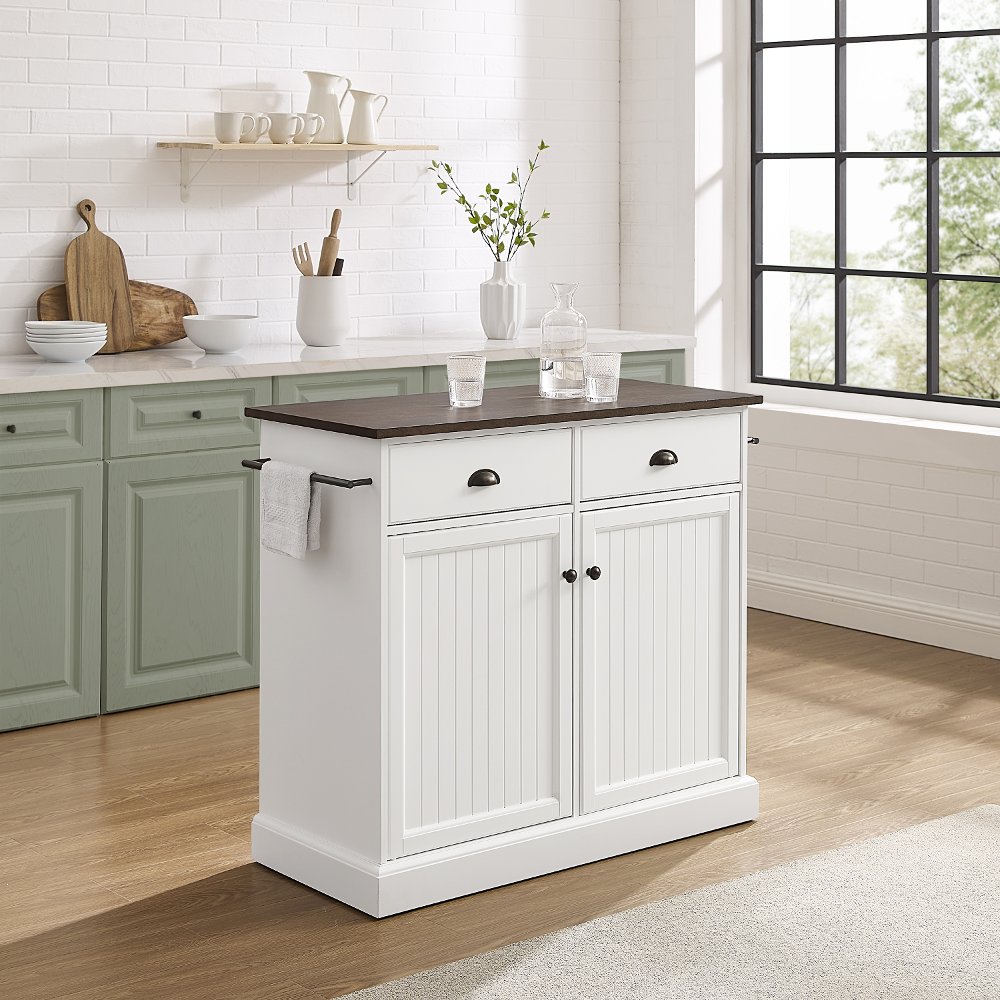
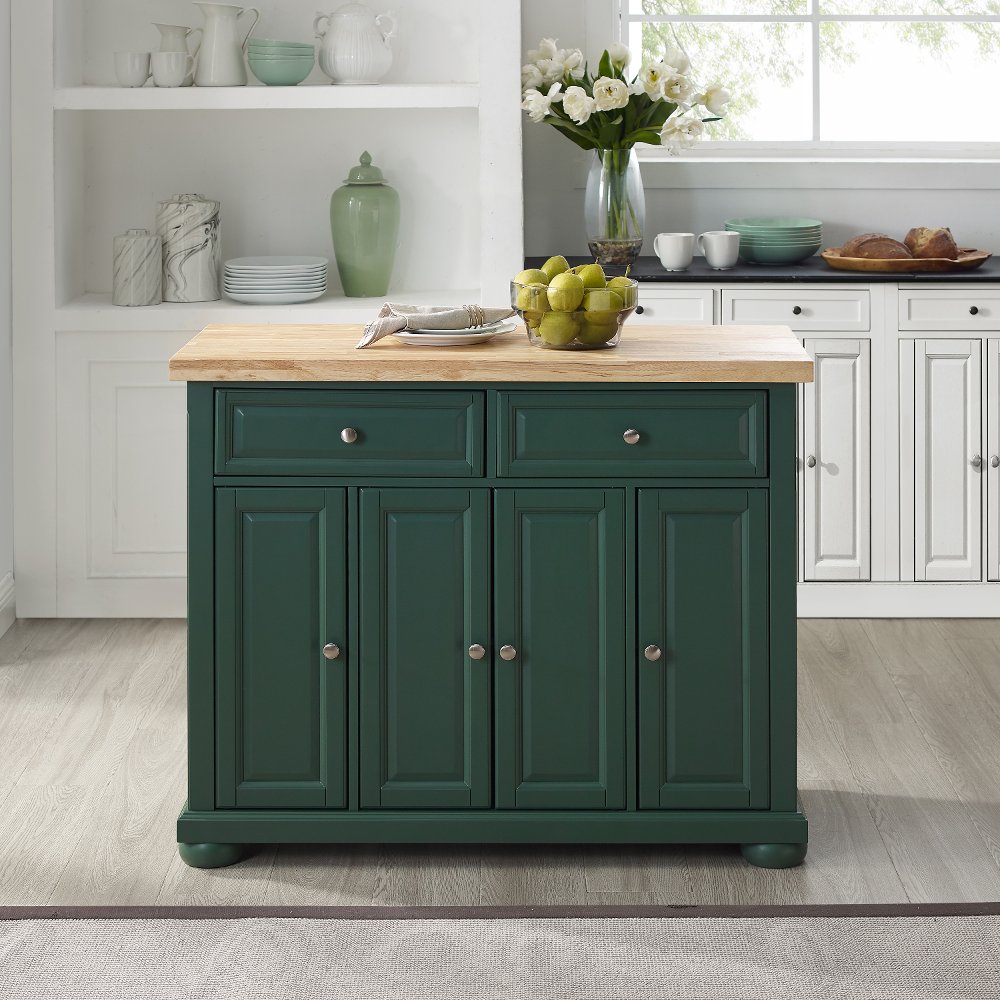
Solid wood kitchen carts combine movable workspace with practical storage, giving dishes, cookware, and everyday tools a place close to where you use them. Unlike a fixed kitchen island, a cart with casters can move between a prep area, a dining space, and an out-of-the-way parking spot, provided the floor and clearances allow it. That flexibility makes these carts useful in apartments, kitchens with limited counters, and larger rooms that need a dedicated station for baking or serving. A compact design can hold a mixing bowl above a shelf of baking pans, while a wider cart can organize serving platters, folded towels, and utensils behind drawers or doors. Wood adds visual warmth, too, with grain patterns and color variations that give each piece its own character. Common hardwoods used in kitchen carts include maple, birch, beech, rubberwood, and oak; their appearance, hardness, and maintenance needs vary. Maple often has a fine, subtle grain, while oak tends to show a more pronounced pattern. Rubberwood is a hardwood used in furniture, though the name can make it sound otherwise. Construction details matter just as much as the wood species. A solid wood top doesn’t necessarily mean the entire cart is solid wood, so material descriptions should identify the frame, shelves, drawer components, and cabinet panels separately. Solid wood can include boards joined together to form a larger surface; it doesn’t have to be one uninterrupted slab. For a workspace that feels dependable during everyday tasks, look for sturdy joinery, adequate support beneath the top, and clearly stated weight limits. A cart intended to carry dinnerware or a countertop appliance needs more than an attractive finish. Its structure should suit the load, and its layout should keep frequently used items within comfortable reach. The most useful choice is one that gives your kitchen a specific advantage, whether that’s an extra landing spot beside the refrigerator or a central place to gather ingredients before dinner.
Fit involves more than finding an open patch of floor. Measure the cart’s full width, depth, and height, including handles, towel bars, and any accessories that project beyond the cabinet. Leave room for drawers and doors to open, and check that the cart won’t interfere with the refrigerator, dishwasher, oven, or nearby seating. In a narrow kitchen, a shallow cart parked against a wall may be more useful than a larger model that interrupts the path between the sink and stove. Drop-leaf kitchen carts offer another approach: the leaf stays down for everyday circulation and lifts when an additional serving surface is helpful. Measure both positions, and confirm how the leaf is supported and how much weight it can hold. If seating is part of the plan, choose a design intended for it, with sufficient knee clearance and a compatible stool height. Worktop height matters for standing tasks as well; a surface that’s comfortable for arranging plates may feel different during extended mixing or kneading. Storage should reflect what actually needs a home. Shallow drawers keep measuring spoons and utensils from disappearing beneath larger tools, open shelves make heavy bowls easy to retrieve, and enclosed cabinets help keep less frequently used pieces protected from dust. Adjustable shelves offer flexibility for taller pitchers or small appliances. For a coffee station, confirm that the top can support the equipment and that placement follows the appliance manufacturer’s ventilation and electrical requirements. Cords should stay clear of walkways and moving wheels. Casters also deserve attention: check their suitability for your flooring, the cart’s loaded weight, and the type of locking mechanism. Engage the locks before using the work surface, and avoid treating a rolling cart as a step stool or seat. When moving it, secure loose contents and watch for thresholds or rug edges that could catch a wheel. Thoughtful measurements and a clear purpose help a kitchen cart feel like part of the room rather than another obstacle to navigate.
The right surface depends on how you plan to use your solid wood kitchen cart. A finished furniture-style top works well for setting down dishes, organizing ingredients, or serving snacks, but it isn’t automatically suitable for direct chopping. Even a thick wood top described as butcher block should be checked for its intended use and finish before food preparation. Edge-grain butcher block shows the long edges of joined wood strips, while end-grain construction exposes the ends of the wood fibers in a block-like pattern; both require care appropriate to the specific surface. Unless the manufacturer identifies the top as a cutting surface, use a separate cutting board. Protect the wood from hot cookware with trivets, wipe up spills promptly, and avoid leaving damp cloths or standing water on the surface. For routine cleaning, follow the care instructions, use a soft cloth with an approved cleaner, and dry the wood afterward. Some unfinished or oil-finished butcher block tops need periodic applications of food-grade mineral oil or another recommended conditioner, while sealed finishes may require a different approach. Oil isn’t a universal treatment for every wood cart. Wood naturally responds to changes in indoor humidity, so sensible placement away from direct heat sources and routine care help preserve its appearance and function. Over time, light marks can become part of a well-used piece’s character, but repair options depend on the finish, construction, and depth of any damage. Style can be just as practical as storage when the cart sits in full view of the dining or living area. Clean lines and a smooth finish suit a streamlined kitchen, while visible grain and textured details can complement rustic kitchen carts and other relaxed furnishings. Matching every wood tone isn’t necessary; repeating a cabinet color or hardware finish can help tie the room together. Whether the cart becomes a baking station, a serving companion, or everyday cookware storage, durable construction and a layout matched to your habits give it a lasting role in your kitchen.
Read More