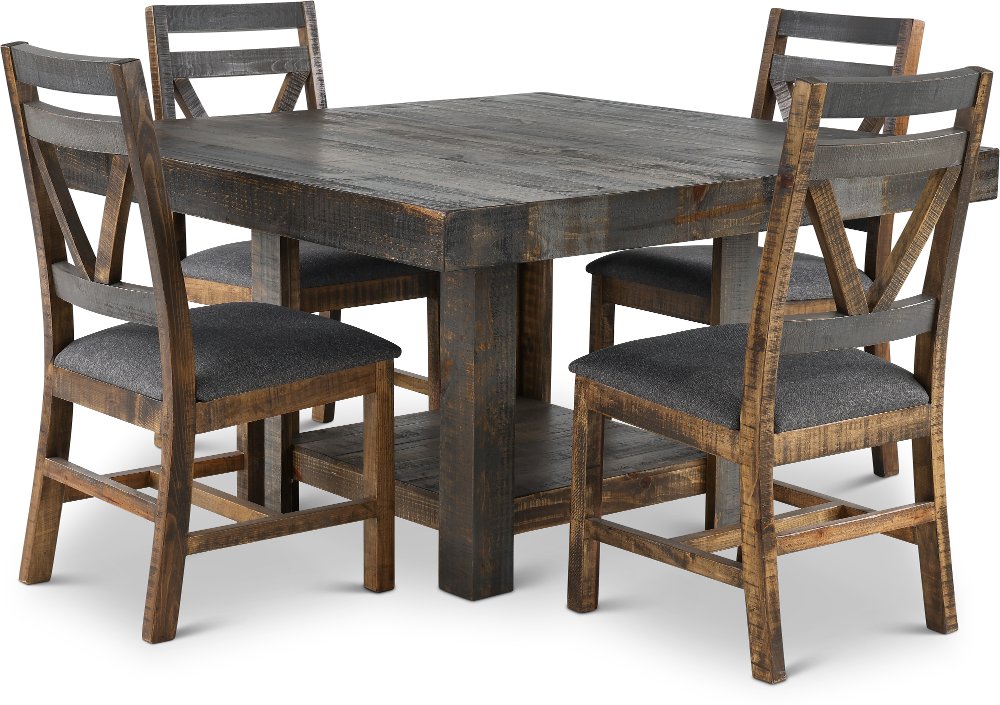
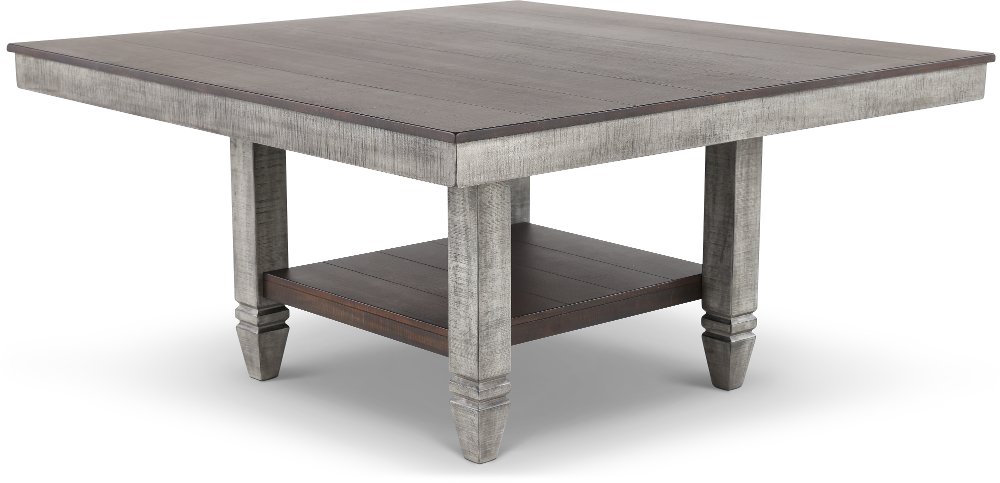
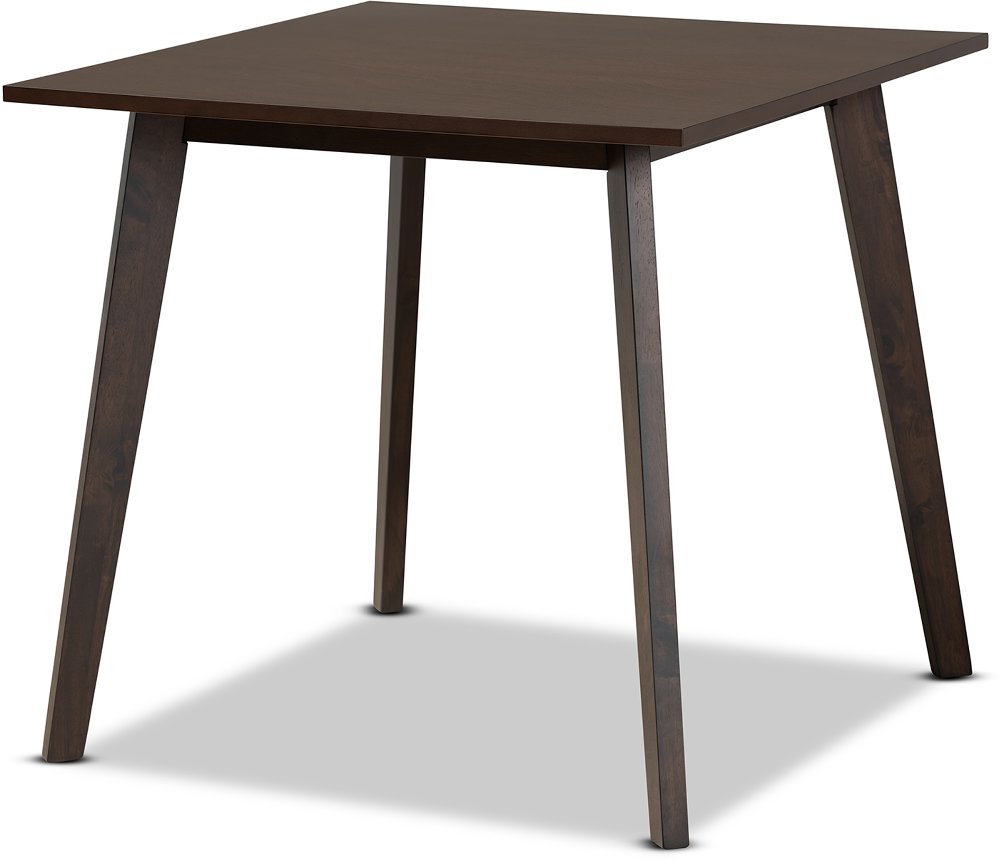
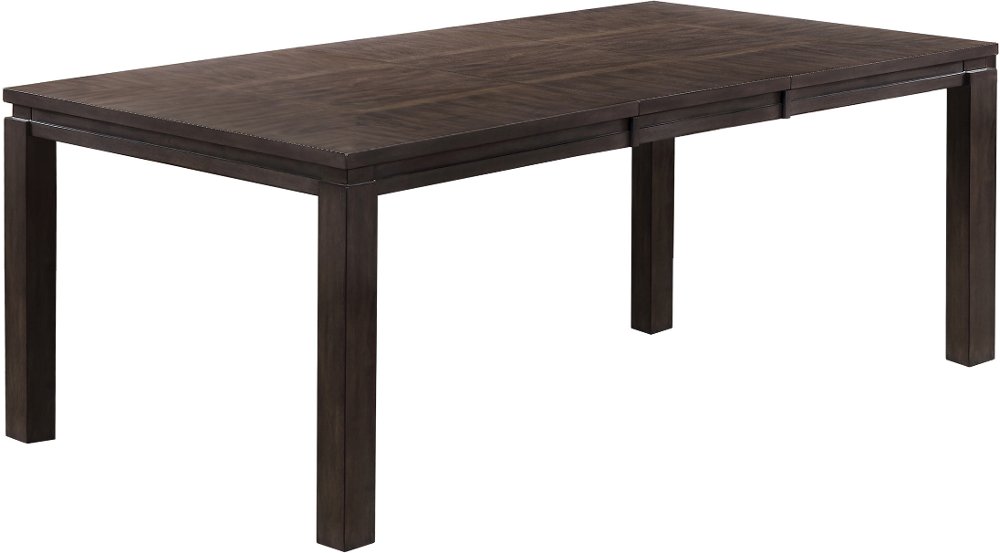
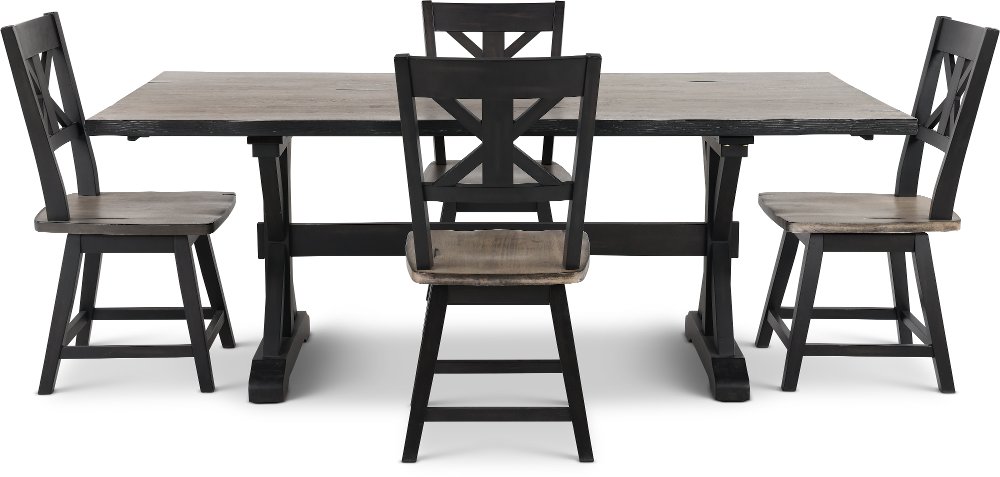
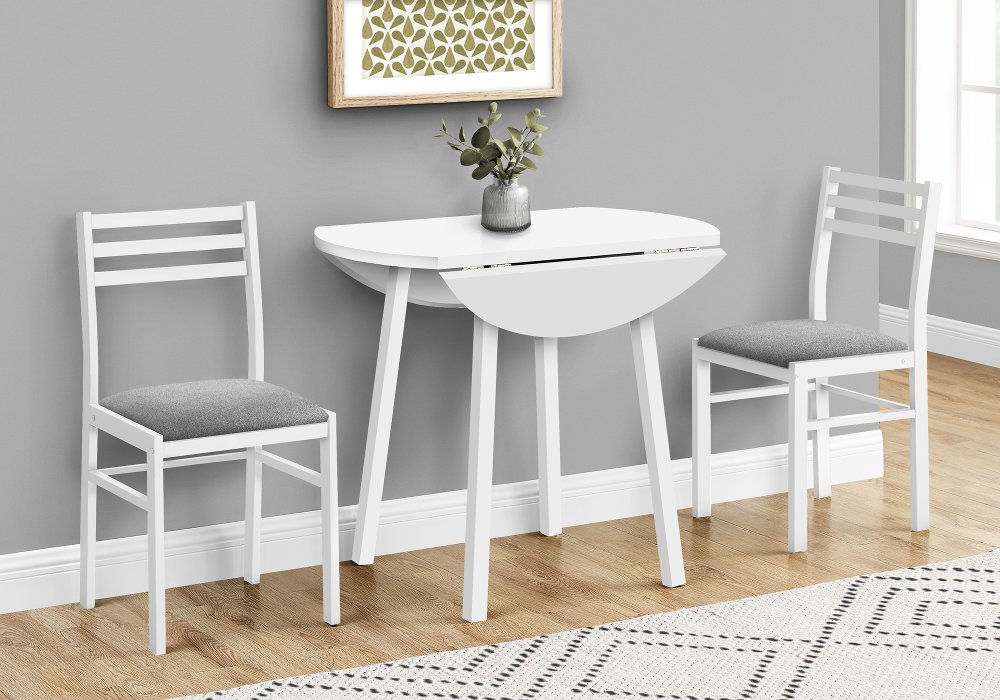
Square kitchen dining tables bring a balanced shape to the place where breakfast, conversation, and everyday projects happen. With four equal sides, a square tabletop creates an intimate setting that lets people face one another without anyone sitting at the far end of a long table. That layout works especially well for couples, small households, and families who want a comfortable spot for regular meals. It also suits a square dining room, an eat-in kitchen, or a breakfast nook where a longer rectangular table could interrupt the flow. Size makes the difference between a cozy fit and a crowded corner. A tabletop measuring about 30 to 36 inches square can work for two people daily and accommodate up to four for lighter meals, depending on the chairs and place settings. For four adults eating full meals, a 36- to 48-inch square table generally offers a more practical range, with the larger sizes leaving extra room for serving dishes. Tables around 60 inches square may accommodate eight with two people along each side, but chair width, corner placement, and the base design all affect comfort. Allow roughly 24 inches of table edge per diner as a starting point, then account for wide chairs or generous place settings. Equal sides don’t automatically mean equal legroom: Corner legs, decorative supports, and thick bases can change where people sit comfortably. The surrounding space matters just as much as the tabletop. About 36 inches between the table edge and a wall or nearby furniture gives diners room to pull out chairs; closer to 42 to 48 inches is more comfortable along a frequently used walkway. In a kitchen, leave appliance doors and cabinet drawers enough room to open, too. Marking the table’s footprint on the floor with painter’s tape can help you picture the fit before committing, especially when a nearby island, pantry door, or patio entrance needs to remain easy to reach.
Materials give square dining tables their character and help determine how they handle daily life. Solid wood offers natural grain, a substantial feel, and variation that makes a dining area feel personal rather than overly matched. Oak often has a pronounced grain pattern, while other woods may have a smoother, more understated appearance. A wood veneer tabletop uses a thin layer of real wood over a core material, offering natural wood character with construction that can help limit some movement associated with solid wood. Veneer isn’t the same as laminate, and its thin surface requires care because deep sanding can wear through it. Laminate surfaces can be practical for busy kitchens, with finishes that are often easy to wipe clean, although resistance to heat, moisture, and scratches varies by construction. Glass tops let light pass through and can make a small dining space feel less visually crowded. They also show fingerprints and need regular cleaning to keep their clear appearance. Stone and concrete bring distinctive texture and weight, but some surfaces need sealing or special cleaners, and their heaviness matters when moving furniture or protecting floors. Metal bases can add a slim, straightforward profile or a more substantial industrial look. Across materials, dependable construction matters more than appearance alone: Secure joints, stable legs, and a well-supported top contribute to a table that feels steady when someone cuts food or leans forward in conversation. Everyday care starts with the manufacturer’s instructions. Coasters, trivets, and placemats help protect finishes, and prompt spill cleanup is especially important around seams and edges. A soft cloth and an approved cleaner are usually a better starting point than an abrasive scrubber. For a table that doubles as a homework station or craft surface, a protective mat creates a useful barrier against pencil marks, glue, and accidental scratches. Floor protectors suited to your flooring can also help prevent marks beneath the legs, particularly if the table gets moved for cleaning.
The base, height, and finish of a square kitchen table shape how comfortably it fits into your routine. A pedestal base can free up space near the corners, making chair placement more flexible, though a broad pedestal foot may still compete with diners’ feet. Four-leg designs give each seat a clearly defined position, but the distance between the legs determines whether chairs tuck in neatly. Storage bases can keep napkins or small dining essentials close by, provided their shelves or drawers don’t crowd knees. Standard dining tables are generally about 28 to 30 inches high and pair with dining chairs whose seats are often around 17 to 19 inches high. Counter-height tables are typically about 34 to 36 inches high and need appropriately sized counter stools rather than standard dining chairs or taller bar stools. Allow approximately 10 to 12 inches between the seat and the underside of the tabletop, checking whether an apron reduces that space. For children, shorter adults, or anyone who prefers an easier seated position, standard dining height may be the more comfortable everyday choice. Style can be just as practical as dimensions. A pale wood finish can keep a compact breakfast nook feeling light, while a darker tabletop creates contrast against light cabinetry. A simple painted base and wood-look or wood top can complement a relaxed farmhouse setting; clean edges and slender supports suit a more streamlined room. Upholstered chairs add softness for lingering conversations, while wipeable seating can simplify cleanup after family meals. If coordinating the table and seating together feels easier than choosing each separately, kitchen dining table sets offer another way to create a cohesive dining area. A square table can feel complete with just a low bowl or small vase in the center, leaving clear sightlines and room for plates. Whether it’s holding coffee for two, dinner for four, or a board game after the dishes are cleared, the right proportions make a familiar gathering place feel comfortable and easy to use.
Read More