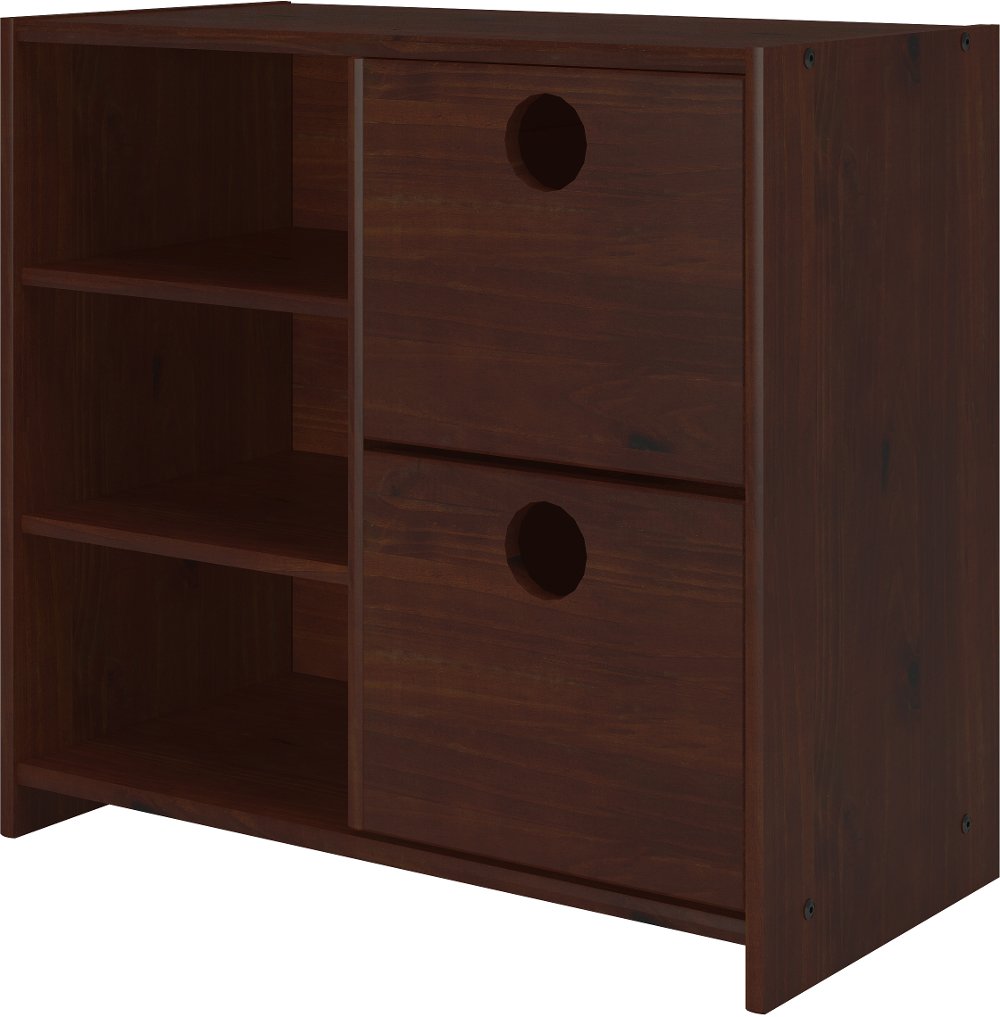
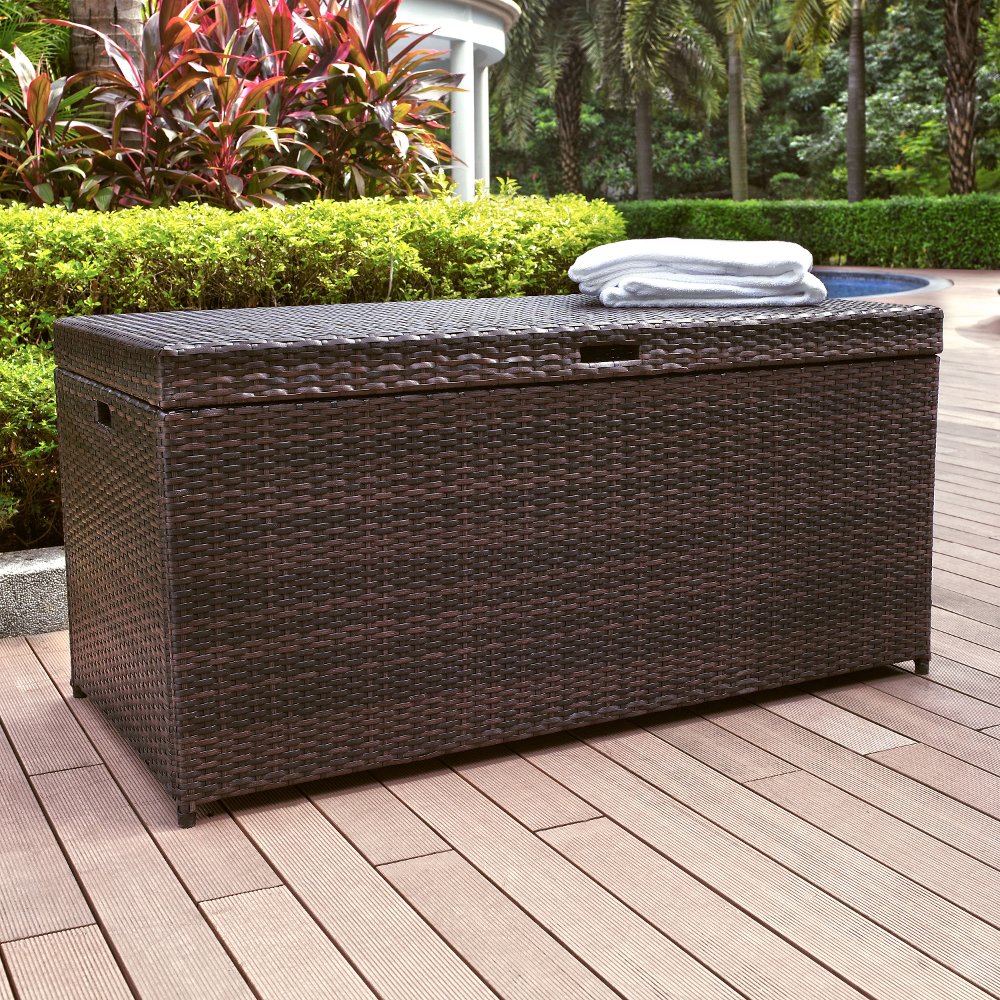
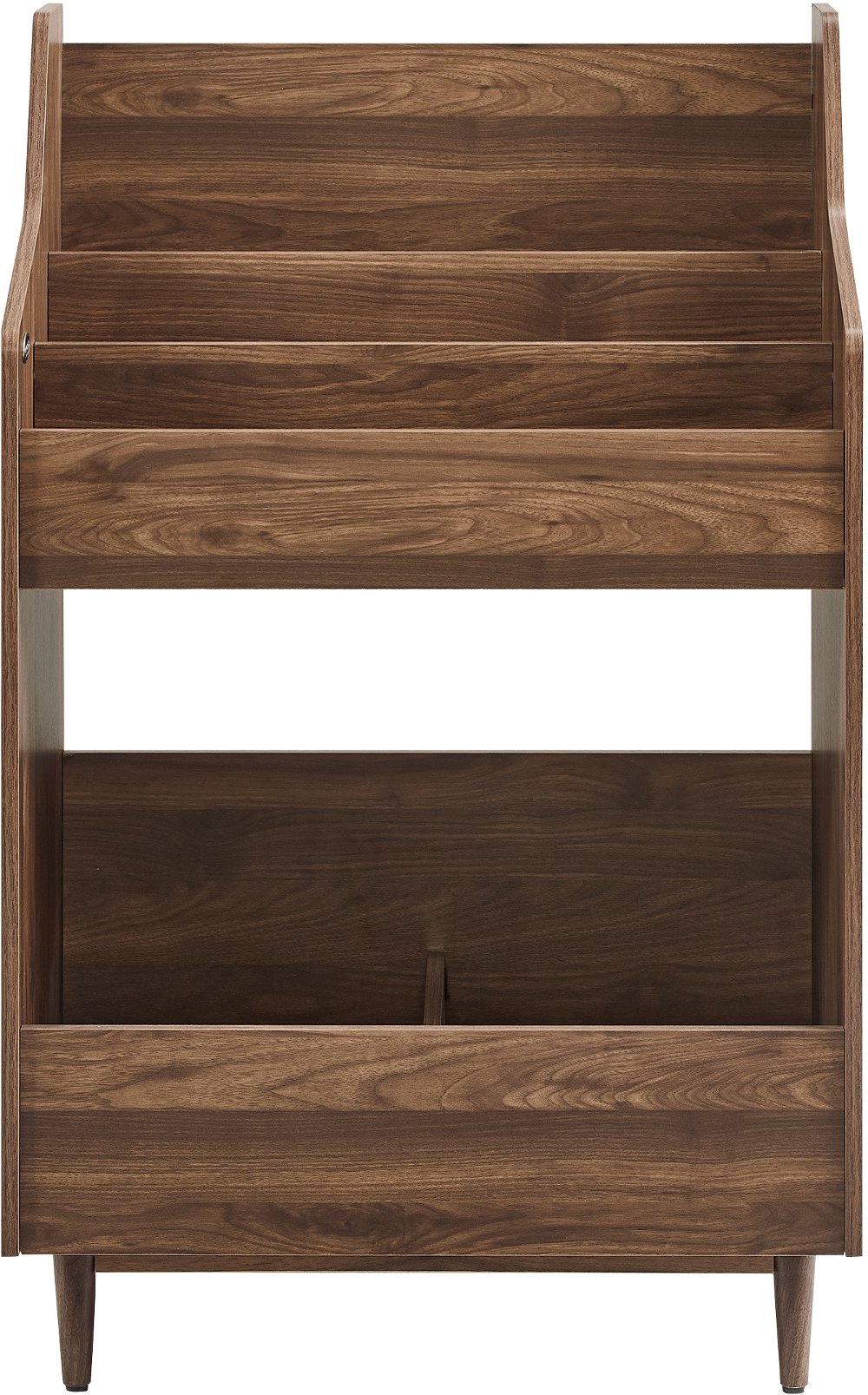
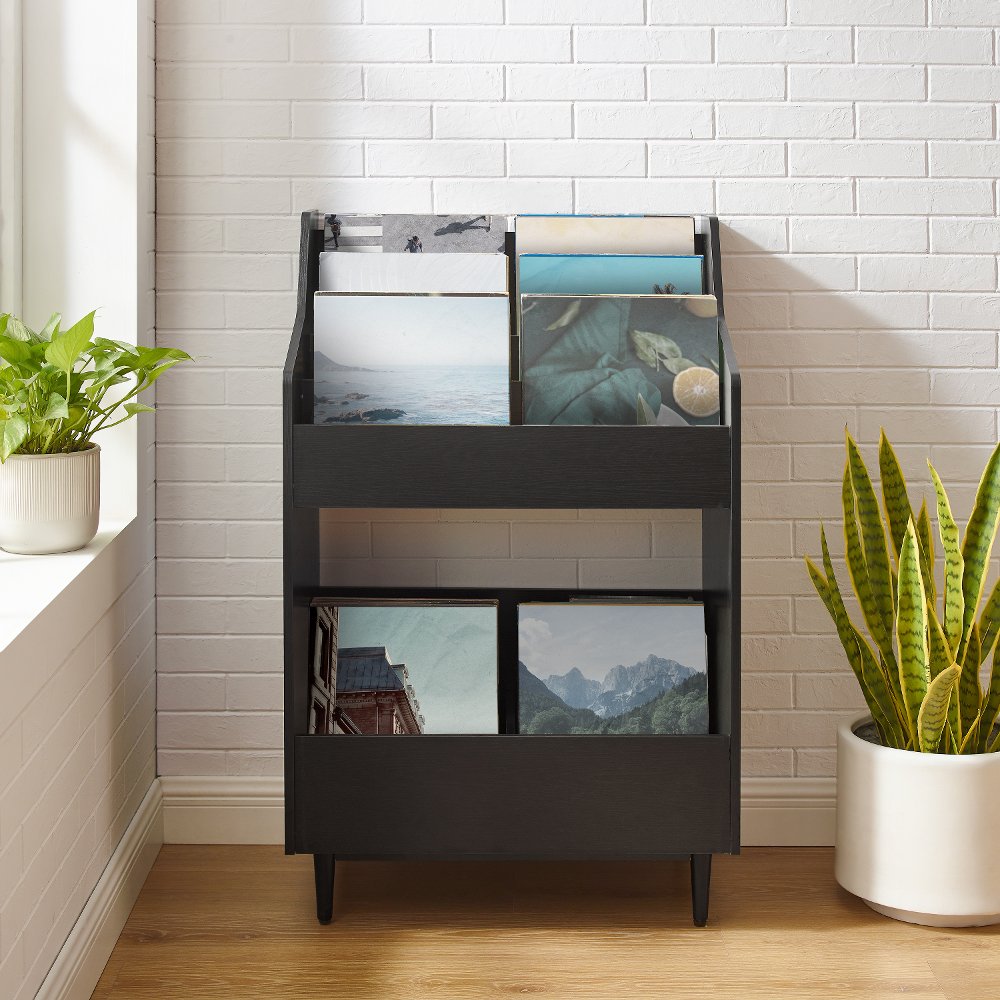
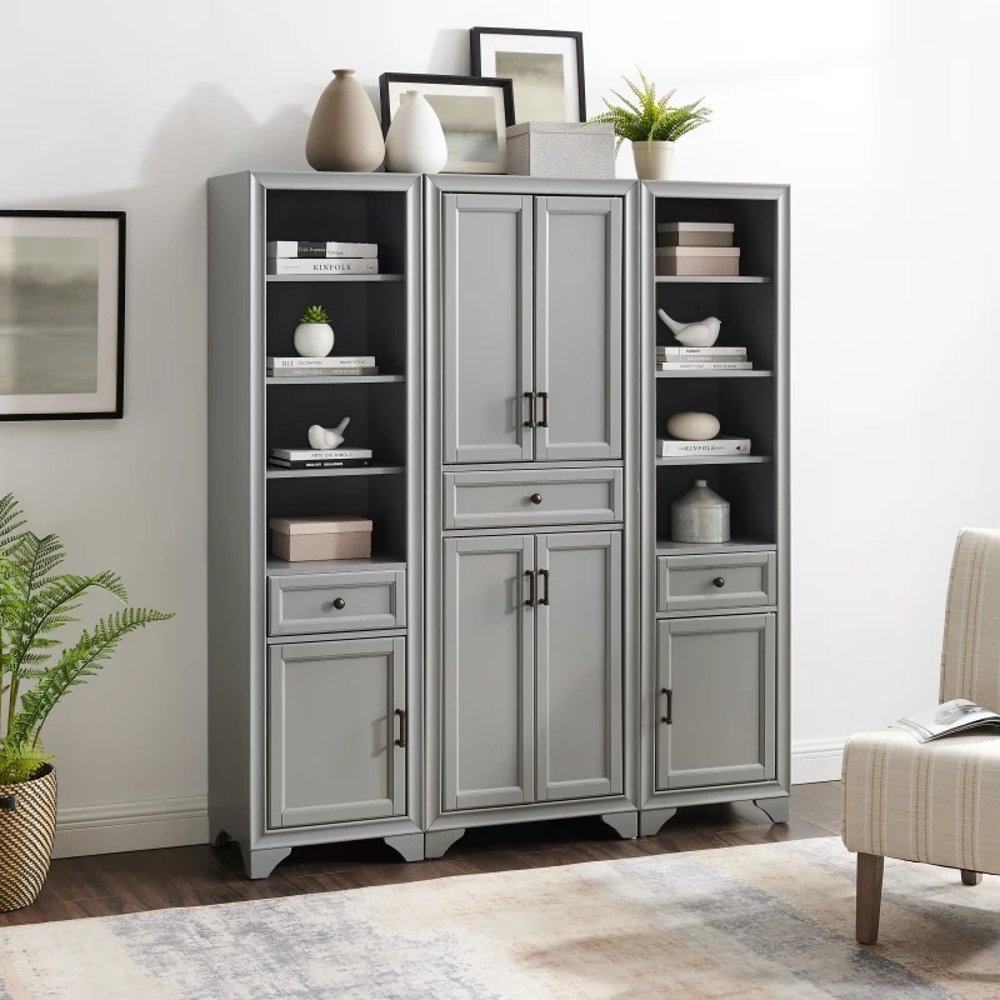
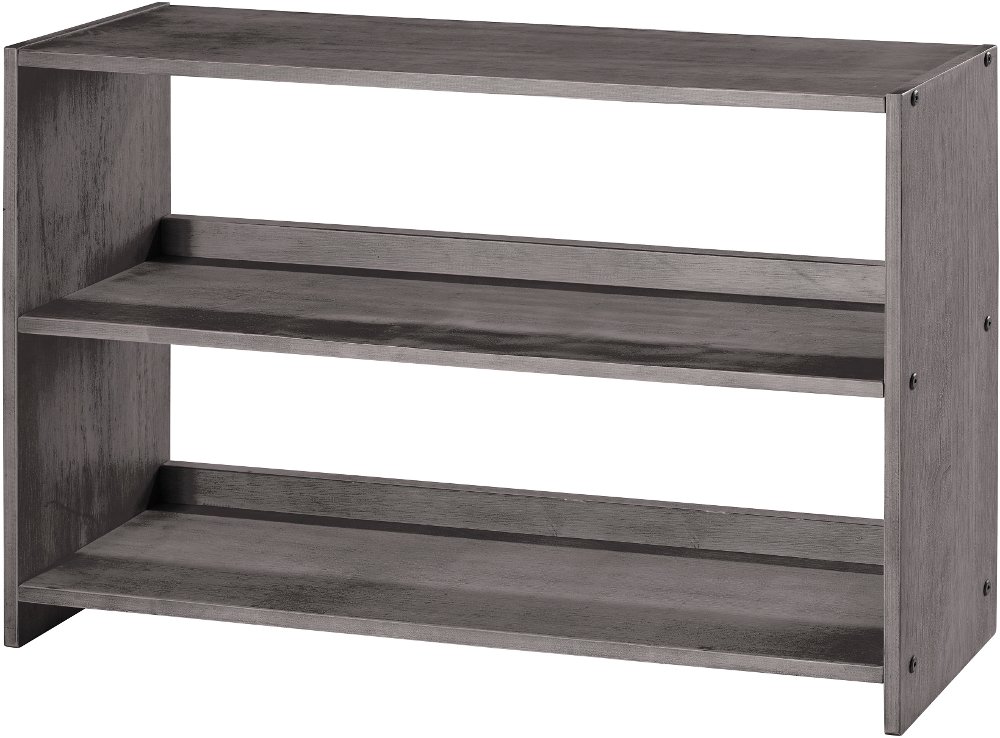
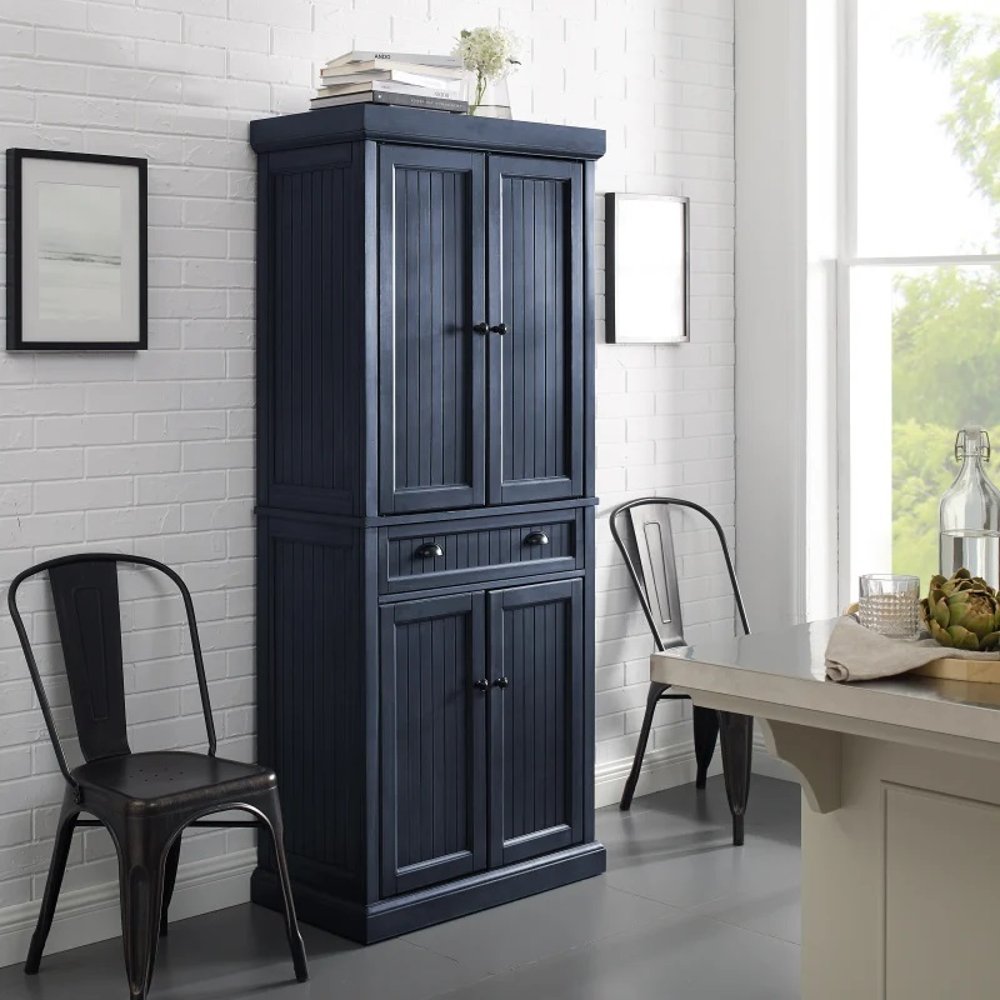
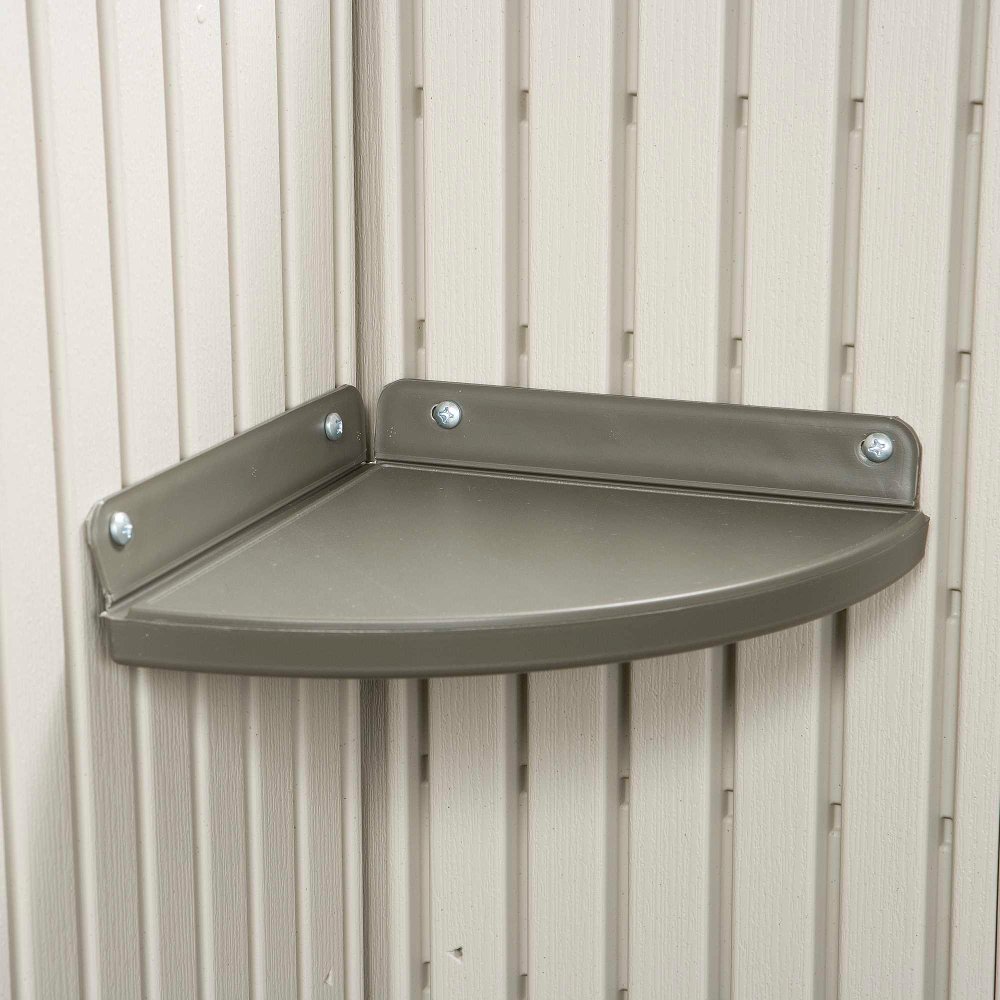
Storage solutions give everyday belongings a dependable place to land, making your home easier to enjoy and simpler to keep organized. They include furniture, shelving, cabinets, baskets, and organizers that put floor space, wall space, closet interiors, and overlooked corners to work. The right fit depends on what you’re storing, how often you reach for it, and how much room you have to move around. In a busy entryway, accessible compartments can keep shoes, backpacks, and cold-weather accessories from spreading into the hallway. In a living room, enclosed storage makes room for games, charging cables, and extra blankets while open shelves leave favorite books and meaningful keepsakes in view. A combination of the two often feels most natural: a few objects on display, with the practical clutter tucked nearby. Storage furniture that serves more than one purpose is especially useful in apartments, shared homes, and rooms that handle several activities throughout the day. A place to sit can also hold spare linens, and a surface for evening reading can provide room for small essentials underneath. These arrangements help a room feel furnished rather than crowded with containers. Materials and finishes contribute to that effect, too. Wood tones bring warmth to a space, painted finishes can blend with surrounding trim, and metal adds a crisp outline that works well alongside upholstered furniture. Woven textures soften a bank of shelves, while smooth fronts create a quieter backdrop in a room with patterned rugs or colorful artwork. Coordinating every finish isn’t necessary; repeating a color or texture can give different storage pieces a sense of connection. For another way to explore how organization and furnishings work together, Storage Designs offers a related perspective. The goal is storage that looks at home in your space and supports what actually happens there, whether that means keeping a family movie night within easy reach or giving a small dining area room to double as a workspace.
Good storage fits the contents as carefully as it fits the room. Overall width, depth, and height matter, but interior measurements determine whether a shelf can hold tall binders, a compartment can accommodate folded blankets, or a drawer can close comfortably around its contents. Adjustable shelves offer flexibility when your needs change, while fixed compartments provide consistent places for frequently used belongings. Door swings, drawer extensions, baseboards, and nearby outlets all affect placement. A cabinet that fits against a wall still needs clearance to open without blocking a walkway or bumping neighboring furniture. Vertical storage makes use of height when floor space is limited, particularly beside a desk or along an underused wall. Keep heavier belongings lower and everyday necessities within comfortable reach; higher shelves are better suited to lightweight things used less often. Tall furniture needs anchoring as directed by its manufacturer, and wall-mounted storage requires hardware appropriate for the wall construction and intended load. Under-bed storage makes another quiet pocket of space useful, provided there’s enough clearance beneath the frame and room alongside the bed to pull containers out. Covered compartments help protect spare bedding and seasonal clothing from dust, though fabrics should be clean and completely dry before storage. Over-the-door organizers can use otherwise empty space in bedrooms and bathrooms, but their fit depends on door thickness, top clearance, and whether the door can still close properly. Inside closets, a mix of hanging space, shelves, and smaller compartments helps separate long garments from folded clothing and accessories. Kitchen storage benefits from easy-to-clean surfaces and configurations that keep everyday dishes accessible without unstable stacking. In bathrooms and laundry areas, materials suited to humidity are important, along with ventilation around damp belongings. Garage and utility storage calls for attention to load ratings and the conditions where it will be used. Shelving designed for a dry indoor room may not tolerate a damp garage or large temperature swings. Each setting asks something different of storage, so intended use matters as much as appearance.
Materials, construction, and care influence how storage solutions perform over time. Solid wood can offer lasting strength and distinctive grain, although it can respond to changes in humidity and may need protection from spills and direct heat. Wood veneers provide a real wood surface over a supporting core, while engineered wood and laminate finishes offer other combinations of appearance, weight, and maintenance needs. Durability depends on the whole construction, not simply the material name: sturdy joints, supported shelves, secure hardware, and smoothly operating drawers all contribute to everyday performance. Metal shelving can suit heavier-use spaces when its stated weight capacity matches the load, but protective finishes still need care to help prevent corrosion. Fabric and woven organizers are useful for lightweight belongings and add texture, though their cleaning needs differ from those of hard surfaces. Following the manufacturer’s care instructions helps preserve finishes; gentle dusting, prompt attention to spills, and avoiding unnecessarily harsh cleaners are sensible habits for many storage materials. Clear containers make contents easy to identify, while opaque fronts and baskets reduce visual clutter. Labels can help several people share a system without having to open every compartment, especially where school supplies, craft materials, or household extras live together. For families with young children, easy-to-reach storage supports everyday cleanup, while furniture stability and lid safety deserve close attention. Shared households benefit from separate compartments that give each person a clear place for their belongings. People working from home may need papers and accessories close during the day but out of view when work ends. During the cooler months, a little room for extra throws, guest linens, and bulkier outerwear can make shared spaces more comfortable without filling every surface. Leaving some breathing room on shelves and inside drawers also makes belongings easier to retrieve and return. The most useful home storage solutions don’t demand a perfectly arranged room. They accommodate real routines, protect what you keep, and make the next ordinary task a little easier.
Read More