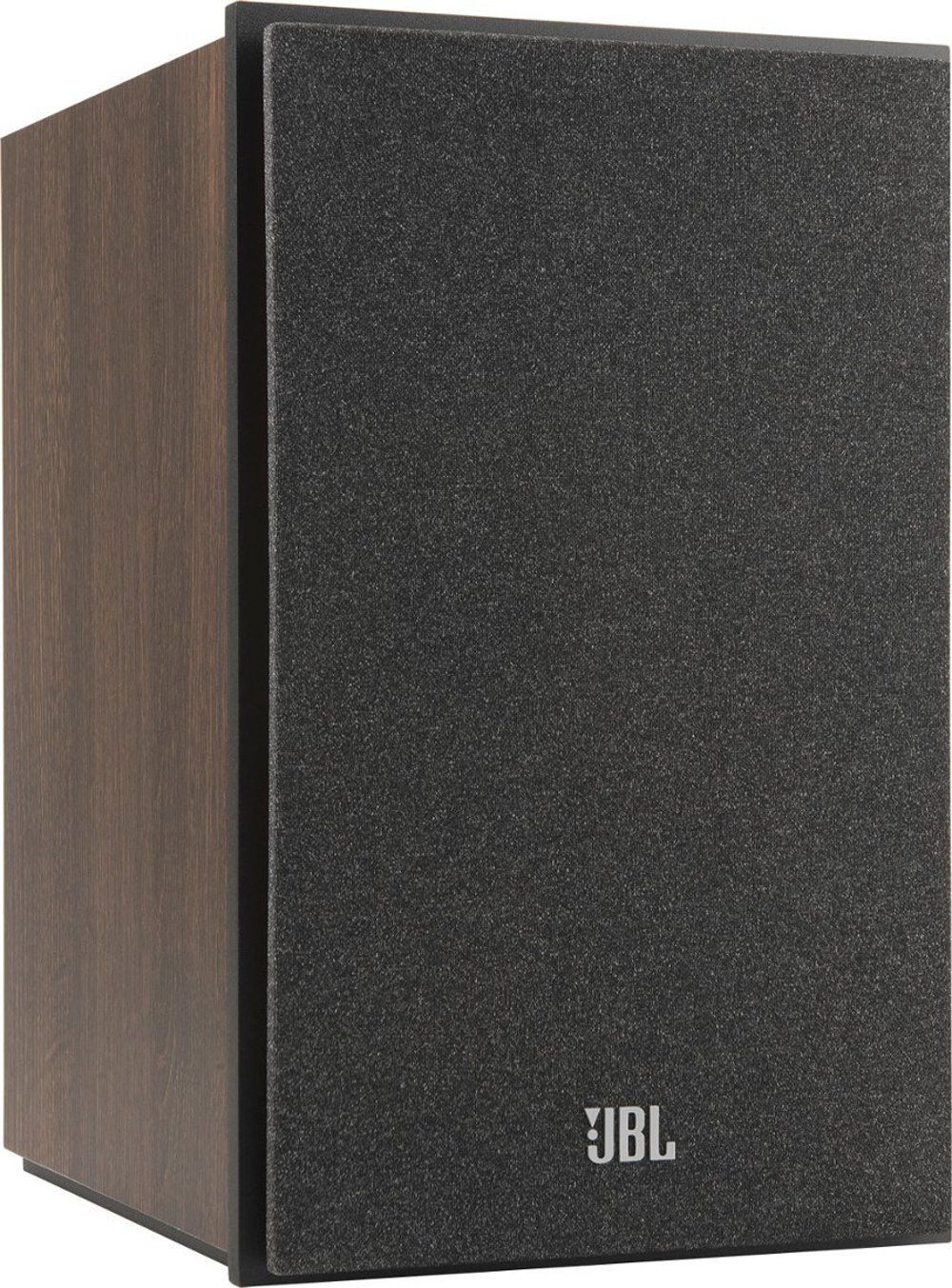
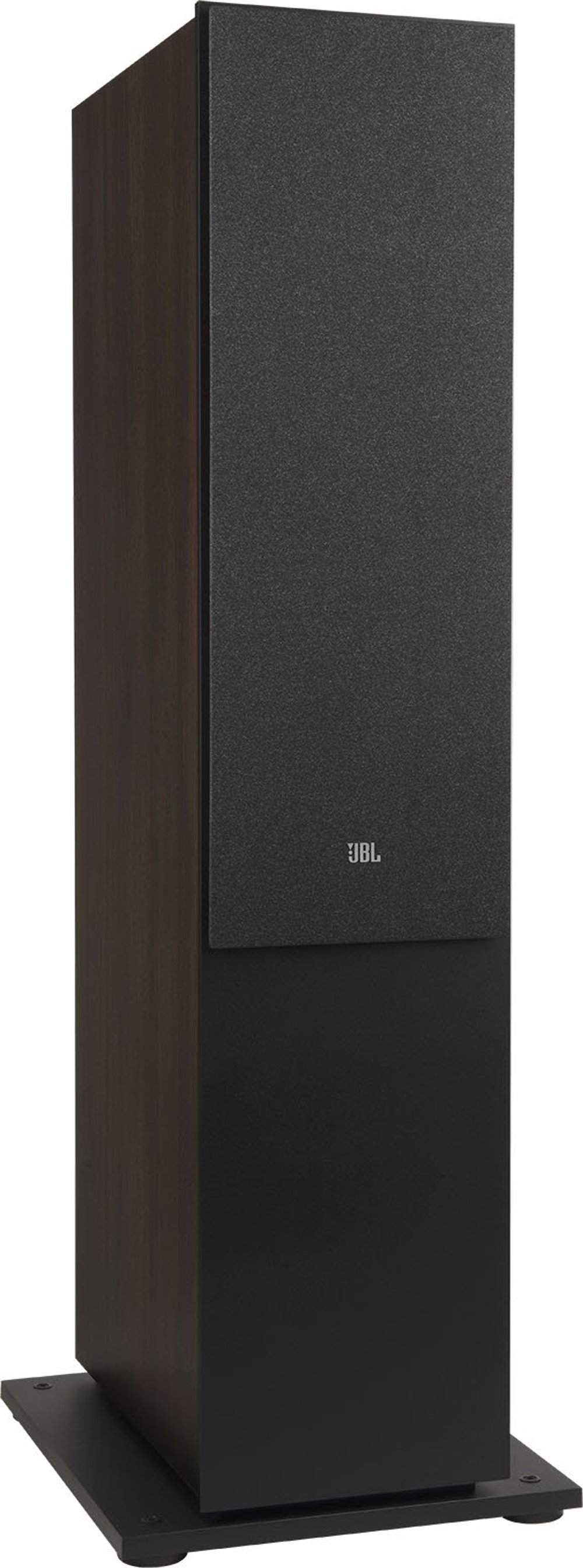
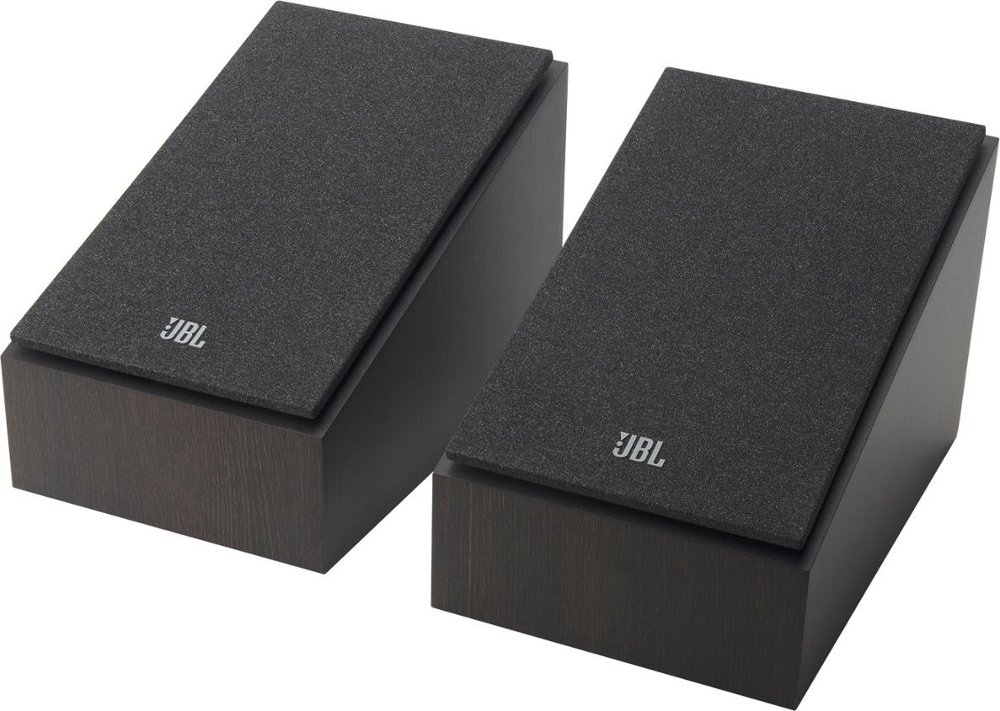
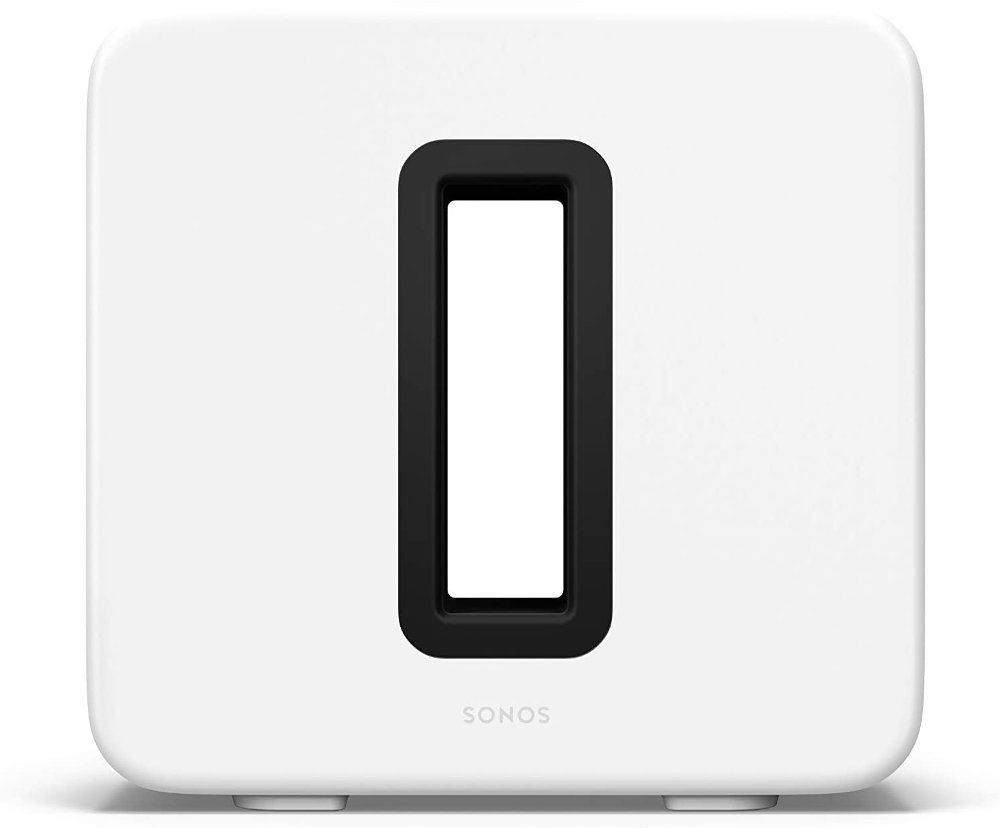
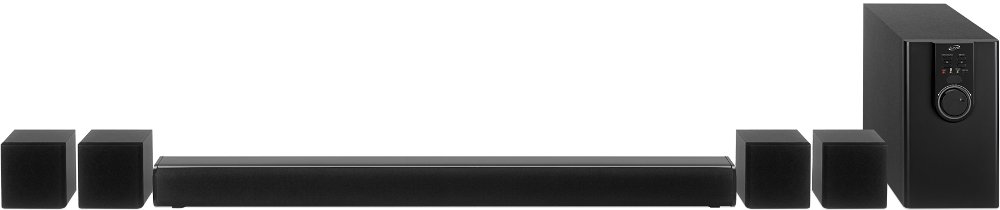
Surround loudspeakers bring the space around the screen into the listening experience, reproducing effects and ambience beside or behind the seating area. Footsteps can move across the room, a stadium crowd can stretch beyond the television, and a quiet forest scene can feel more spacious without every sound coming from the front. These speakers work as part of a multichannel home theater system rather than replacing the front speakers or subwoofer. In a traditional 5.1-channel layout, the system includes front left and right speakers, a center speaker, two surround speakers, and a low-frequency effects channel typically reproduced by a powered subwoofer. The surround pair usually sits beside or slightly behind the main seating position, not directly behind it. A 7.1-channel layout adds two rear surround speakers to the side surrounds, creating more distinct sound placement behind the audience when the room and soundtrack support it. Height-enabled layouts add another dimension: a configuration described as 5.1.2 includes five ear-level channels, a low-frequency effects channel, and two height channels. Those height effects require compatible processing and suitable overhead or upward-firing speakers; adding a standard surround pair alone doesn’t create overhead sound. For everyday viewing, surround speakers complement the center channel, which carries much of the dialogue, while the subwoofer handles deep bass effects. The result can be a more convincing sense of place during movies, live concerts, sports broadcasts, and supported video games. A busy household may appreciate compact surrounds that blend into a shared living room, while a dedicated media room can accommodate a more elaborate arrangement. More speakers aren’t automatically a better fit. A well-matched system with sensible placement can create a cohesive experience without filling every corner with equipment. The most useful choice is one that suits the seating area, the room’s layout, and the kinds of entertainment that get played most often.
The right surround loudspeakers should fit the room physically as well as acoustically. Compact bookshelf-style cabinets can sit on sturdy stands, suitable shelves, or compatible wall brackets, while low-profile wall-mounted and in-wall designs offer a more integrated appearance. Cabinet dimensions tell only part of the story: rear connections, mounting hardware, ventilation requirements for powered models, and any recommended clearance around bass ports also affect the space a speaker needs. In a living room with a sofa against the back wall, shallow cabinets and carefully chosen mounting positions may be more practical than large speakers crowded beside someone’s head. An open-plan space presents different challenges, especially when one side of the seating area opens into a kitchen or hallway. Adjustable stands or wall mounts can help establish more balanced positions, although placement should always follow the speaker’s instructions and leave walkways clear. Ear-level surround speakers generally belong near seated ear height or somewhat above it, depending on the design and layout; they aren’t interchangeable with overhead height speakers. Pairing compact surrounds with floor speakers for surround sound at the front can create a substantial front soundstage without placing large cabinets beside every seat. Materials influence appearance, weight, and performance, too. Engineered-wood cabinets, including medium-density fiberboard, are common because their rigidity helps control unwanted cabinet vibration. Molded composite enclosures can support compact shapes, while veneer, painted finishes, and fabric grilles help speakers blend with surrounding furniture. Drivers may use paper, polymer, metal, or other materials, but no single cone material guarantees better sound. Cabinet construction, crossover design, placement, and the overall match with the system matter together. For homes with children or pets, stable stands, secure mounting, and protected cable routes deserve particular attention. A grille provides some protection from accidental contact, but delicate drivers still need a spot away from curious hands, wagging tails, and everyday traffic.
Compatibility is just as important as size or finish when comparing home theater surround speakers. Traditional passive speakers need amplification, usually from an audio/video receiver with enough powered channels for the intended layout. Their impedance and recommended amplifier power should suit the receiver’s specifications; matching a single wattage number doesn’t establish compatibility. Sensitivity also affects how much amplifier power a speaker needs to reach a given listening level. Powered speakers contain their own amplification, but they still need a compatible audio connection and access to electricity. Wireless surround speakers reduce the need for speaker cable between the main system and the listening area, yet many require power cords and work only with a particular compatible system. They aren’t universally interchangeable with other wireless equipment. For a system that already has front and center speakers, surrounds with a similar tonal character can help effects move around the room without an obvious change in sound. The subwoofer connection and receiver crossover settings also matter, particularly with small surround cabinets that aren’t designed to reproduce the deepest bass. Receiver room-calibration features can help balance channel levels and timing, but they can’t fully compensate for obstructed speakers or awkward placement. Rugs, upholstered seating, and curtains may soften excessive reflections in a room with hard floors and large windows, making listening more comfortable without changing the speakers themselves. Long-term care is straightforward: follow the finish manufacturer’s directions, dust gently with a soft, dry cloth, and keep liquids away from drivers, connections, and electronics. Avoid pressing on speaker cones or using household cleaners on delicate surfaces. Secure cable connections and stable supports help protect both performance and the surrounding space. For a movie enthusiast, gamer, or concert fan, surround loudspeakers can also make a thoughtful gift when the existing system’s connections, room layout, and expansion options are known. Whether the goal is subtle atmosphere during a favorite drama or a lively soundtrack for a family movie night, speakers that fit naturally into daily life are more rewarding than a complicated setup that rarely gets used.
Read More