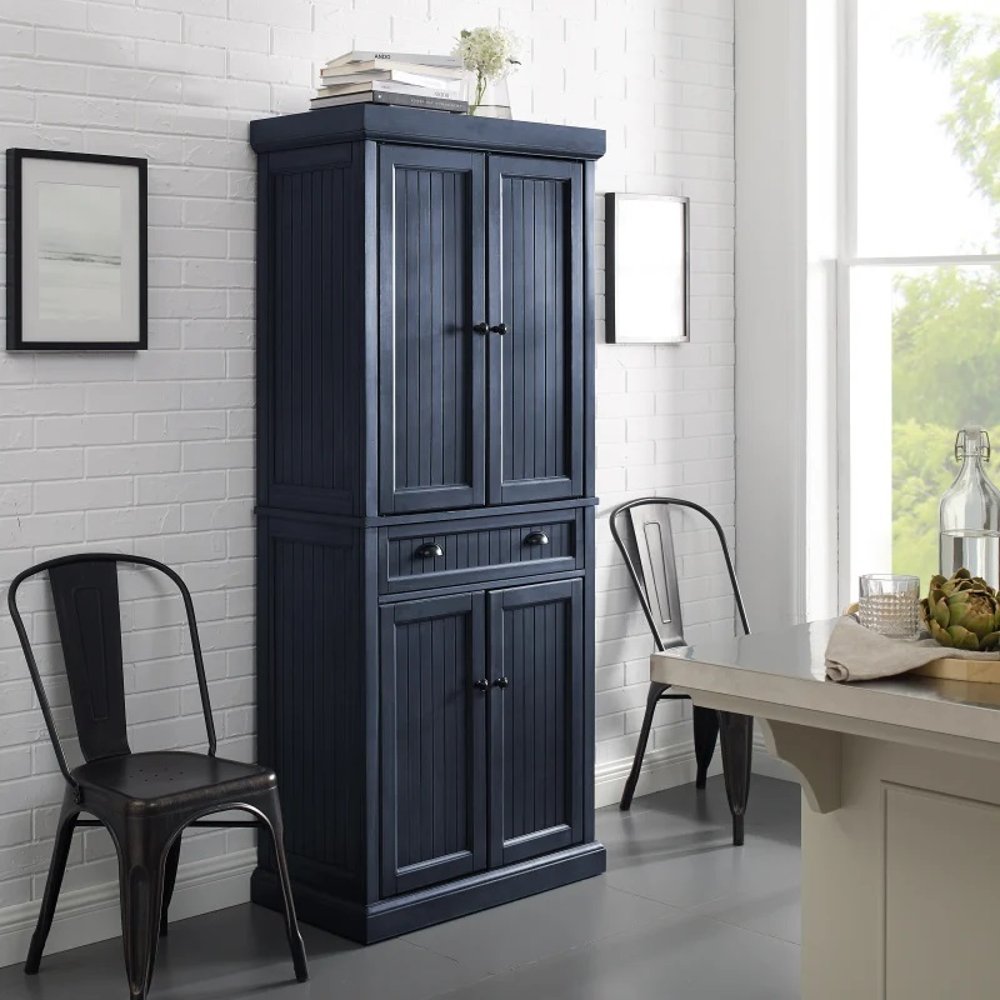
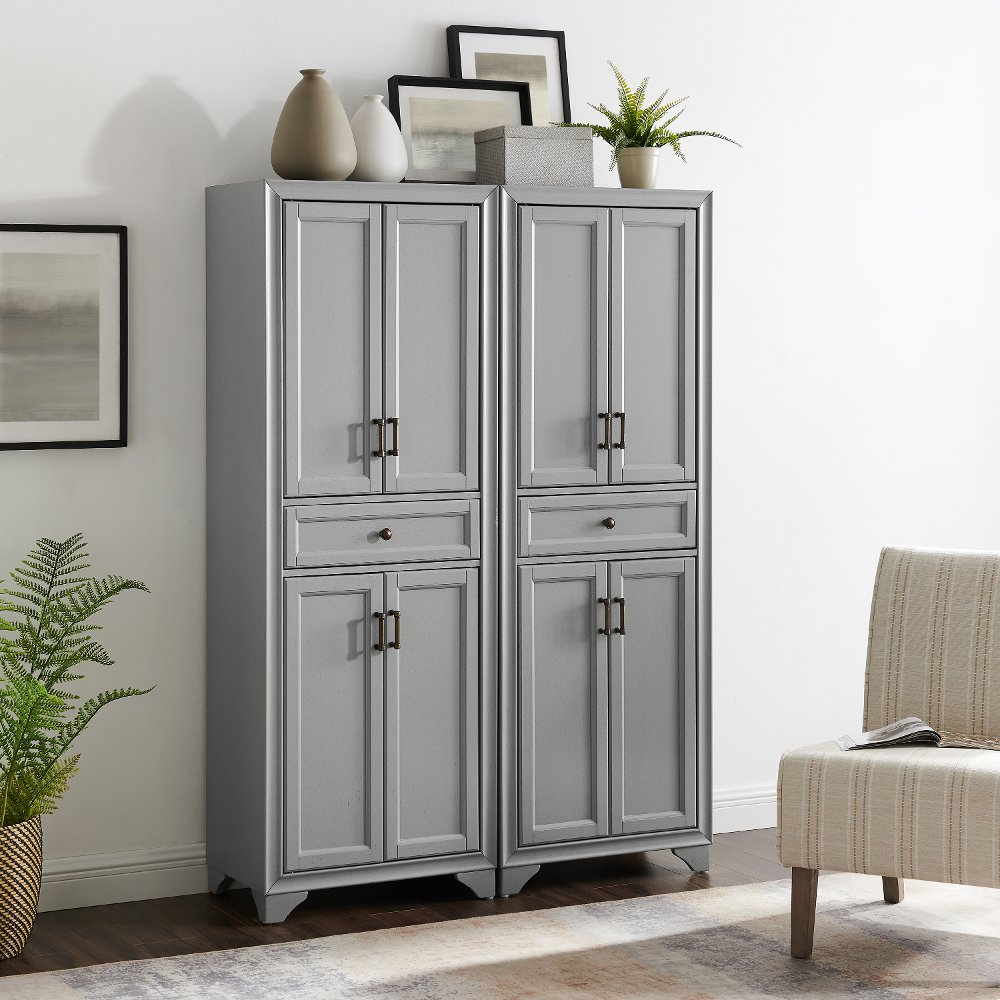
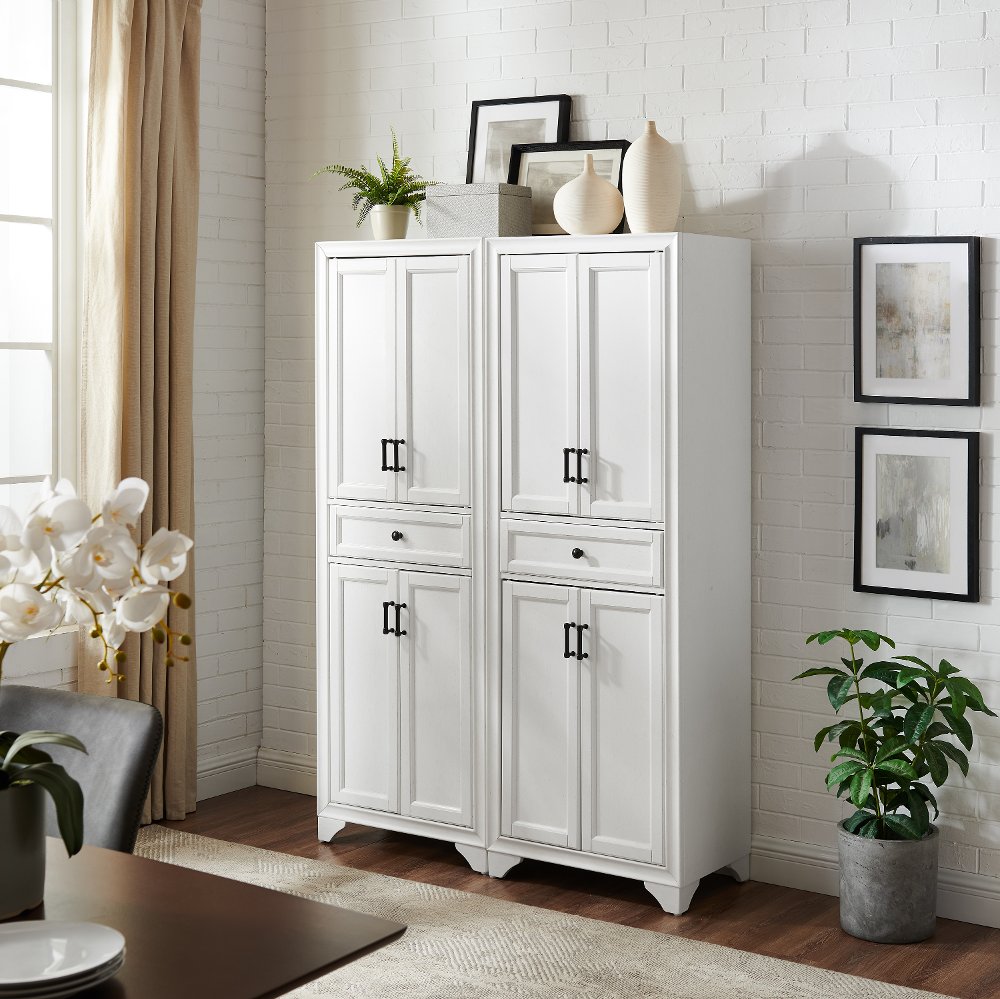
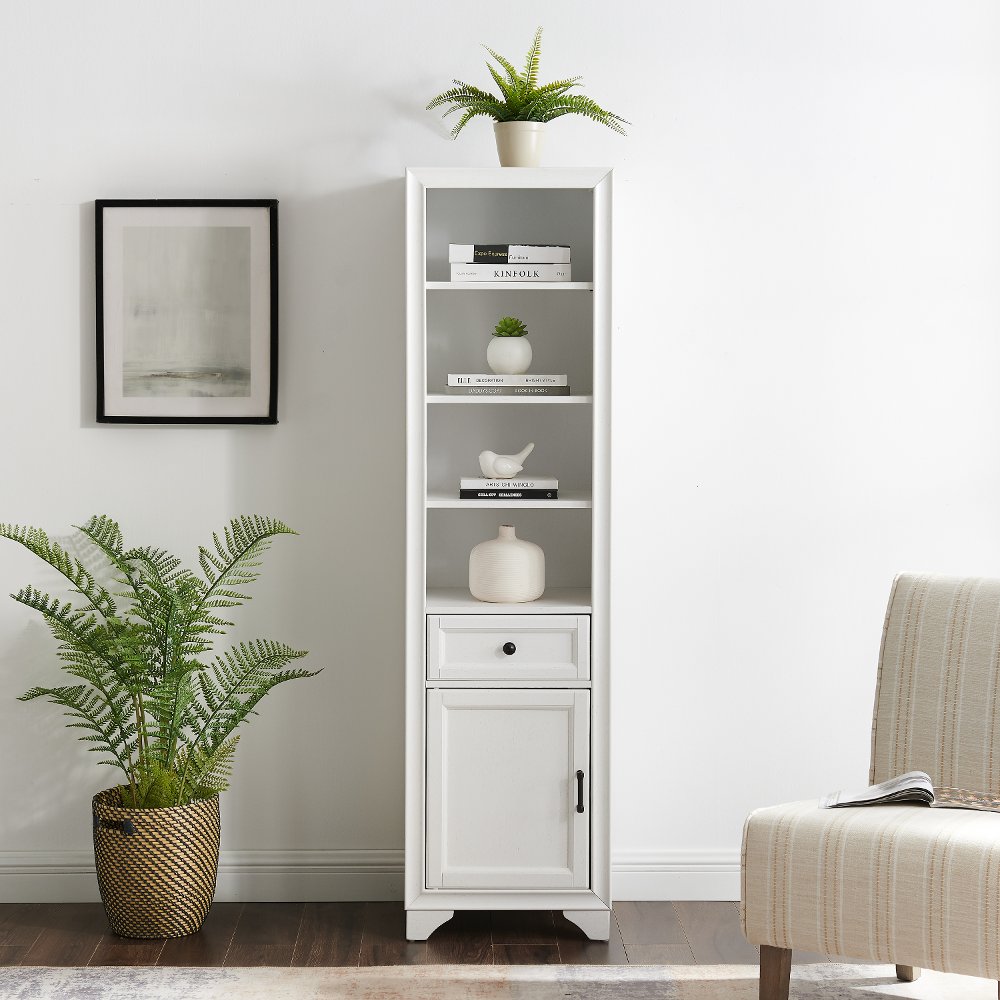
A well-organized workspace gives every project a better starting point, whether you’re tightening a loose cabinet hinge or spending an afternoon restoring a piece of furniture. Tool storage cabinets keep the essentials together, giving hand tools, power tools, hardware, and accessories a designated place instead of letting them spread across a workbench. Their enclosed design also helps contain visual clutter, making a garage, workshop, utility room, or hobby space feel more settled and easier to use. Different cabinet layouts suit different kinds of work. A drawer-based cabinet offers easy access to frequently used tools, while a cabinet with doors and adjustable shelves can accommodate carrying cases, larger equipment, and containers of supplies. Shallow drawers are useful for keeping wrenches, pliers, and measuring tools in a single visible layer; deeper drawers provide room for bulkier pieces that need more clearance. For someone who moves between repairs, woodworking, and household maintenance, a combination of drawers and shelves can make more sense than a cabinet built around just one storage format. The benefit is especially noticeable in everyday moments: finding the right screwdriver without emptying a bin, returning a drill to its place after hanging a shelf, or clearing the work surface before starting the next task. Tool cabinets can work equally well for experienced tradespeople organizing a home workshop and beginners building a practical collection a little at a time. Crafters and makers may appreciate the same orderly setup for specialty tools and project supplies. As a gift for a dedicated tinkerer or someone setting up a first workshop, a storage cabinet feels personal when its size and layout match the recipient’s space and habits. The most useful choice isn’t necessarily the largest. It’s the one that makes tools easier to see, reach, and put away, with enough flexibility to accommodate the projects you enjoy and the equipment you use most.
Materials and construction shape how a tool storage cabinet looks, feels, and holds up to repeated use. Steel is a common choice for workshop storage because it provides a sturdy structure and suits spaces where tools see regular handling. A painted or powder-coated finish can help protect the underlying metal, though scratches and chips deserve attention before exposed areas begin to corrode. Gauge can offer a clue to steel thickness, with lower gauge numbers generally indicating thicker steel, but the strength of the complete cabinet also depends on its frame, joints, drawer supports, and overall construction. Wood and engineered wood designs can fit comfortably into a hobby room or multipurpose indoor workspace, especially where coordinating with surrounding furniture matters. Those materials generally benefit from careful protection against spills and prolonged moisture exposure. Resin cabinets can be easy to wipe down and resist rust, but their shelf capacity and suitability for heavy equipment still depend on the individual design. Whatever the material, stated weight limits matter more than appearance alone. A shelf holding a few lightweight cases has a different job from a drawer filled with dense metal tools, and the cabinet’s total capacity may differ from the combined limits of its separate compartments. Drawer movement is another detail you’ll notice every time you work. Smooth-running slides help make loaded drawers easier to operate, while full-extension designs bring tools at the back within reach. Removable liners can reduce sliding and protect drawer surfaces, and dividers keep small accessories from becoming a mixed pile. Adjustable shelves leave room to change the arrangement when your collection grows or your interests shift. Handles should feel comfortable to grip and offer enough clearance for your fingers. Locks can provide an added layer of access control in a shared workspace, though a locking cabinet doesn’t replace appropriate storage precautions for sharp tools, batteries, chemicals, or other materials with specific safety requirements.
The right fit includes the space around the cabinet, not just the footprint beneath it. In a garage, that might mean leaving room to open a vehicle door, carry a long board past the work area, or pull out a drawer without blocking the path into the house. In a compact workshop, cabinet depth can make the difference between comfortable movement and a narrow aisle. Measurements should account for protruding handles, open doors, fully extended drawers, and any clearance needed to move the cabinet into place. A tall cabinet makes use of vertical space, while a lower design may sit alongside a workbench or beneath an existing surface if dimensions allow. A cabinet top should serve as a work surface only when it’s designed and rated for that purpose. Stationary cabinets suit dedicated storage areas; rolling tool cabinets can bring equipment closer to the task, provided the casters, floor surface, and loaded weight are compatible. Wheel locks help hold a mobile cabinet in position during use, but uneven floors, thresholds, and tight turns can affect how easily it moves. For stability, heavier tools generally belong in lower compartments, and anchoring or other installation requirements should follow the manufacturer’s directions. Everyday care is usually straightforward: wipe away dust and debris, clean spills promptly, and use cleaning products appropriate for the finish. Keeping drawer tracks clear and checking handles, fasteners, and casters as recommended can help the cabinet continue to function smoothly. Tools should go back clean and dry, and charging equipment needs the ventilation and clearances specified by its manufacturer rather than an improvised spot inside a closed compartment. In rooms that combine hands-on projects with desk work, separate storage can keep paperwork from sharing space with oily tools or loose hardware. Complementary office storage cabinets can give manuals, records, and everyday desk supplies a home of their own. With a layout that respects both your tools and your available space, a tool storage cabinet becomes a dependable part of the routine, keeping the workspace ready for the next repair, adjustment, or creative idea.
Read More