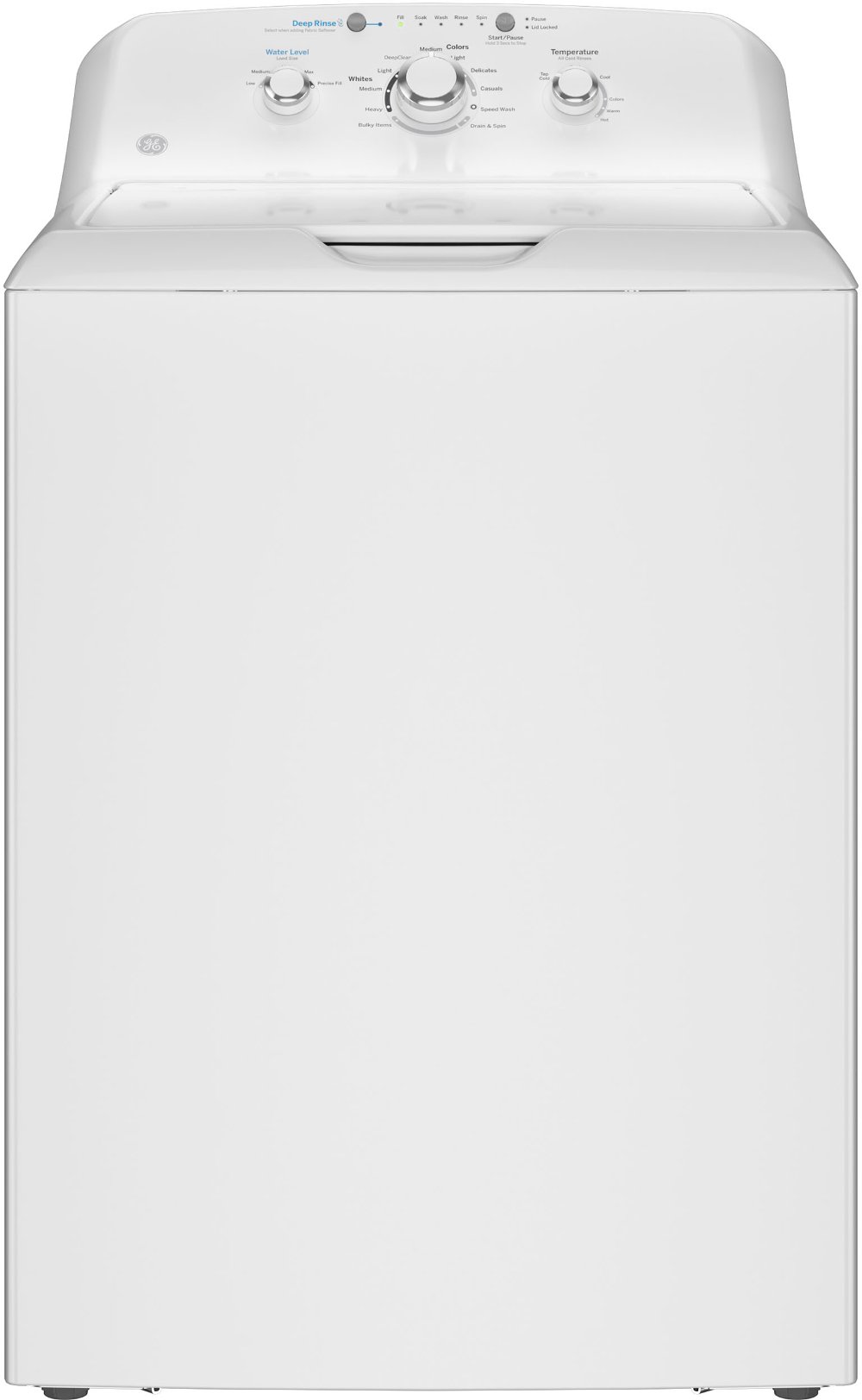
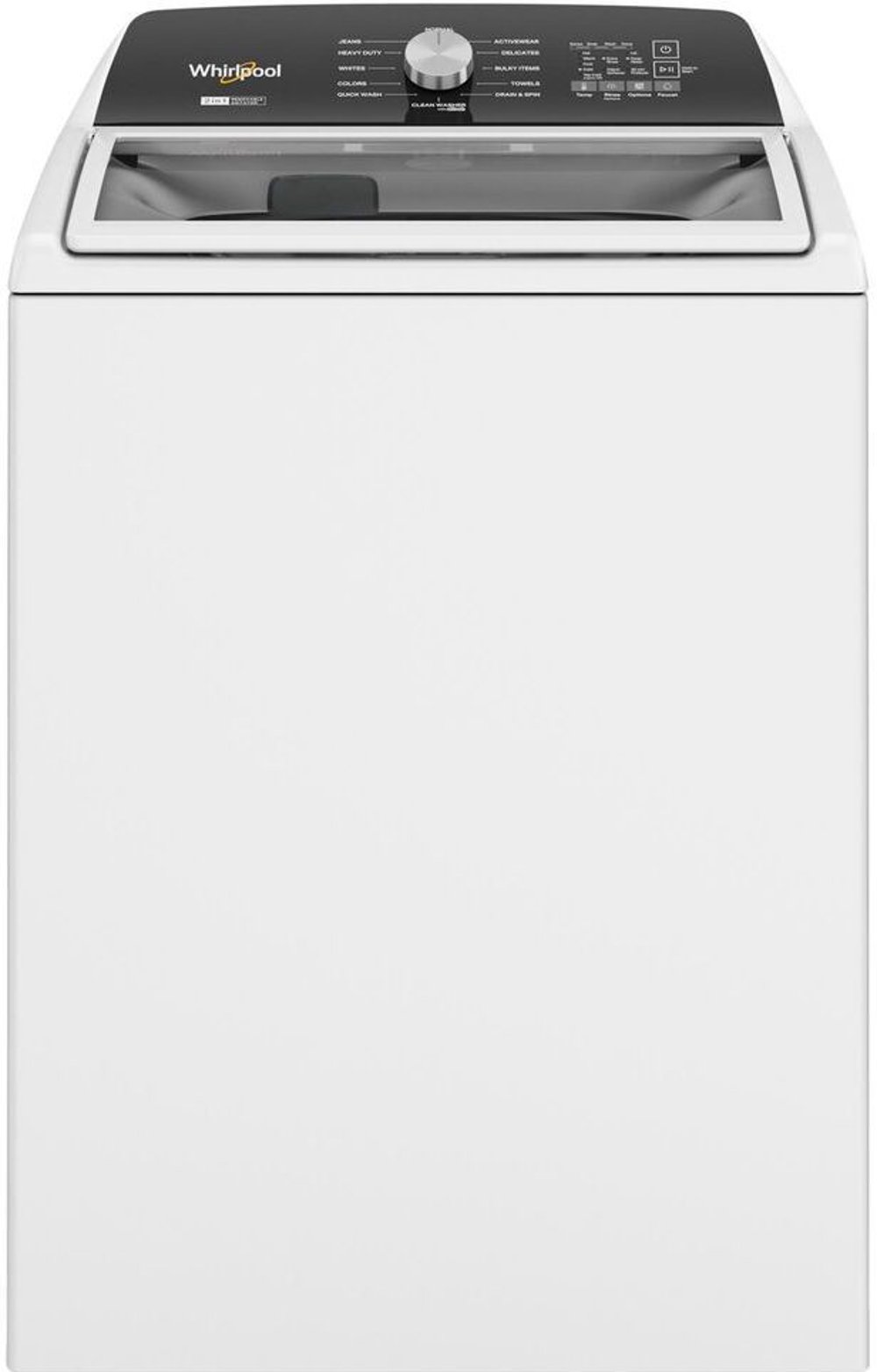
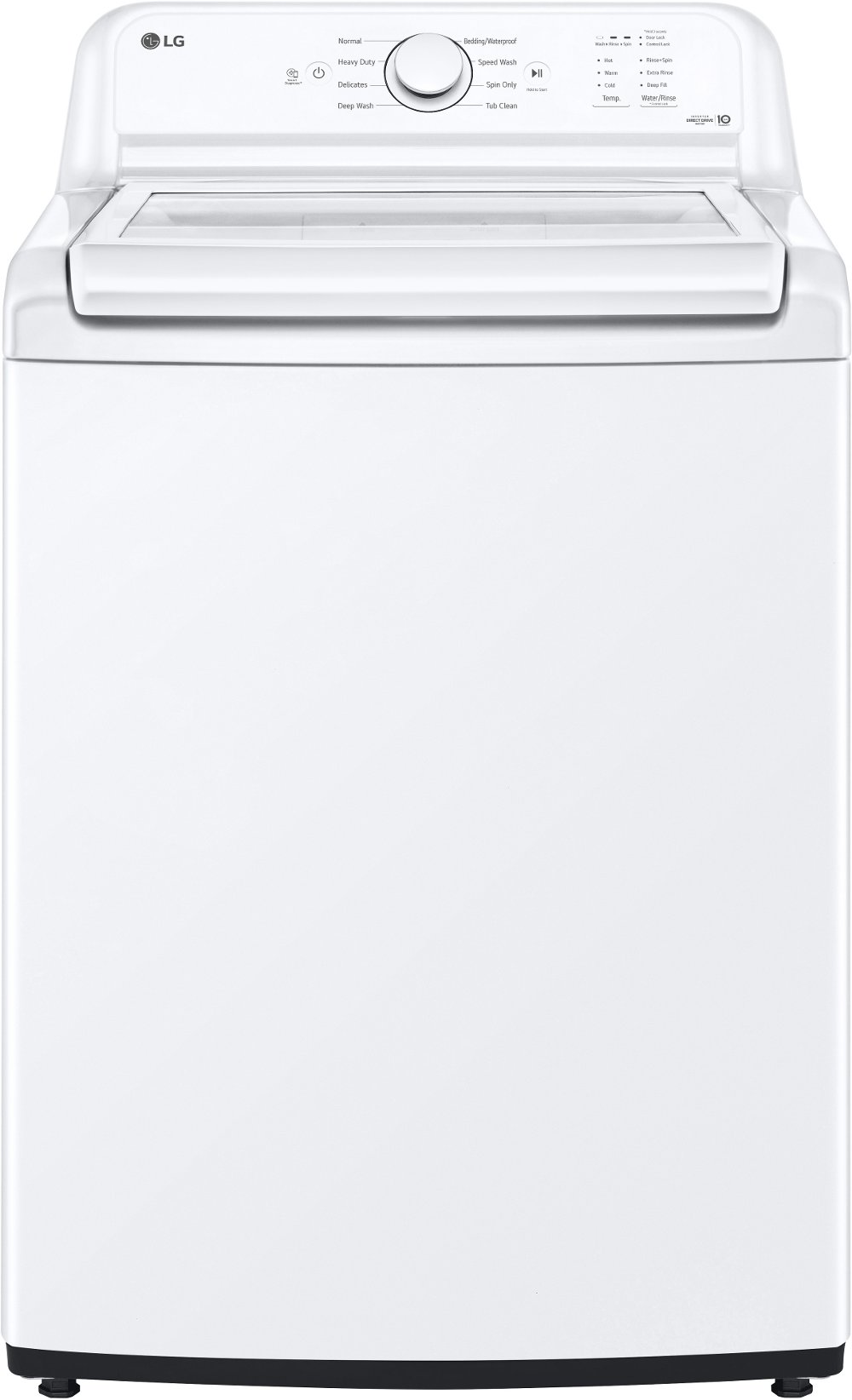
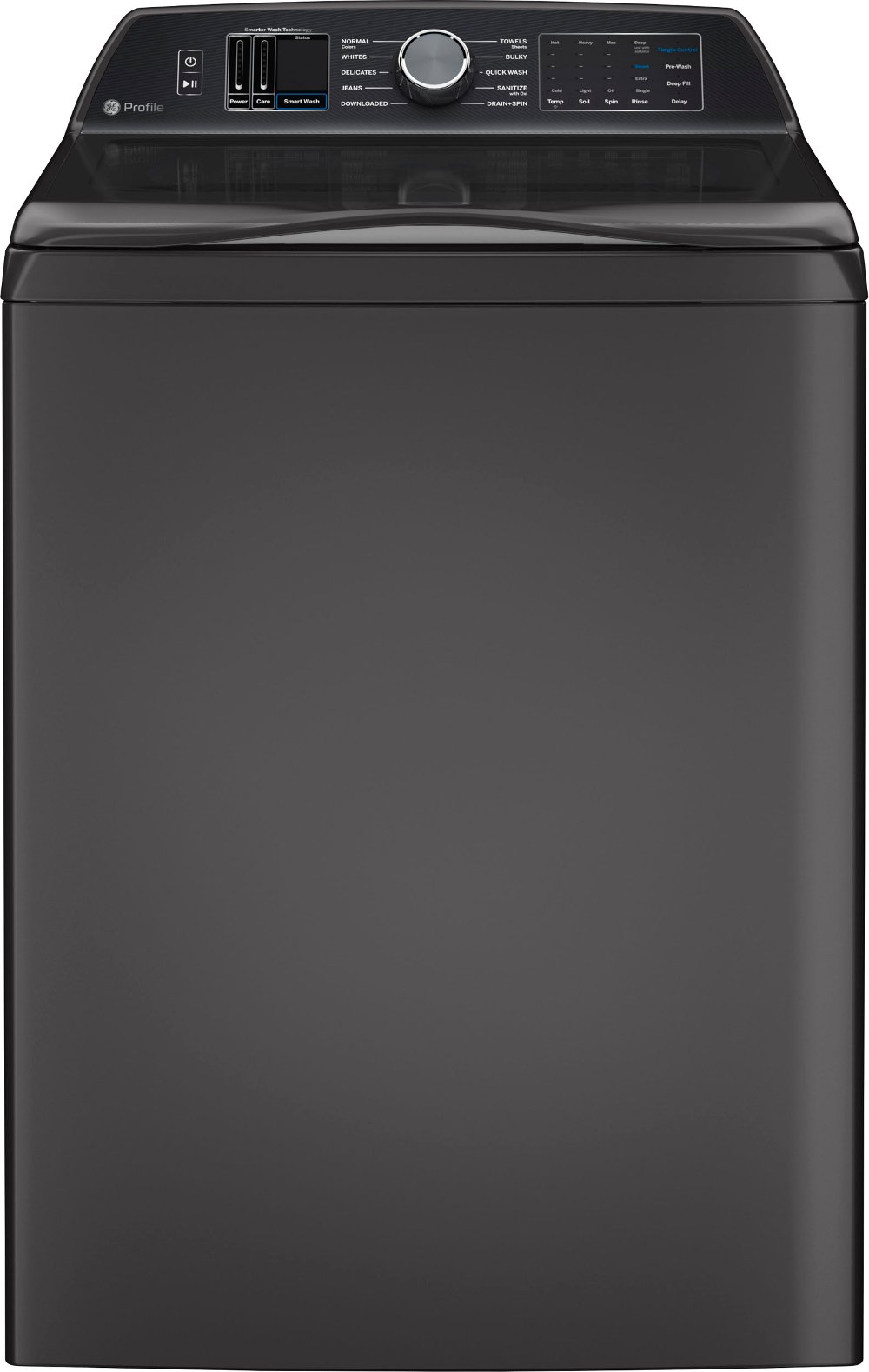
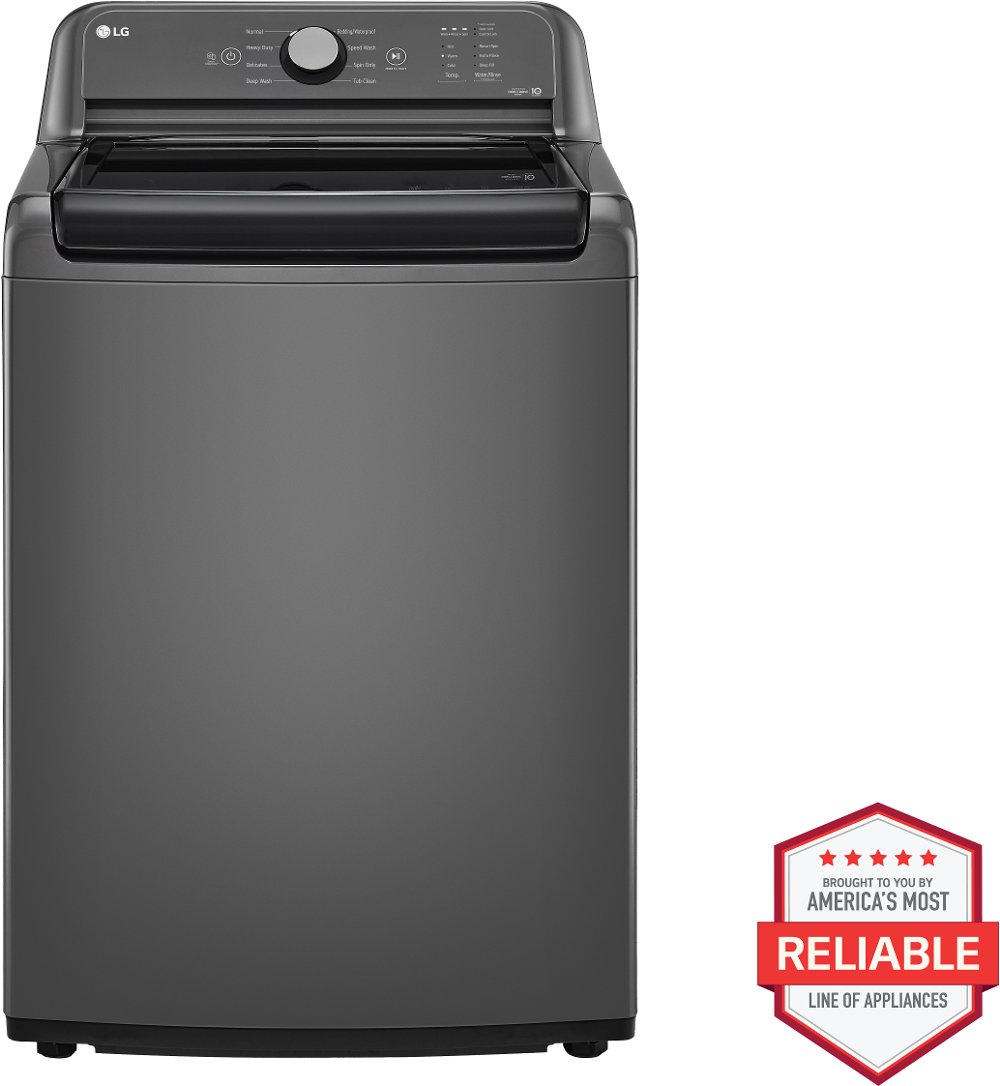
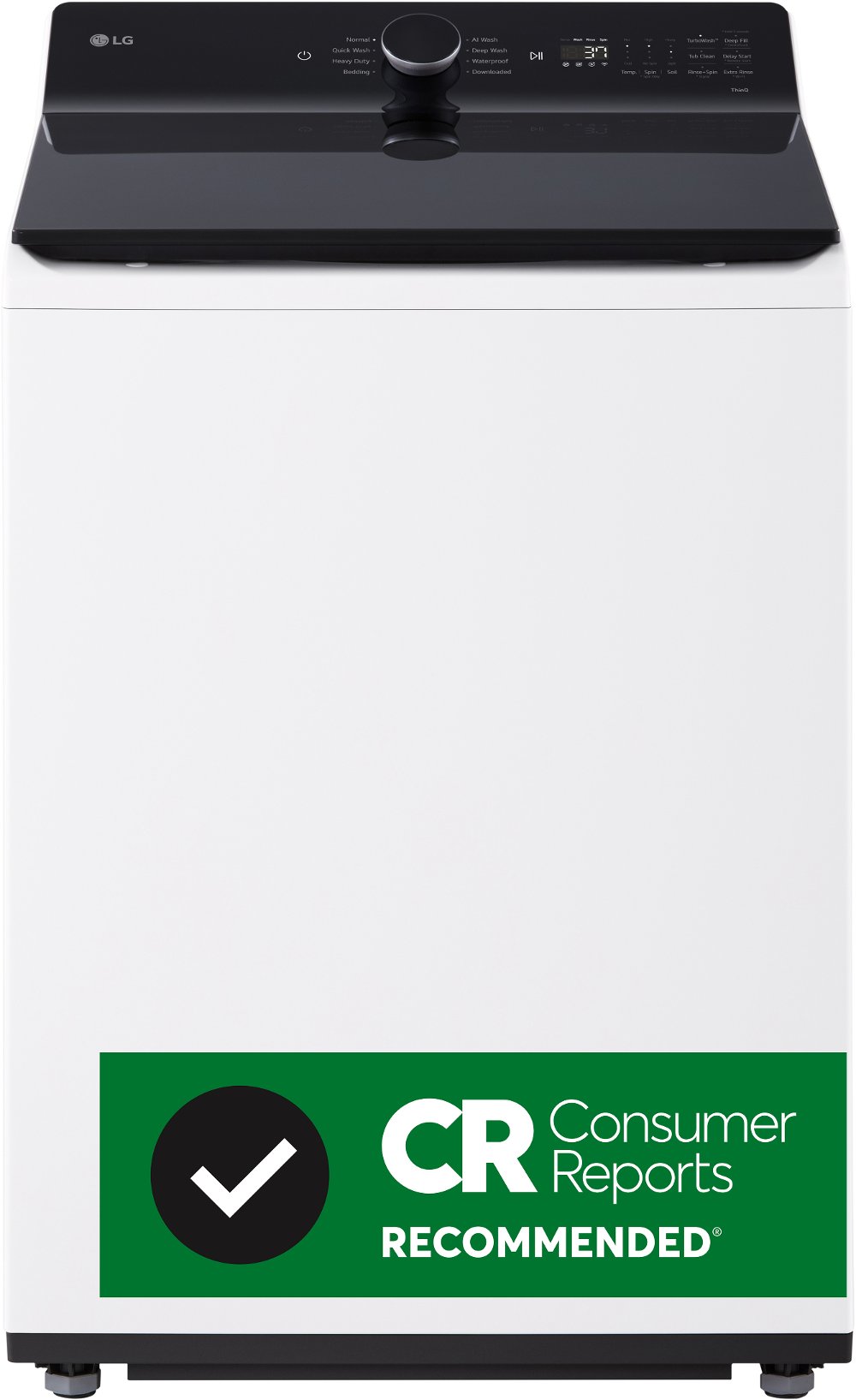
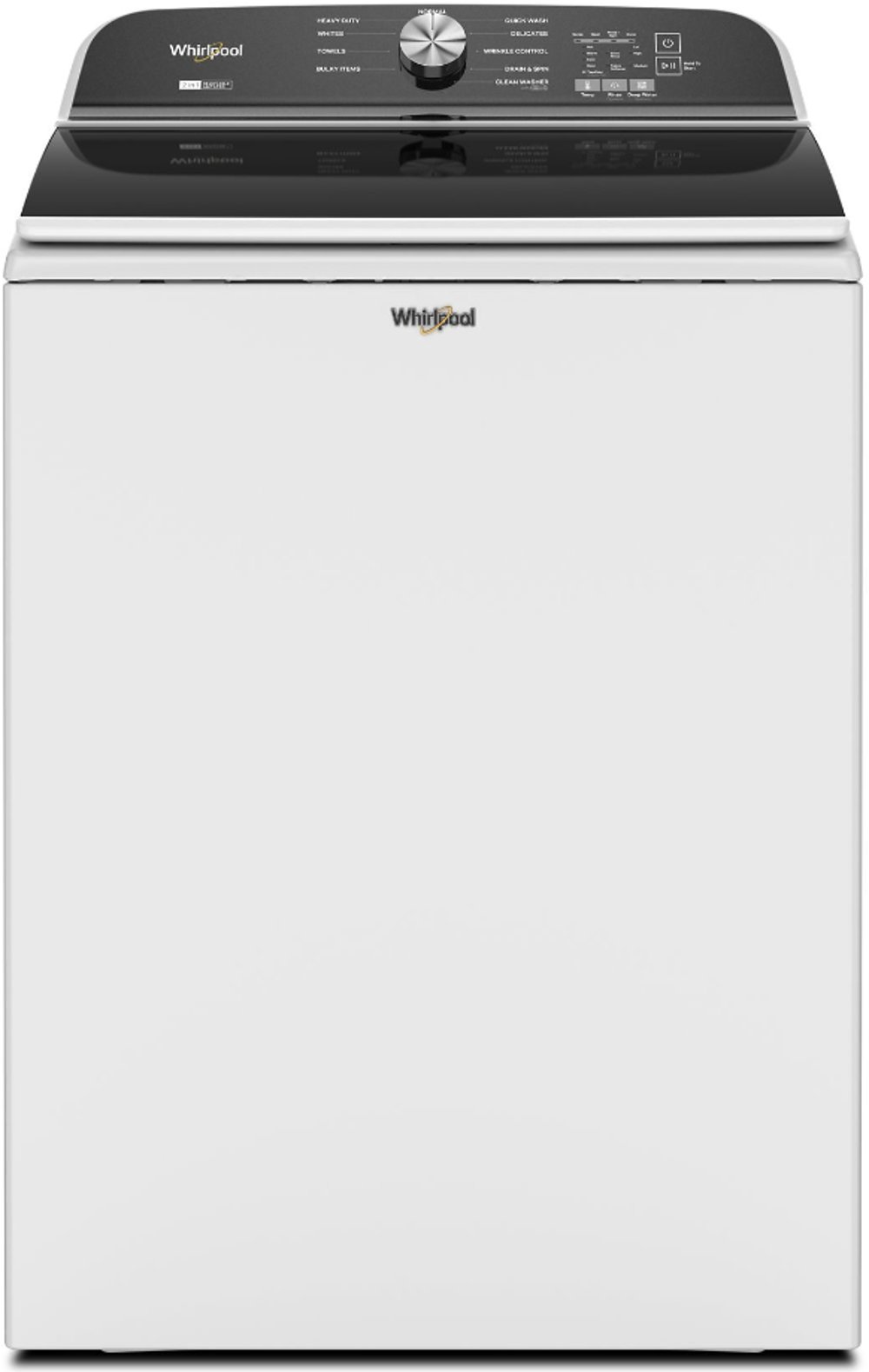
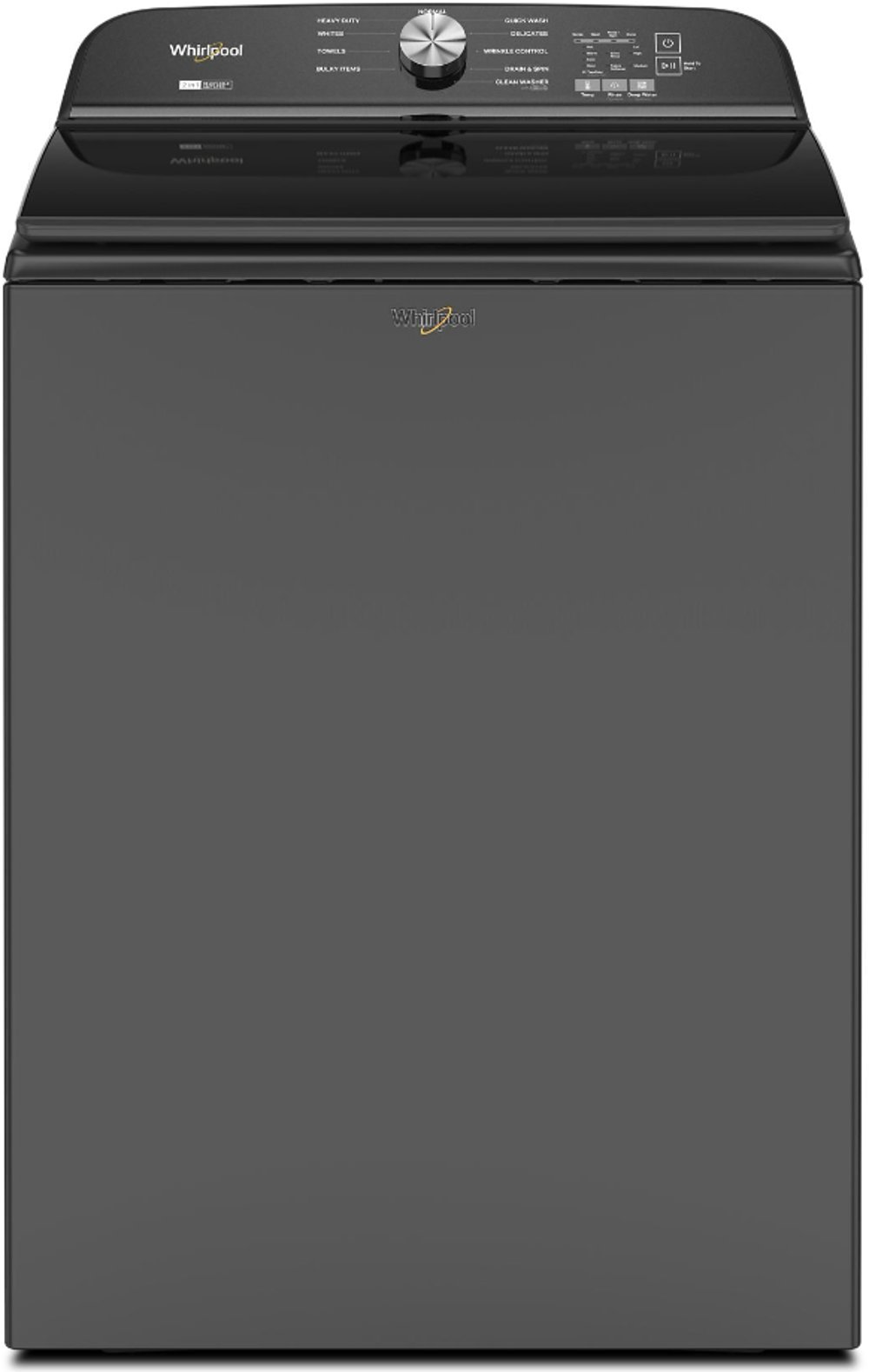
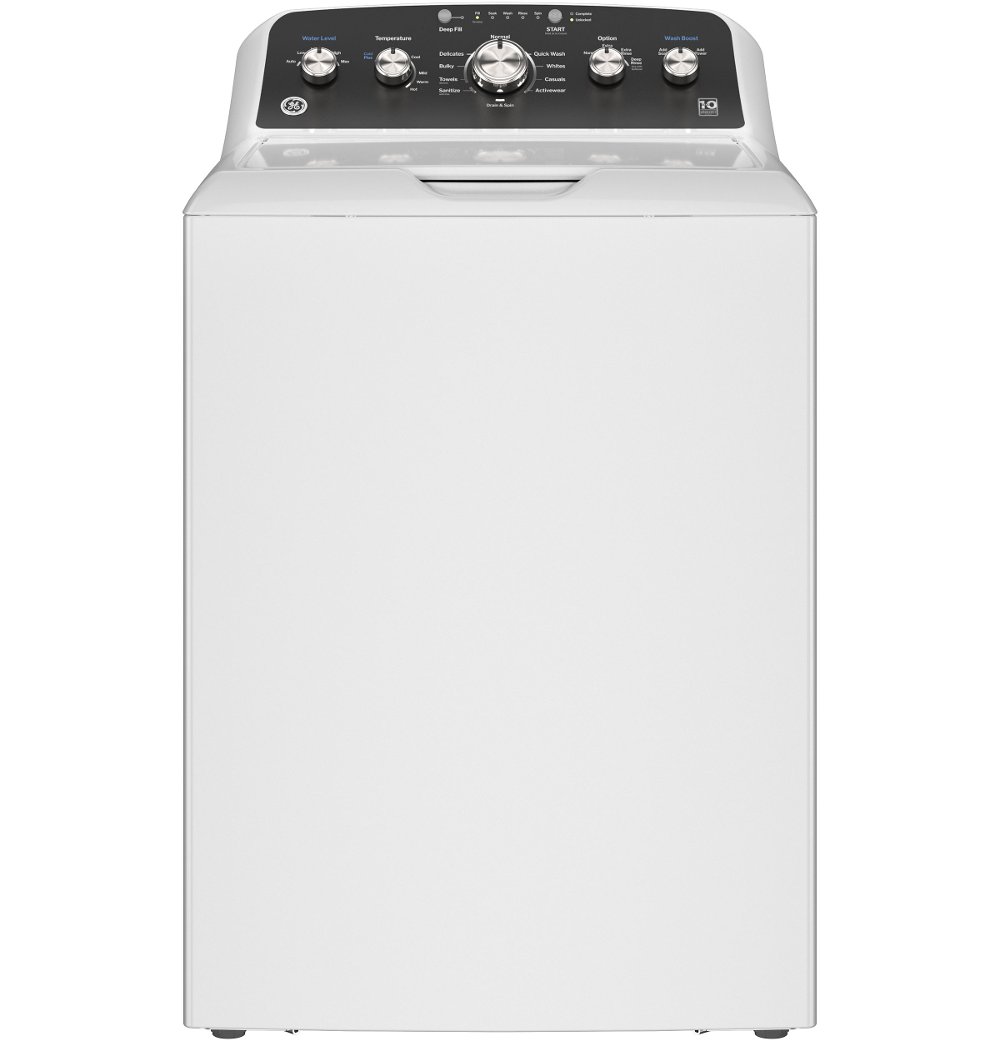
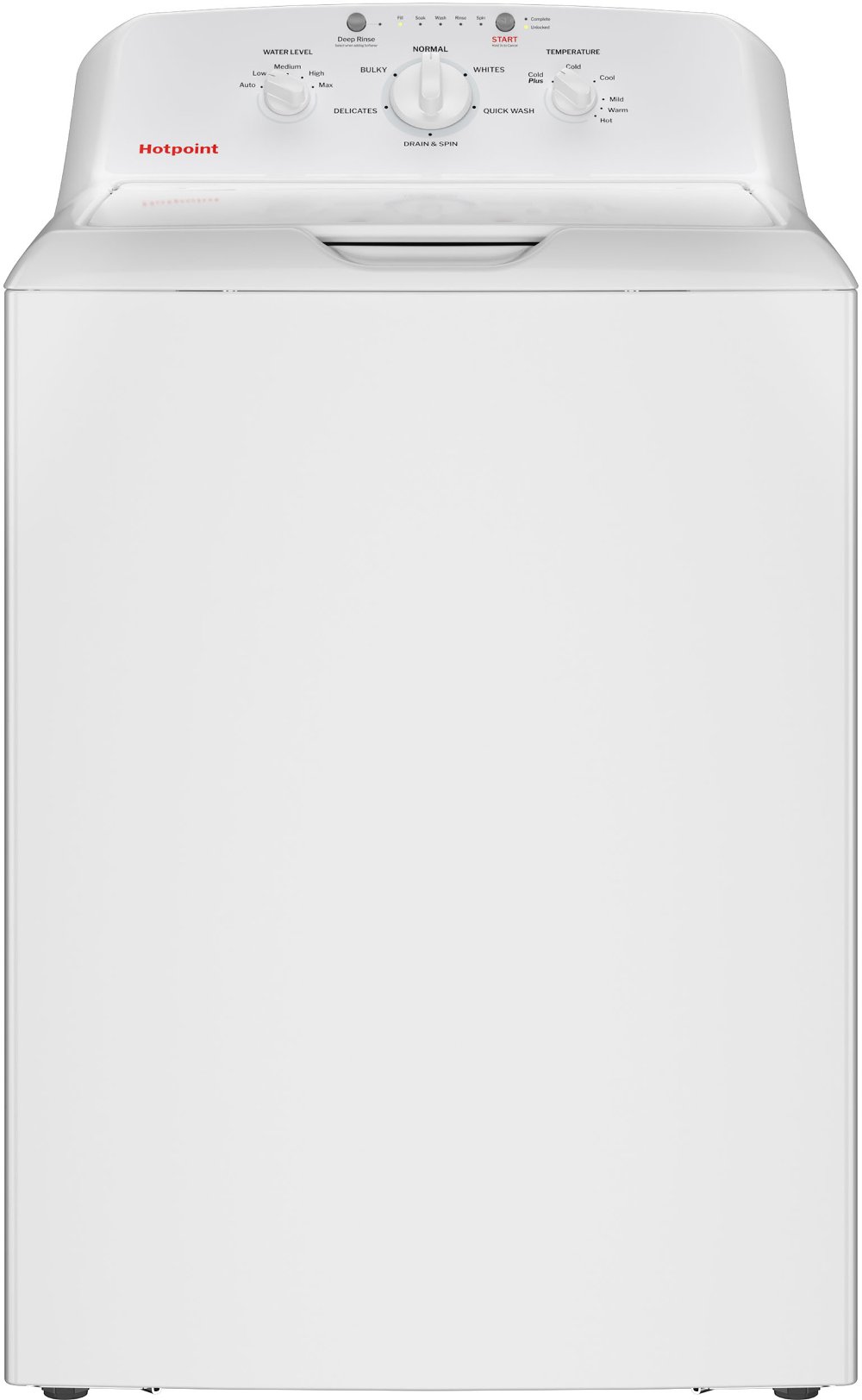
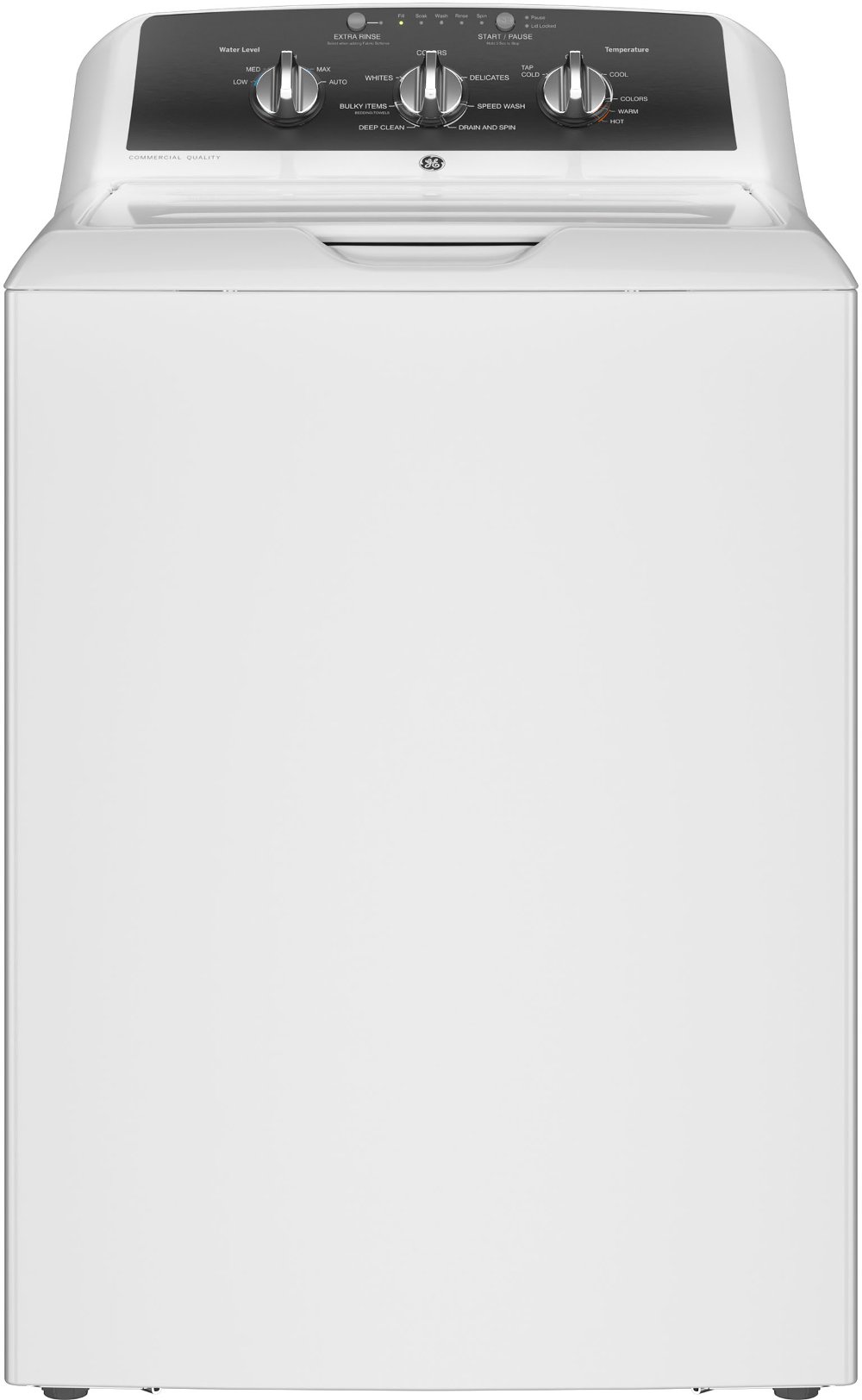
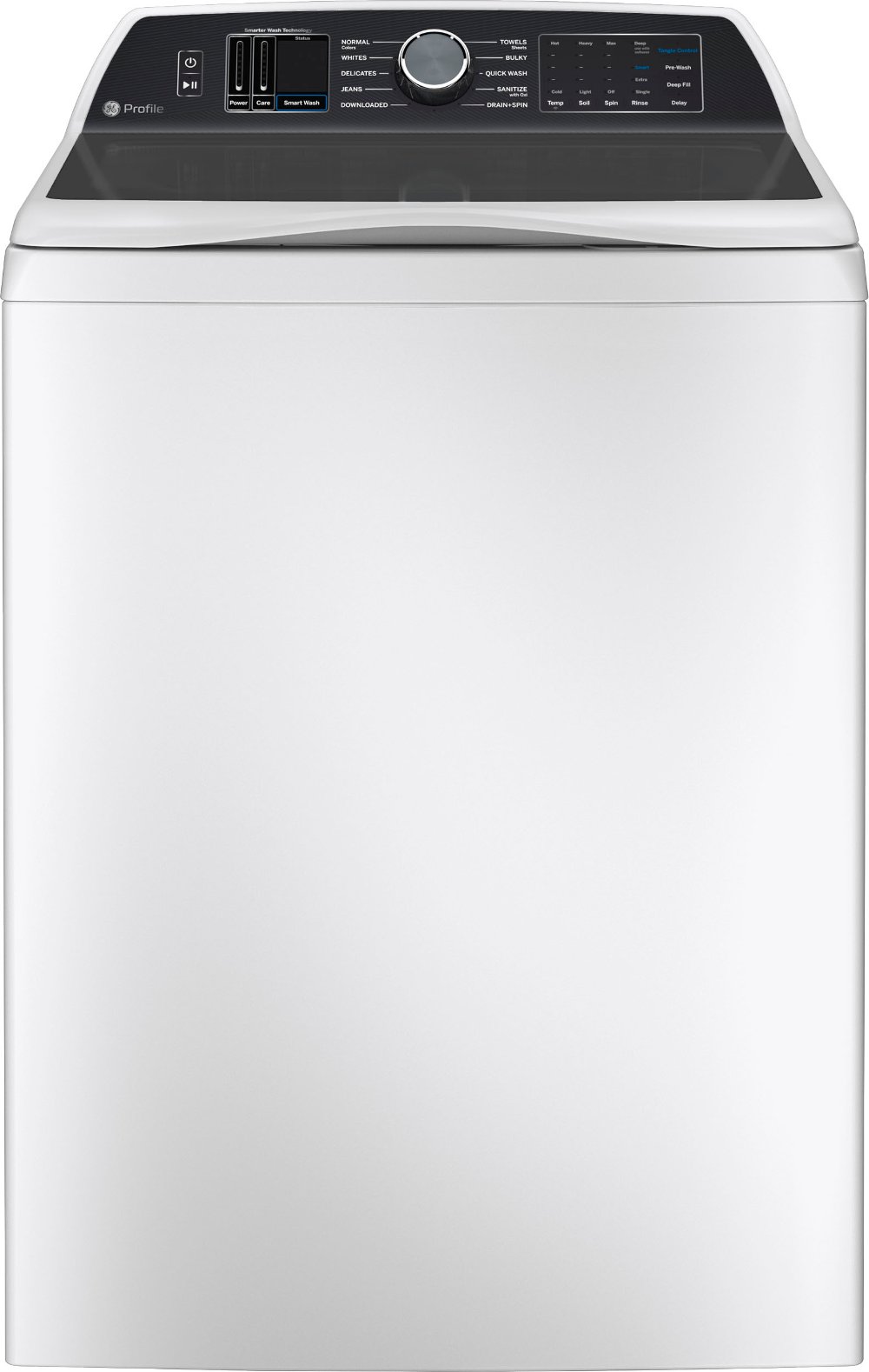
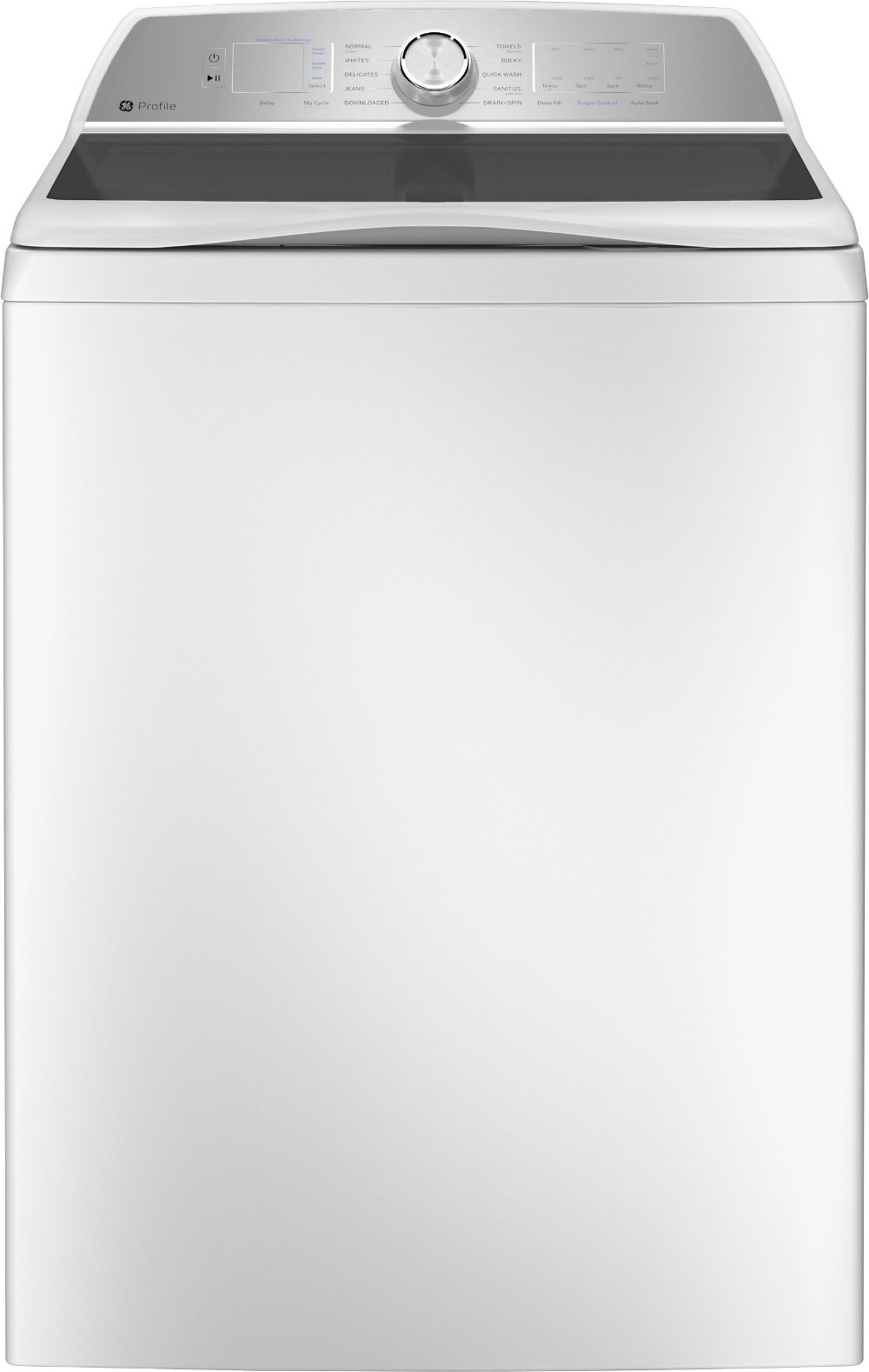
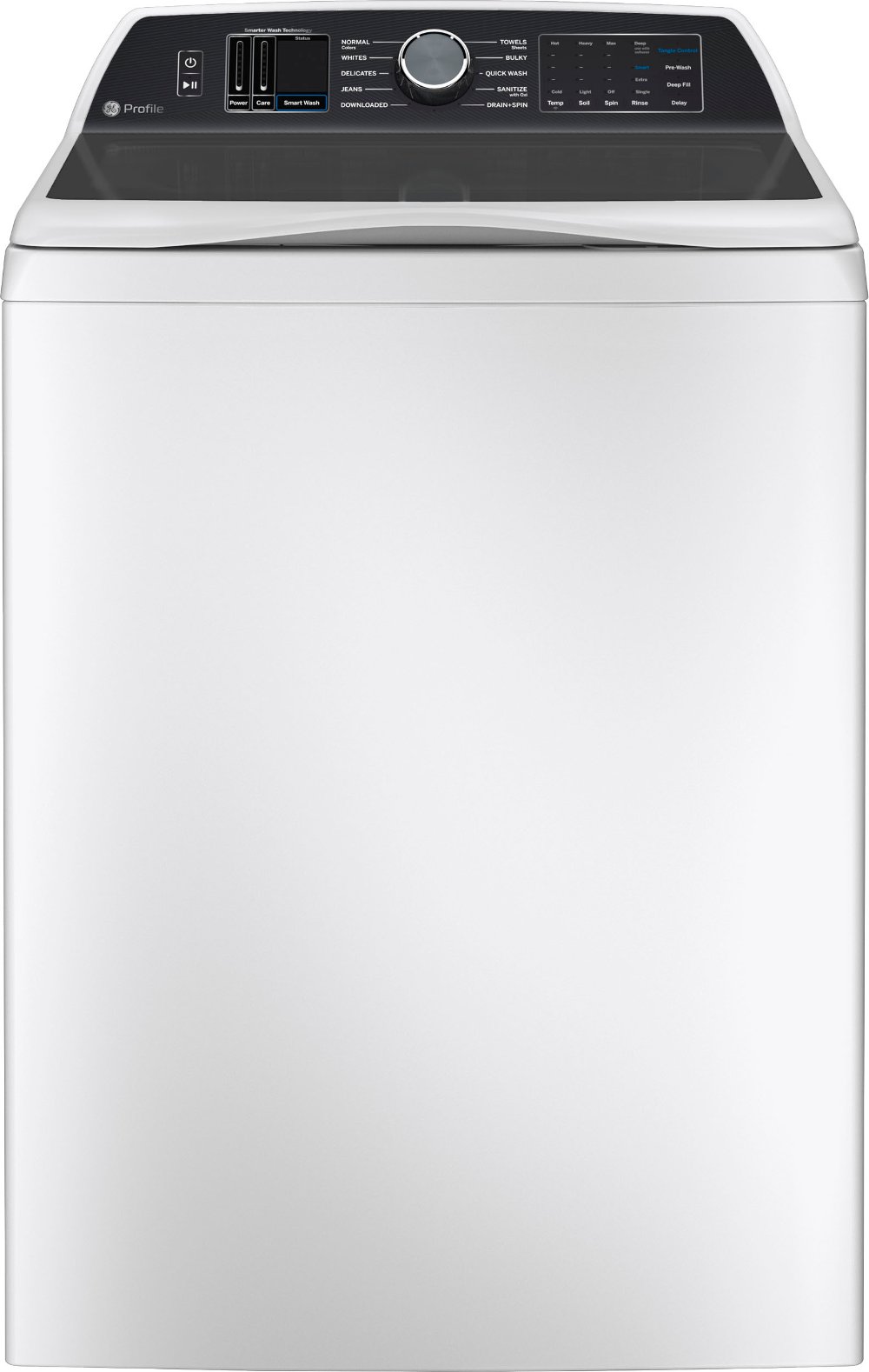
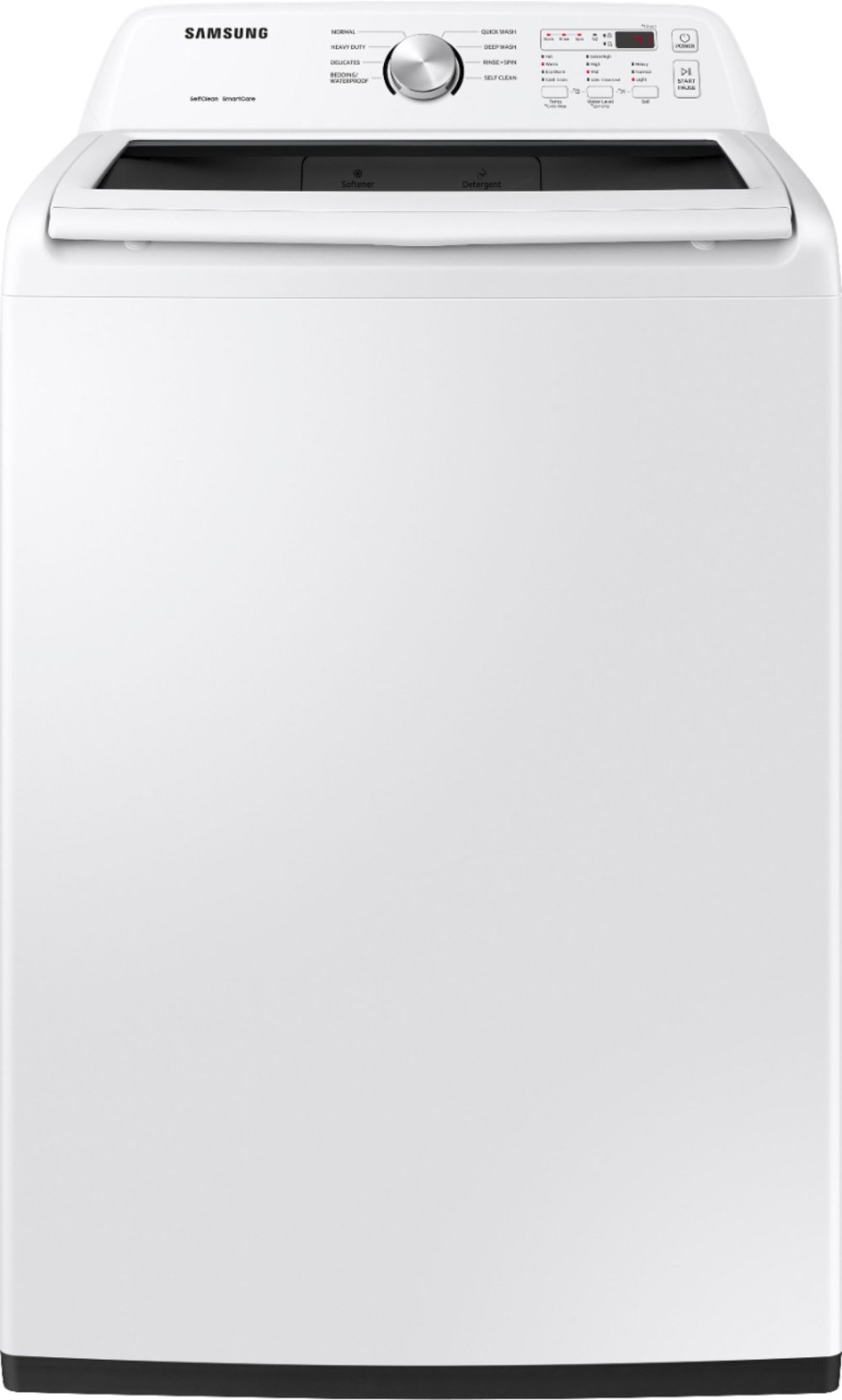
Top load agitator washers bring a familiar design and purposeful cleaning action to everyday laundry. A central post with fins moves back and forth inside the wash basket, helping circulate clothing through water and detergent to loosen soil. That movement makes an agitator washing machine a practical choice for households regularly washing jeans, cotton T-shirts, bath towels, school clothes, and washable workwear. Grass-stained practice uniforms and dirt along the knees of play clothes benefit from a suitable wash cycle, proper loading, and pretreatment when needed. An agitator supplies mechanical cleaning action, but results also depend on detergent, water temperature, cycle selection, and the type of stain. Unlike an impeller washer, which uses a low-profile plate at the bottom of the basket, a traditional agitator washer has a center post that occupies part of the loading space. Neither design is automatically the better cleaner for every household; the right fit depends on the fabrics and loads that fill your hamper. Many people appreciate the straightforward top-opening layout, especially when transferring clothes from a nearby sorting basket without bending down to a front-facing door. Reaching the bottom of a deep tub can still take some stretching, so comfortable access matters as much as overall capacity. These machines suit a range of homes, from a first apartment with dedicated laundry connections to a busy household running several loads throughout the week. Some designs emphasize simple controls and familiar cycle choices, while others offer additional soil settings, sensing features, or specialized wash options. A top load washer with an agitator can also suit someone who prefers to adjust settings for different loads rather than use the same cycle for everything. Everyday convenience comes from matching those controls to actual habits: a small load of lightly worn shirts has different needs from a basket of thick towels. The most useful features are the ones that make those regular tasks easier.
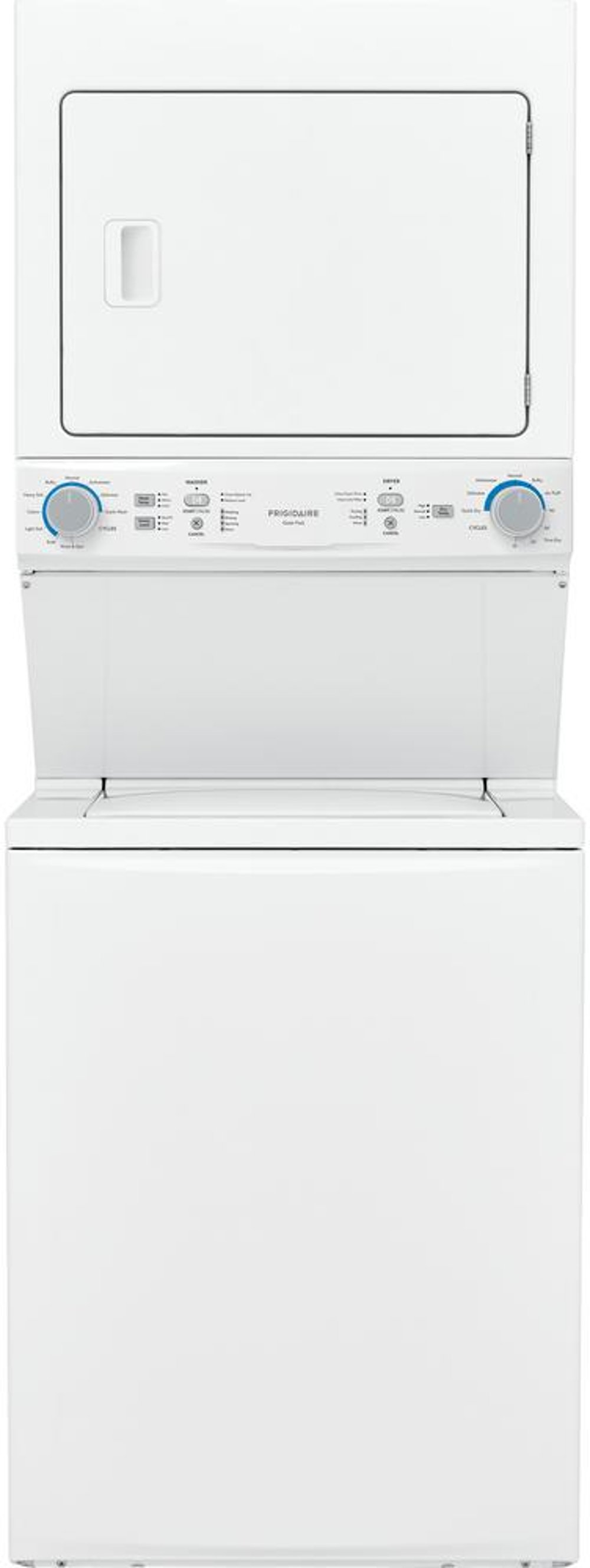
Capacity and physical fit deserve equal attention when comparing top load agitator washing machines. A capacity around 4.0 to 4.5 cubic feet can accommodate many routine household loads, while larger tubs offer additional space for bigger batches, subject to the manufacturer's loading recommendations. Cubic feet alone won't tell you whether a particular blanket or bedspread can wash properly. Its thickness, absorbency, care label, and ability to move freely around the agitator also matter. A tightly packed basket limits movement and rinsing, even when the lid closes easily. For households that frequently wash bulky bedding, designs with a removable agitator can provide flexibility, although permitted loads and operating instructions vary by machine. With a fixed agitator, leaving adequate room around the center post helps garments circulate as intended. The washer also needs to fit the room beyond its listed cabinet dimensions. Space behind the appliance accommodates hoses and connections, and the lid needs enough overhead clearance to open fully beneath any cabinets or shelving. A nearby utility sink, an inward-swinging door, or a narrow walkway can affect how comfortably laundry moves through the space. Top load washers generally sit beside a dryer rather than stack beneath one, making floor space an important consideration in compact laundry areas. Measuring the delivery path, including doorways and tight turns, helps avoid an appliance that fits the room but can't easily reach it. A firm, level floor and properly adjusted leveling feet support stable operation, though an unevenly distributed load can still cause vibration. Heavy wet items need room and balanced placement rather than being gathered on one side of the tub. For a broader look at the category, reliable top load washing machines offer another way to compare designs with the needs of your laundry space. A comfortable reach, accessible controls, and enough room to sort and transfer clothes can make a meaningful difference every wash day.
The details inside a top load agitator washer shape both fabric care and long-term upkeep. Stainless steel wash baskets resist rust and provide a durable surface, while smooth basket finishes help protect clothing from snagging during normal use. Other tub materials and finishes have their own care requirements, so construction is worth considering alongside capacity and controls. The agitator's direct contact with clothing can create more friction for delicate fabrics, making gentle cycles, mesh laundry bags, and garment care labels especially important. Washable knits and lightweight blouses need a different approach from sturdy denim; items labeled for hand-washing or dry cleaning shouldn't automatically go into a machine. Cycle options may include bulky items, heavy soil, extra rinsing, or soaking, but their usefulness depends on what you actually wash. A soak option can help address certain soils before agitation, while an extra rinse may be helpful for some loads when used according to fabric and detergent instructions. Deep-fill settings, where offered, give additional water for designated cycles, but more water doesn't necessarily mean cleaner clothes. Some agitator washers use high-efficiency wash systems, and those machines require detergent formulated for that purpose. Correct dosing helps limit excess suds and residue; adding extra detergent to a dirty load can make rinsing more difficult rather than improve cleaning. Water and energy use vary by design and cycle, so published efficiency information is more useful than assuming all agitator machines perform alike. Wash times vary, too, especially when soaking or extra rinsing extends a cycle. Lasting performance also depends on regular care: cleaning dispensers, running the recommended tub-cleaning procedure, checking hoses, and following the manufacturer's directions for leaving the lid open between uses when safe. Emptying pockets keeps coins and small objects out of the wash basket, and avoiding overloads reduces unnecessary strain. A well-matched washer combines appropriate cleaning options, durable construction, and manageable upkeep, helping your household handle everything from daily basics to the next full basket of towels.
Read More