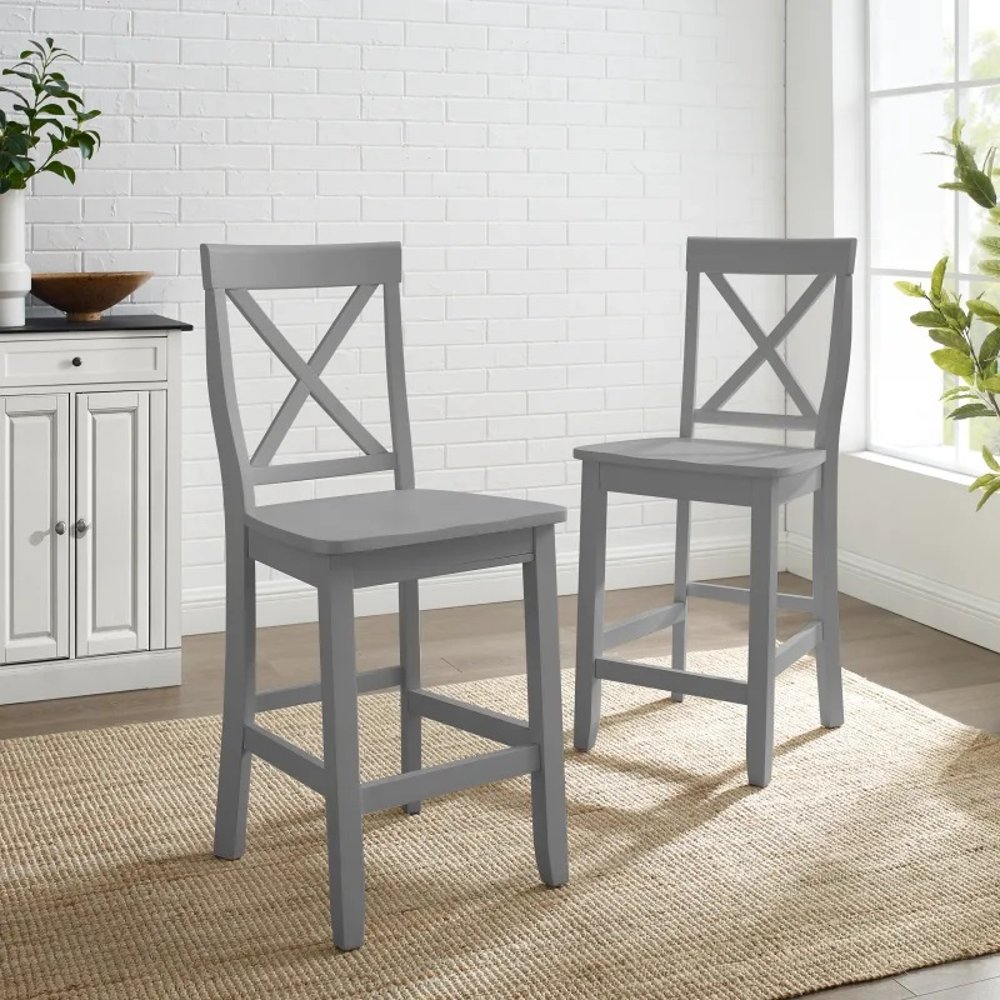
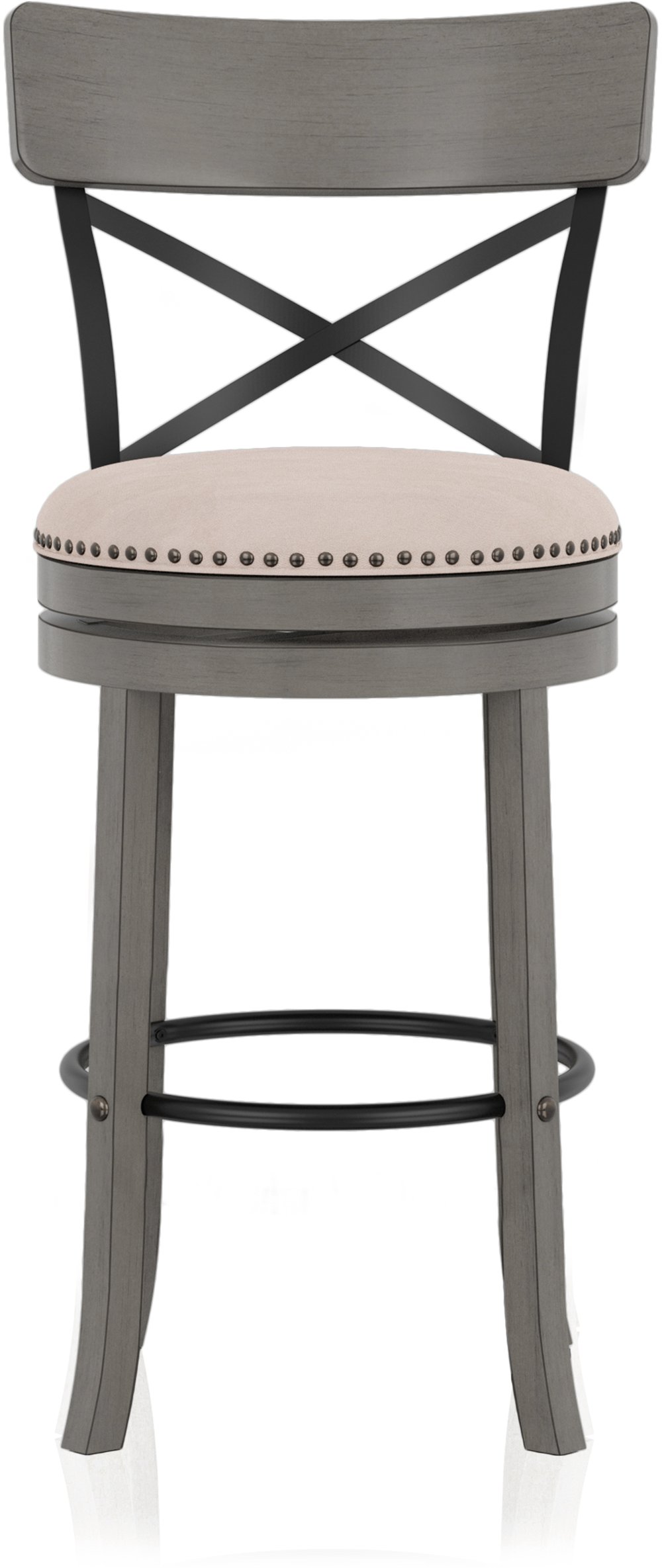
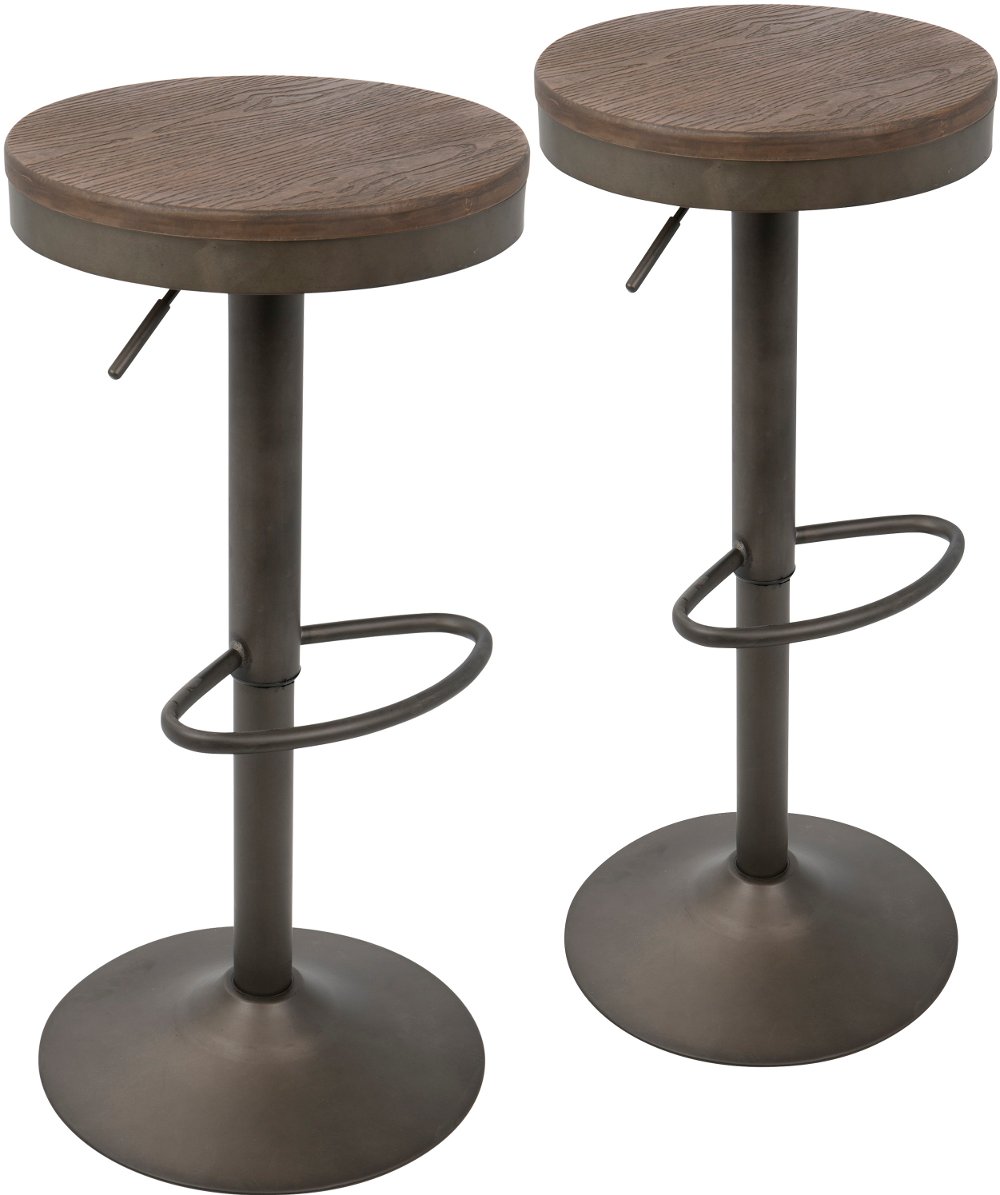
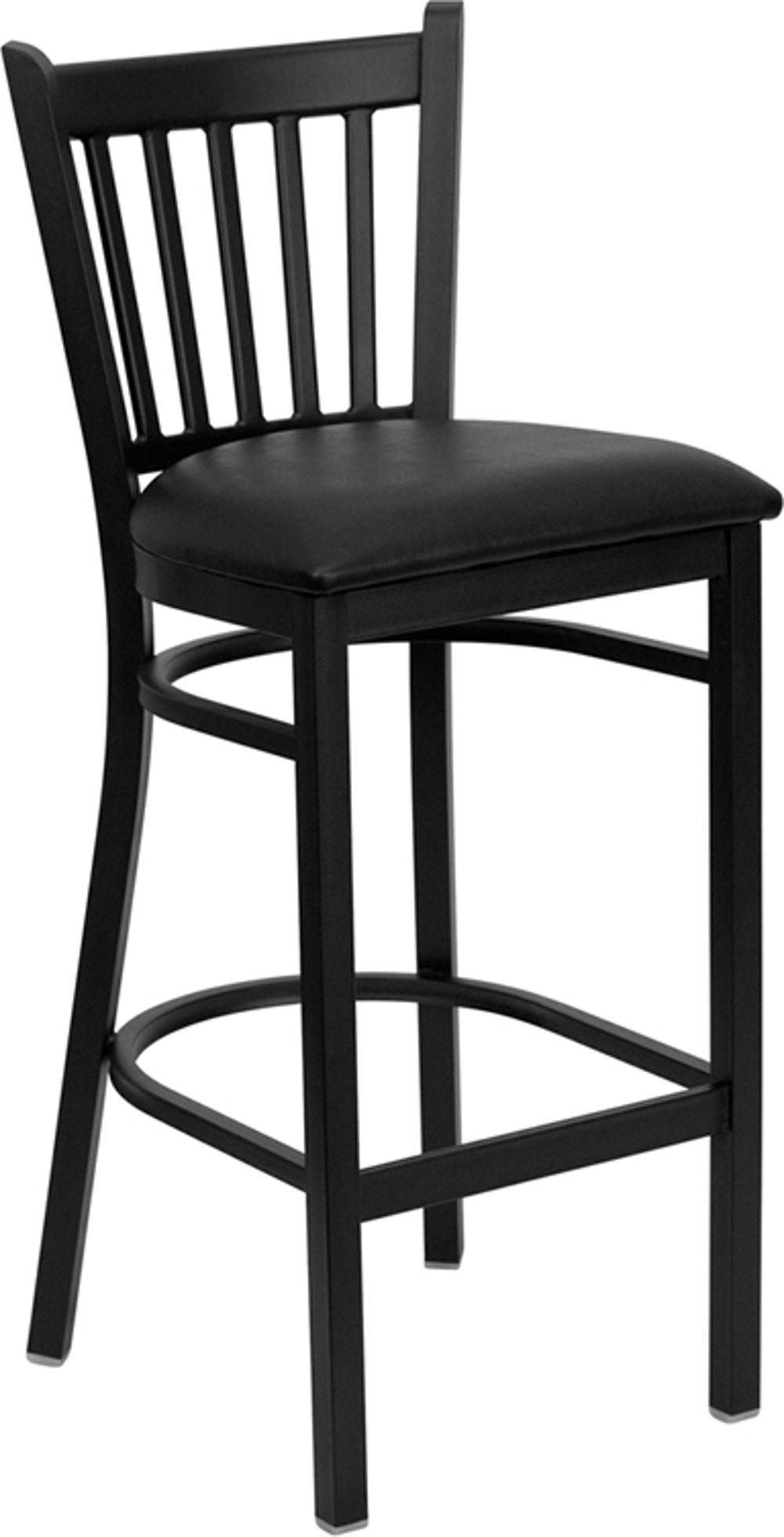
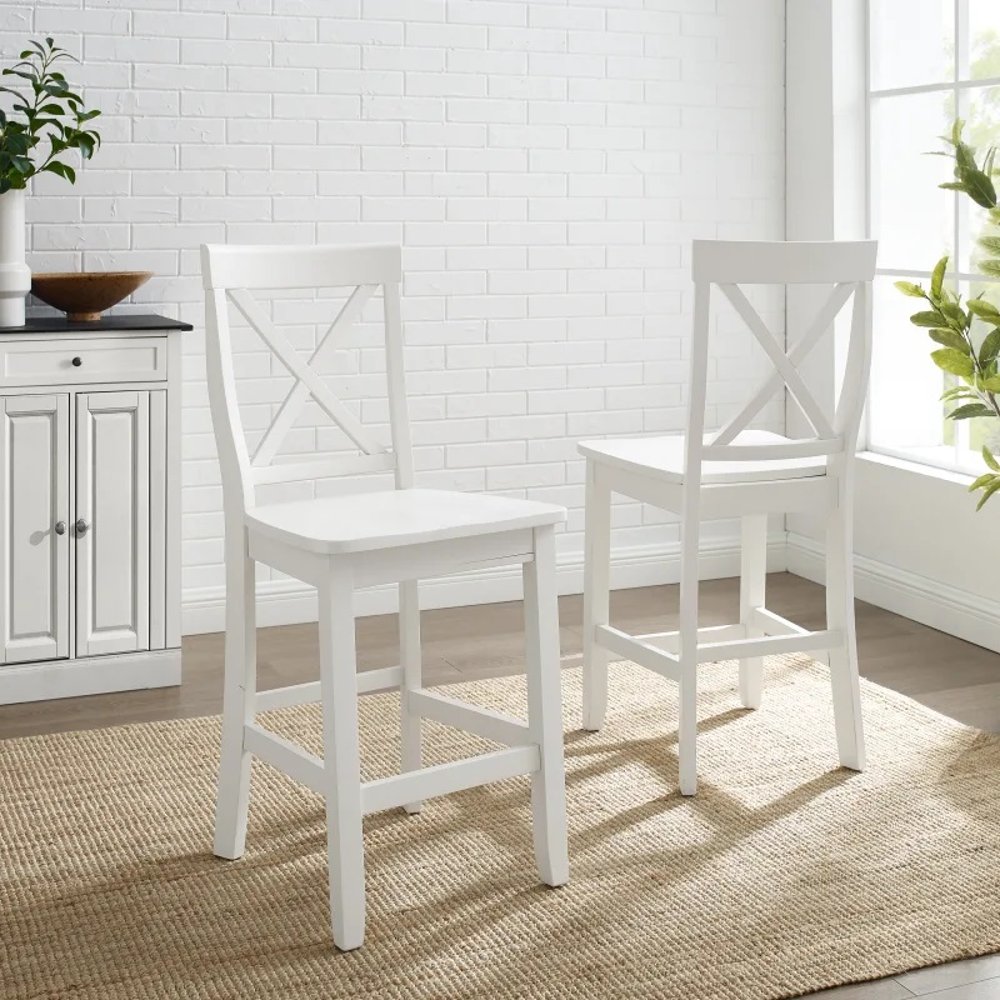
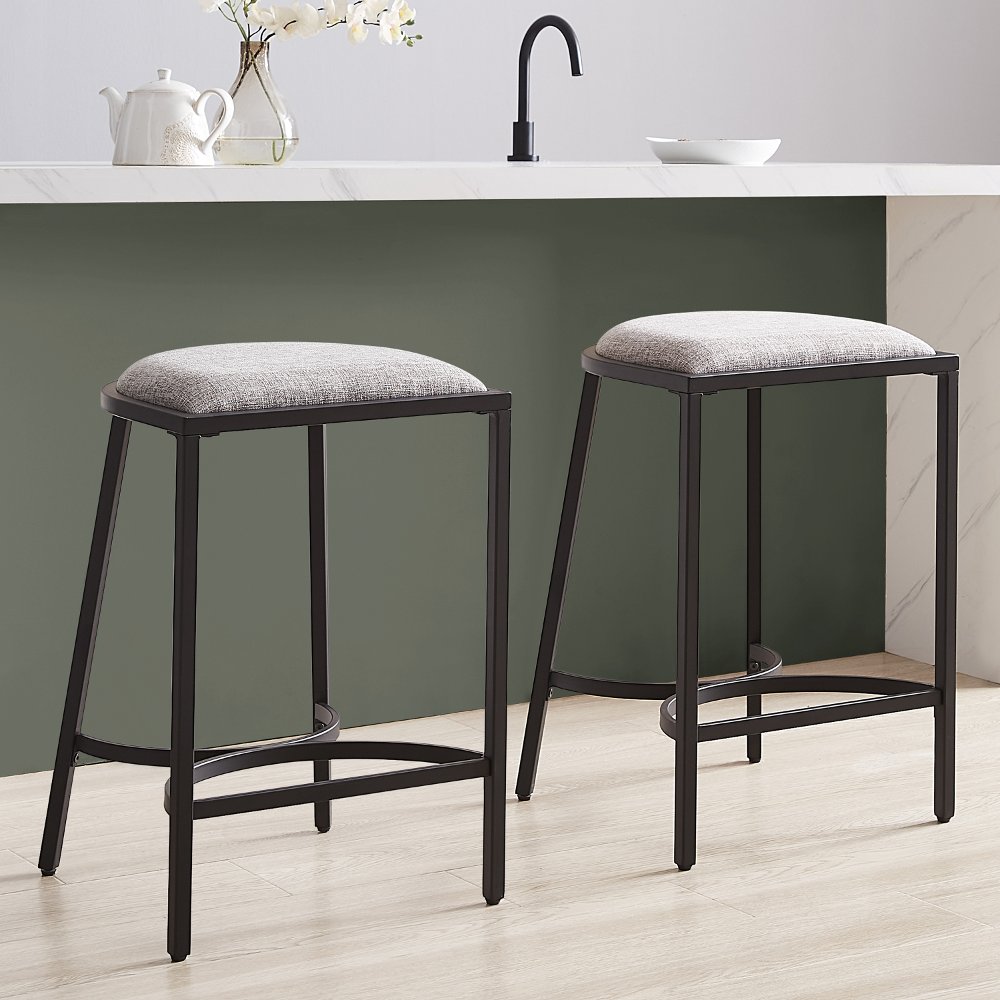
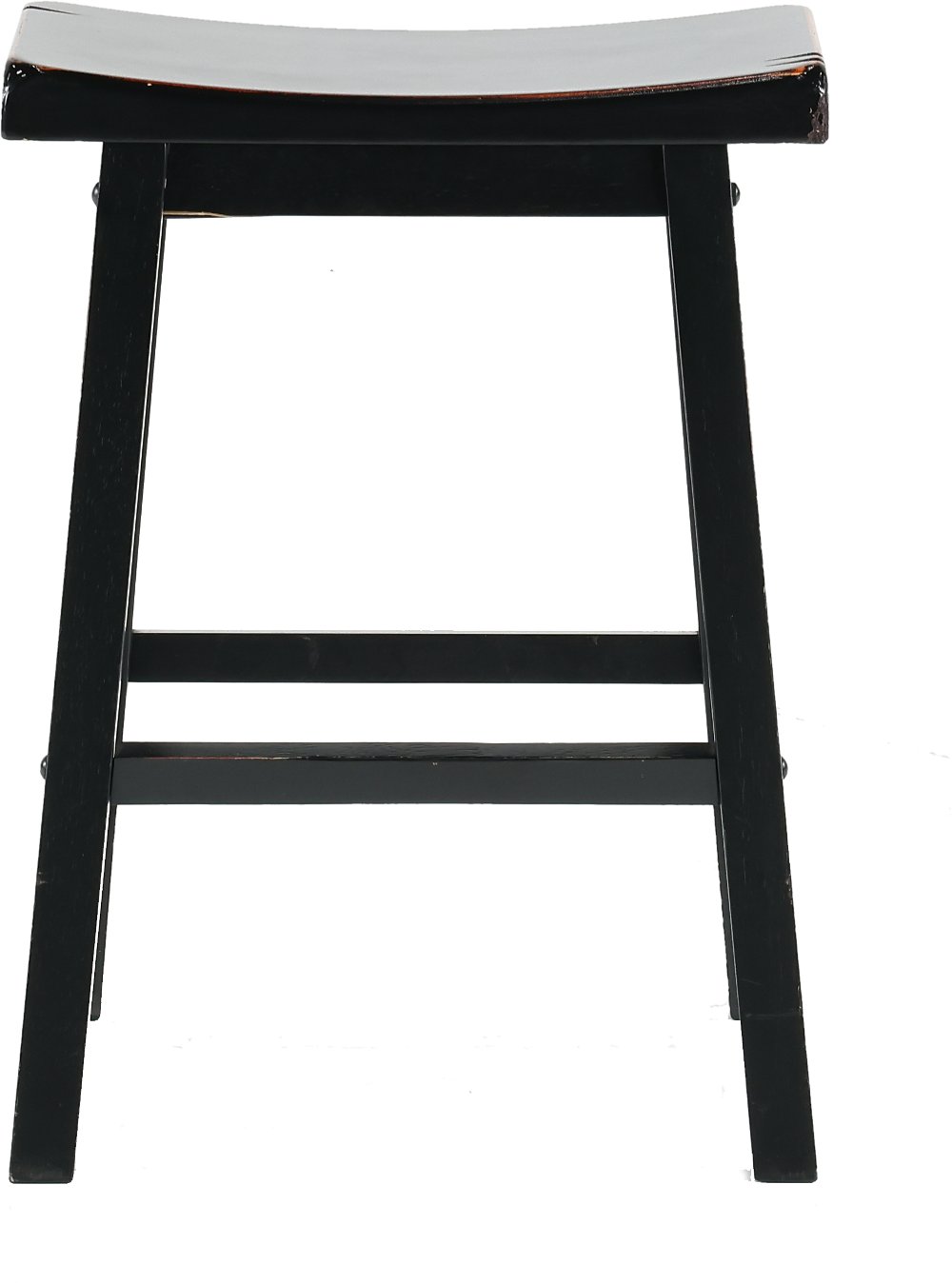
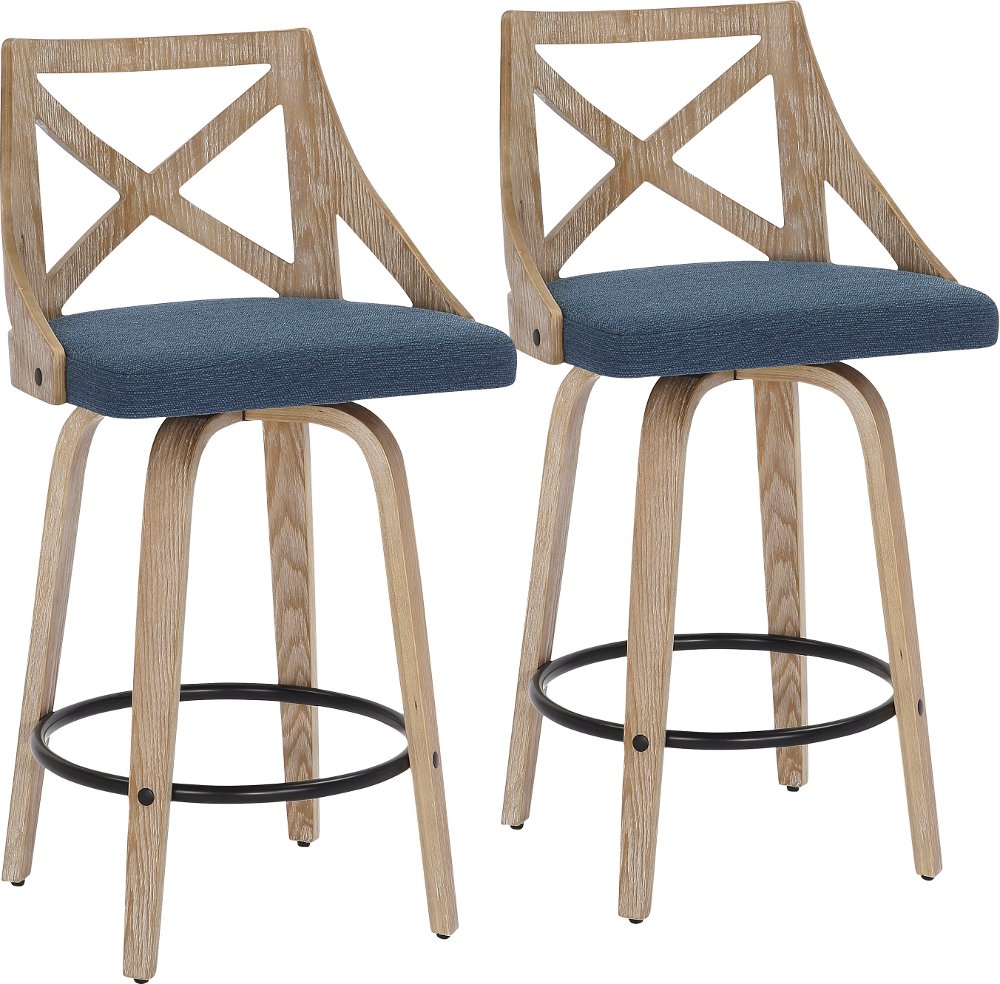
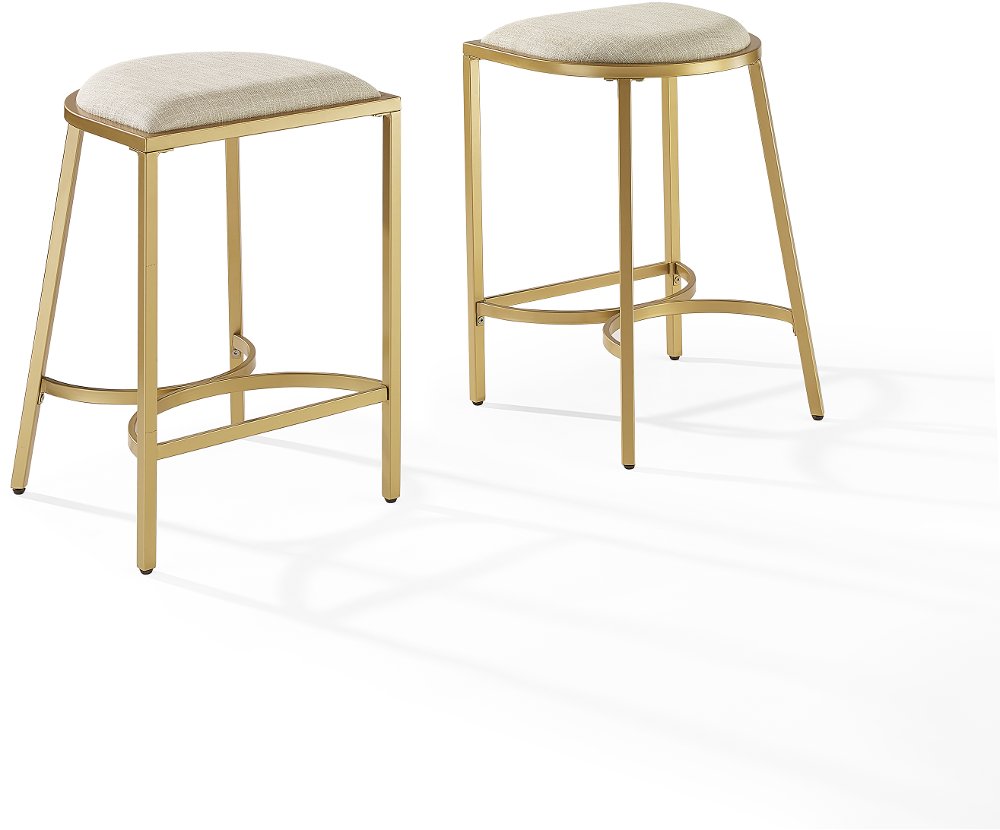
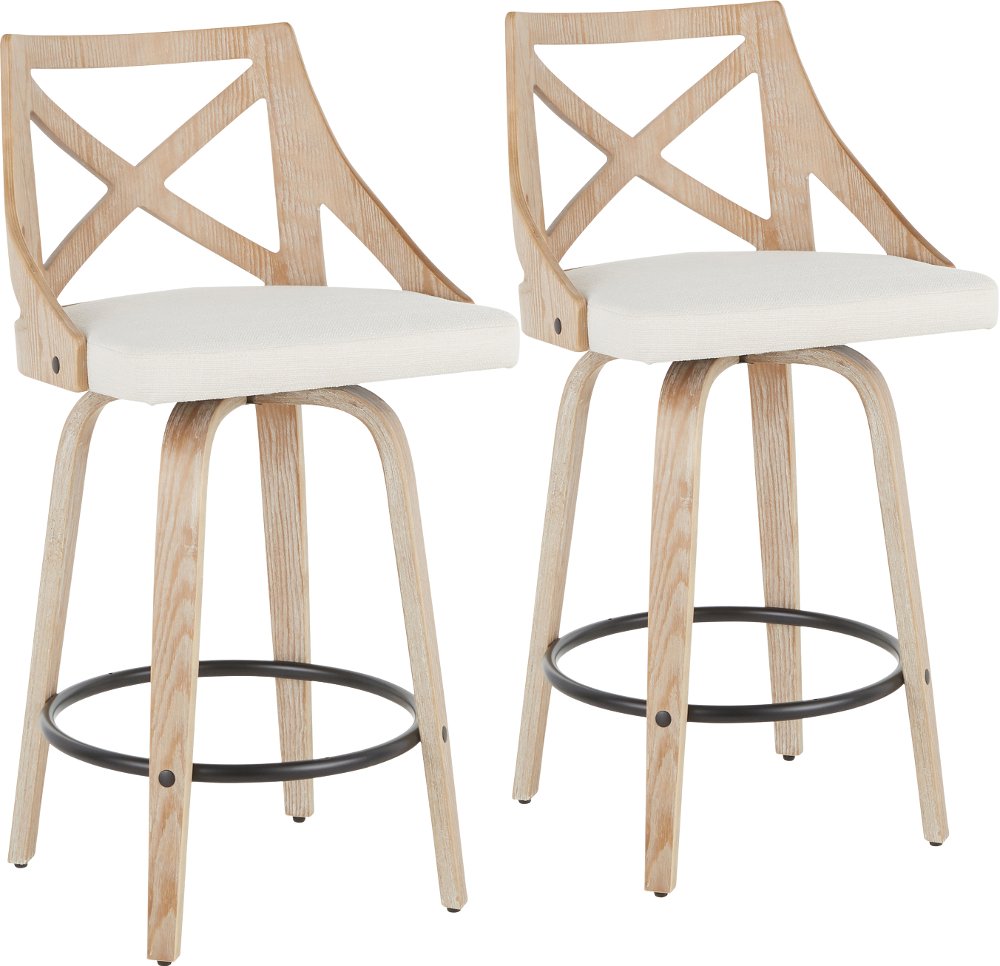
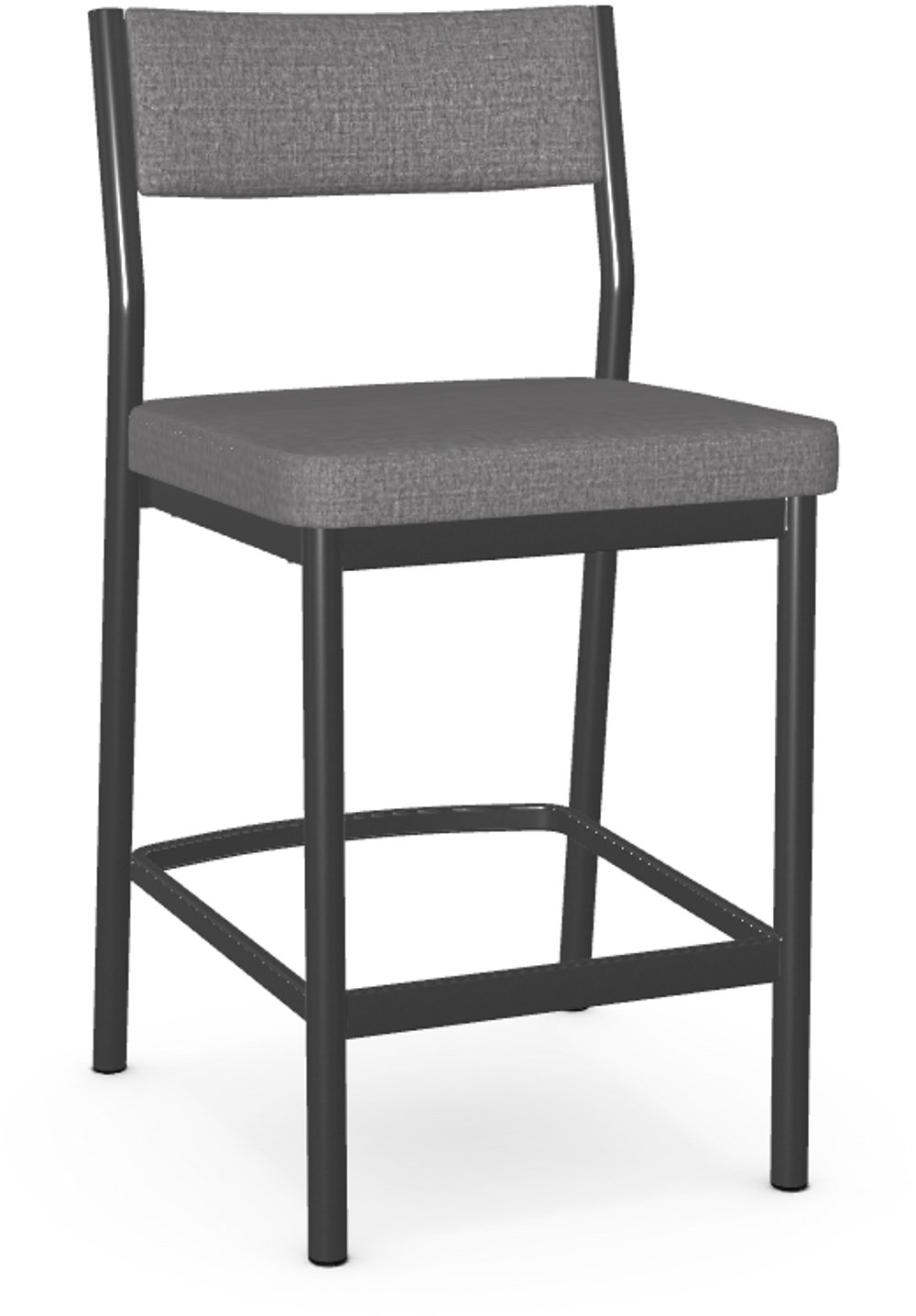
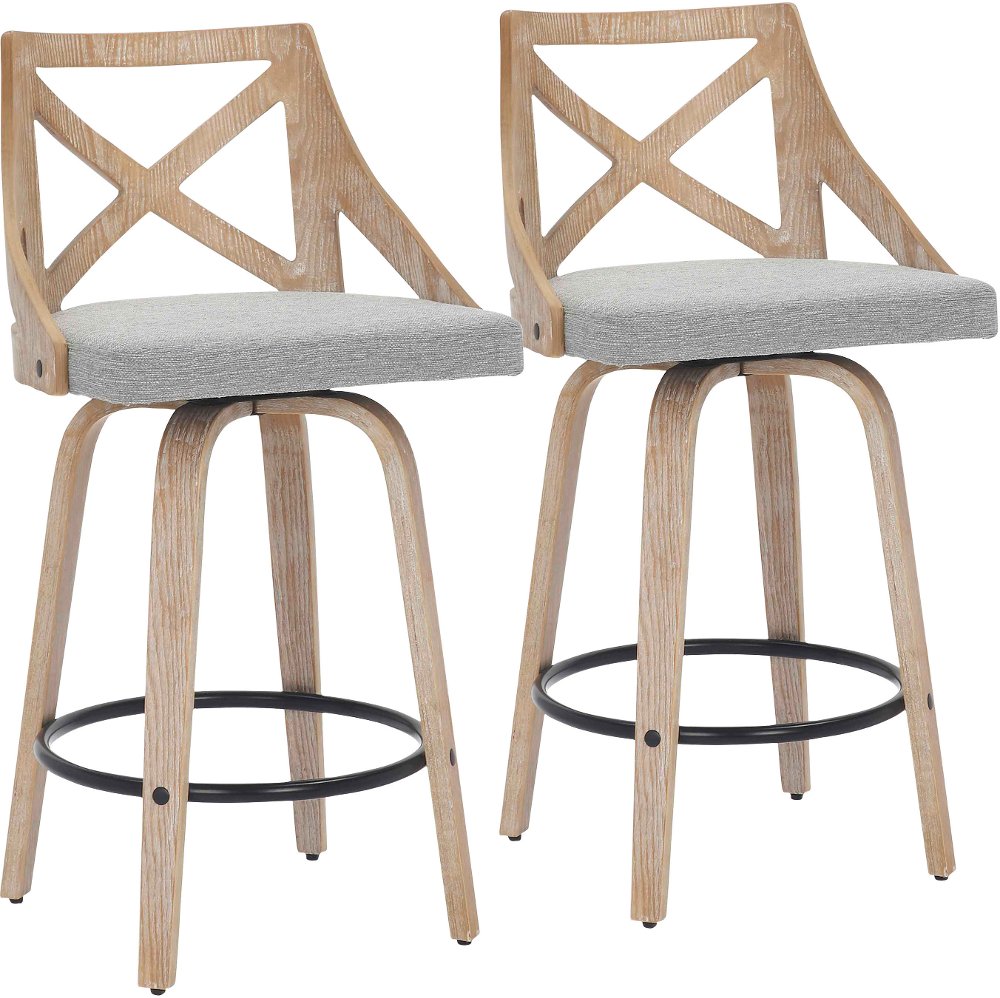
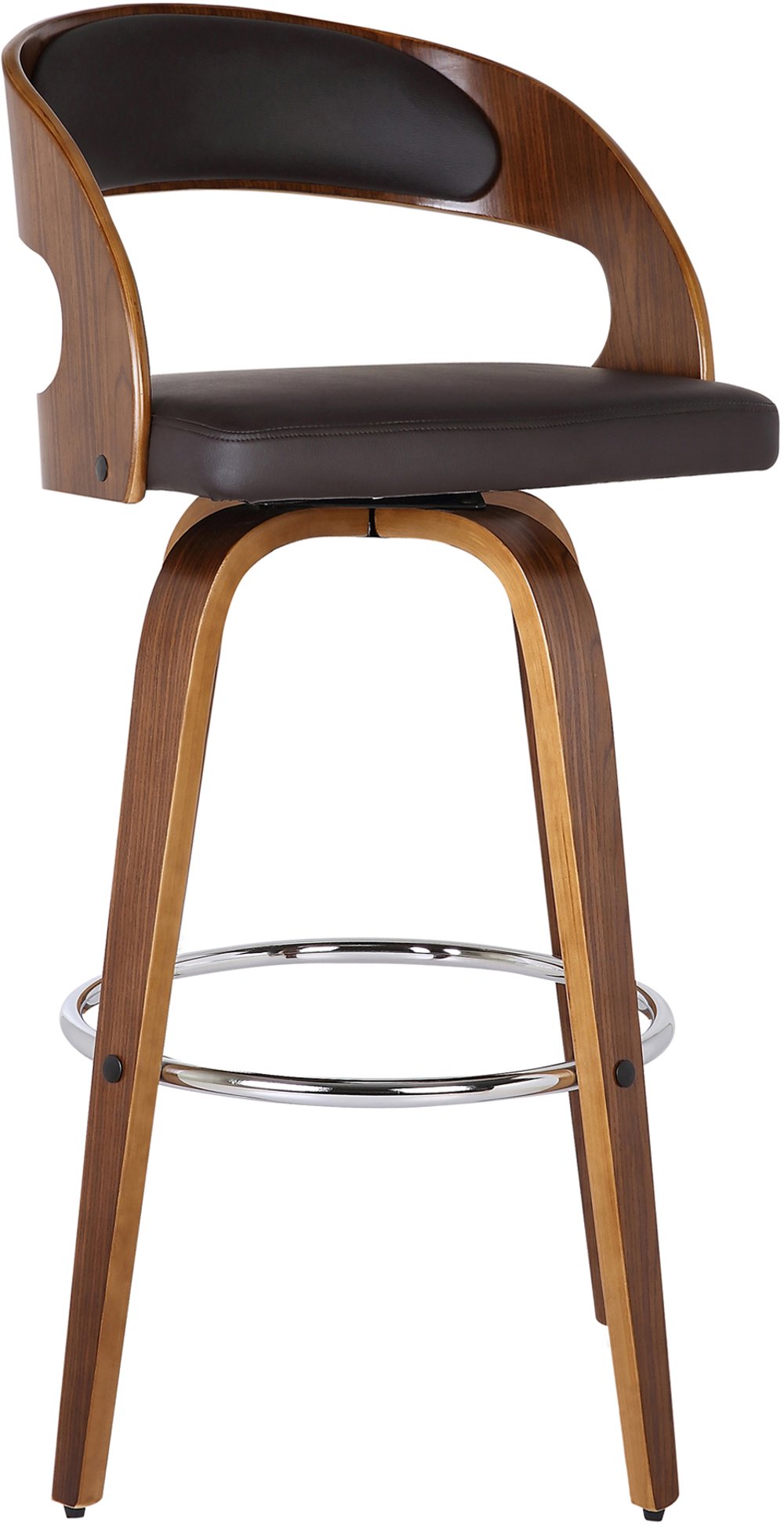
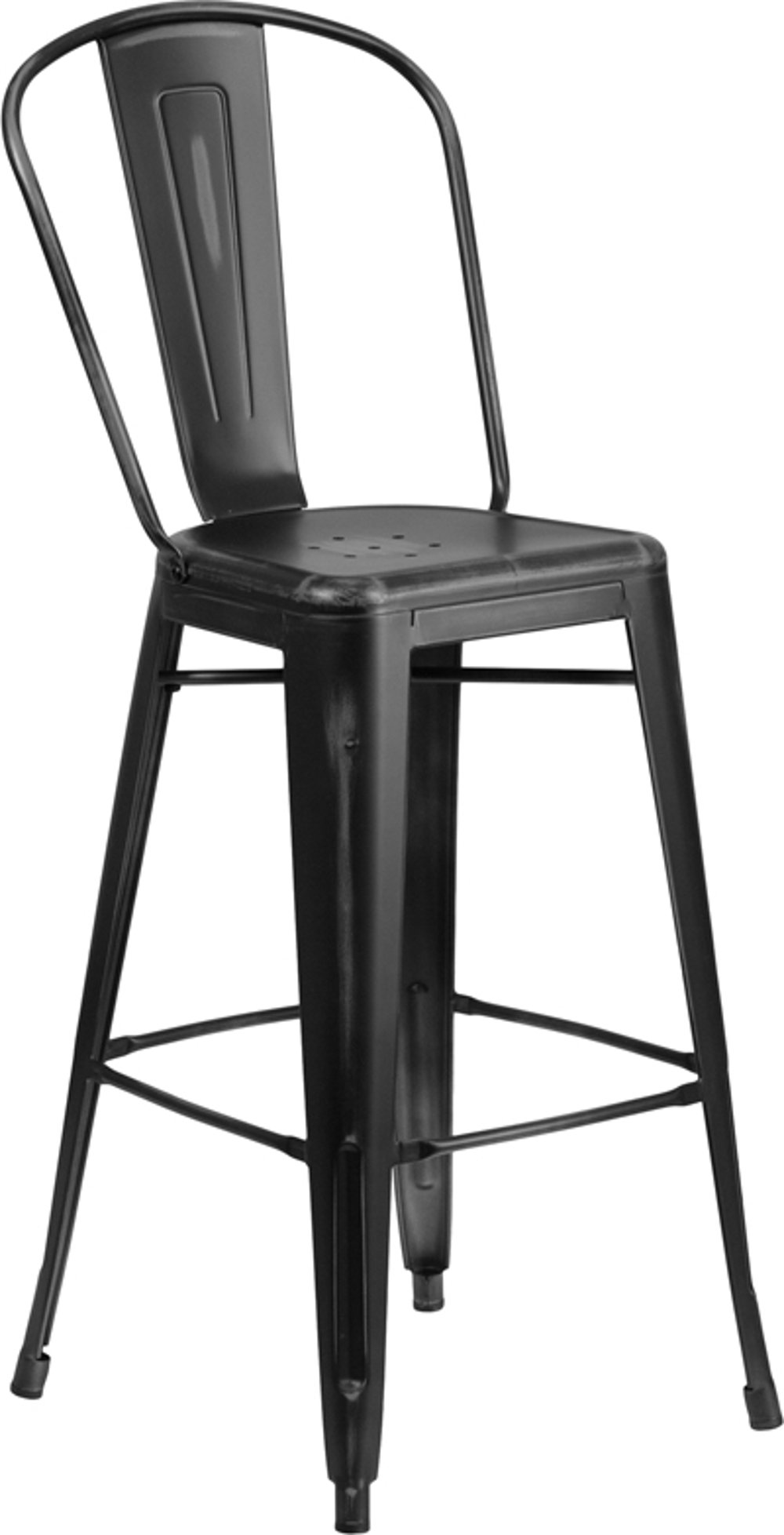
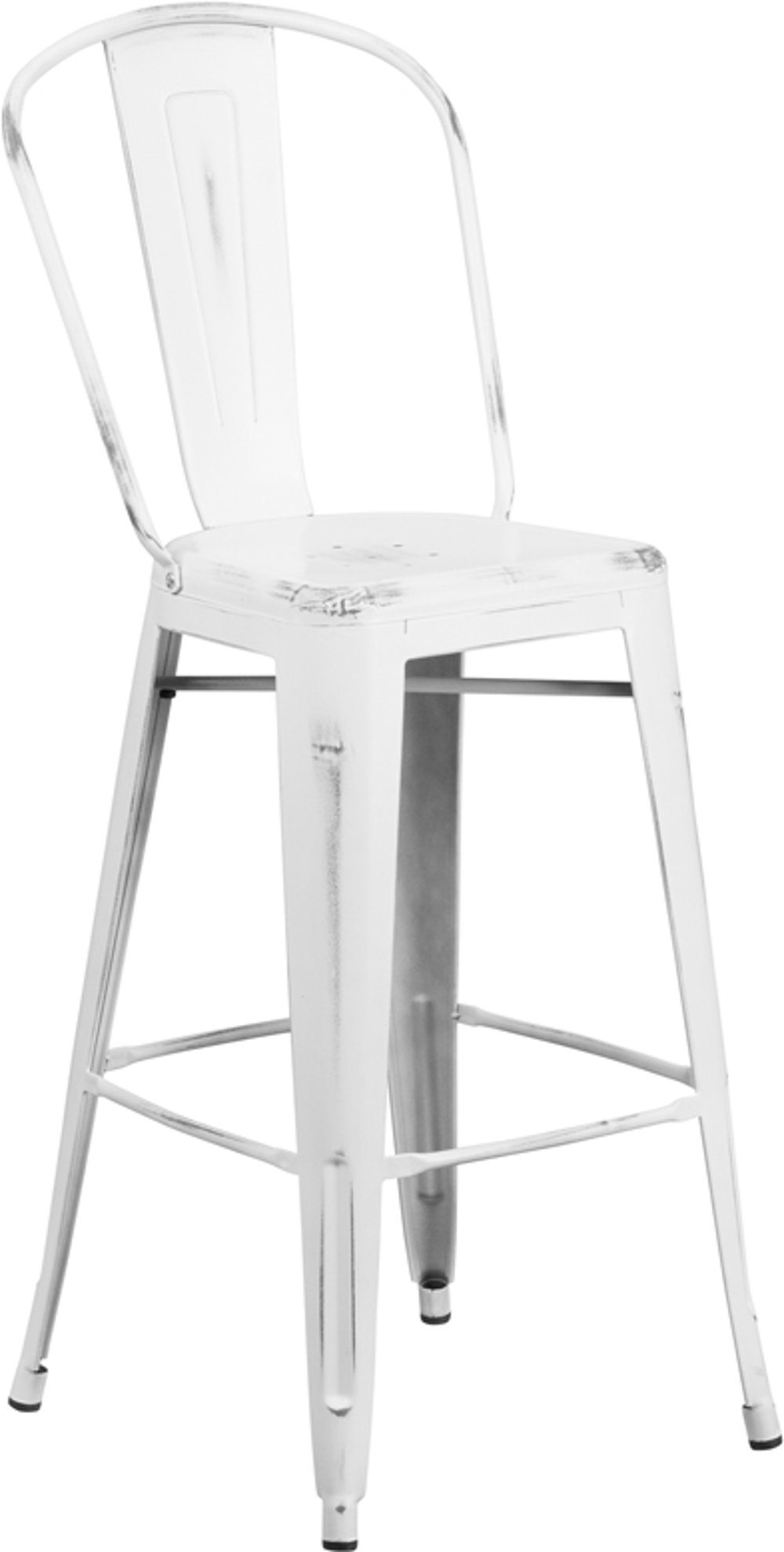
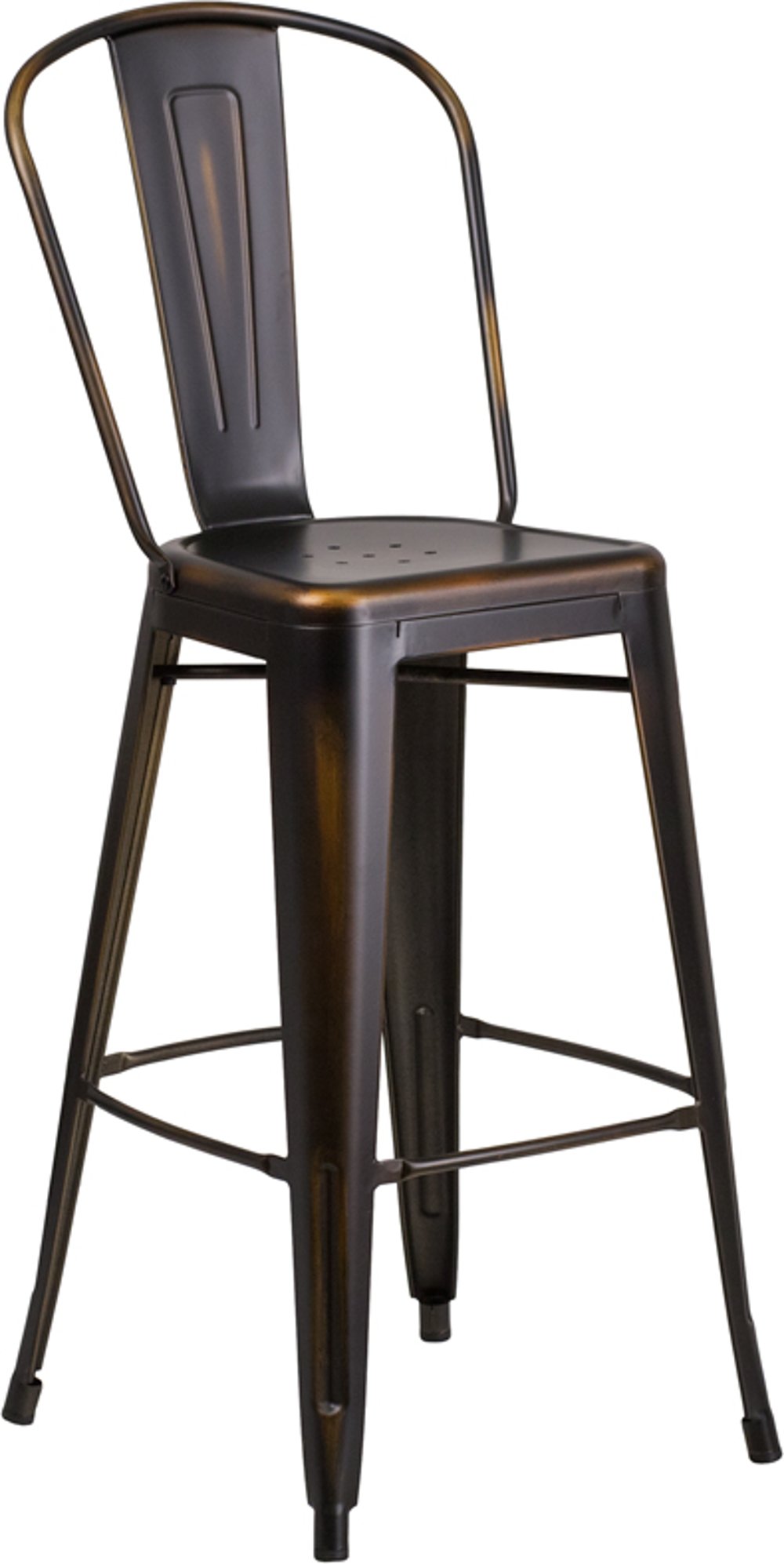
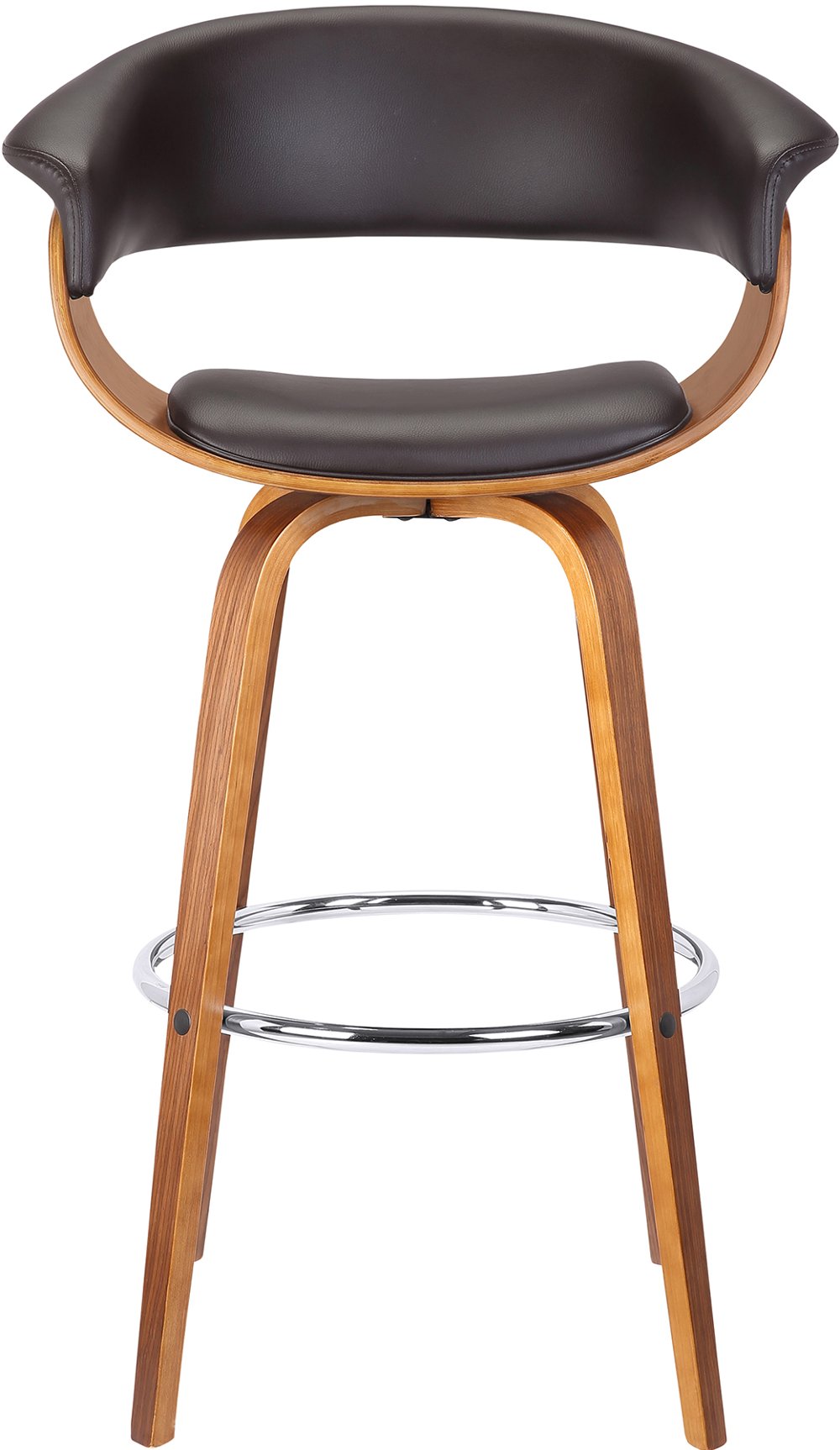
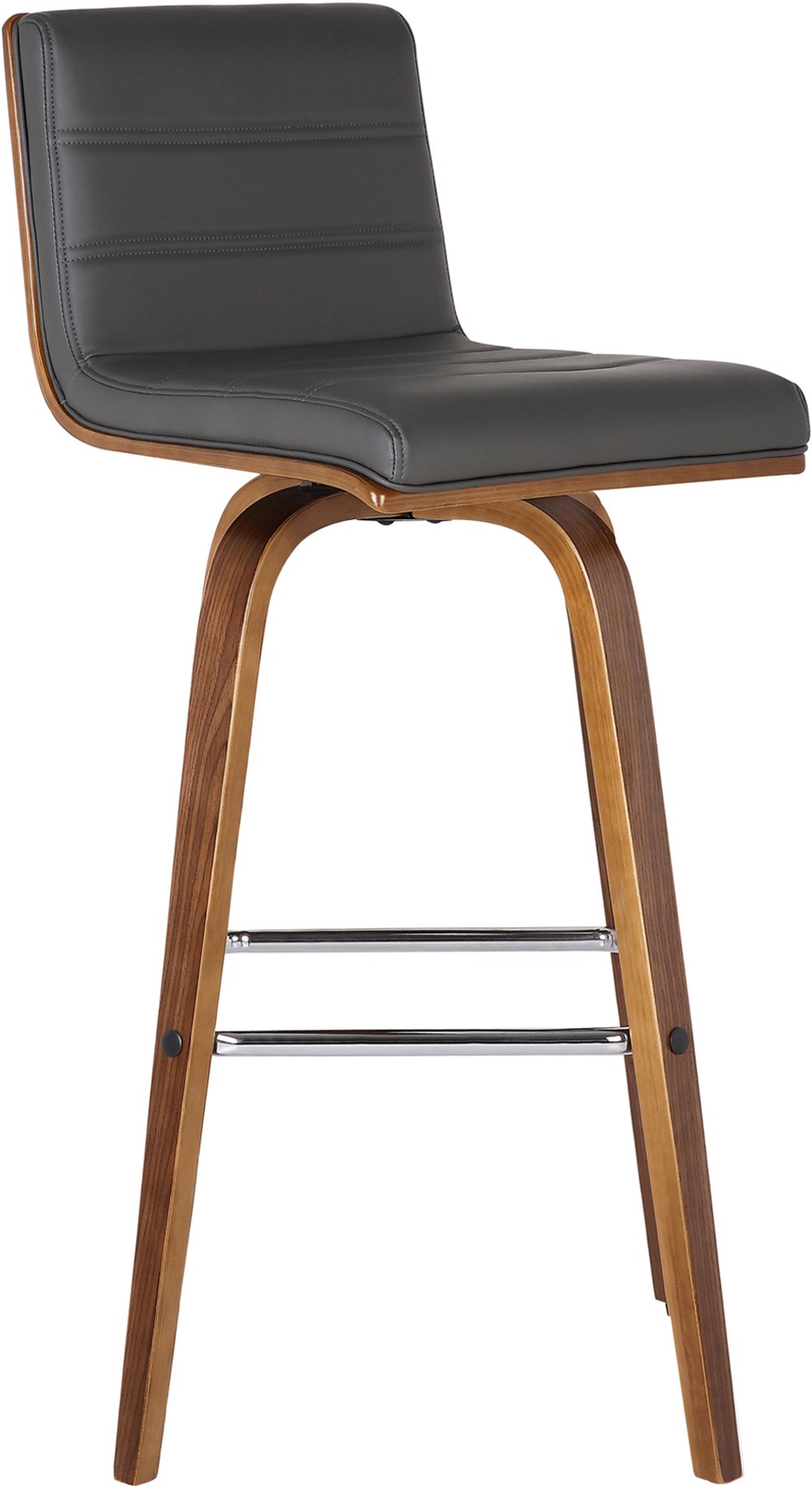
Transitional style bar stools make it easier to create a kitchen, dining area, or entertaining space that feels polished without looking overly formal. This versatile design brings together the warmth and familiarity of traditional furniture with the clean lines and practical details found in modern interiors. You might see stools with gently shaped backs, simple turned legs, smooth metal accents, natural wood tones, or upholstered seats in versatile neutrals. The result is a look that can settle comfortably into many homes, whether your space includes classic cabinetry, contemporary lighting, farmhouse-inspired details, or a mix of furniture collected over time. Transitional bar stools are especially helpful when you want new seating to feel connected to what you already own rather than calling attention to a single decorating trend. A softly textured fabric seat can warm up a streamlined island, while a wood frame can add balance to a kitchen with stainless steel appliances and sleek surfaces. Brown, tan, gray, cream, black, and other easygoing shades give you room to refresh nearby décor as your preferences change. If you appreciate the richness of brown upholstery or wood but want a cleaner, updated silhouette, you may also enjoy browsing Modern Brown Bar Stools for another adaptable seating direction.
Before choosing your stools, start with the height of the surface where they’ll be used. Counter-height stools are designed for standard kitchen counters and many islands, while bar-height stools suit taller bar tables and raised counters. Measure from the floor to the underside of the counter, then look for roughly 10 to 12 inches of space between the seat and the surface for comfortable legroom. That small detail makes a noticeable difference when you’re enjoying a long breakfast, helping with homework, or lingering over dinner with friends. Leave enough room between stools for people to sit down, stand up, and move their elbows comfortably; wider seats and stools with arms generally need more space than compact, backless designs. A stool with a supportive back can make everyday seating more inviting, especially in a home where the kitchen island serves as a dining table, work area, and gathering spot. Swivel seating can make it easier to turn toward a conversation or step away from the counter without dragging furniture across the floor, while stationary stools may offer a simpler profile and a more grounded appearance. Adjustable-height options can provide flexibility when several people use the same seating area, though a fixed-height stool often creates a more consistent look around an island. Consider the way the stool will feel beneath your hands and feet, too. Upholstered seats add softness for extended sitting, footrests support a more relaxed posture, and easy-care surfaces can be a practical choice for busy households. If children regularly pull up to the counter, look for sturdy construction, stable legs, and materials that can handle the occasional spill. For homes with pets, textured performance fabrics, smooth finishes, or removable and cleanable upholstery may make daily care easier.
Transitional style bar stools can serve many purposes beyond casual meals. They give guests a comfortable place to sit while you prepare food, create a welcoming spot for coffee during the cooler months, and help an open-concept room feel more complete without separating it into smaller areas. A pair of stools can keep a smaller breakfast counter feeling open, while a larger island may call for several coordinating seats. They can also be a thoughtful housewarming gift for someone settling into a new home, updating a kitchen, or creating a dedicated entertaining space. Because transitional furniture works across a range of decorating styles, it can be a practical gift when you know the recipient’s layout but aren’t certain of every color preference. Keep the room’s existing finishes in mind as you compare options: warm wood tends to complement cream, beige, and earthy palettes; darker finishes can echo cabinet hardware or lighting; and metal details can connect the stools with appliances, faucets, or nearby furniture. Matching every finish isn’t necessary. Repeating one or two colors or materials is usually enough to make the room feel intentional while still allowing the seating to have its own character. During the cooler months, a comfortable island becomes a natural place for warm drinks, shared meals, and conversation, so choose a design that feels good to use as well as pleasing to look at. With the right height, spacing, support, and finish, transitional style bar stools can bring lasting comfort and a balanced look to the heart of your home.
Read More