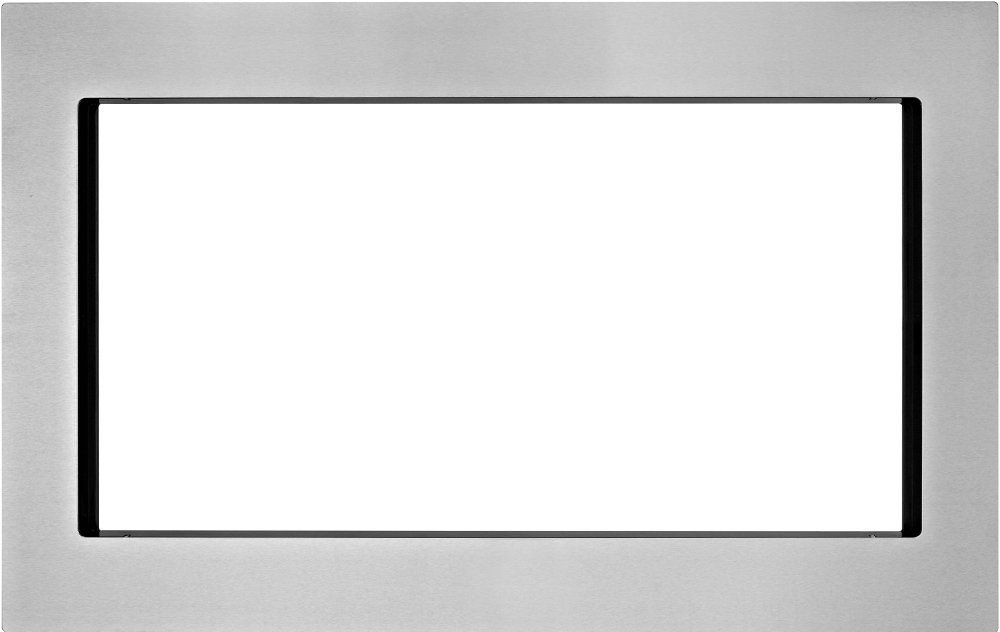
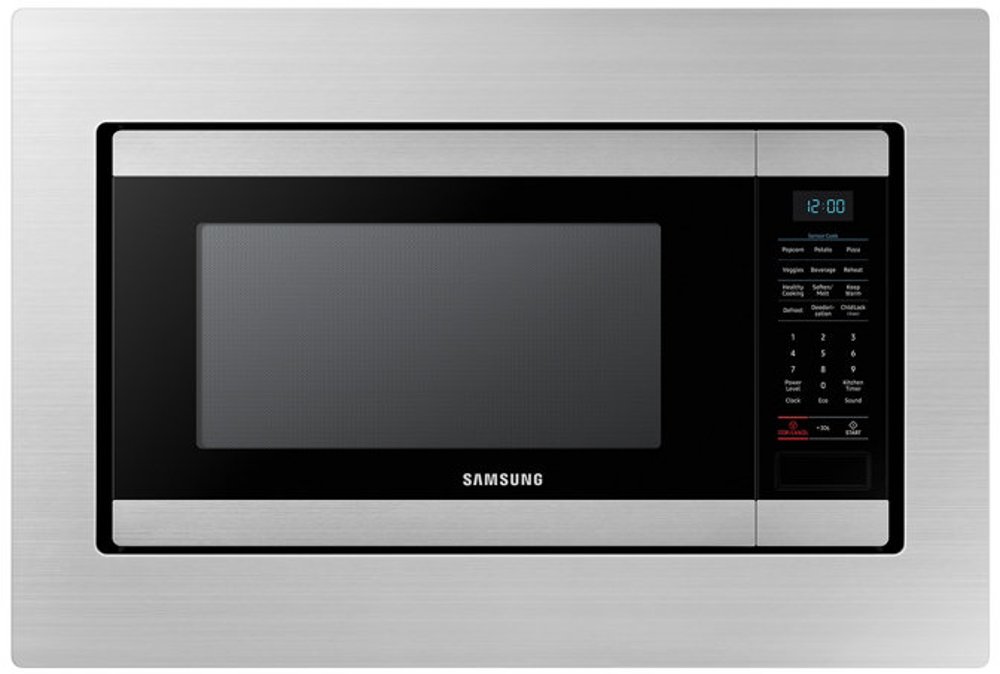
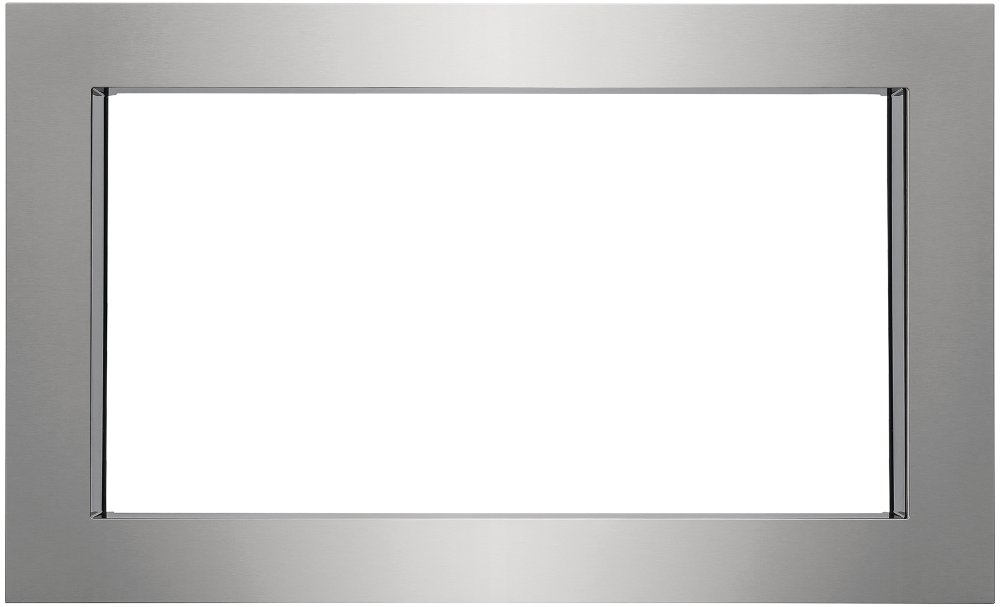
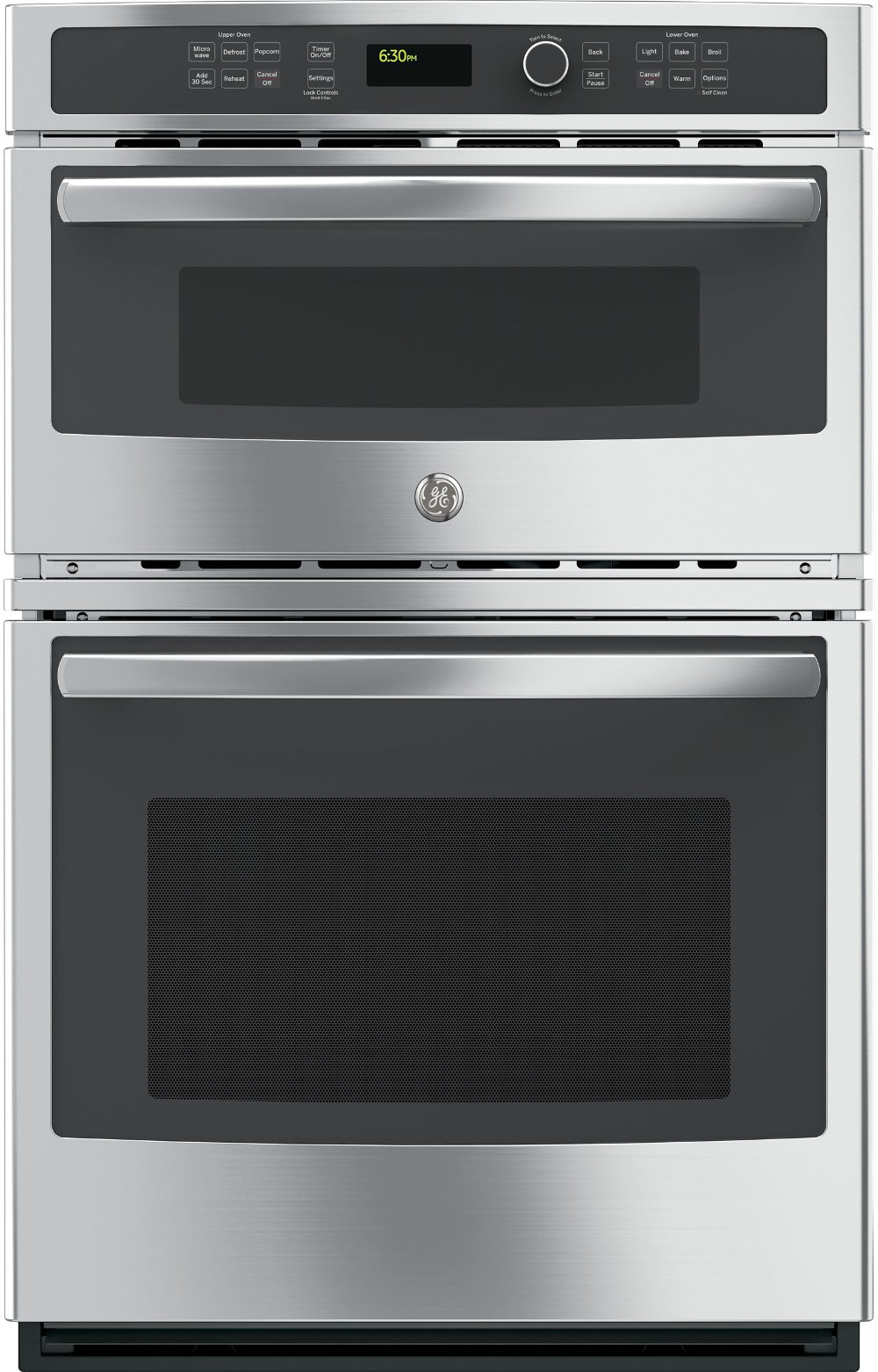
Trim kits help turn an appliance or fixture installation into a finished part of the room rather than an awkward gap that catches your eye every time you walk past it. A trim kit is generally a decorative frame, filler piece, faceplate, or set of panels designed to bridge the space between an appliance or fixture and the surrounding cabinet, wall, countertop, or other surface. The right kit can cover exposed openings, create cleaner lines, and give a kitchen or bathroom a more intentional appearance. Common uses include framing a microwave inside a cabinet opening, finishing the edges around a cooktop or range, updating the visible hardware around a shower or tub valve, and surrounding a refrigerator to create a more built-in look. Trim pieces can also help protect narrow spaces where crumbs, splashes, dust, and everyday debris tend to collect. Picture the small gap beside a cooking surface where a grain of rice disappears, or the uneven opening around a cabinet-mounted appliance that makes an otherwise orderly kitchen feel unfinished. A properly selected trim kit can make those details easier to live with while giving the room a polished, coordinated appearance. These products are useful for homeowners completing a renovation, renters making a permitted cosmetic update, contractors finishing an installation, and anyone replacing an appliance while working with an existing opening. They can also complement broader home projects, including a kitchen refresh, bathroom update, new cabinetry, or a bedroom makeover featuring coordinated [Bedroom Kits]. During the cooler months, when more time is spent indoors and small home improvements become especially noticeable, a clean transition around an appliance or fixture can add comfort and visual calm without requiring a complete remodel.
Accurate measurements are the most important part of choosing a trim kit. Before purchasing, measure the opening itself rather than relying only on the listed size of the appliance or fixture. Record the width, height, and depth at several points, since older cabinets, walls, and countertops may not be perfectly square. For a microwave or other cabinet-mounted appliance, measure the full cutout and note the location of nearby shelves, doors, outlets, vents, and supports. For countertop installations, check the distance between the appliance and the surrounding surface, including both sides and the front edge. For a refrigerator surround, consider the width and height of the available space as well as door swing, hinge clearance, handle depth, and ventilation requirements. Bathroom trim needs a different kind of attention: confirm the valve configuration, the number and placement of handles, the opening size behind the faceplate, and the connection points for visible components. A replacement trim kit may refresh the appearance without changing the plumbing inside the wall, but compatibility depends on the existing valve and installation design. Always compare the kit’s specifications with the appliance or fixture requirements before ordering, and look for model, opening, or installation compatibility information when it is provided. Material and finish matter, too. Metal and other moisture-resistant surfaces work well in areas exposed to steam or splashes, while a finish that coordinates with nearby hardware can help the entire room feel thoughtfully planned. Neutral finishes tend to blend easily with changing décor, while a more distinctive finish can highlight an appliance or fixture as part of the room’s design. Think about how the surface will look under bright kitchen lighting, around warm wood cabinetry, or against tile with a reflective glaze. A trim kit should feel like it belongs there, not like an afterthought added to hide a problem.
Installation requirements vary, so review the instructions and make sure the surrounding opening can support the kit as intended. Trim should sit securely and evenly without forcing the appliance or fixture into place. Never cover ventilation slots, intake areas, exhaust paths, electrical connections, or manufacturer-required clearances. Appliances that generate heat need proper airflow to operate safely, and a frame that looks attractive but blocks ventilation can create performance and safety concerns. Likewise, a bathroom faceplate should seal and align correctly without putting stress on the valve or leaving openings where moisture can reach the wall. Some installations call for basic tools and careful adjustment, while others are best handled by a qualified installer, electrician, plumber, or cabinet professional. If the opening needs to be cut, reinforced, or modified, measure twice and make sure the work will not affect structural supports, wiring, plumbing, or appliance service access. Keep the product information, installation instructions, and measurements together in case adjustments or future replacement become necessary. Trim kits are especially practical when replacing an older appliance with a newer unit that does not perfectly match the existing opening, when a remodel leaves visible gaps around cabinetry, or when a homeowner wants a more integrated look without rebuilding the entire room. They can make a thoughtful housewarming or renovation gift when the recipient has already chosen an appliance or fixture and needs the finishing pieces to complete the installation, although compatibility should always be confirmed first. With the right dimensions, suitable materials, proper airflow, and careful installation, trim kits help create the smooth, finished transitions that make a home feel comfortable, cared for, and ready for everyday life.
Read More