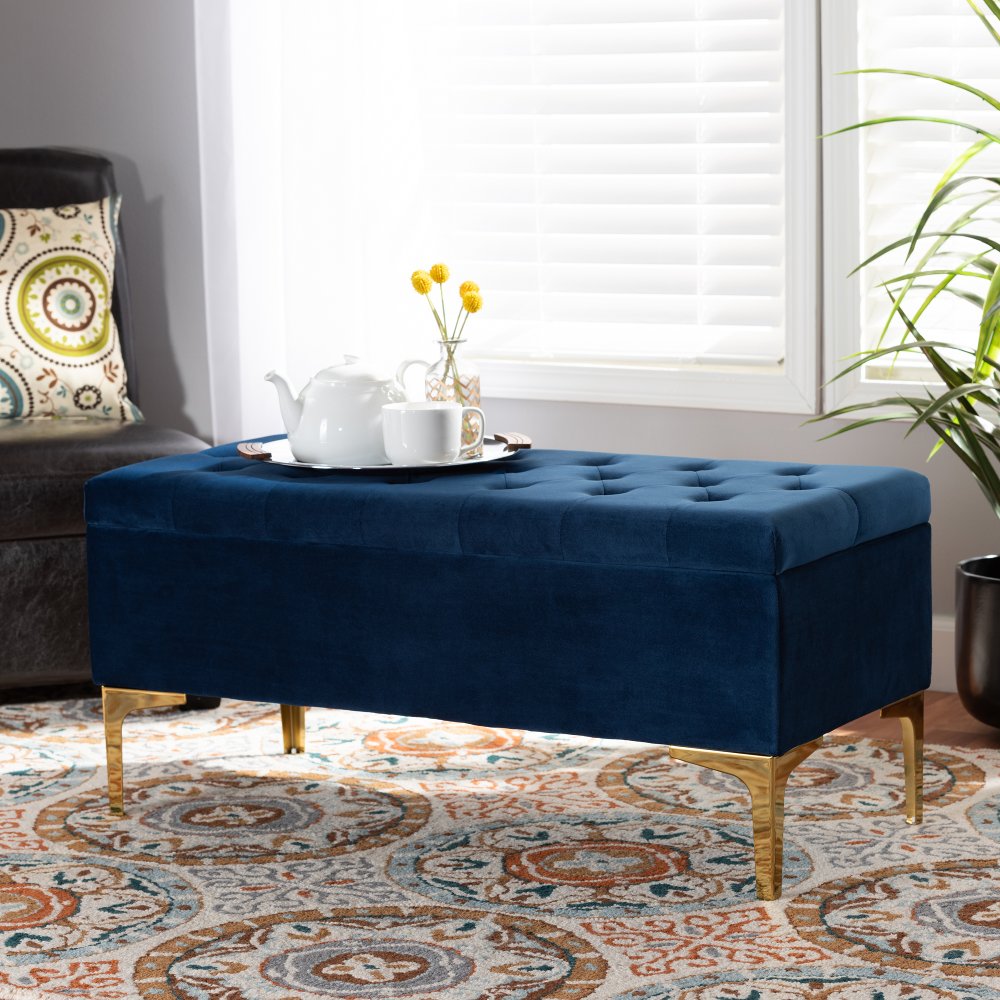
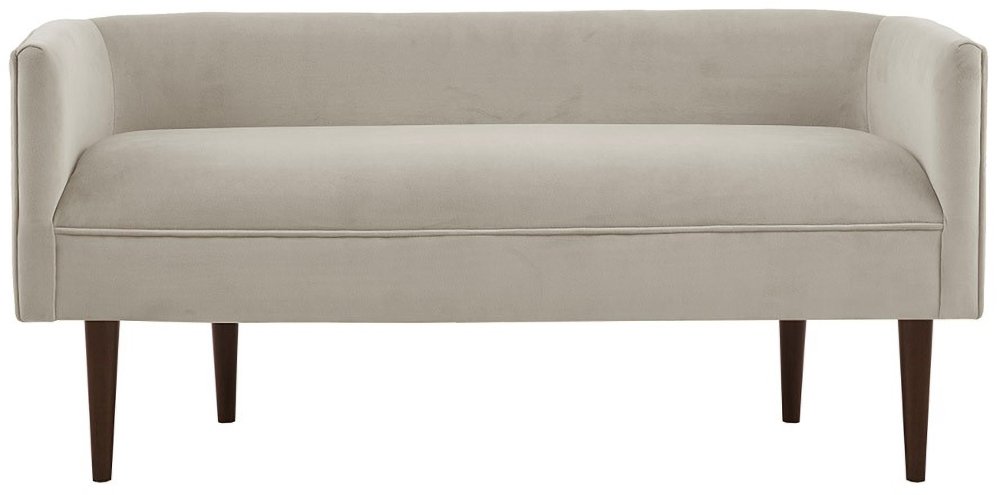
Tufted benches are upholstered benches with buttons, stitches, or recessed dimples that create a patterned surface across the seat, back, or both. That distinctive texture gives a simple seating piece depth and character, whether the design features traditional diamond tufting or a neat arrangement of square sections. A tufted bench brings together cushioned seating and decorative detail, making it a useful addition to a bedroom, entryway, living room, or dressing area. At the foot of a bed, it provides a place to sit while getting dressed, lay out an outfit, or set a folded throw within easy reach. Near the front door, it creates a comfortable landing spot for someone tying sneakers or slipping off shoes. In a living room, a backless upholstered bench can add seating without the visual height of another chair, helping an open layout feel connected rather than crowded. The details influence how it fits with the rest of the room: turned wood legs, rolled arms, and nailhead trim tend to feel traditional, while straight legs and restrained tufting work well with cleaner, more contemporary furniture. Deep button tufting adds a sculpted look; shallower stitching creates a subtler surface that may suit a relaxed space. Neither approach requires a room full of matching pieces. A tufted bedroom bench can soften the lines of a wood bed frame, and an upholstered entryway bench can balance a console with a stone or metal finish. Color offers another way to make the piece feel at home. Cream, taupe, and gray allow the texture to take center stage, while a richer blue or green can give a neutral room a focal point. For someone furnishing a first apartment or refreshing a longtime home, the appeal is practical: a relatively compact piece can add a place to pause, a softer finish, and a more complete look without taking over the room.
Upholstery and frame materials affect both the appearance of tufted benches and how they handle everyday use. Woven fabrics offer texture that can feel casual or tailored depending on the weave, while linen and linen-blend upholstery bring a more relaxed look. Natural fibers and blends vary in stain resistance, wrinkle tendency, and cleaning requirements, so the fabric description matters as much as the color. Velvet has a soft pile that catches light differently as its fibers change direction, giving the same seat subtle shifts in tone. For a closer look at that finish, velvet benches offer the plush texture that makes tufted patterns especially noticeable. Leather upholstery has its own character and care needs, while faux leather can offer a similar smooth appearance; neither should be treated as interchangeable when choosing cleaning products. In a busy entryway, easy-care upholstery may be more useful than a delicate fabric, especially when the seat shares space with backpacks, handbags, or a pet’s favorite resting spot. A performance fabric can be worth considering, but its specific cleaning instructions and tested properties are more informative than the label alone. Under the upholstery, a sturdy frame, secure joints, and supportive cushioning help a bench feel dependable. Solid wood, engineered wood, and metal can all appear in bench construction, and long-term durability depends on the complete design rather than one material name. Wood legs introduce warmth and grain, while metal legs can create a lighter profile or a more architectural look. Seat firmness also deserves attention. A softly padded bench may feel inviting for a brief rest, while firmer cushioning can make putting on shoes or standing up feel easier. Someone who needs extra support may prefer a seating design with arms and an appropriate seat height. Decorative rolled arms can occupy usable sitting space, so overall width alone doesn’t tell the full story. The best fit balances the look of the upholstery with the support and upkeep that suit the household.
Size and placement help a tufted bench earn its place in daily life. An end-of-bed bench generally looks balanced when it’s narrower than the bed, with enough space around it to walk comfortably and open nearby drawers. Measuring the bench’s depth is just as important as checking its width, particularly in a bedroom where the foot of the bed faces a dresser. In an entryway, account for the door swing and the route people take through the house; a seat that fits against the wall can still interrupt traffic if it projects too far into the passage. Seat height affects comfort, too, especially when the bench will be used regularly rather than mainly as an accent. For dining use, a bench needs to suit the table’s height, leg placement, and seating clearance, and the upholstery should be appropriate for frequent meals. A tufted storage bench adds another layer of usefulness by keeping spare bedding, board games, or accessories tucked away beneath the seat. Interior dimensions determine what actually fits, while the lid needs enough clearance to open freely. In homes with children, review the manufacturer’s guidance on hinges, lid supports, and safe use rather than assuming every storage design offers the same protections. A bench used as an ottoman can provide a place to rest feet, but an uneven tufted surface isn’t a stable spot for an uncovered drink; a suitable tray may help if the design accommodates one securely. Everyday care keeps those upholstered details looking their best. Gentle vacuuming with an upholstery attachment removes crumbs and dust from tufted recesses, and prompt blotting helps contain spills without pushing them farther into the fabric. Follow the upholstery care label before applying water or cleaner, since some materials require specialized treatment. Check leg fasteners as directed, use floor protectors suited to the flooring, and follow the stated weight capacity. With thoughtful proportions, comfortable support, and manageable care, a tufted bench can become the seat someone reaches for every day, not simply a finishing touch.
Read More