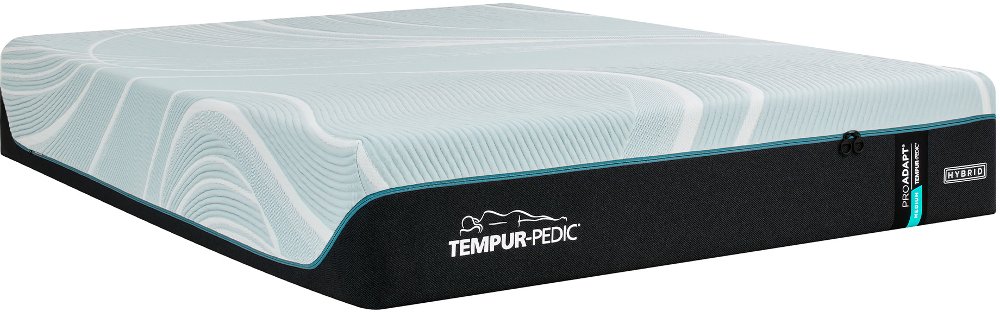
A standard twin-size mattress measures approximately 38 inches wide by 75 inches long, making it a compact choice for one sleeper. Some manufacturers list the width as 39 inches, so the measurements for the mattress and bed frame matter more than the size label alone. A twin XL mattress measures approximately 38 inches wide by 80 inches long, adding 5 inches of length without taking up more width. That extra length can make a difference for a taller teenager, a college student, or an adult who likes room to stretch out. Standard twin beds work well in children’s bedrooms, shared rooms, and guest spaces where keeping the floor open is a priority. Twin XL beds offer a longer sleeping surface while preserving much of that space-saving benefit. Neither size is designed to give two adults comfortable sleeping room; both are generally intended for a single sleeper. When comparing twin bed sizes, remember that mattress dimensions aren’t the same as overall bed dimensions. Side rails, headboards, footboards, and upholstered edges extend beyond the mattress, and storage drawers need additional clearance when open. A simple frame may add only a few inches, while a substantial wood or upholstered bed can occupy considerably more space. A room measuring about 7 feet by 10 feet may accommodate a twin bed and limited additional furniture, but the layout determines how comfortably everything fits. Door swings, closet access, and the depth of a dresser can change the picture quickly. In a shared bedroom, two twin beds placed along opposite walls can give each child a separate sleeping area, while a small table between them provides a spot for books and a reading light. In a multipurpose room, a twin daybed can keep more floor space open for a desk or hobbies. Checking the bed’s full assembled dimensions helps you picture the actual footprint rather than just the rectangle occupied by the mattress.
The right twin bed frame balances room size, everyday habits, and the look you want to create. Wood frames bring warmth and can range from clean-lined designs to beds with substantial headboards and built-in storage. Solid wood, wood veneers, and engineered wood each have different construction characteristics, so consider the quality of the joints, supporting rails, and hardware rather than relying on material names alone. Metal frames often have slimmer profiles and can suit a smaller room, while upholstered beds add a soft-looking backdrop for pillows and bedding. For a child who reads against the headboard or a guest who likes to sit up in bed, that backdrop may be especially appealing. Fabric texture and cleaning requirements deserve attention, particularly in a room shared with pets or a child who brings snacks to bedtime reading. Storage beds can turn the space beneath a twin mattress into a place for folded clothes, extra sheets, or toys, although drawers need enough room to pull out without hitting nearby furniture. A trundle provides an additional sleeping surface that can tuck away between visits; its mattress must meet the trundle’s width, length, and thickness requirements. Bunk beds use vertical space instead of spreading across the floor, making them useful in shared bedrooms, but their safety requirements are essential. The upper bunk isn’t appropriate for children younger than 6, and the manufacturer’s mattress thickness limit helps preserve the required guardrail height. For any frame, confirm whether it uses slats, requires a separate foundation, or includes another support system compatible with the mattress. A standard twin mattress and a twin XL frame aren’t interchangeable simply because they share a similar width. Well-fitted parts, properly tightened hardware, and the correct mattress support contribute to a stable setup. Day-to-day care is usually straightforward: dust finished surfaces, follow the care label for upholstery, and check connections periodically, especially after moving the bed. Lift furniture rather than dragging it to help protect joints, flooring, and the frame itself.
Choosing a mattress for a twin bed is also about how the sleeper uses it. A child moving into a bigger bed needs a comfortable, supportive surface and a height that makes getting in and out manageable. An adult using a twin bed every night may place more emphasis on pressure relief, edge support, and ease of movement. Foam mattresses can offer contouring, innerspring mattresses often have a responsive feel, and hybrid designs combine coils with comfort layers. Materials alone don’t determine comfort, and a mattress that feels right to one sleeper may feel too firm or too soft to another. Sleep position, body size, and personal preference all help shape the choice. Explore Mattresses for Twin Beds to compare options with your bed’s dimensions and support requirements in mind. Mattress thickness also affects the finished bed height, the depth needed for fitted sheets, and whether a mattress will work in a bunk or trundle. For someone who finds a very low bed difficult to use, the combined height of the frame, foundation, and mattress deserves consideration. Bedding should match the mattress size: a standard twin fitted sheet generally won’t fit a twin XL mattress properly because twin XL is 5 inches longer. Some flat sheets and comforters are labeled for both sizes, but check their actual measurements and the amount of coverage you prefer. A washable mattress protector can simplify care by helping keep spills and everyday moisture away from the mattress surface. Follow the manufacturer’s cleaning instructions, and rotate the mattress only as recommended; many designs aren’t intended to be flipped. In a guest room, two twin beds can give visiting friends or relatives separate places to sleep without requiring separate bedrooms. For a growing child or a student furnishing a first room away from home, a carefully matched twin bed, mattress, and bedding create a dependable place to settle in. The best fit leaves enough room for both comfortable sleep and the everyday activities that make a bedroom feel like your own.
Read More