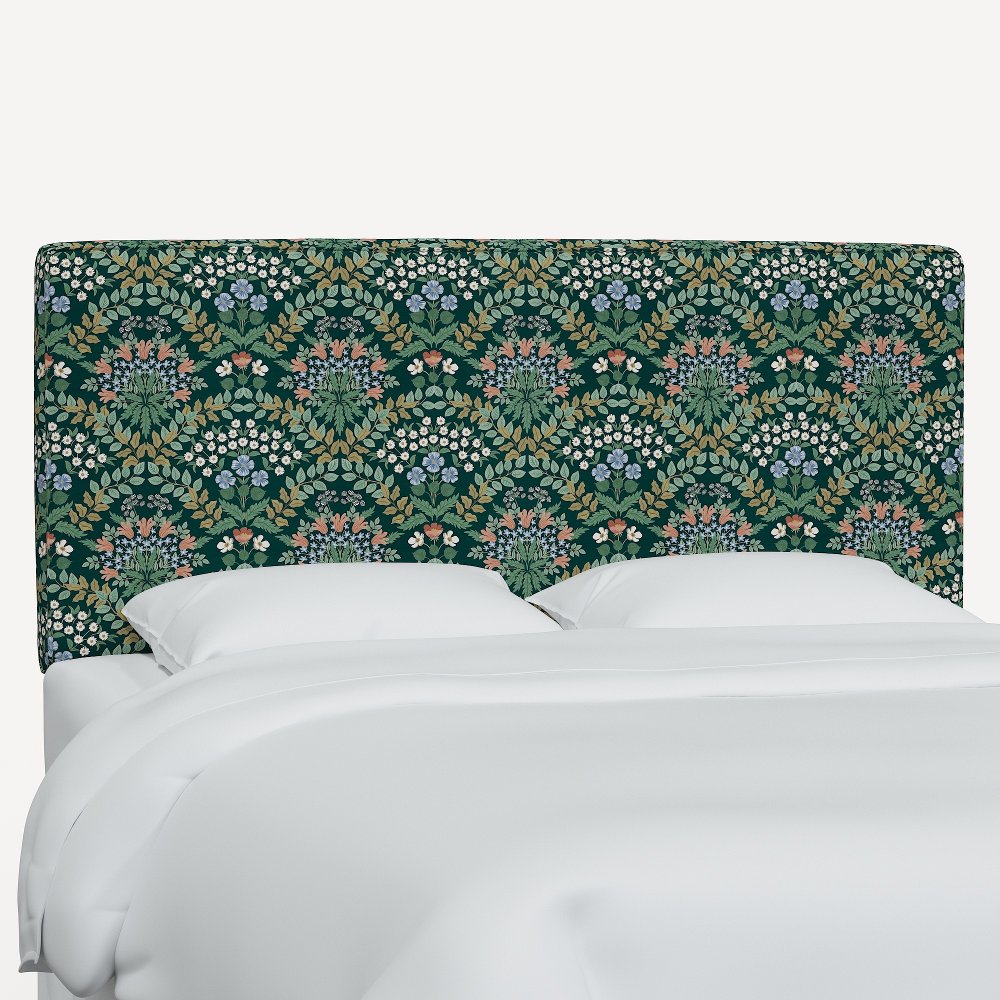
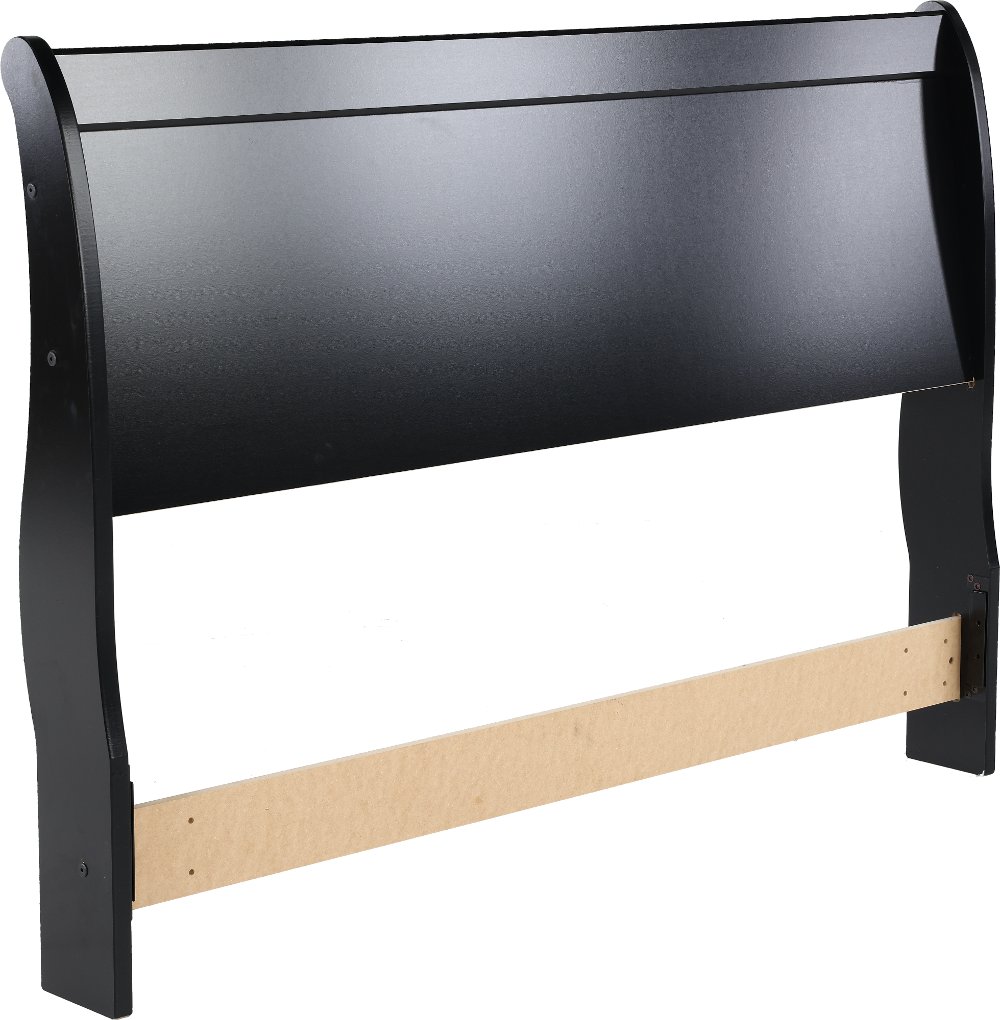
Twin panel headboards give a twin bed a defined backdrop without requiring a larger bed size, making them a practical choice for children’s bedrooms, teen spaces, and guest rooms. A panel headboard has a broad, solid-looking surface rather than an open arrangement of rails or spindles. That surface might be smooth and simple, framed with raised trim, divided into recessed sections, or covered with fabric and padding. Each treatment brings a different feel to the room: a flat wood-look panel keeps the bed visually clean, while framed details can complement traditional dressers and bedside tables. A twin panel headboard also creates a focal point in a compact bedroom, helping a small bed look intentional rather than tucked into leftover space. For a child moving into a first twin bed, a straightforward shape can work with playful bedding today and simpler colors later. In a teenager’s room, a taller panel can anchor the bed alongside a desk and shelving without adding the length of a footboard. Two matching headboards can bring order to a shared bedroom or a guest room with separate beds, while different bedding gives each sleeper a personal space. Finish plays a big part in the effect. Pale wood tones pair easily with woven baskets and colorful quilts, darker finishes add contrast against light walls, and painted surfaces can coordinate with existing furniture without matching every piece exactly. For a bright, easy-to-coordinate look, the White Twin Headboards collection offers a focused way to explore that color direction. Upholstered panels bring texture into rooms with mostly smooth furniture, and padding can make sitting up with pillows more comfortable when the headboard is properly secured. Whether the room belongs to a young reader, a student, or an occasional overnight guest, the best style is one that suits both the person using the bed and the furnishings already around it.
Size and attachment deserve just as much attention as appearance. A standard twin mattress is nominally 38 inches wide by 75 inches long, while a twin XL mattress is nominally 38 inches wide by 80 inches long. Twin panel headboards are often around 41 inches wide, but their overall dimensions vary with the thickness of the posts, decorative trim, and design. The shared mattress width means some twin headboards can work with twin XL beds, but compatibility depends on the frame and mounting arrangement, not mattress width alone. Check the headboard’s stated compatibility, attachment-point spacing, and hardware requirements against the bed frame before choosing. A headboard designed for a coordinated bed may require matching side rails or adapters rather than attaching directly to a basic metal frame. Others are designed for frame mounting or wall mounting; the correct method is the one specified by the manufacturer. Bolts, brackets, and other mounting hardware may be separate, and bolt diameter and length should follow the assembly instructions rather than a universal assumption. A headboard alone doesn’t support a mattress or replace the foundation, platform, or bed frame. In a narrow room, measure the full headboard width and depth, leaving room for nearby drawers to open and for a clear path beside the bed. Height matters, too. A thick mattress and foundation can hide much of a short panel, while a tall panel may overlap a window sill or compete with shelves above the bed. Measure from the floor to the top of the mattress to judge how much of the headboard will remain visible. If the bed has an adjustable base, confirm clearance and approved attachment options so the base can move freely. These details are especially helpful when refreshing an existing twin bed: a new backdrop should fit the setup comfortably, not turn a simple room update into an unexpected frame replacement.
Materials affect how a twin panel headboard looks, feels, and holds up to everyday life. Solid wood brings natural grain variation and can develop small signs of wear that suit a relaxed bedroom, although its finish still needs protection from moisture and scratches. Wood veneer provides a real-wood surface over a supporting core, while engineered wood, including MDF and particleboard, can support smooth painted finishes or decorative laminate surfaces. Construction quality matters more than a material name alone: secure joints, well-finished edges, and sturdy attachment points all contribute to a stable result. Laminate and other coated surfaces are often straightforward to wipe clean, but excess moisture can damage exposed seams or edges. Upholstered twin panel headboards add softness and offer textures ranging from smooth weaves to more pronounced fabric patterns. For a bed used daily, consider how the fabric will handle contact with hair products, hands, and pillows, and check whether the manufacturer provides care instructions or performance information. A textured or patterned fabric may make minor marks less noticeable, but no fabric should be assumed stain-resistant without supporting specifications. Routine care is usually simple when it follows the finish or fabric requirements. Dust hard surfaces with a soft cloth, wipe spills promptly, and use only approved cleaners; abrasive pads and harsh chemicals can dull or damage finishes. Vacuum upholstery gently with an appropriate attachment, and follow its cleaning code before applying water or cleaning solutions. Keep wood and fabric away from prolonged direct sunlight when possible to help limit fading or uneven color changes. After assembly, check that fasteners are secure and revisit them periodically, particularly if the bed has been moved. A headboard shouldn’t wobble during normal use, and a child’s headboard isn’t a climbing surface or a substitute for an appropriate bed rail. For a bedroom makeover gift, confirm the recipient’s frame dimensions and preferred style first. A carefully chosen panel headboard can give an existing twin bed a fresh identity while keeping familiar bedding, useful furniture, and the room’s everyday routines in place.
Read More