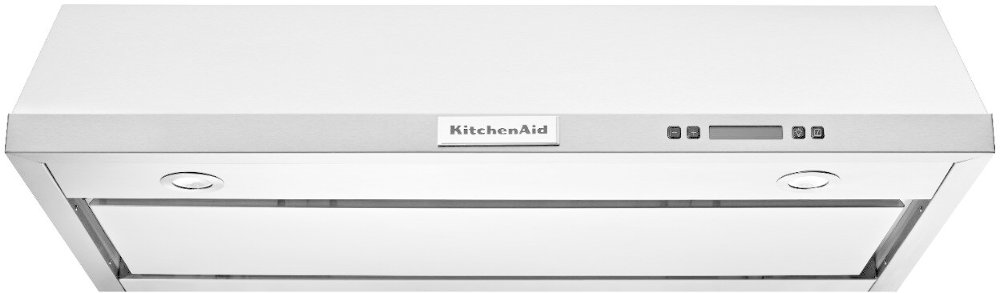
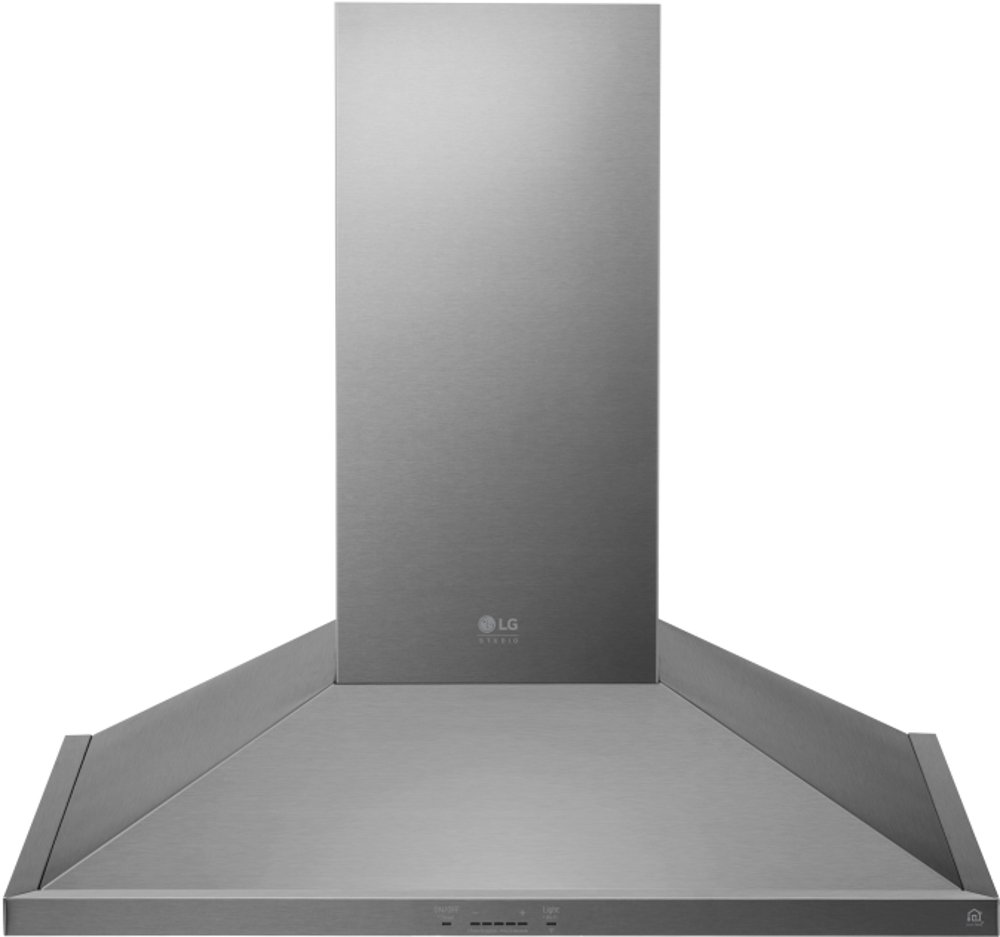
Ventilation accessories help air move through a home’s ventilation system while supporting a secure fit, a finished appearance, and easier maintenance. Depending on their intended use, these accessories may direct airflow, connect duct sections, capture cooking residue, or protect an exhaust opening from debris and pests. The right choice depends on the system: a kitchen range hood, bathroom exhaust fan, clothes dryer, and heating or cooling system each have different requirements. Parts that look similar aren’t necessarily interchangeable. In a kitchen, ventilation accessories help connect the hood’s intake area to its exhaust path or support an approved recirculating setup. Duct transitions, connection collars, filters, dampers, and finishing components each serve a distinct purpose. A transition joins compatible openings of different shapes or sizes, while a backdraft damper helps limit reverse airflow when the exhaust fan is off. For room ventilation, registers typically include adjustable louvers that direct or regulate airflow; grilles generally cover an opening without the same adjustment features. Air deflectors redirect air leaving a supply register, which can be useful when a floor vent sends air straight toward a favorite reading chair. They’re not a substitute for moving furniture that blocks an opening or correcting a system problem. Exterior vent caps and hoods finish the point where an approved duct exits the home, with designs suited to the particular exhaust application. These practical details matter to homeowners replacing worn components, people updating a kitchen, and anyone coordinating ventilation with new cabinetry or appliances. A hood tucked neatly beneath a cabinet still needs compatible connections behind the finished surfaces. A decorative register still needs to leave enough open area for its intended airflow. Accessories work best when their appearance and function suit the space together, rather than when a finish or shape becomes the only reason for choosing them. Understanding each component’s role helps narrow the choices without treating every vent opening as the same project.
Fit is one of the most important considerations for ventilation accessories, and it involves more than matching an outside measurement. Duct diameter, opening shape, mounting points, connection style, and the equipment manufacturer’s specifications all influence compatibility. A round connection and a rectangular outlet may require an approved transition, while a hood installed above an island can have different finishing and mounting needs than one positioned against a wall. Register dimensions often refer to the duct opening rather than the outer faceplate, so a cover’s overall width alone may not identify the correct size. Filters also need to match their designated housing; a close-looking replacement can leave gaps or fail to seat securely. Kitchen ventilation requires a clear distinction between ducted and recirculating operation. A ducted hood sends captured air outdoors through an approved exhaust route. A recirculating hood passes air through its specified filters and returns it to the room; it doesn’t provide the same removal of moisture as outdoor exhaust. Grease filters capture airborne cooking grease, while compatible charcoal filters help reduce odors in recirculating systems. Neither function makes one filter a universal substitute for another. For the powered part of a kitchen exhaust system, explore Vent Blowers with the hood’s compatibility requirements in mind. Blower capacity, commonly expressed in cubic feet per minute, needs to suit the complete installation, not just the cooking surface. Duct length, bends, outlet size, and termination design can affect airflow and operating sound. A smaller duct or an improvised adapter can add resistance rather than solve a fit problem. Installation requirements may also include makeup air, electrical work, clearances, and local building codes, making professional input valuable for a replacement or remodel. Kitchen, dryer, and bathroom exhaust should never be assumed to share an interchangeable duct arrangement. Matching each accessory to its approved application helps support dependable operation and avoids hidden compromises behind cabinets, walls, or ceilings.
Materials and construction help determine how ventilation accessories hold up to everyday use. Metal components such as galvanized steel, aluminum, and stainless steel are common in ventilation applications, but the appropriate material depends on the equipment and installation requirements. Stainless steel offers a durable, easy-to-wipe surface for many exposed kitchen components, while aluminum is often used in lightweight filter assemblies. Galvanized steel appears in many duct and register applications. Plastic can be appropriate for certain air deflectors or trim pieces, but it isn’t a general substitute for specified metal exhaust ductwork. A smooth metal exhaust path helps limit places where residue can collect, and properly supported connections help keep the assembly secure. Visible accessories deserve attention, too: a low-profile grille can blend into a room, while a coordinated finish can make a hood extension or trim piece feel like part of the kitchen rather than an afterthought. Care requirements should be practical for the person using the space. Frequent stovetop cooking can leave a film on grease filters and nearby surfaces, especially after frying or searing. Some metal grease filters are washable, but cleaning methods and dishwasher suitability depend on the manufacturer’s instructions. Charcoal filters generally require replacement rather than washing unless they’re specifically designed to be cleaned or regenerated. Exterior exhaust openings also need periodic inspection for buildup, damage, and obstructions, with qualified help for roof access or other hard-to-reach locations. Screens, filter pads, and added covers aren’t suitable for every vent: dryer exhaust, in particular, requires an approved termination without a screen that can collect lint. Added filtration at room registers can also restrict airflow unless the system allows it. Keeping return-air openings clear and maintaining the specified system filter is more useful than adding an unapproved layer. For a busy household, durable accessories with accessible cleaning surfaces and a precise fit can make routine upkeep simpler. The goal is a ventilation setup that suits daily cooking, laundry, and room use, with components selected for their actual job and maintained according to the equipment’s requirements.
Read More