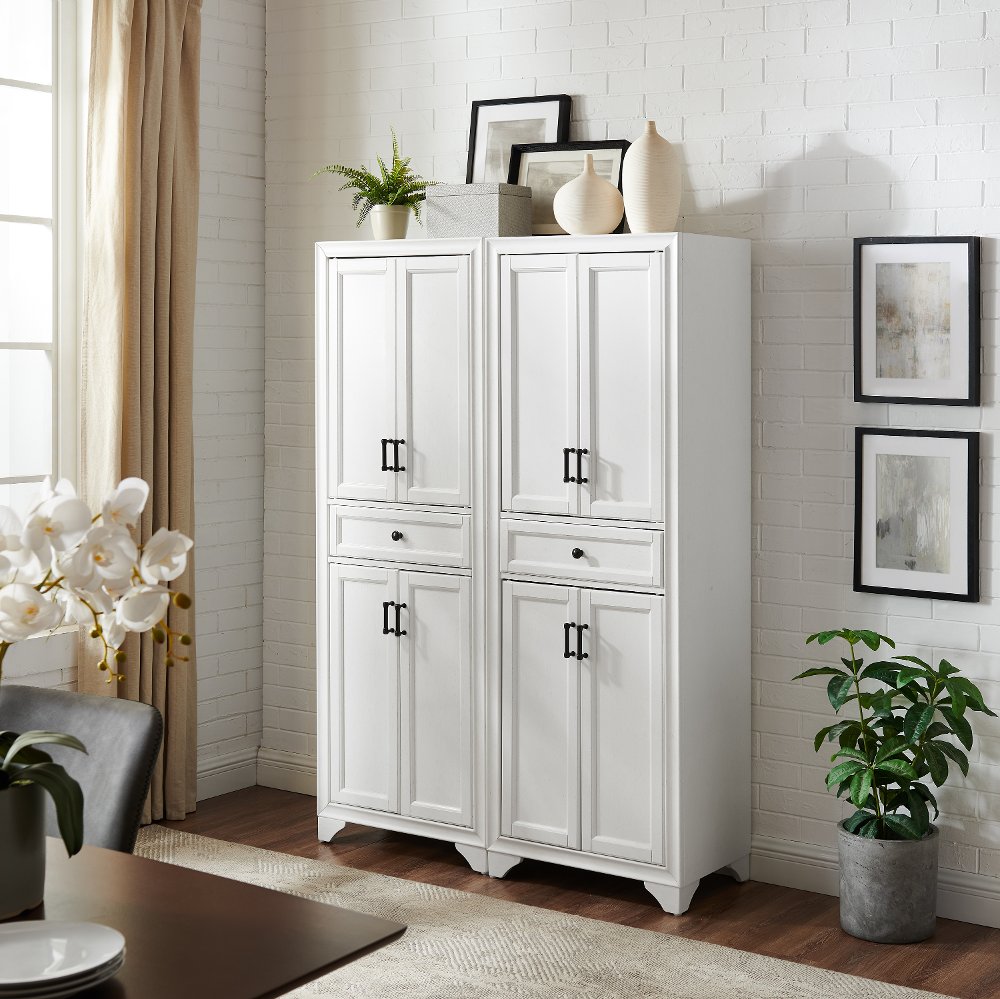
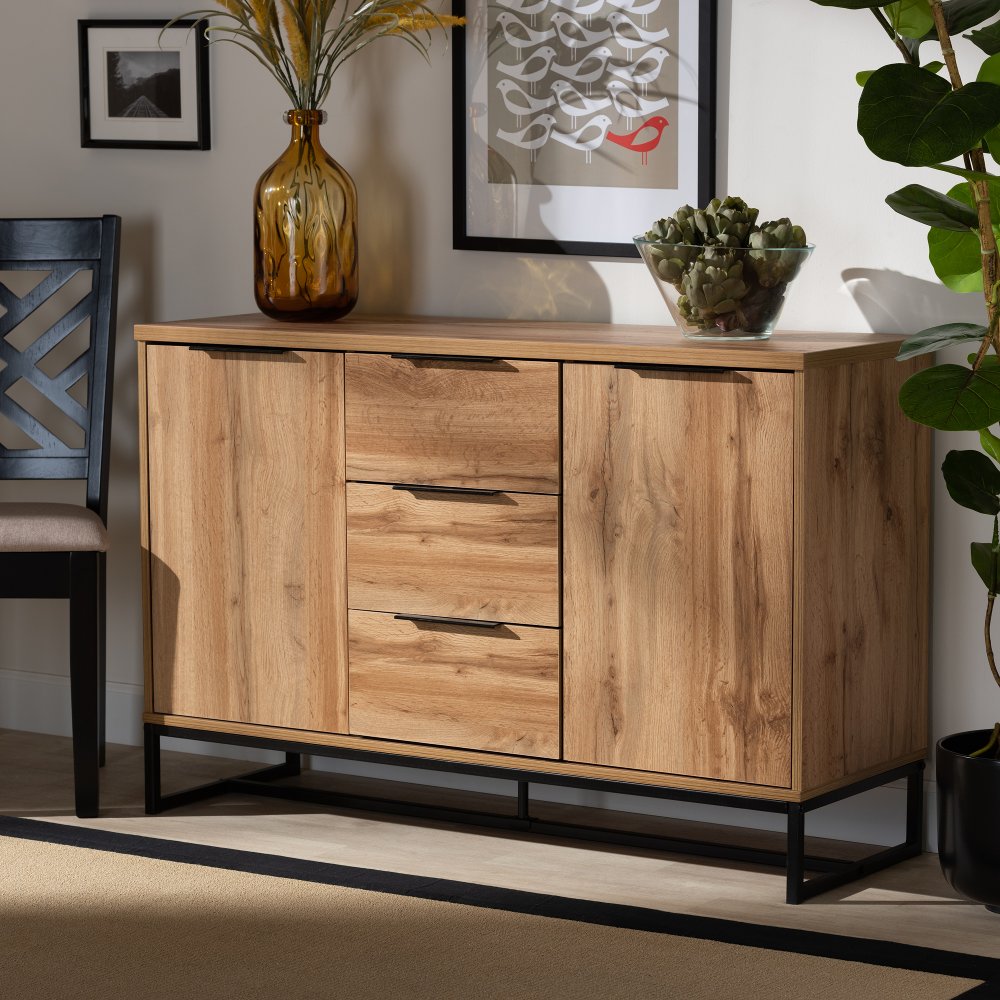
Vinyl cabinets bring a practical, polished finish to kitchens, bathrooms, laundry rooms, offices, entertainment spaces, and other areas that benefit from organized storage. The term can describe cabinetry with a vinyl exterior finish as well as cabinets refreshed with a self-adhesive vinyl wrap. In either case, the surface is designed to create a smooth, consistent look while offering an approachable alternative to more involved wood finishing or painted cabinetry. Vinyl can mimic the appearance of wood grain, matte color, stone, or brushed metal, giving you flexibility when you’re coordinating cabinets with flooring, countertops, appliances, and furniture. A light finish can help a compact room feel open and airy, while deeper tones add contrast and visual weight to a larger space. These cabinets work well for homeowners planning a focused room update, renters looking for a clean and functional storage solution, landlords preparing a property for its next resident, and anyone furnishing a first home without taking on a full custom remodel. They can also be a thoughtful housewarming gift when you know someone is settling into a new space and needs storage that feels intentional rather than temporary. In a busy home, a cabinet is more than a place to put things away. It helps keep countertop appliances, linens, cleaning supplies, dishes, office materials, or daily clutter within easy reach while giving the room a calmer appearance. Vinyl cabinets can be especially useful in spaces where an easy-to-clean exterior matters, such as a family kitchen, guest bathroom, mudroom, or laundry area. If you’re refreshing an older room, matching the cabinet finish to existing pieces can make the update feel connected. For a more collected look, pair a simple cabinet finish with distinctive hardware, woven baskets, warm lighting, or open shelving.
When choosing vinyl cabinets, start with the way the cabinet will function, then narrow in on appearance. Measure the available width, height, and depth carefully, including baseboards, door trim, plumbing, outlets, appliance clearances, and the space needed to open doors or drawers comfortably. A cabinet that fits the wall may still interfere with a walkway or another door, so leave enough room for everyday movement. Consider what you’ll store inside, too. Adjustable shelves can accommodate items of different heights, while drawers are useful for utensils, office supplies, cosmetics, or smaller pieces that tend to disappear on a deep shelf. Look for a layout that places frequently used items at a comfortable height and keeps heavier items on stable, lower storage. Finish quality matters because cabinet doors and drawer fronts receive the most handling. A well-applied vinyl surface should look even across the face, corners, and edges, with clean seams and a secure bond. On wrapped or refaced cabinets, careful surface preparation makes a meaningful difference. The underlying surface should be clean, smooth, dry, and free from grease or loose material before film is applied; some installations may also call for primer or additional preparation. Vinyl wrap installation is generally a dry process without liquid paint coats, sanding dust, or a long curing period, which can make it appealing when you want to put a room back to work quickly. Even so, the result depends on the condition of the cabinet and the care taken around corners, handles, hinges, and detailed door profiles. Flat or gently shaped surfaces are typically easier to cover neatly than intricate molding. If a cabinet will sit near a range, oven, radiator, or other heat source, check the product’s limitations and follow the installation and care instructions closely. Excessive heat can cause a vinyl surface or adhesive to soften, lift, discolor, or wear sooner than it would in a cooler location. Moisture deserves similar attention: vinyl may help protect the exterior from everyday splashes, but it doesn’t make the cabinet waterproof, and standing water should be wiped away promptly.
A little routine care helps vinyl cabinetry stay attractive through busy seasons and changing household routines. Use a soft, damp cloth for everyday dust and spills, followed by a dry cloth around edges and seams. A mild cleaner may be appropriate when the care instructions allow it, but abrasive powders, scouring pads, harsh solvents, and sharp tools can dull or damage the finish. Wipe cooking grease and bathroom moisture away before they have time to build up, and use trivets or heat protection when placing warm items near a cabinet surface. Open doors and drawers by their handles rather than pulling on a corner, and avoid overloading shelves or allowing heavy objects to strike the interior. During the cooler months, vinyl cabinets can help make a kitchen, entryway, or laundry area feel orderly when more time is spent indoors and coats, boots, pantry goods, and household supplies begin to accumulate. Their clean lines also pair naturally with seasonal decorating, whether you’re adding a bowl of greenery, setting out guest towels, or creating a practical drop zone near the door. For a coordinated dining area, consider placing vinyl cabinetry near your Vinyl Dining Chairs so storage and seating share a consistent finish. Keep in mind that the expected lifespan of a vinyl surface varies with material quality, installation, sunlight, moisture, heat, and daily use. Proper preparation and gentle care can support a longer-lasting result, while high-contact edges and areas near cooking heat may show wear first. Comparing cabinet dimensions, storage features, finish details, construction, and care requirements helps you choose a practical match for your room instead of relying on appearance alone. With the right placement and a finish suited to the space, vinyl cabinets can make everyday storage easier while giving your home a refreshed, comfortable look.
Read More