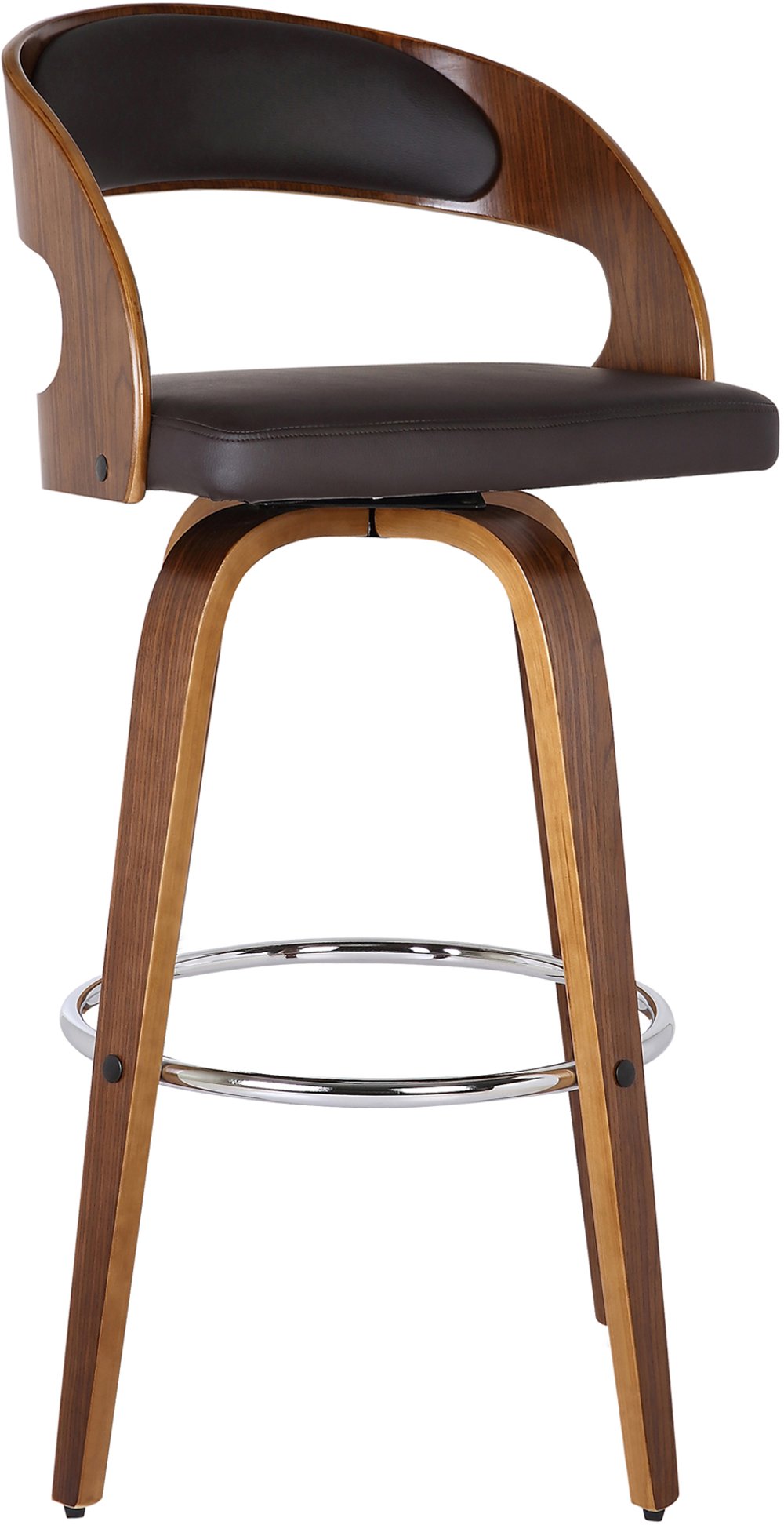
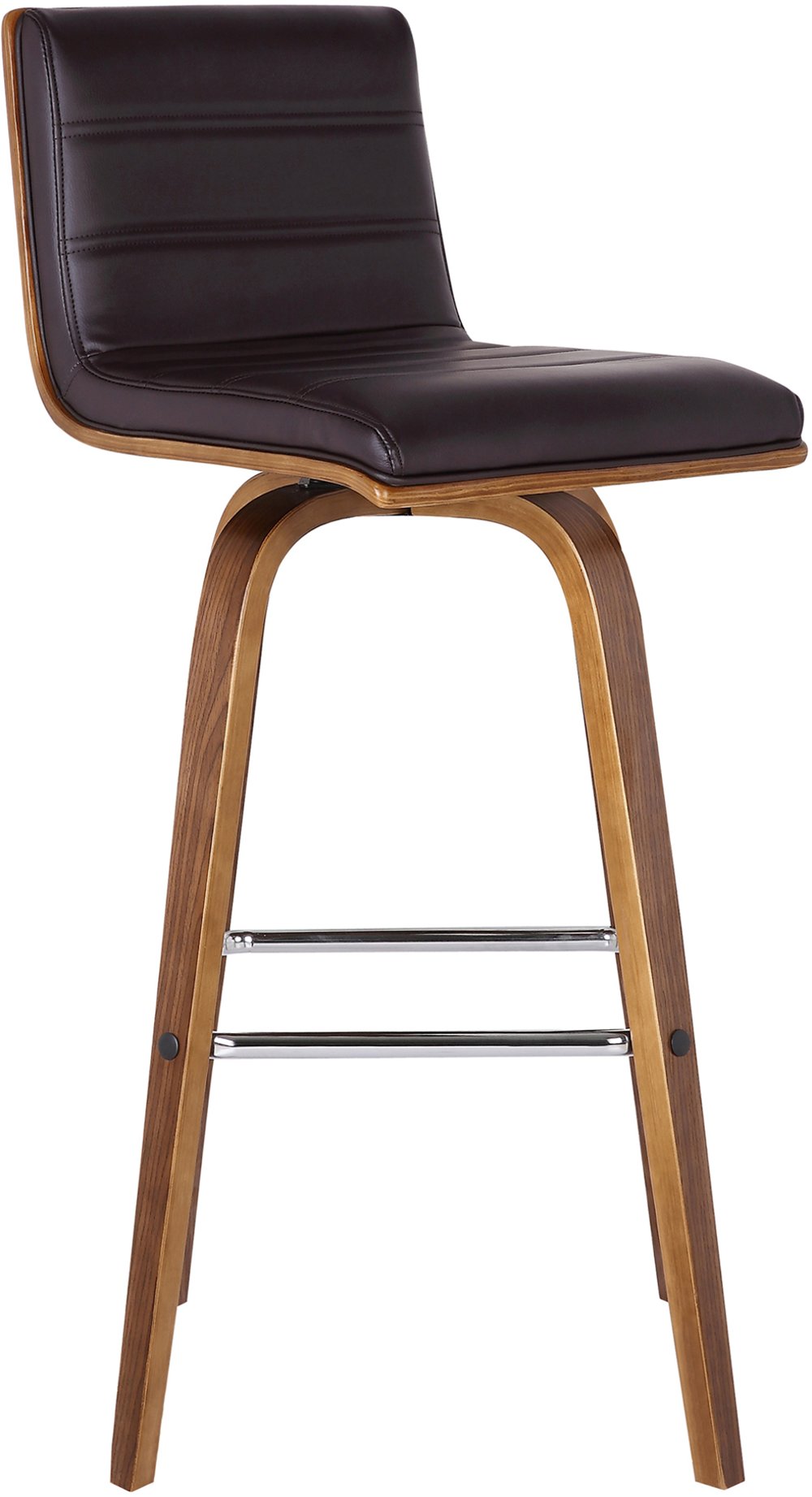
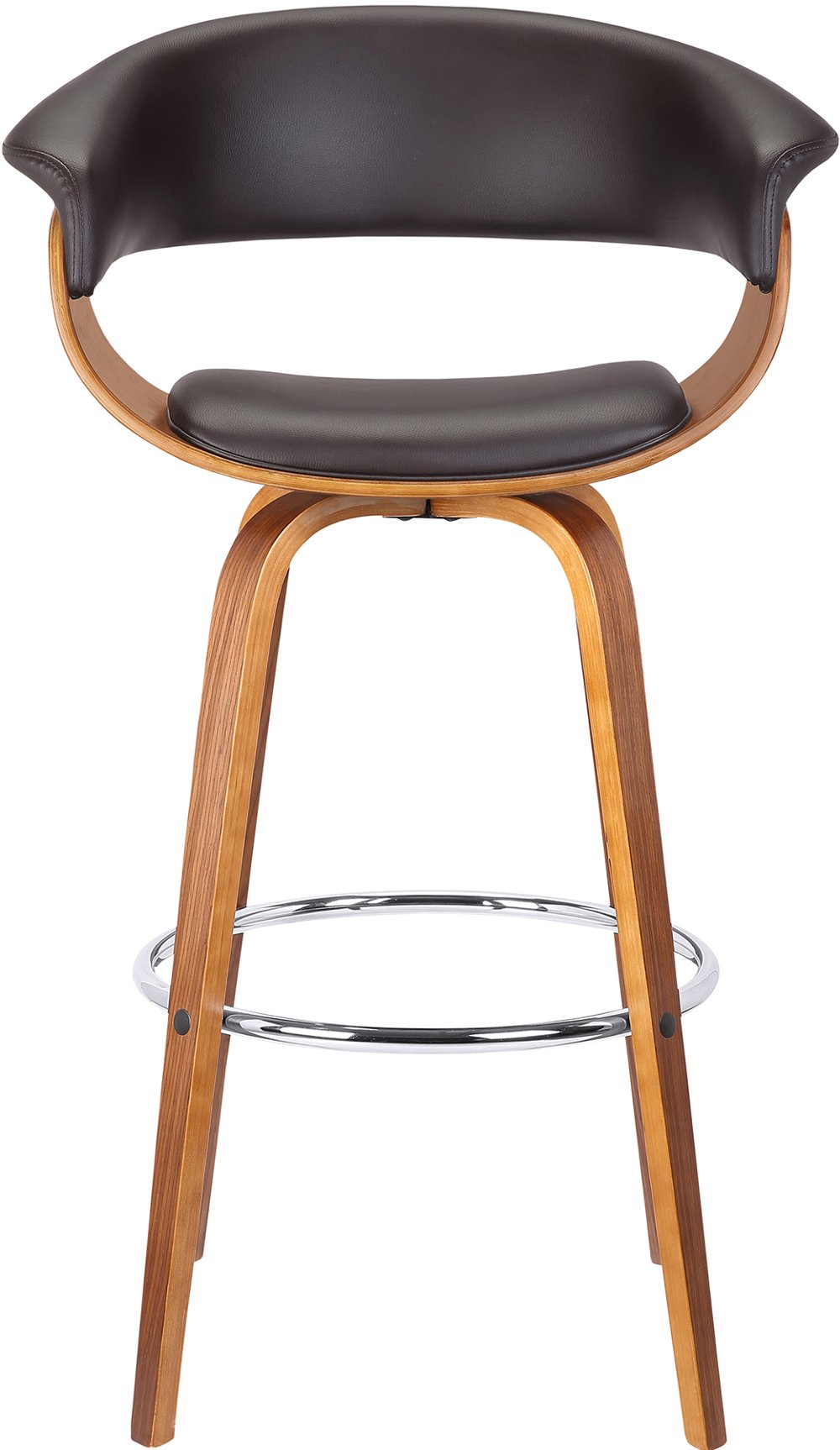
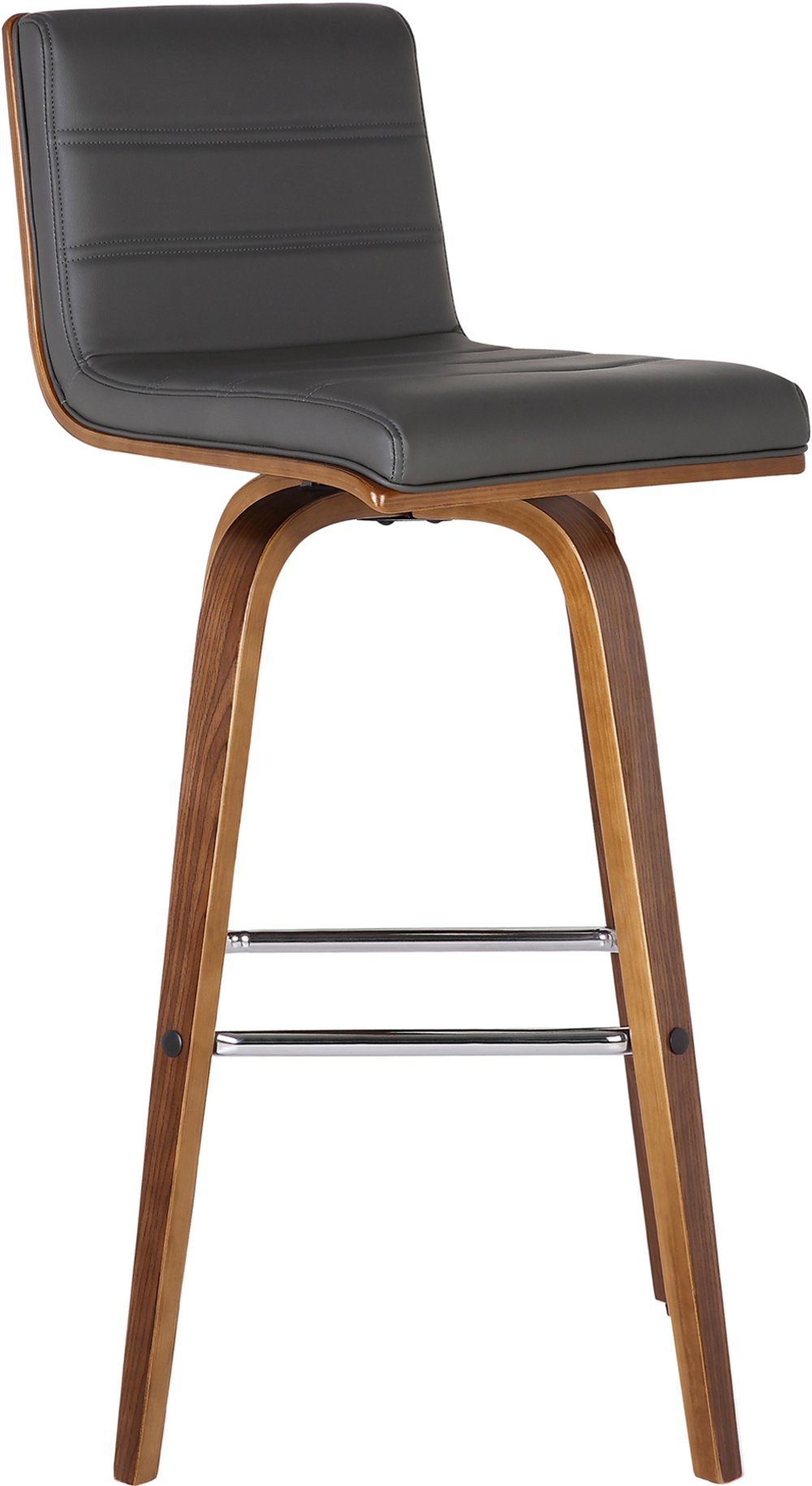
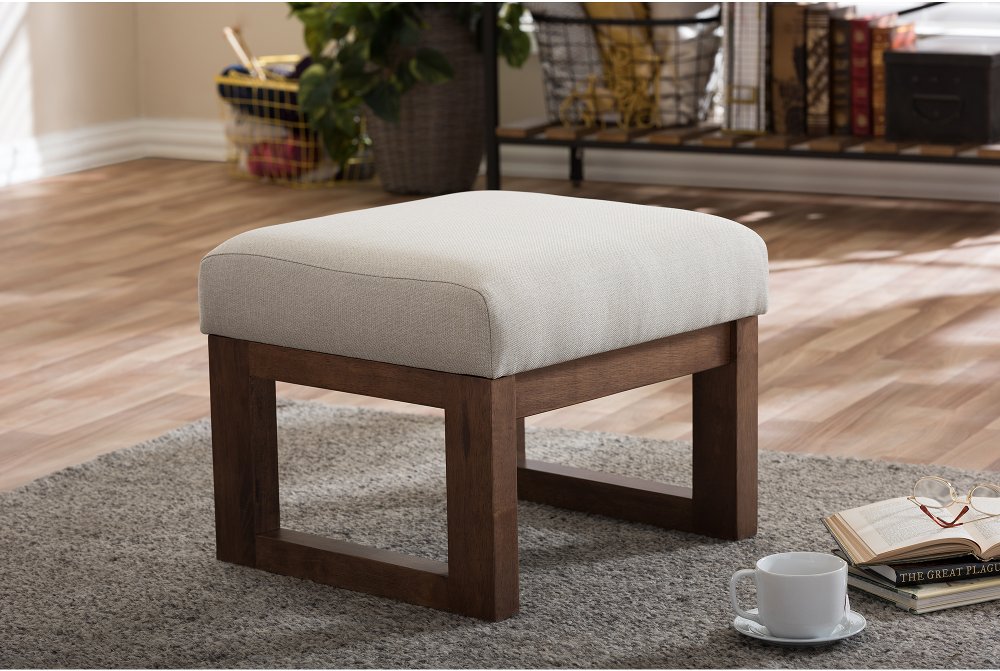
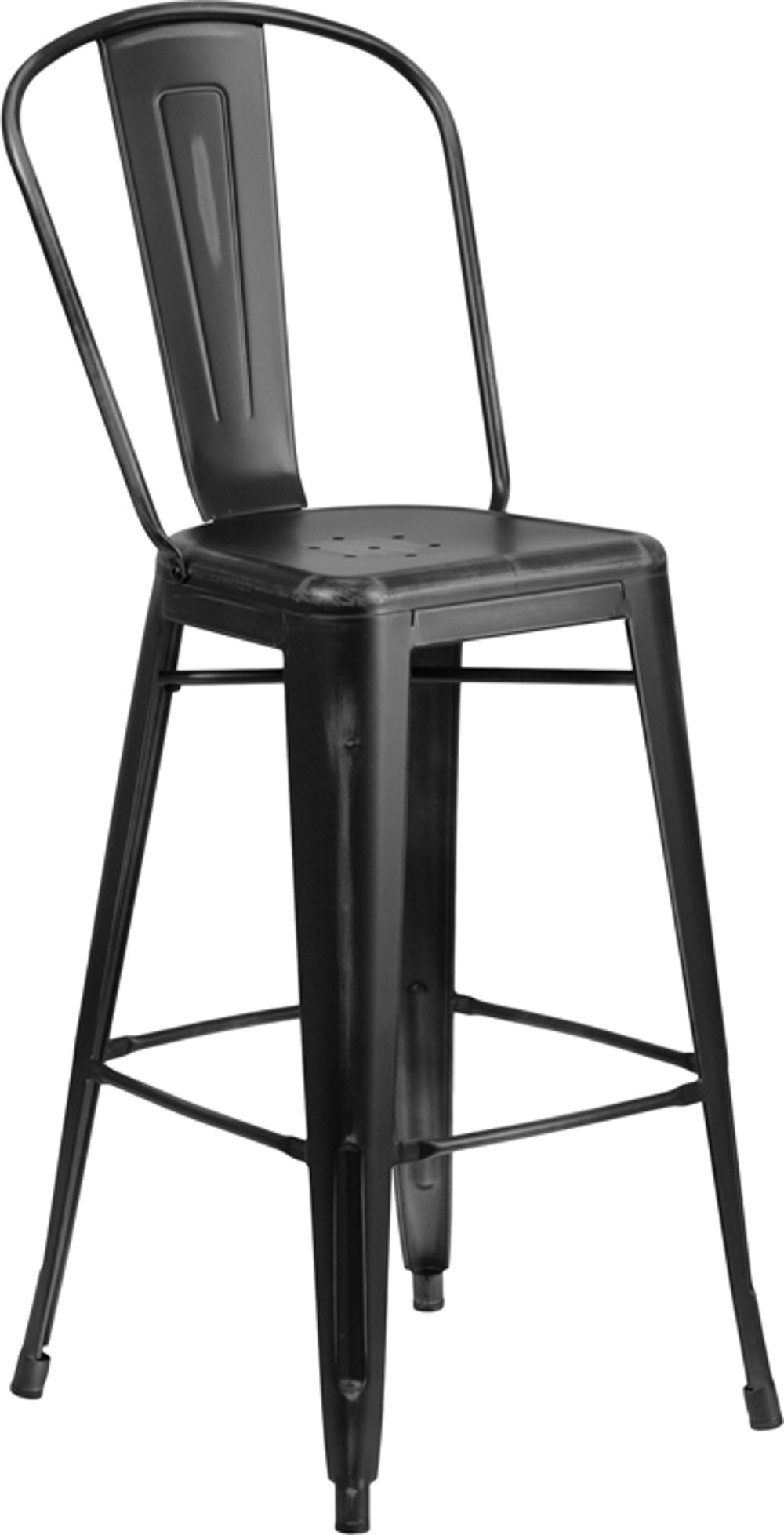
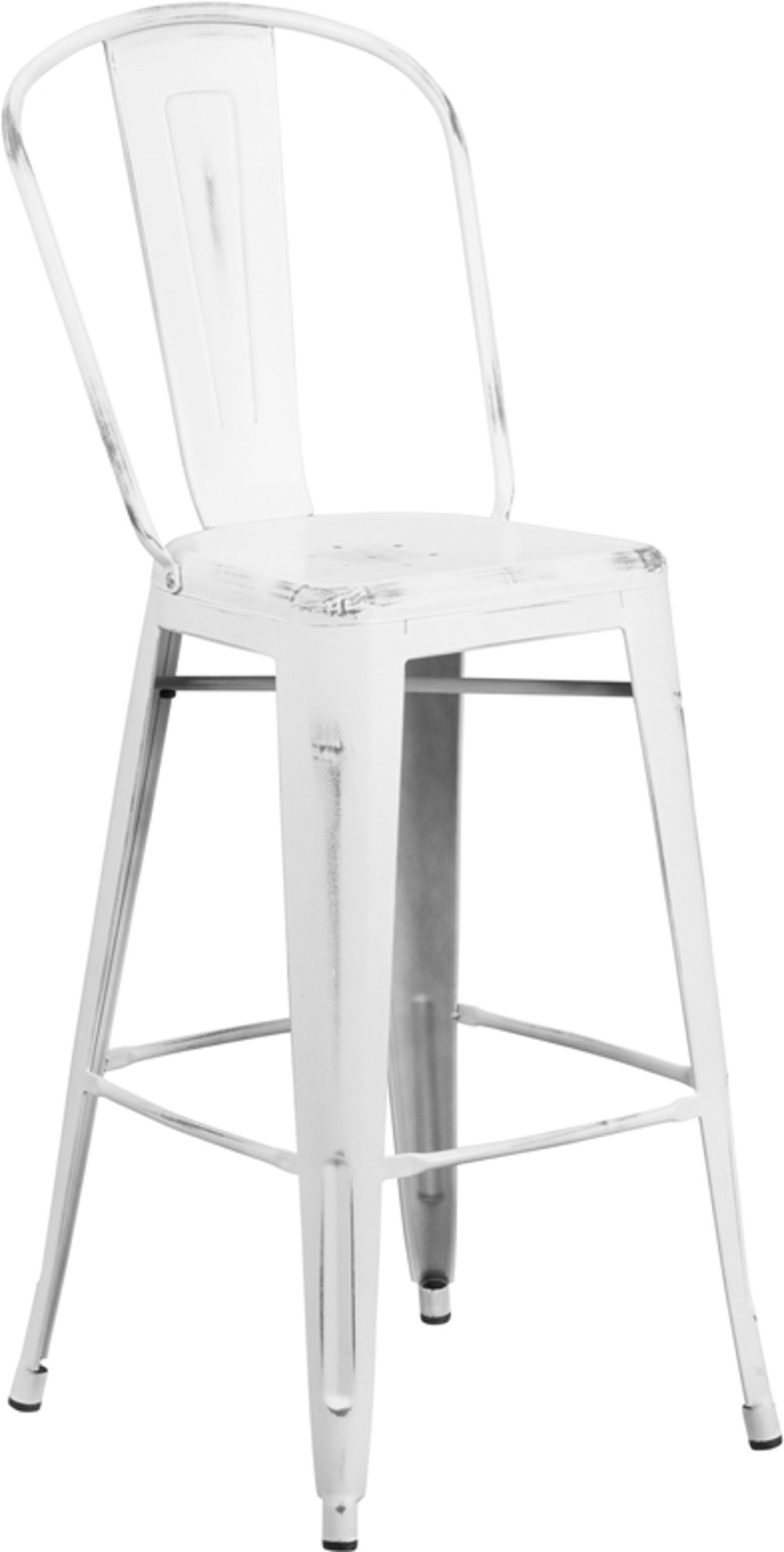
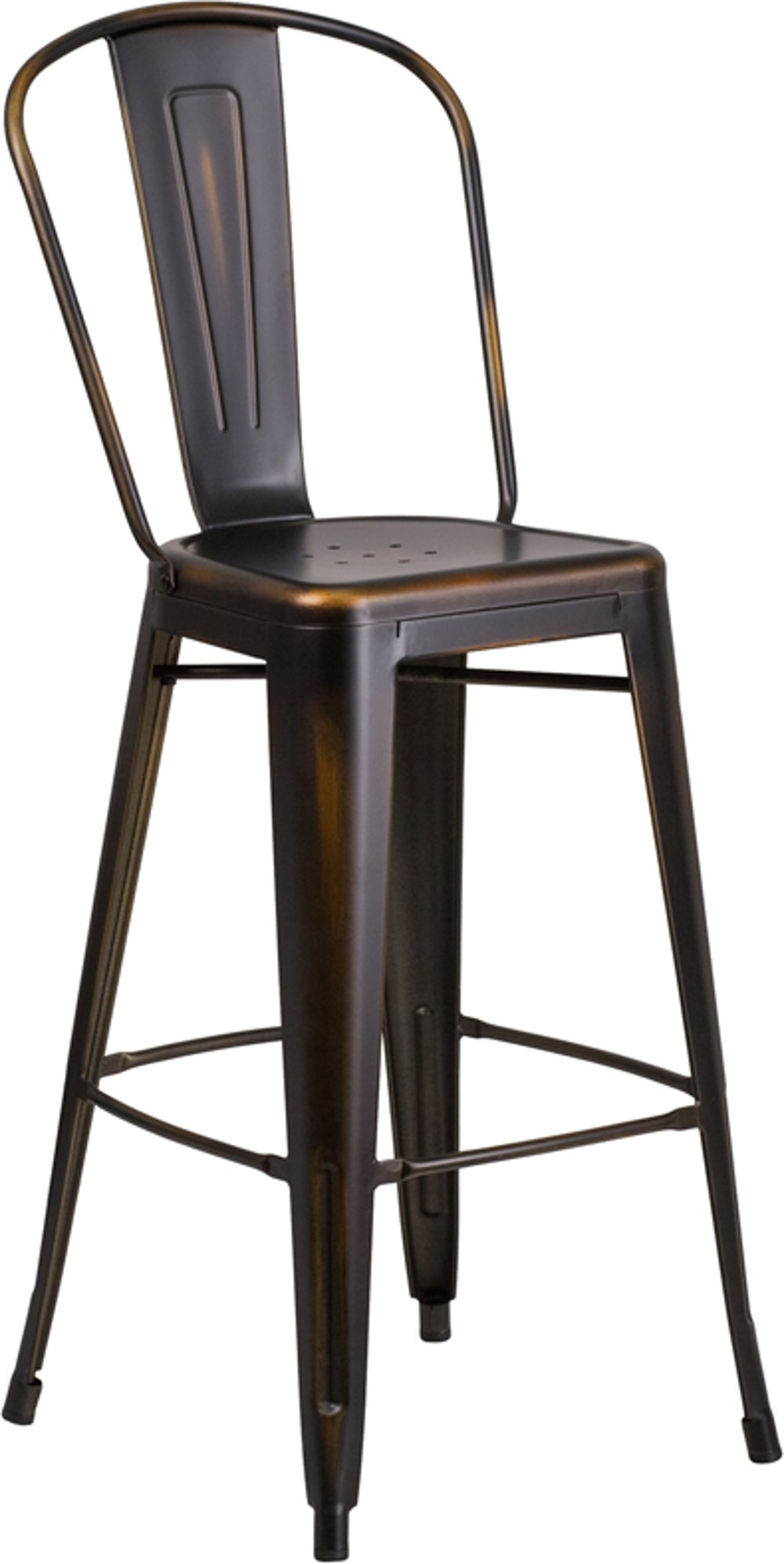
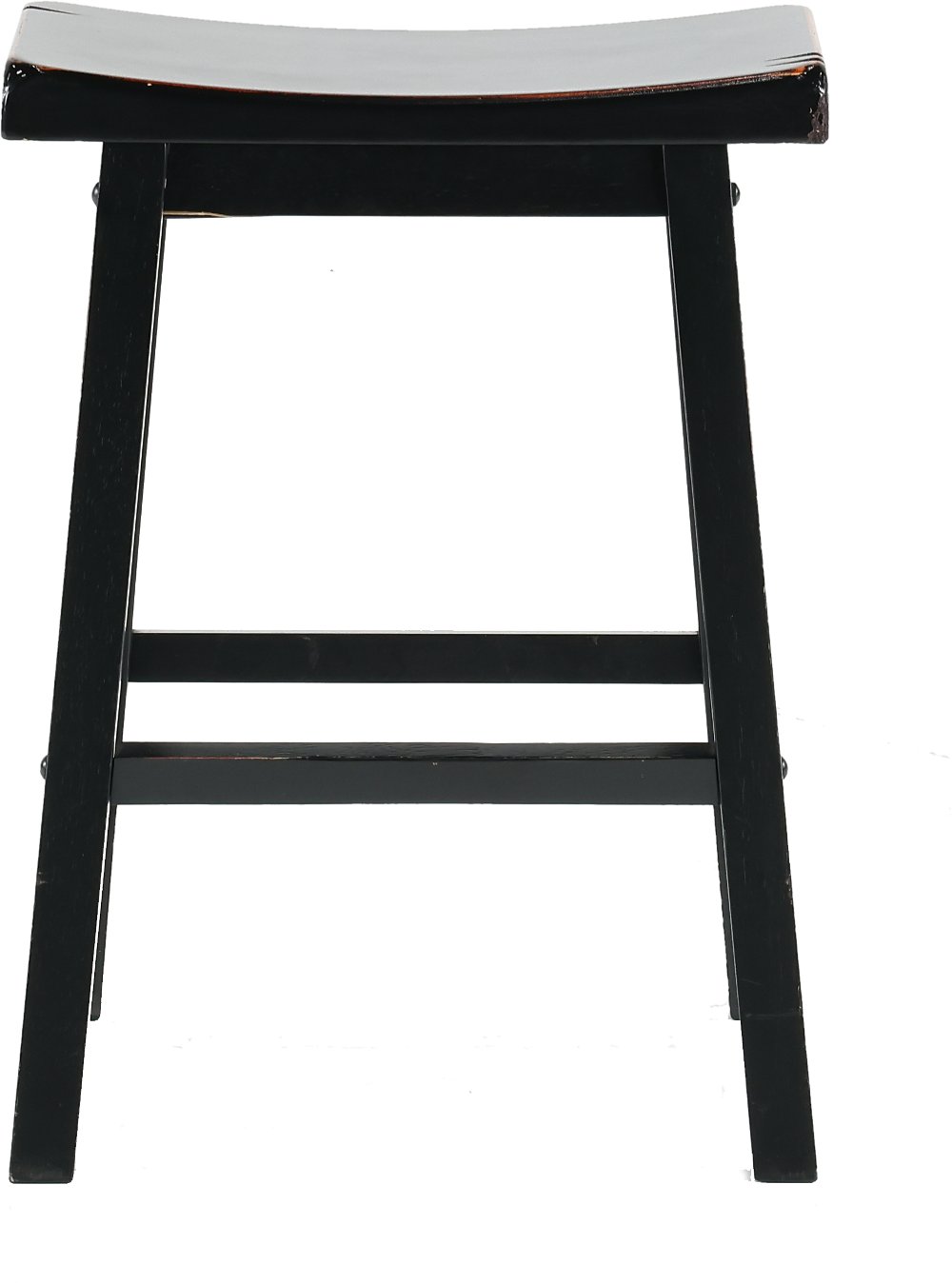
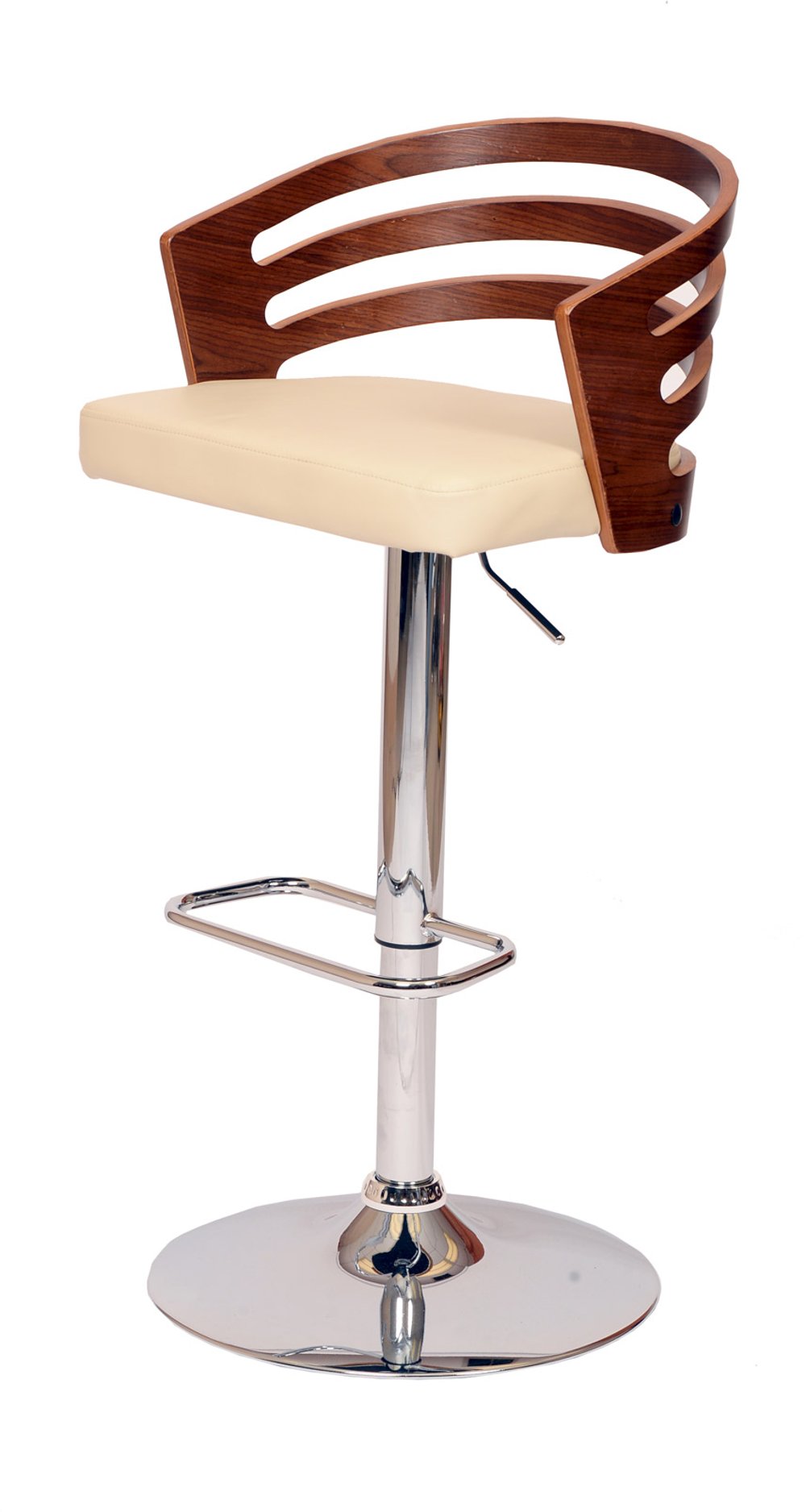
Walnut stools bring a warm, grounded look to kitchens, dining areas, home bars, and flexible gathering spaces. The rich brown color pairs easily with light countertops, painted cabinetry, stone surfaces, and other wood tones, while the natural grain gives each piece a sense of character. When you’re comparing walnut stools, start with the height of the surface where they’ll be used. Counter-height seating typically works with a surface around 36 inches high, while bar-height seating is designed for taller surfaces around 40 to 42 inches high. A comfortable stool generally leaves about 9 to 12 inches between the top of the seat and the underside of the counter or bar, giving you room to sit without feeling cramped. Seat width and depth matter, too, especially when stools will be used for long breakfasts, homework, game nights, or evening conversation. Backless styles create a clean, streamlined appearance and can slide neatly beneath a counter when you want to keep walkways open. Stools with backs offer more support for lingering meals and may feel especially inviting in a busy kitchen where people tend to gather. A footrest adds another layer of comfort, while a swivel seat can make it easier to turn toward the room, reach for a plate, or join a conversation without shifting the entire stool. Walnut stools may feature solid wood, wood veneer, or a combination of materials, so check the construction details and finish when durability is a priority. Solid walnut has a substantial feel and showcases natural variation, while quality veneer can provide the look of walnut with a lighter overall weight and a more accessible price. Consider the stool’s overall footprint as well as the number you need; leaving several inches between seats helps everyone sit and move comfortably. In a smaller kitchen, slim legs and a compact seat can preserve an open feeling. In a larger space, a broader seat or sculptural silhouette can help anchor an island and make the room feel finished without adding visual clutter.
Walnut stools suit a wide range of homes because they can feel both practical and thoughtfully designed. A pair can frame a breakfast counter in an apartment, while a larger group can give a spacious island the comfortable, welcoming quality of a favorite neighborhood café. Families often appreciate a stable footrest and easy-clean finish for everyday meals, crafts, and quick snacks. In a home office or studio, a compact walnut stool can provide occasional seating for a visitor or serve as a perch when you need to move between work areas. A low stool can also function as a handy accent table beside a chair, a temporary plant stand, or extra seating when friends arrive during the cooler months. If you’re furnishing a guest suite, game room, or entertainment area, stools offer flexible seating without taking up the floor space of a full-size chair. Their warm finish also makes them a thoughtful housewarming gift for someone settling into a new home, especially when you choose a height and shape that match the recipient’s kitchen or entertaining area. For a more dramatic, contemporary contrast, explore Black And Walnut Bar Stools, which combine the depth of walnut tones with a darker frame or seat detail. Before purchasing, measure the counter from the floor to the underside of the surface, note the available width, and check doorways or narrow passages that may affect delivery and placement. If children or frequent guests will use the stools, look for a sturdy base, dependable joinery, a balanced design, and a finish that can handle regular cleaning. For homes with pets, smooth surfaces and fewer decorative crevices can make daily upkeep easier. Swivel mechanisms should move smoothly, and stools with backs should feel secure rather than top-heavy. A well-chosen set should look appealing from across the room, but it should also feel natural when you sit down, rest your feet, and stay awhile.
A little care helps walnut stools maintain their inviting appearance through everyday use. Wipe the surface with a soft, semi-dry cotton cloth to remove crumbs, dust, and fingerprints, then address spills promptly with a lightly damp cloth followed by a dry one. Avoid soaking the wood or using abrasive cleaners, which can dull the finish and work moisture into seams or joints. Coasters help protect the surface from hot mugs, cold glasses, and condensation, while placemats can add another layer of protection when stools are used around a counter where meals are served. Keep walnut furniture away from prolonged direct sunlight when possible, since strong light can gradually change the tone of the wood or finish. Balanced indoor humidity also helps reduce the chance of wood expanding or contracting as the air shifts between warmer and cooler conditions. During the cooler months, leave enough space around the stools for comfortable movement, especially when thicker rugs or seasonal décor enter the room. Felt pads beneath the legs can help protect hardwood, tile, and other flooring while making it easier to reposition the stools for cleaning. Check screws, bolts, and footrests from time to time, particularly in a busy household where the seating sees frequent use. With the right height, supportive design, and finish suited to your routine, walnut stools can do much more than fill a counter. They can make a kitchen feel ready for a slow breakfast, provide a welcoming place for guests to pull up during a gathering, and add a lasting sense of warmth to the everyday moments that happen at home.
Read More