Washer accessories help connect your washing machine, support everyday use, and keep the surrounding laundry space easier to manage. They include water supply hoses, drain hoses, installation hardware, compatible pedestals and stacking kits, and cleaning supplies designed for washing machines. The right combination depends on your washer’s model, the layout of your laundry area, and how your household handles laundry. A busy family washing school clothes and bath towels may prioritize secure connections and easy upkeep, while someone fitting a washer into a hallway closet may focus on clearance and storage. Water supply hoses carry hot and cold water to the machine, so their length, fittings, and construction matter. Braided stainless steel hoses have an outer metal layer that reinforces a flexible inner hose; that reinforcement can improve resistance to physical damage, but it doesn’t make a hose leakproof or eliminate the need for inspection. Rubber hoses also need regular checks for bulges, cracks, wear, and moisture around the connections. A good fit leaves enough room for the washer’s required placement without stretching a hose tight or forcing it into a sharp bend behind the cabinet. Drain hoses serve a different purpose, carrying used wash water to an approved standpipe or laundry sink. Their diameter, routing, and installation height must match the washer manufacturer’s requirements to help prevent drainage problems or siphoning. Even a connection that looks close can be unsuitable, so model compatibility is more useful than appearance when choosing installation accessories. For washers near finished living areas or on an upper floor, a properly sized washer drain pan can help contain small leaks. A pan with a suitable drain connection may provide additional protection when correctly installed, though it isn’t a substitute for sound plumbing or a guarantee against water damage. Durable plastic and metal pans offer different profiles and construction, making dimensions, edge height, and access to the washer’s leveling feet important considerations. These details help create a laundry setup that fits the room rather than one that needs constant workarounds.
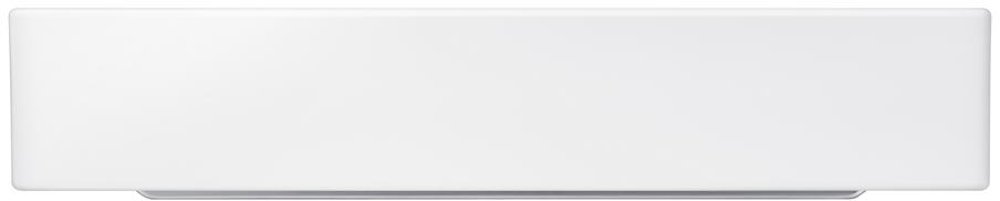
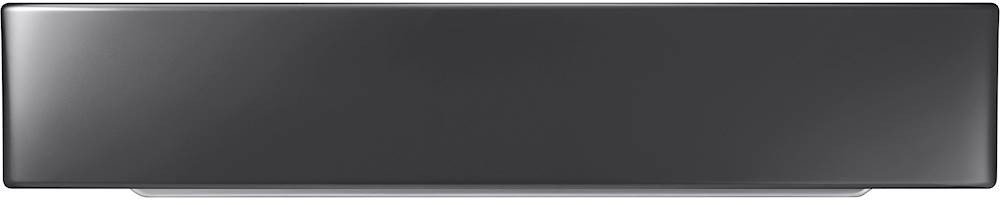
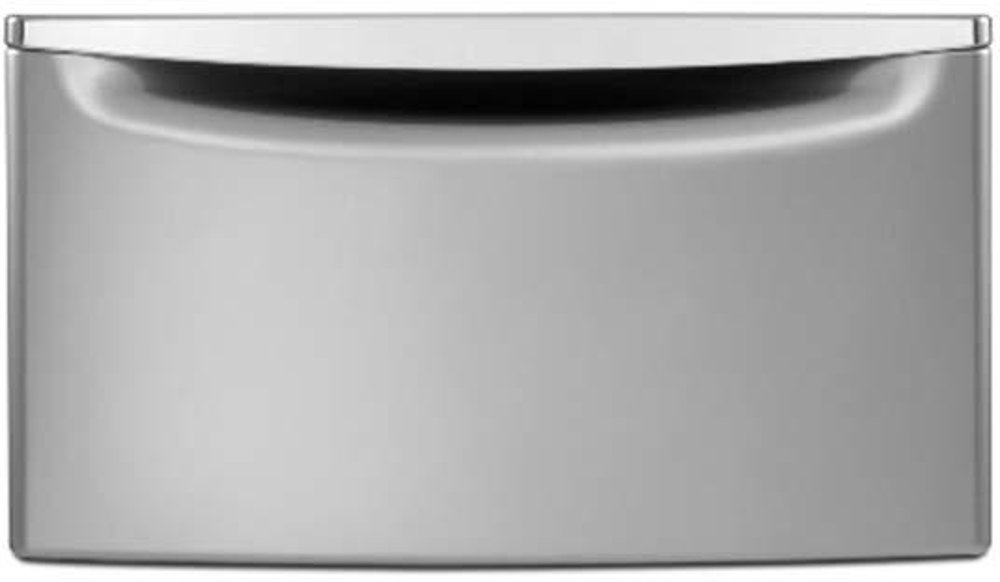
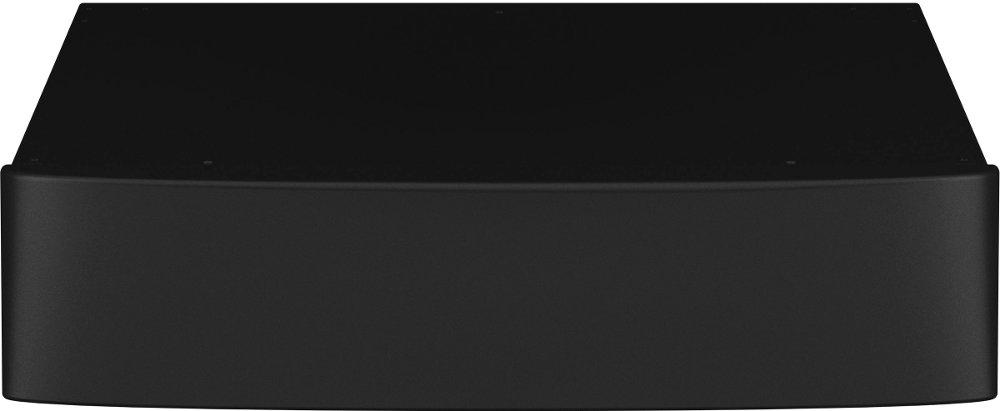
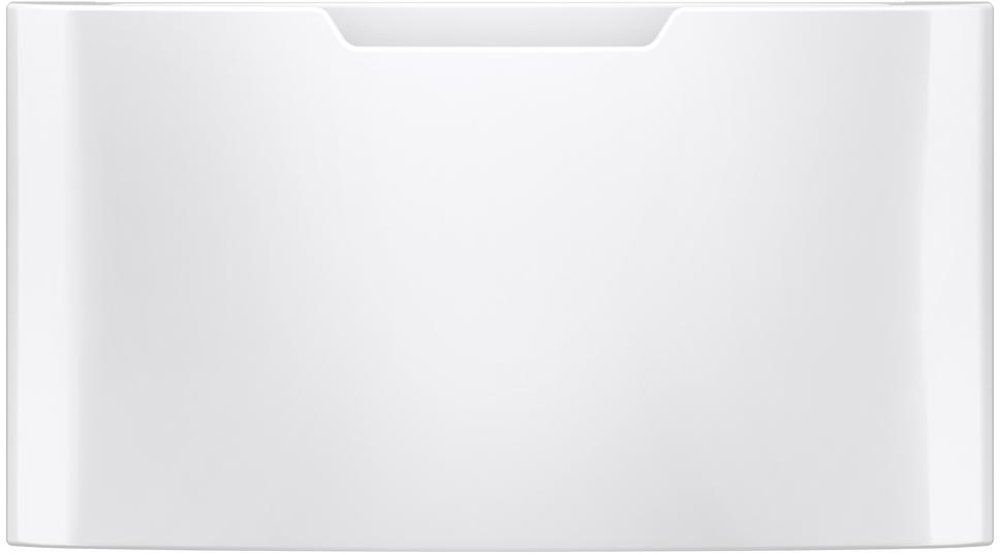
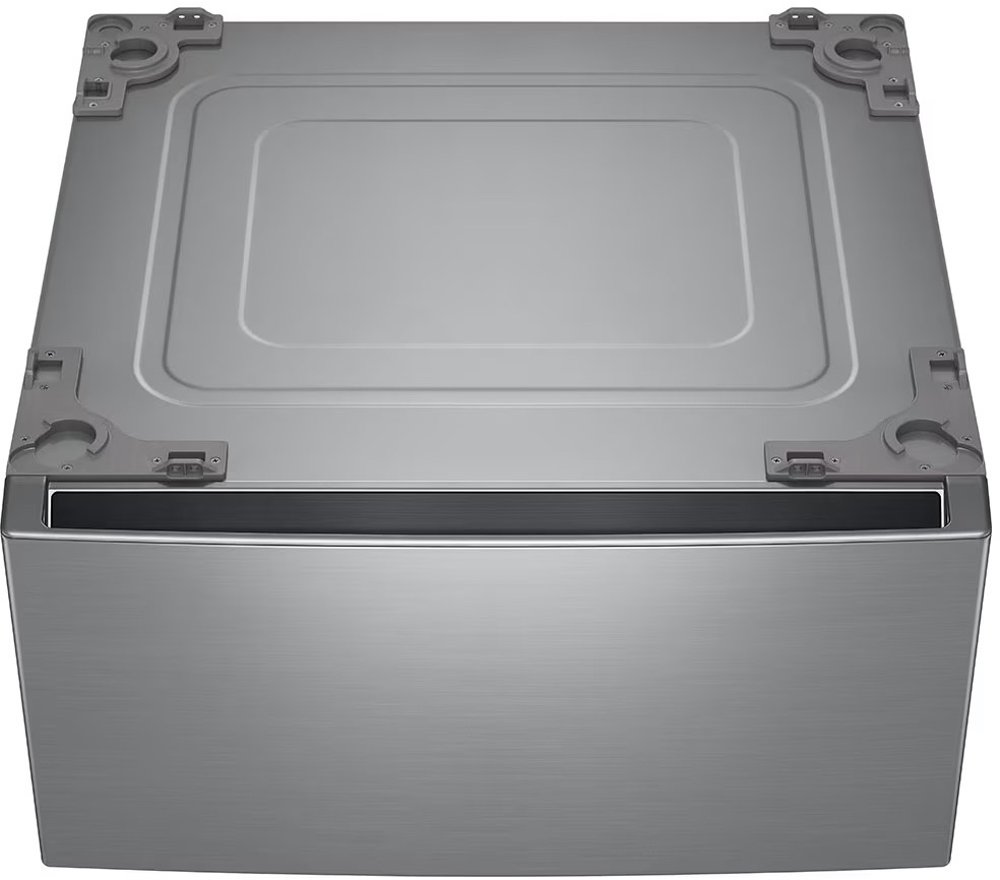
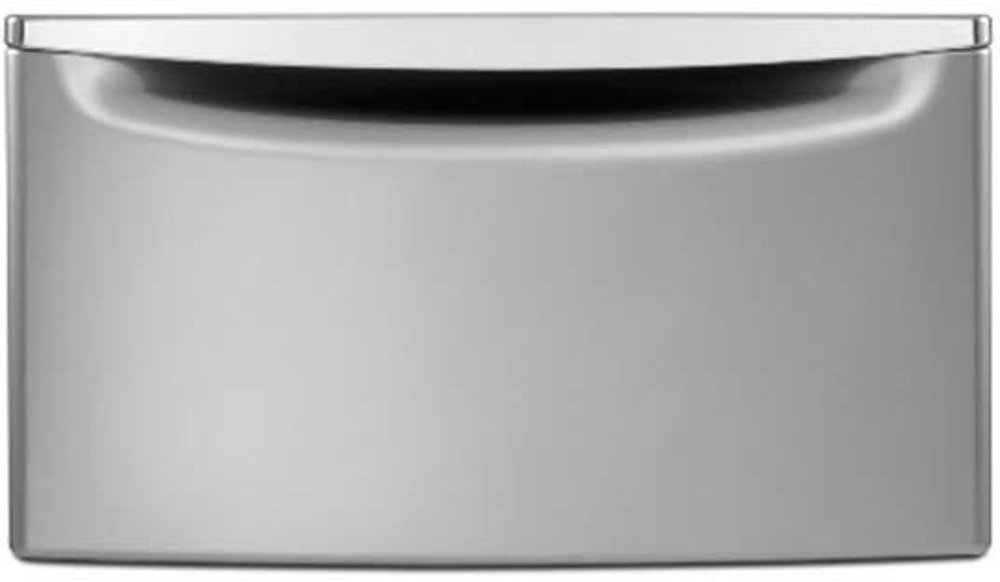
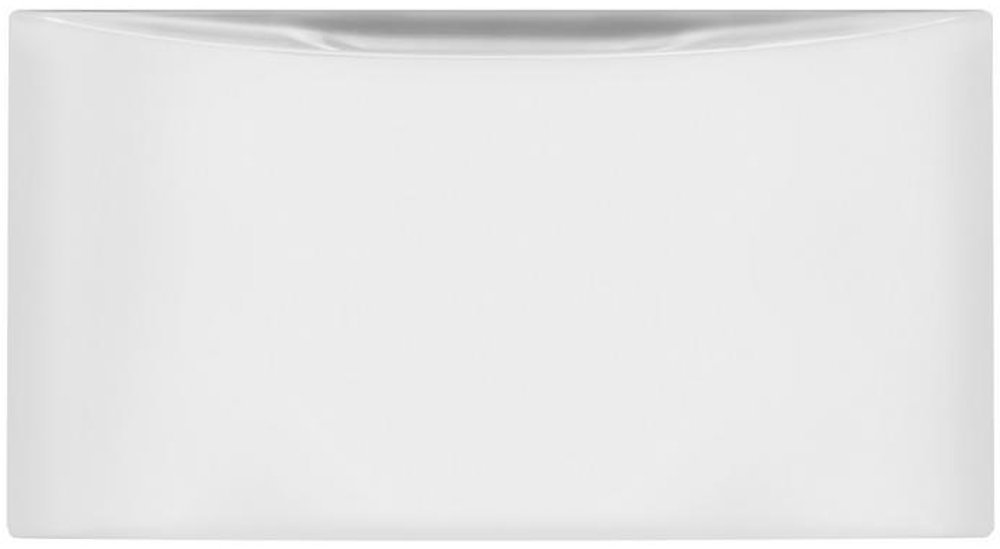
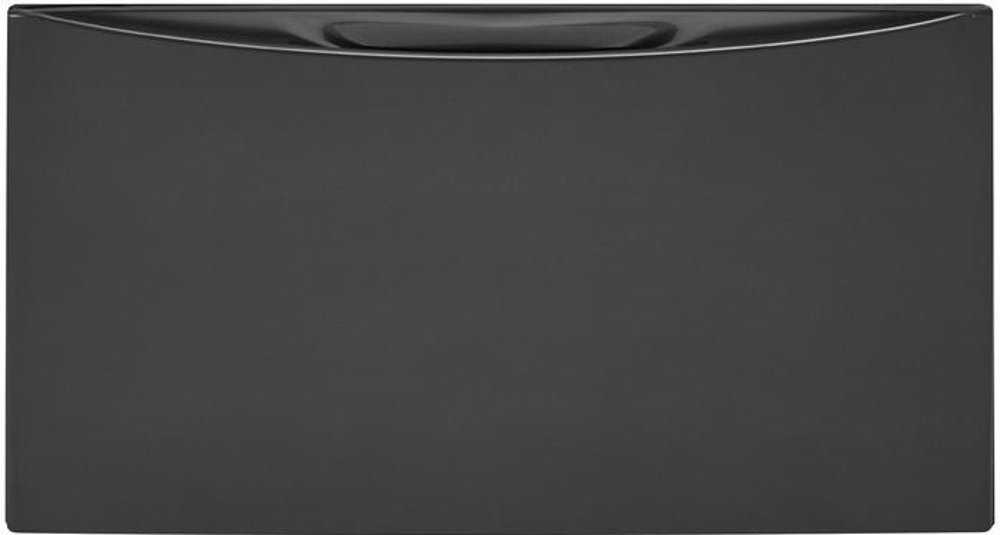
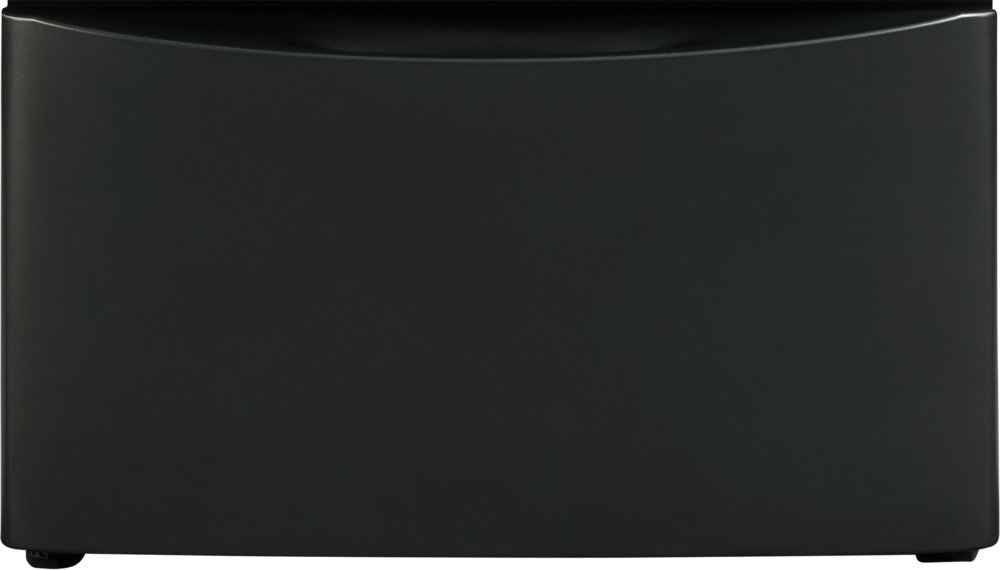
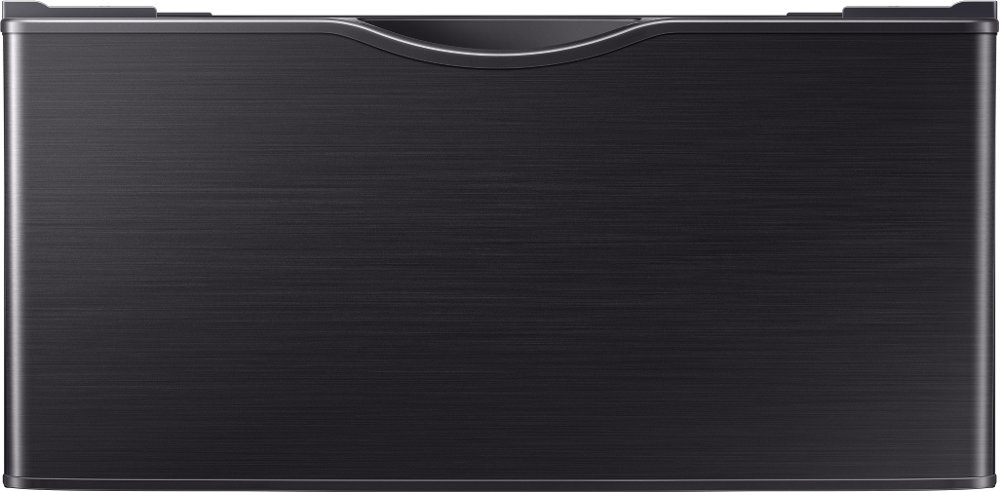
Space-saving washer accessories can make a compact laundry area feel less crowded without changing the room’s footprint. A compatible stacking kit secures an approved dryer above a front-load washer, freeing floor space that might otherwise hold two appliances side by side. Stacking isn’t simply a matter of matching cabinet widths: the washer, dryer, and kit must be approved for use together, and the installation needs enough room for connections, ventilation where required, and future service. For a closer look at accessories intended for this arrangement, explore stackable washer dryer accessories. The benefit is easy to picture in a narrow laundry closet, where a vertical setup can leave space beside the appliances for a hamper or household supplies. Reach matters, too. Dryer controls and the drum opening should remain comfortable for the people who use them, especially when unloading a tangled armful of sheets. Laundry pedestals address a different need by raising compatible appliances to reduce bending during loading and unloading. Some designs include drawers that give detergent and other laundry supplies a dedicated place instead of leaving them scattered across the appliance tops. Pedestals need to match the appliance’s mounting system and weight requirements; a similar finish or width alone doesn’t establish compatibility. They also generally aren’t intended for use beneath stacked pairs unless the manufacturer specifically approves that configuration. Around either layout, laundry shelving and organizers can keep baskets, stain treatments, and folded towels within reach. Materials should suit a room where damp fabrics and occasional splashes are part of daily life. Smooth, moisture-resistant surfaces are typically easier to wipe clean, while sturdy construction helps storage hold up to repeated use. Shelving needs secure installation and adequate clearance for a top-load washer’s lid, appliance doors, hoses, and controls. In a shared family laundry space, keeping frequently used supplies accessible to adults while securing detergents away from children and pets makes the room more practical. The most useful accessories leave room to move, sort, and load rather than filling every available inch.
Washer maintenance accessories support a cleaner machine and a more comfortable laundry routine, especially when loads of towels, bedding, and cooler-weather layers keep the drum busy. Washing machine cleaners are formulated to help remove detergent residue and other buildup from areas that a normal clothes-washing cycle may not fully clean. Compatibility still matters: the cleaner and cleaning cycle should suit your machine, including any requirements for high-efficiency washers. These cleaners are intended for machine care, not as a substitute for laundry detergent, and their directions should determine how much to use and whether the drum needs to be empty. Front-load door seals, detergent dispensers, and other accessible areas may also need routine care according to the owner’s manual. A soft cloth and manufacturer-approved cleaning method can help protect surfaces without unnecessary abrasion. Never mix cleaning chemicals, and store maintenance supplies safely between uses. For laundry rooms next to a bedroom or home office, vibration-control accessories may help reduce some transmitted movement and sound when the washer manufacturer permits their use. Anti-vibration pads sit beneath the appliance’s feet, but they can’t correct an unlevel machine, an unstable floor, shipping bolts left in place, or an internal mechanical problem. A washer that suddenly starts banging or moving across the floor needs the cause addressed rather than simply cushioned. Correctly adjusted leveling feet and balanced loads remain important parts of stable operation. Replacement mechanical components require even closer attention to model numbers and diagnosis, since similar-looking parts can serve different machines. Repairs involving internal components are best handled according to manufacturer instructions, with qualified service when needed. Across all washer accessories, durability comes from both suitable materials and the right application: a reinforced hose needs a relaxed route, a pedestal needs approved mounting points, and a storage shelf needs proper support. Periodic checks for loose connections, moisture, corrosion, and worn surfaces help catch changes before they become bigger interruptions. Whether your laundry area is a dedicated room or a small closet off the kitchen, well-matched accessories can make the everyday work of washing clothes more manageable.
Read More