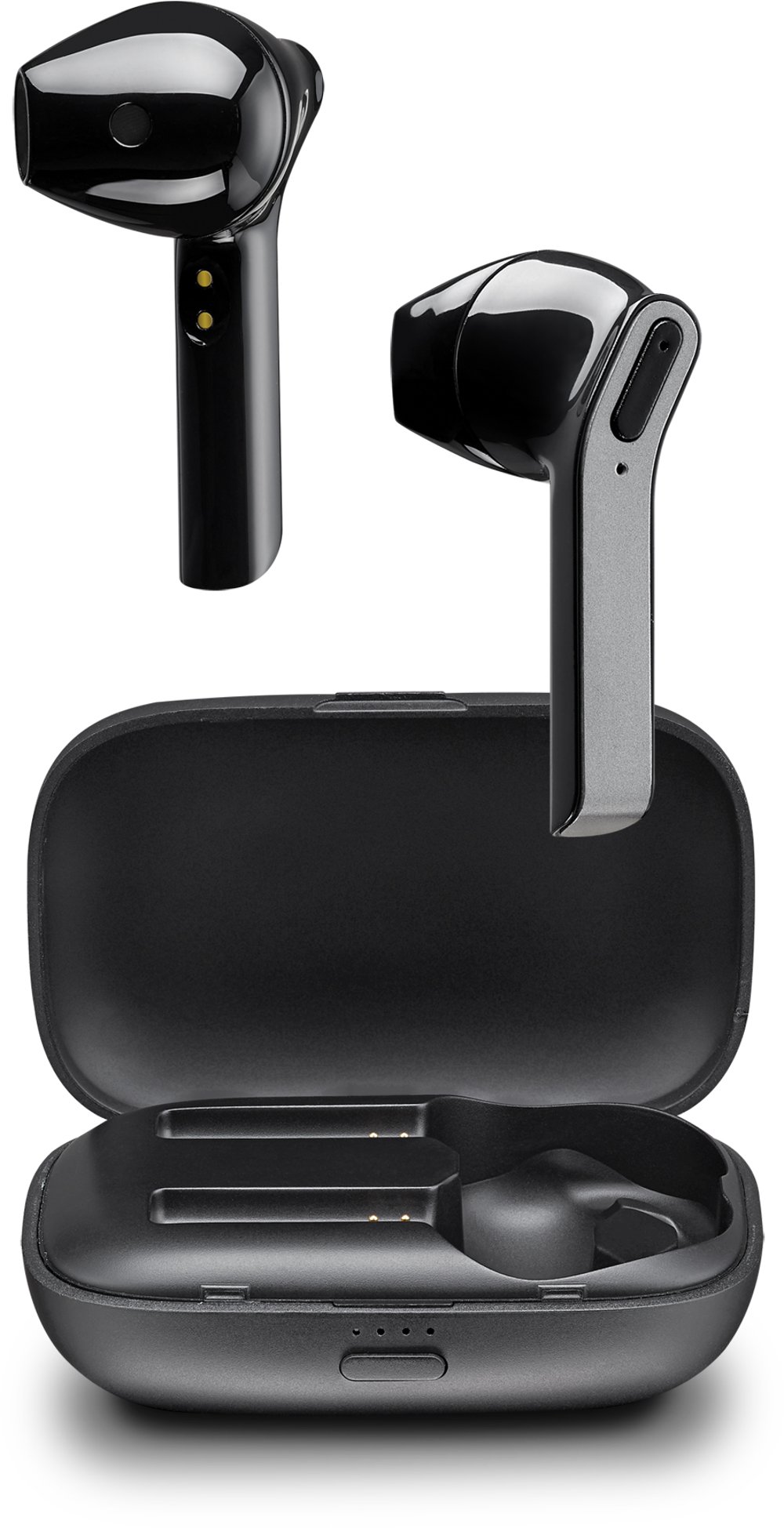
Waterproof Bluetooth earbuds bring wireless listening to workouts, busy routines, and activities where splashes or perspiration are part of the day. Their compact design keeps cords away from exercise equipment, while a protective housing helps shield the electronics from moisture within the limits of the earbuds’ tested rating. The most useful detail behind the word “waterproof” is the ingress protection, or IP, rating. IPX5 means protection against water jets under specified test conditions, and IPX6 indicates protection against more powerful water jets. Neither rating establishes protection against immersion. IPX7 covers temporary immersion in water up to 1 meter deep for up to 30 minutes under standardized conditions. IPX8 covers immersion under conditions specified by the manufacturer, so the stated depth and duration matter more than the number alone. The X means a dust protection rating hasn’t been specified; it doesn’t mean the earbuds have no protection against dust. Ratings such as IP67 or IP68 include a separate dust rating, with the first digit of 6 indicating a dust-tight enclosure. These distinctions help match waterproof wireless earbuds to the way you’ll actually wear them, whether that’s a strength-training session, a long walk, or listening while watering houseplants. Water resistance isn’t a blanket promise of protection against every liquid or activity. Laboratory water tests don’t automatically establish resistance to sweat, soap, salt water, or chlorinated water, and protective seals can wear over time. For exercise, look for an explicit statement about sweat resistance as well as the IP rating. Swimming requires particular care: standard Bluetooth connections don’t transmit reliably through water, even when a phone is nearby. An immersion rating alone doesn’t make earbuds suitable for swimming. Equipment specifically approved for that use may rely on onboard audio storage rather than a Bluetooth stream. The charging case also needs separate consideration, because its protection can differ from the earbuds’ rating or it may have no water protection at all.
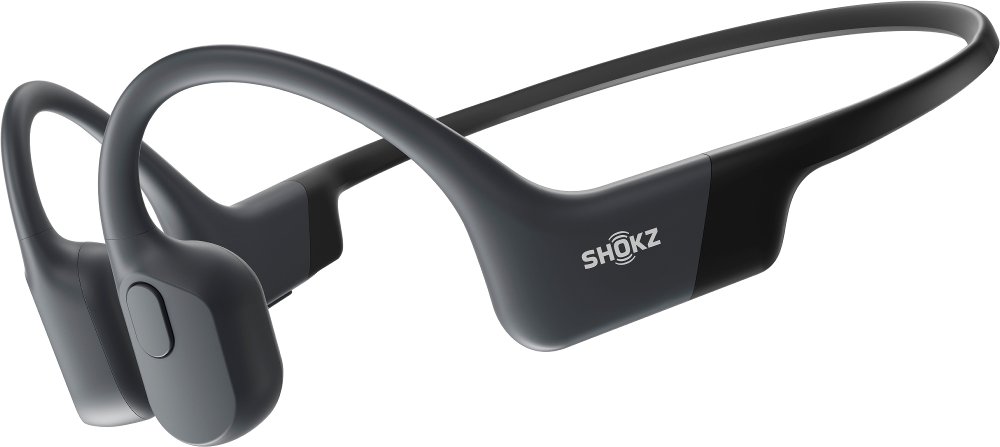
Comfort and stability are just as important as moisture protection when earbuds stay in place through a full workout or an afternoon of errands. Many in-ear designs use soft silicone tips, which offer a flexible, wipe-clean surface and come in multiple sizes to help create a comfortable seal. Foam tips, when supported by the design, conform differently and may require more frequent replacement or different care. Your ears may need different tip sizes on the left and right, and a secure fit should feel settled rather than tightly wedged. A proper seal supports fuller bass and passive noise isolation, so thin sound can sometimes point to a fit issue rather than a speaker limitation. For runners, people doing circuit training, or anyone whose earbuds tend to loosen with movement, stabilizing fins or over-ear hooks can add support. Low-profile earbuds may feel less bulky for everyday listening, while hooks deserve a comfort check alongside glasses. Smooth, lightweight plastic housings are common because they keep weight manageable; the shape, seams, tip attachment, and control placement all influence daily comfort and usability. Physical buttons can offer a clear click during exercise, while touch controls allow adjustments with a light tap but may respond differently when fingers are damp. Consider how easily you can pause a podcast, adjust volume, or answer a call without stopping what you’re doing. Active noise cancellation can reduce certain background sounds, such as steady equipment hum, but its effectiveness varies with fit and the surrounding noise. An ambient or transparency mode can make nearby sounds easier to hear, although it isn’t a substitute for paying attention around traffic or moving equipment. Listening at a moderate volume helps protect hearing and keeps long sessions more comfortable. If you prefer a different wearing style or less of an in-ear seal, Water Resistant Bluetooth Headphones provide another category to consider, with the same need to check fit, intended use, and the manufacturer’s protection claims.
Everyday convenience comes from the balance of sound, battery life, connectivity, and care rather than any one headline feature. For music, a comfortable fit and a sound profile you enjoy can matter more than a long list of audio terms. Clear vocal reproduction is especially useful for audiobooks, podcasts, and calls, while adjustable equalizer settings can help tailor supported earbuds to your preferences. Microphone performance is separate from listening quality: noise cancellation for your ears doesn’t necessarily mean the microphones will isolate your voice clearly in a busy gym. Battery specifications also deserve a close look. Playback time per charge tells you how long the earbuds can run before returning to the case; total battery life includes additional charges stored in that case. Active noise cancellation, call time, volume, and other features can change actual runtime. Quick charging can be useful before a short workout, provided the earbuds are dry and ready to charge. Bluetooth compatibility supports wireless connections with many phones, tablets, and computers, but extras such as multipoint connections, app controls, and particular audio codecs depend on both devices. Someone who switches between a laptop and phone may appreciate multipoint support, while a frequent caller may value independent use of either earbud. These practical differences also make waterproof earbuds a thoughtful gift for an active student, a podcast-loving commuter, or someone who likes music during household tasks. For gifting, consider the recipient’s preferred fit and comfort with app-based settings, not just the protection rating. To keep earbuds performing well, follow their cleaning instructions, gently remove buildup from removable tips, and keep speaker meshes and charging contacts clear. After exercise, wipe away moisture as directed and let the earbuds dry fully before placing them in the case. Avoid using heat to speed drying, and don’t assume a waterproof rating permits rinsing under a faucet. Store the set in a clean, dry place, inspect tips for wear, and replace damaged tips with compatible ones. Consistent care helps preserve the fit, dependable charging, and clear sound that make wireless earbuds useful day after day.
Read More