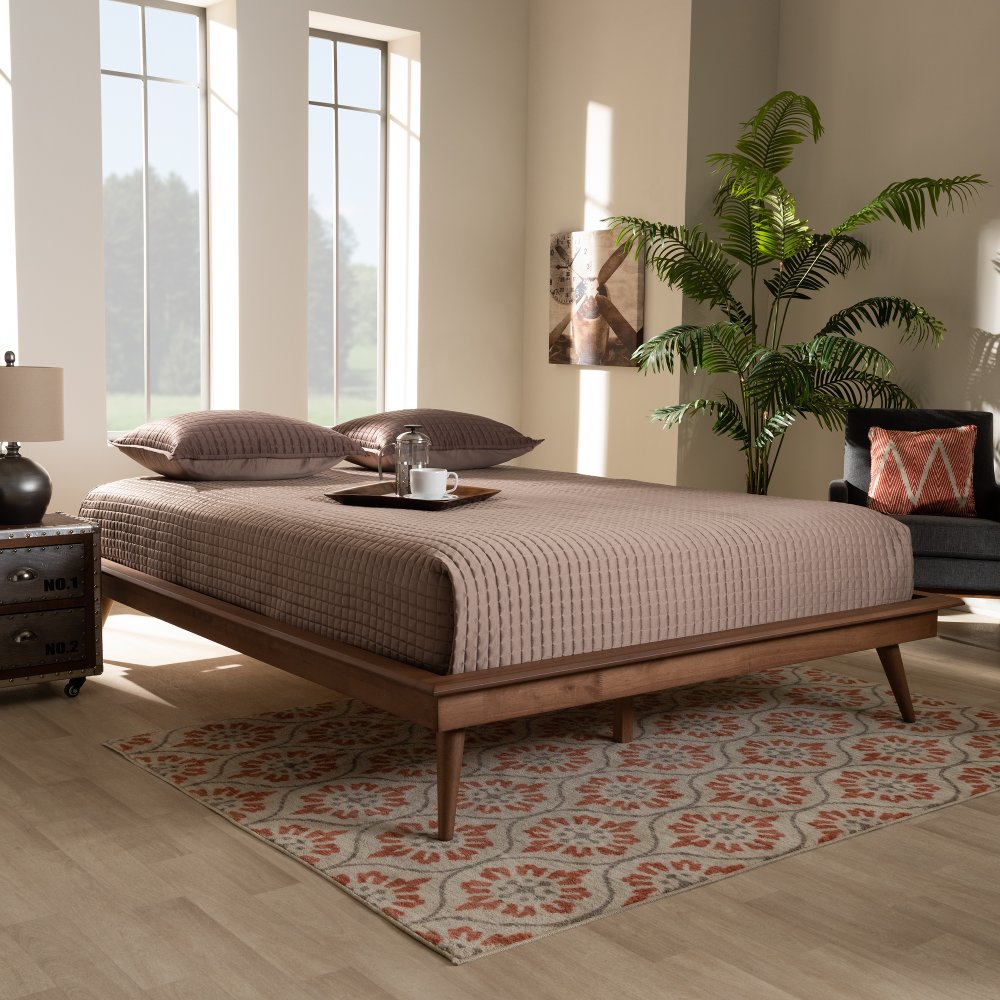
A white queen platform bed combines a light, versatile finish with built-in mattress support, creating a bedroom centerpiece that feels fresh without demanding a particular decorating style. Most platform beds use slats or a solid deck to support the mattress without a box spring, though the mattress manufacturer’s requirements should always determine the support you choose. A standard queen mattress measures 60 inches wide by 80 inches long; the bed frame’s overall dimensions will be larger and depend on the headboard, side rails, and footboard. That size suits many primary bedrooms and guest rooms, giving a single sleeper room to stretch out or providing a shared sleep space for two adults. White helps the frame blend with light walls or stand out against deeper paint colors, from navy to olive green. A simple frame with straight legs and a flat-panel headboard can anchor a minimalist room, while decorative molding or a gently curved silhouette brings a more traditional feel. For a relaxed bedroom, a white wood-look frame pairs easily with an oak dresser, woven accents, and cotton bedding. An upholstered white platform bed adds a softer texture, especially when the headboard becomes the backdrop for reading or watching a favorite show. The shade of white matters, too: bright white tends to look crisp, while ivory and creamy finishes add warmth. Matching every piece exactly isn’t necessary, but comparing undertones can help a bed feel at home beside existing nightstands. If you’re comparing silhouettes before settling on a finish, the broader queen platform bed category offers another way to explore the same mattress size. Think of the white finish as a flexible starting point rather than a complete decorating plan. It leaves plenty of room for patterned quilts, colorful pillows, family artwork, and the pieces you already enjoy.
Materials and construction shape how a white queen platform bed looks, feels, and holds up to everyday use. Solid wood can offer lasting strength and subtle grain beneath a painted or washed finish, while engineered wood can provide smooth surfaces and consistent panel shapes. Neither material tells the whole durability story on its own; sound joinery, secure hardware, an appropriate weight capacity, and well-designed center support all matter. Metal platform frames often have a slimmer profile, with a white painted or powder-coated finish that keeps the look light. Upholstered frames trade a hard surface for fabric or faux leather, and a padded headboard can make sitting up in bed more comfortable. For a household with pets, consider how easily the covering releases hair and whether claws might catch in an open weave. In a guest room used occasionally, decorative texture may take priority over the easy-wipe surface you’d prefer in a frequently used bedroom. With any platform frame, check the slat spacing and support specifications against your mattress requirements, particularly for foam, latex, and hybrid mattresses. Slats that are too widely spaced may not provide the support a particular mattress needs, and adding a box spring can raise the bed well beyond the intended height. The frame’s listed weight capacity should accommodate the mattress and sleepers, following the manufacturer’s definition of that limit. Storage designs deserve a close look as well. Under-bed drawers can keep extra sheets, pajamas, or spare blankets nearby, but they need enough floor space to open without hitting a nightstand or dresser. Lift-up storage may offer access to a larger compartment, though the mechanism’s mattress weight requirements and operating instructions are important. An open frame makes it easier to reach underneath for cleaning or slide in storage bins, provided the clearance is sufficient. A frame with side panels that extend close to the floor gives a more enclosed appearance. These practical differences can matter more than a decorative detail once the bed becomes part of your daily routine.
Before choosing a white queen platform bed, measure the room around the full frame dimensions rather than the mattress alone. Leave comfortable walking space along the sides and foot of the bed, and account for closet doors, dresser drawers, and the path from the bedroom entrance. In a compact room, a projecting footboard or wide upholstered rails can take up space that a narrower frame would leave open. Headboard height also changes the fit: a tall design may overlap a window, while a low headboard can disappear behind a thick mattress and stacked pillows. Painter’s tape on the floor helps you picture the footprint, and measuring the combined platform and mattress height gives you a better sense of how sitting down and standing up will feel. A low-profile bed can look beautifully understated, but a higher sleeping surface may be easier for someone who finds deep bending uncomfortable. Check delivery access through doorways and stair turns, along with assembly requirements and whether large headboard sections arrive in one piece. Once the bed is in place, simple care helps preserve its finish. Dust painted wood and metal with a soft cloth, and follow the care instructions before using cleaners or damp wiping. Avoid abrasive pads that could dull or scratch a white surface, and dry any permitted damp cleaning promptly. Vacuum upholstered sections with an appropriate attachment, and use the fabric’s cleaning code to decide how to address spills. White coverings can reveal marks from pet paws, everyday handling, or dye transfer, so washable bedding and a consistent cleaning routine can make upkeep easier. Periodically check accessible fasteners and support legs as directed, especially after moving the frame. With the right dimensions, mattress support, and care needs for your household, a white queen platform bed can serve as a dependable foundation for everyday sleep, a welcoming guest space, or a first bedroom furnished to reflect your own taste.
Read More