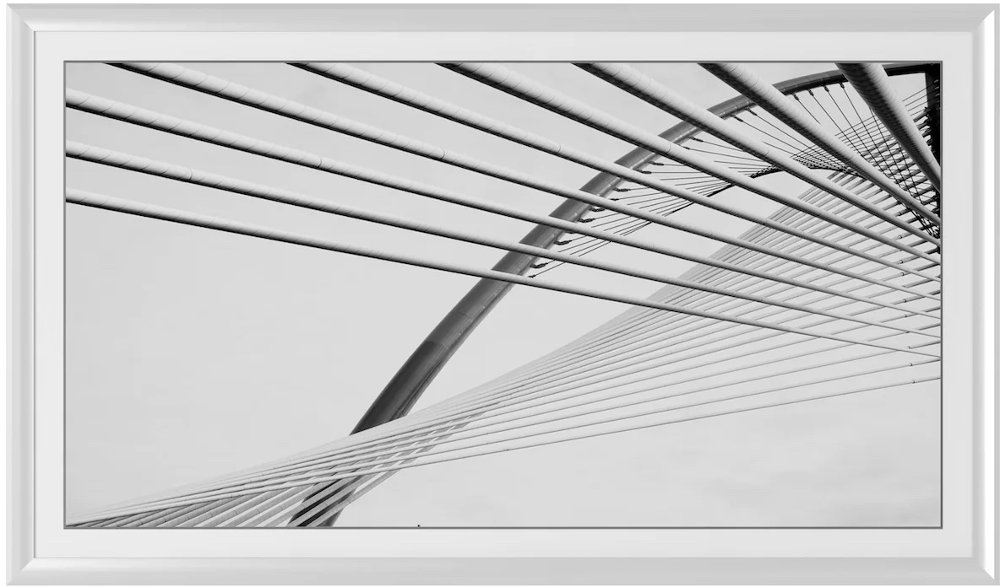
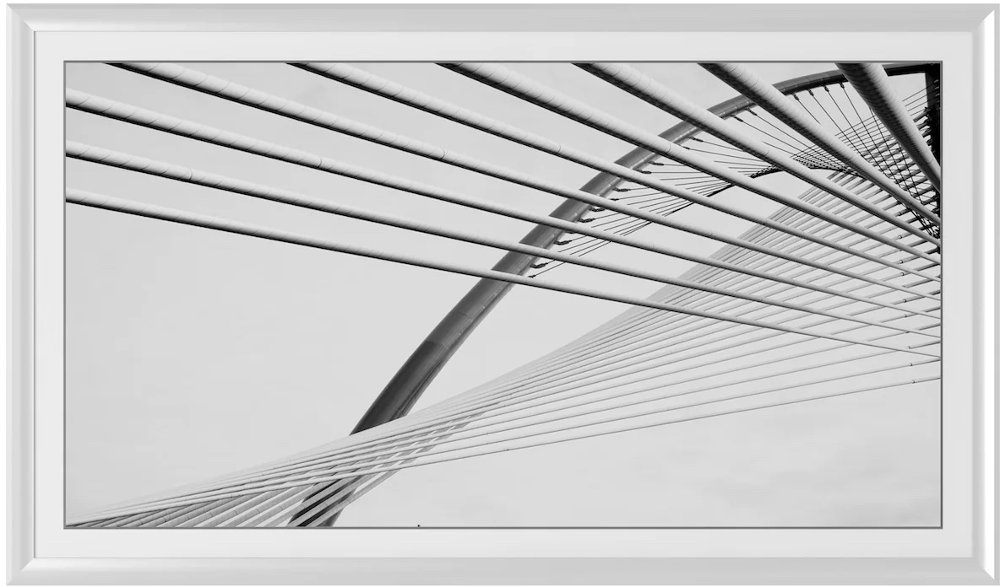
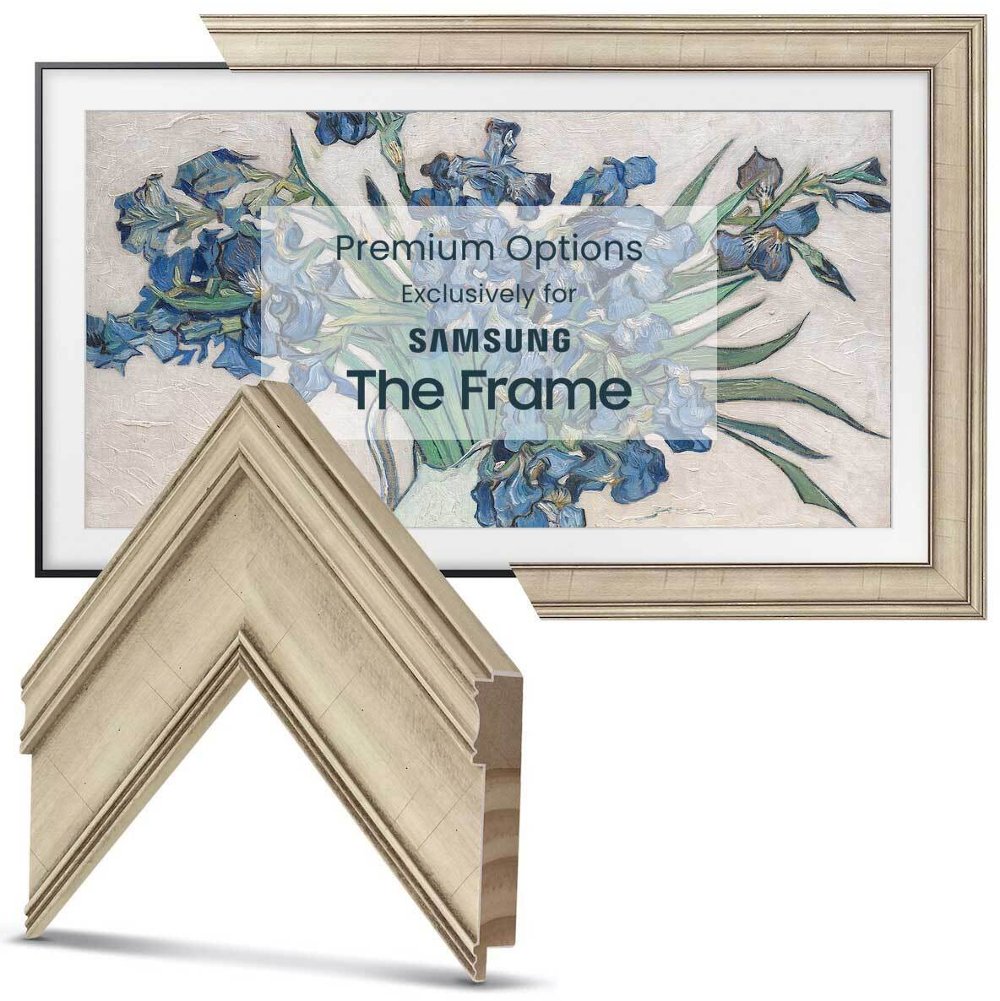
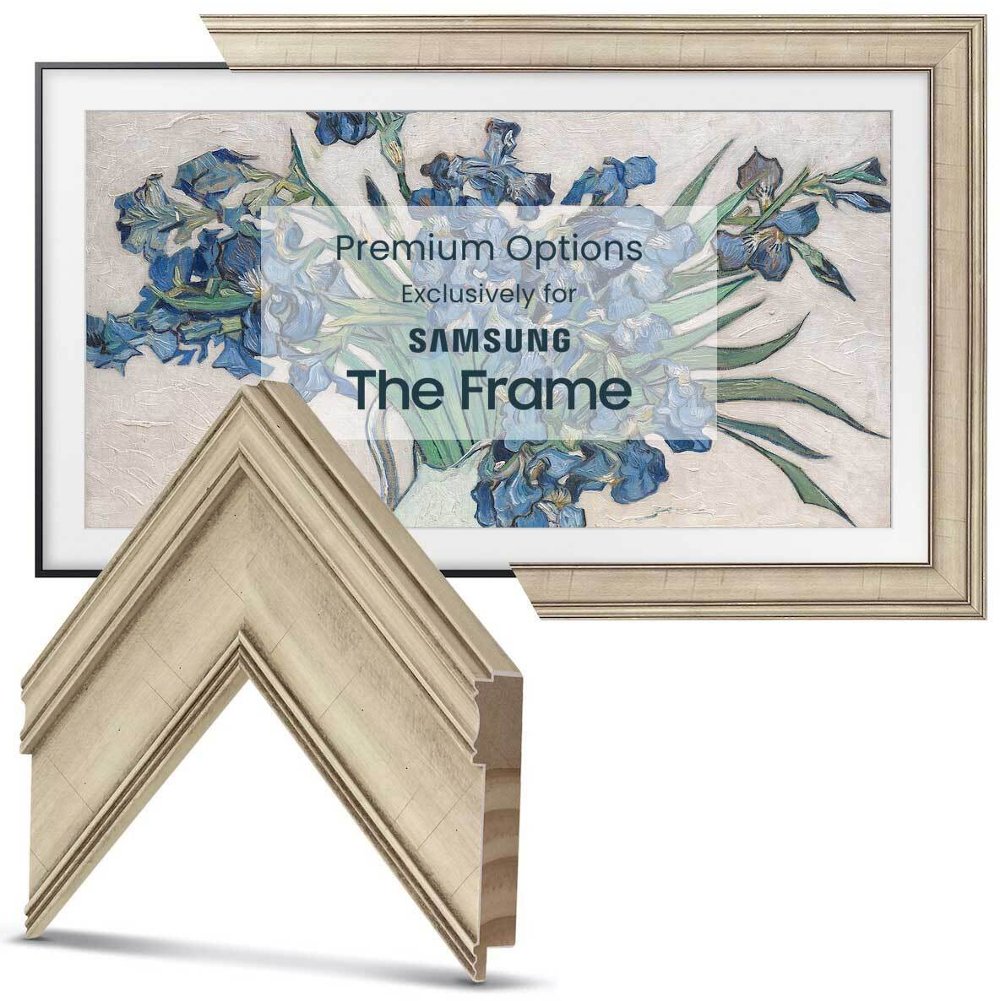
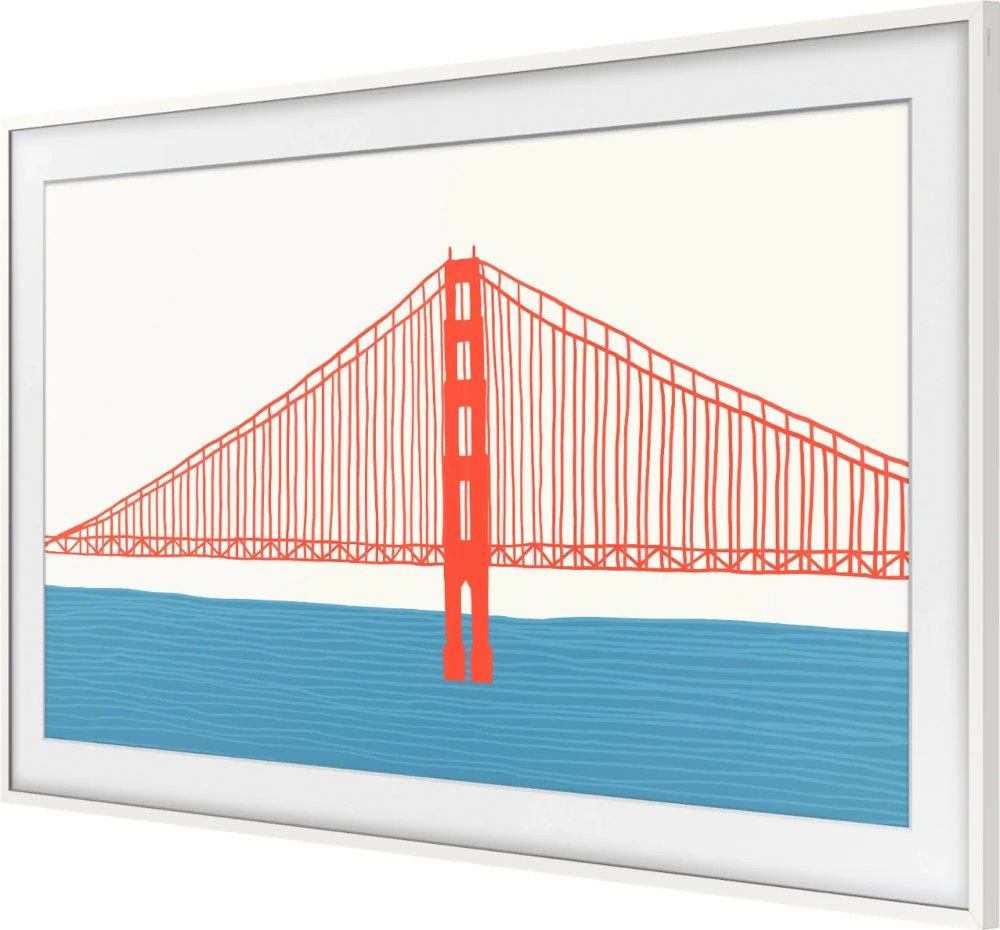
White TV frames are decorative bezels or surrounds that fit around compatible televisions, giving the screen a finished border similar to a framed photograph or painting. They change the appearance of the TV’s outer edge rather than the display itself, making them a useful finishing touch when a dark bezel feels too noticeable against a light wall. Some attach magnetically to televisions designed for interchangeable bezels; others use model-specific clips, brackets, or fitted assemblies. The right attachment depends on the television and the frame, so a white TV frame isn’t automatically a universal accessory. For a compatible art-style television, a white border can help displayed artwork feel more connected to the room. Around a conventional television, a properly fitted surround can provide a cleaner transition between the screen and the surrounding decor. The effect is especially appealing in living rooms with painted millwork, bedrooms with pale bedding, and gathering spaces where the television shares a wall with family photos. A narrow, flat profile keeps the look understated, while a wider or molded border gives the screen more presence, much like substantial trim around a window. White also works across a broad range of decorating styles. It can sit comfortably beside natural oak and woven baskets, complement streamlined furniture with metal accents, or echo the painted cabinetry in a traditional family room. The shade matters as much as the shape: a crisp white can look fresh against cool gray walls, while a softer white may feel more at home beside cream upholstery and warm wood. A white frame won’t hide a dark screen when the television is off, but it can make its outline look more intentional. That distinction makes these accessories particularly useful for anyone who wants the TV to belong in the room without making the entire space revolve around it.
Fit is the most important consideration for a white TV bezel, and the diagonal screen measurement is only the starting point. Televisions with the same advertised screen size can have different outside dimensions, corner shapes, depths, and sensor locations. Compatibility should match the exact television model and, where specified, its model year or generation. A frame designed for one series may not fit another, even when both screens measure the same size. Manufacturer compatibility information also helps establish whether an accessory works with a wall-mounted installation, a tabletop setup, or both. For televisions positioned close to the wall, the frame’s rear clearance and attachment hardware need to work with the existing mounting arrangement. A decorative frame isn’t a wall mount and shouldn’t be treated as support for the television. The related selection of TV Frames For Wall Mounted TVs offers another way to explore this category with a wall-mounted layout in mind. Beyond overall fit, a well-matched surround needs to leave ventilation openings, speakers, controls, and remote receivers functioning as intended. Light or motion sensors may also require an unobstructed opening, particularly on televisions that adjust their display or artwork settings automatically. These details become important in everyday situations: changing channels from a sofa at an angle, adjusting brightness in a sunny room, or reaching a connection without disturbing the installation. Frame width deserves attention, too. A broad border adds to the television’s overall footprint, which can affect spacing between shelves, inside a built-in opening, or above a media cabinet. In a gallery wall, that extra width changes the visual space between the TV and neighboring artwork. Magnetic and clip-on designs can offer a straightforward way to change the finish on compatible televisions, but attachment methods vary. Installation requirements, included hardware, and access for later removal should all suit the television’s placement rather than simply its appearance.
Materials and finish influence how a white TV frame looks up close and how it handles everyday use. Depending on the design, frames may use molded plastic, metal, wood, or engineered wood, each with its own balance of weight, texture, and construction details. Lightweight molded bezels can create a slim, consistent edge, while painted wood or engineered wood can offer the visual depth associated with traditional picture framing. Metal profiles can provide a crisp outline with relatively little bulk. Material alone doesn’t determine durability; secure connections, well-finished edges, and an even coating matter just as much. Matte and satin white finishes tend to create a quieter border, while glossy surfaces can pick up reflections from nearby lamps or windows. In a room with strong afternoon light, the finish may be more noticeable than it is in an evening viewing space. White surfaces can also make dust along the top edge, fingerprints near attachment points, and small scuffs easier to spot. Care should follow the frame manufacturer’s directions, with a soft, clean microfiber cloth often suited to routine dusting. Any approved cleaner belongs on the cloth rather than sprayed toward the screen, seams, or electronic components, and abrasive pads or harsh solvents can damage decorative coatings. Keeping the frame dry and handling removable sections carefully helps protect both the finish and the attachment points. These accessories are well suited to homeowners completing a media wall, apartment dwellers coordinating a television with lighter furnishings, and households refreshing a room without replacing every major piece. They can also make a thoughtful housewarming gift for someone who enjoys interior decorating, provided the exact TV compatibility and preferred shade of white are confirmed first. In a busy family room, a simple profile can sit easily alongside changing photos, books, and seasonal accents; in a bedroom, a soft white surround can echo nearby trim without adding another strong color. The most satisfying choice brings together the right fit, an appropriate attachment system, and a finish that feels connected to the furniture and details already in the space.
Read More