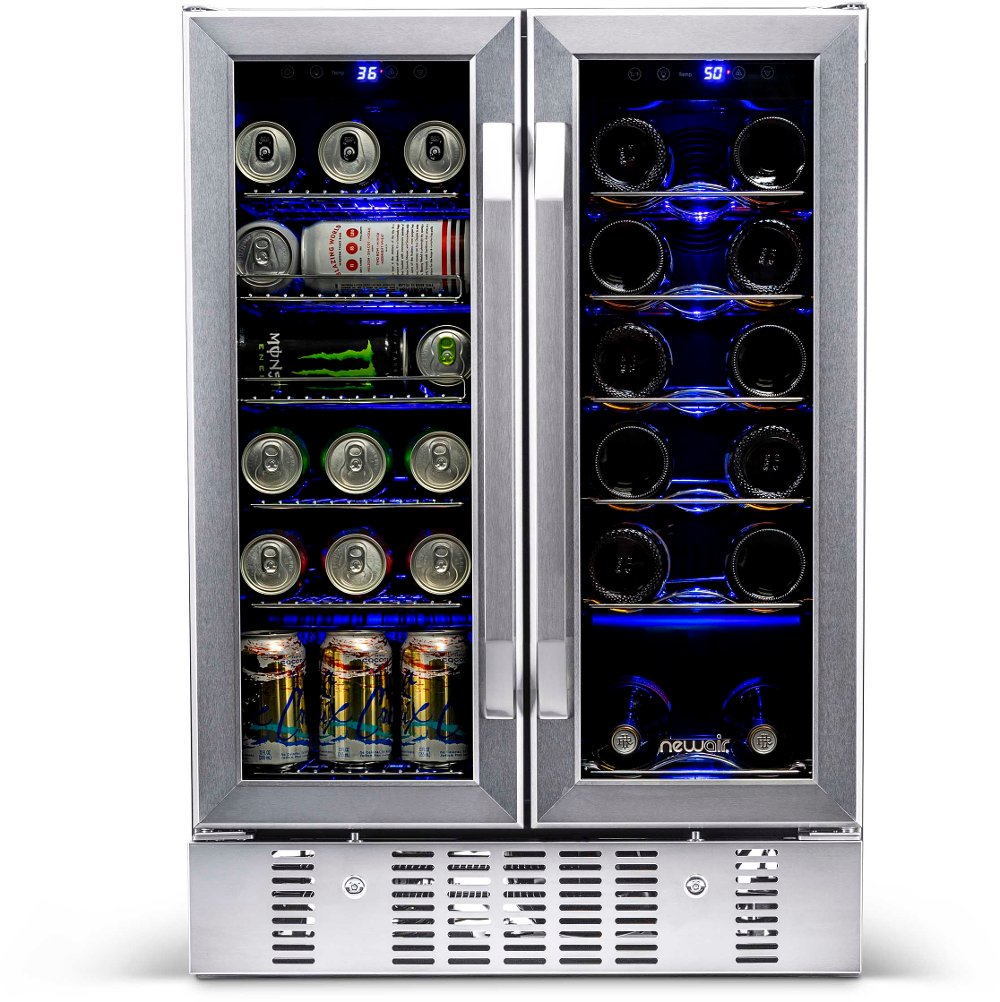
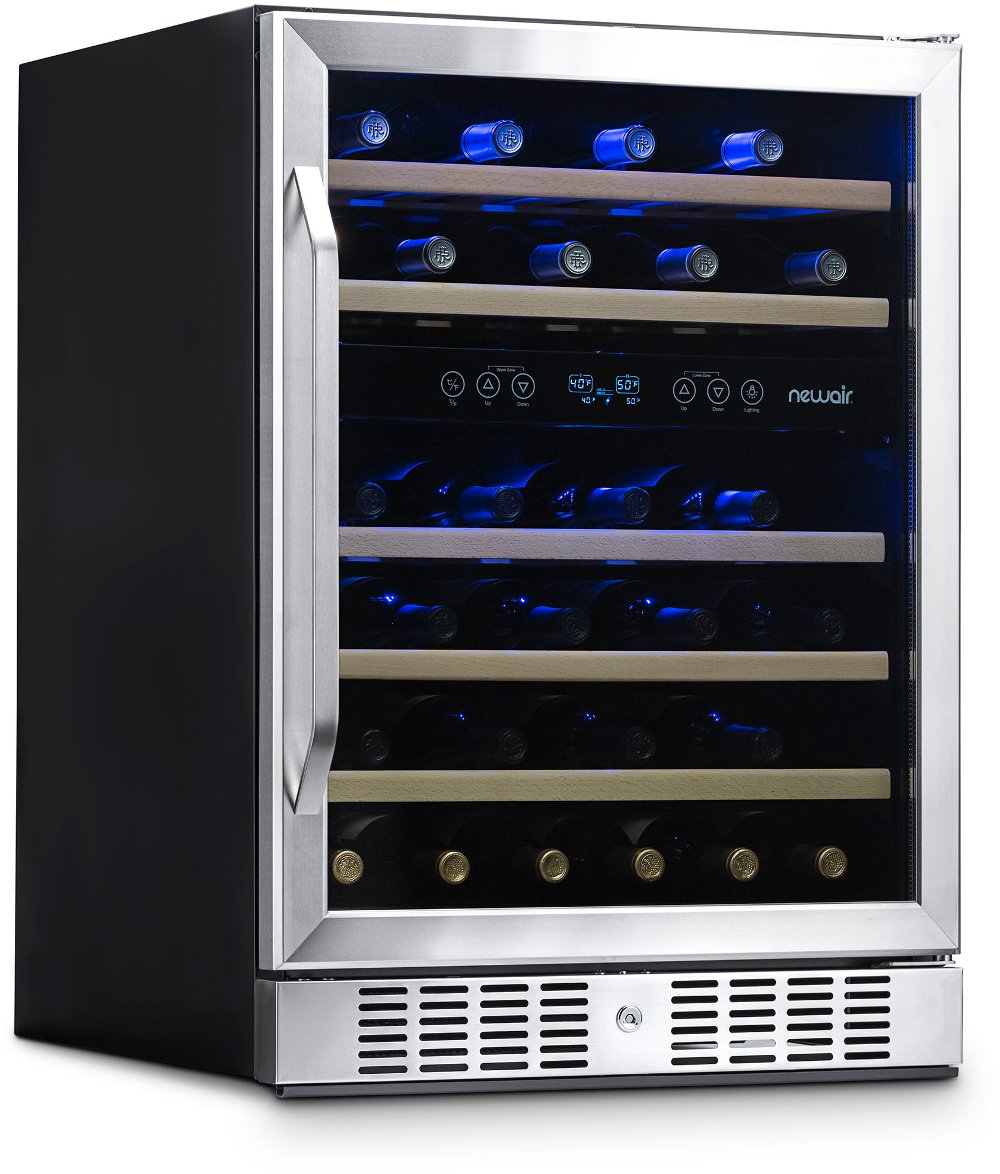
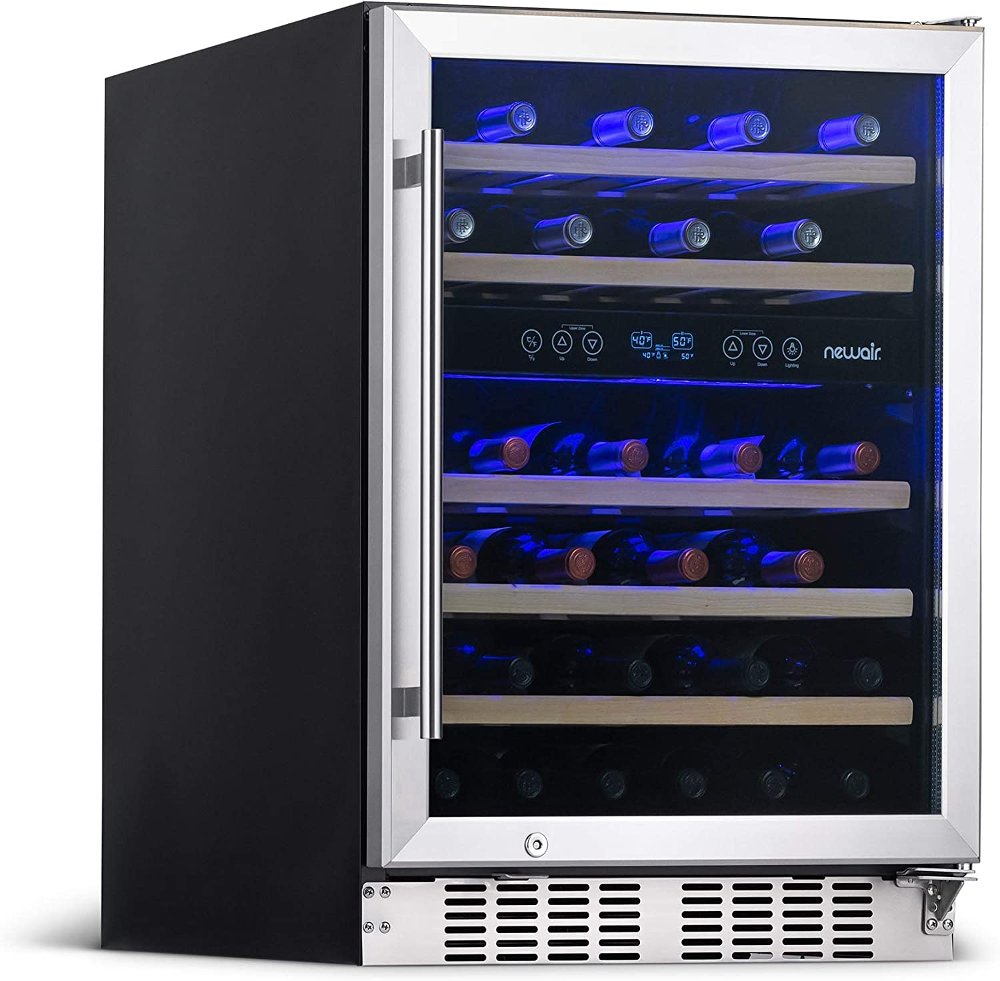
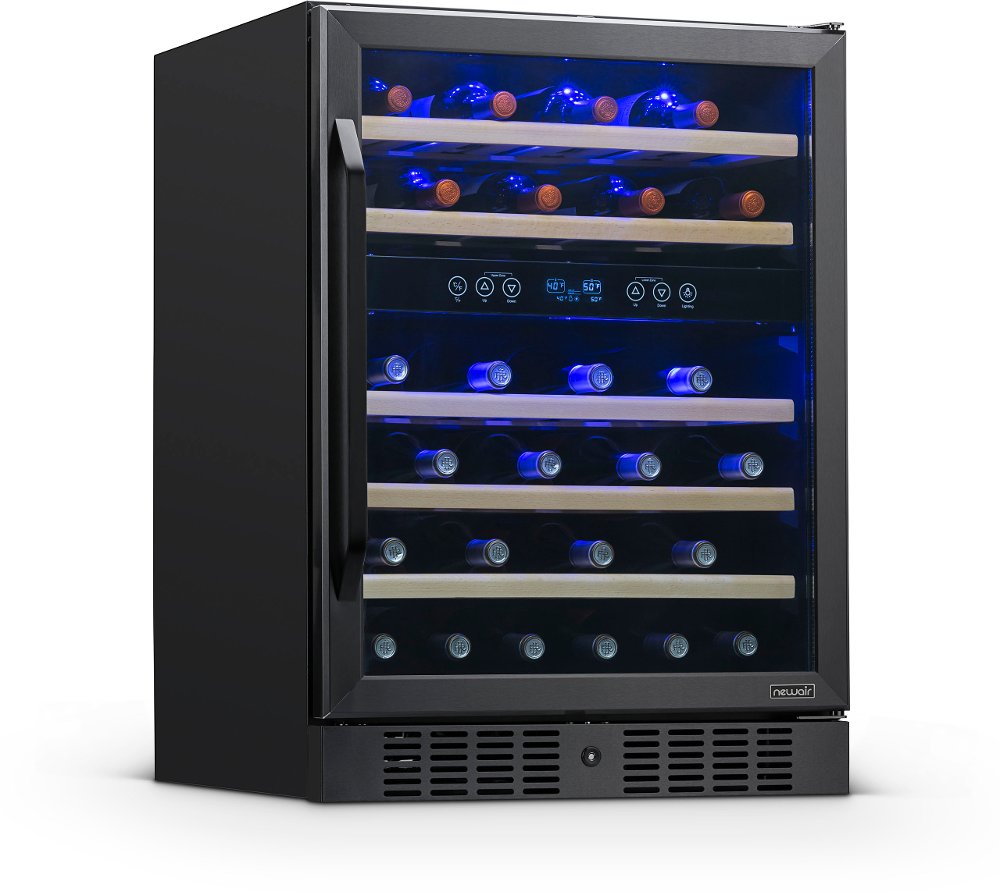
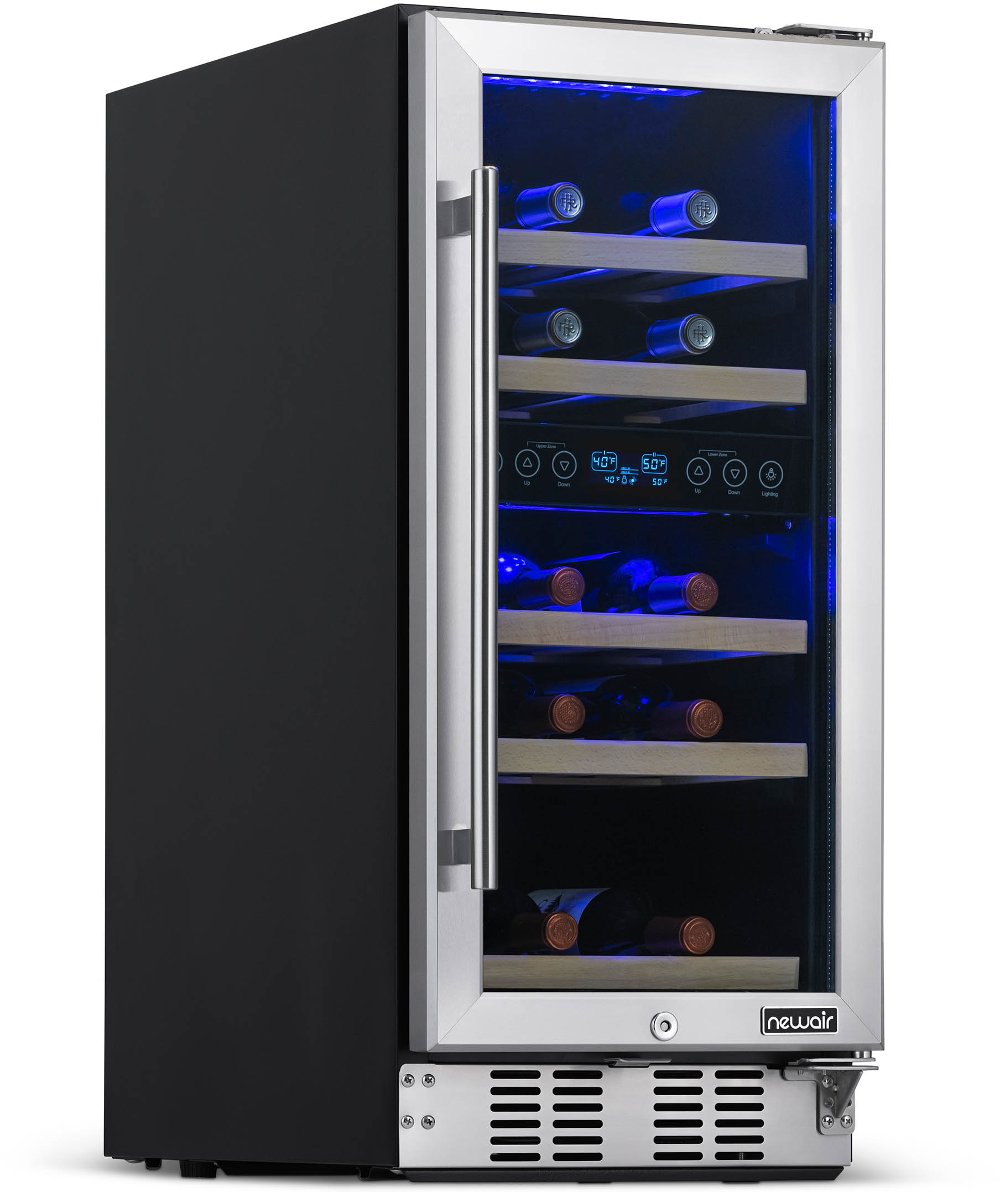
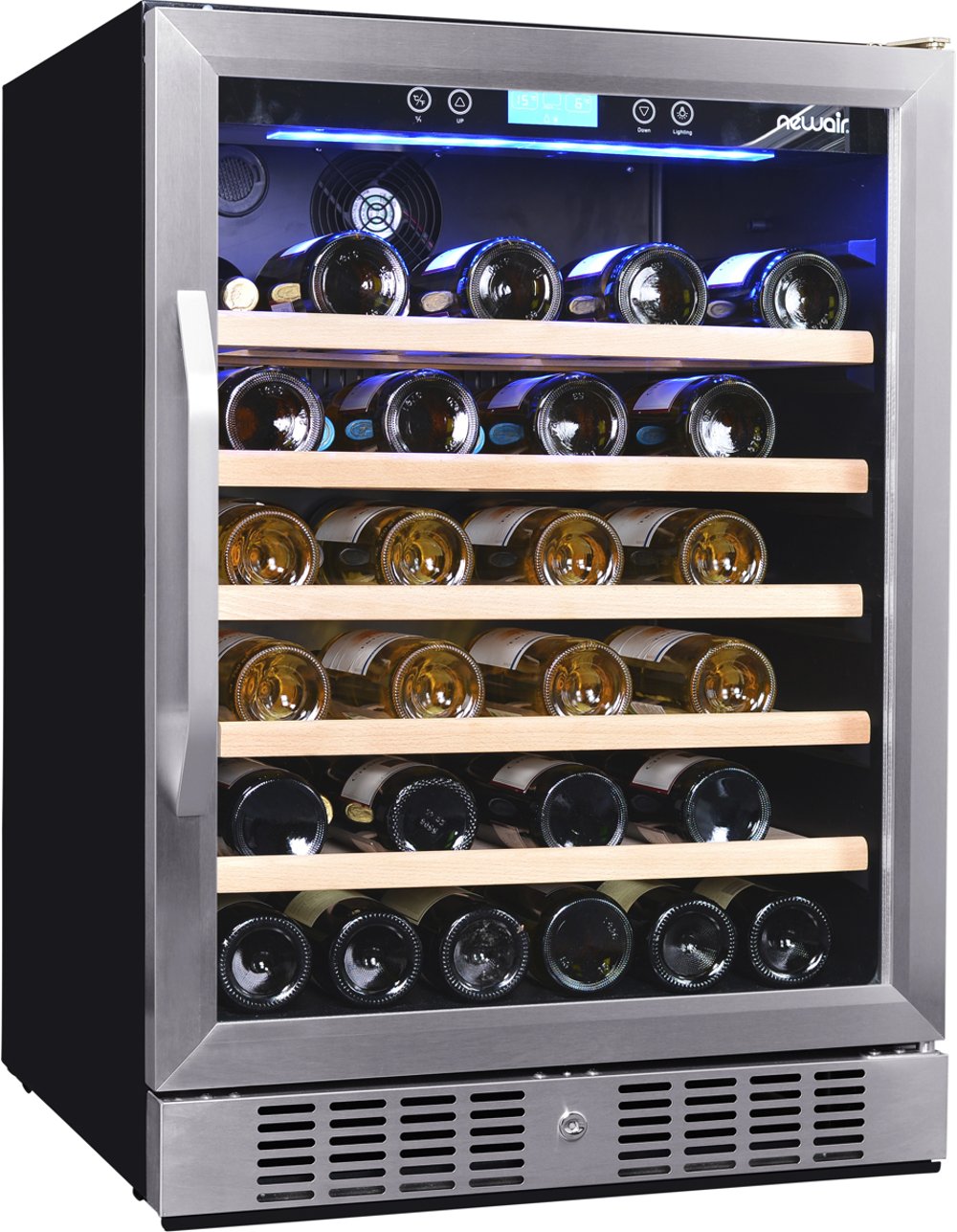
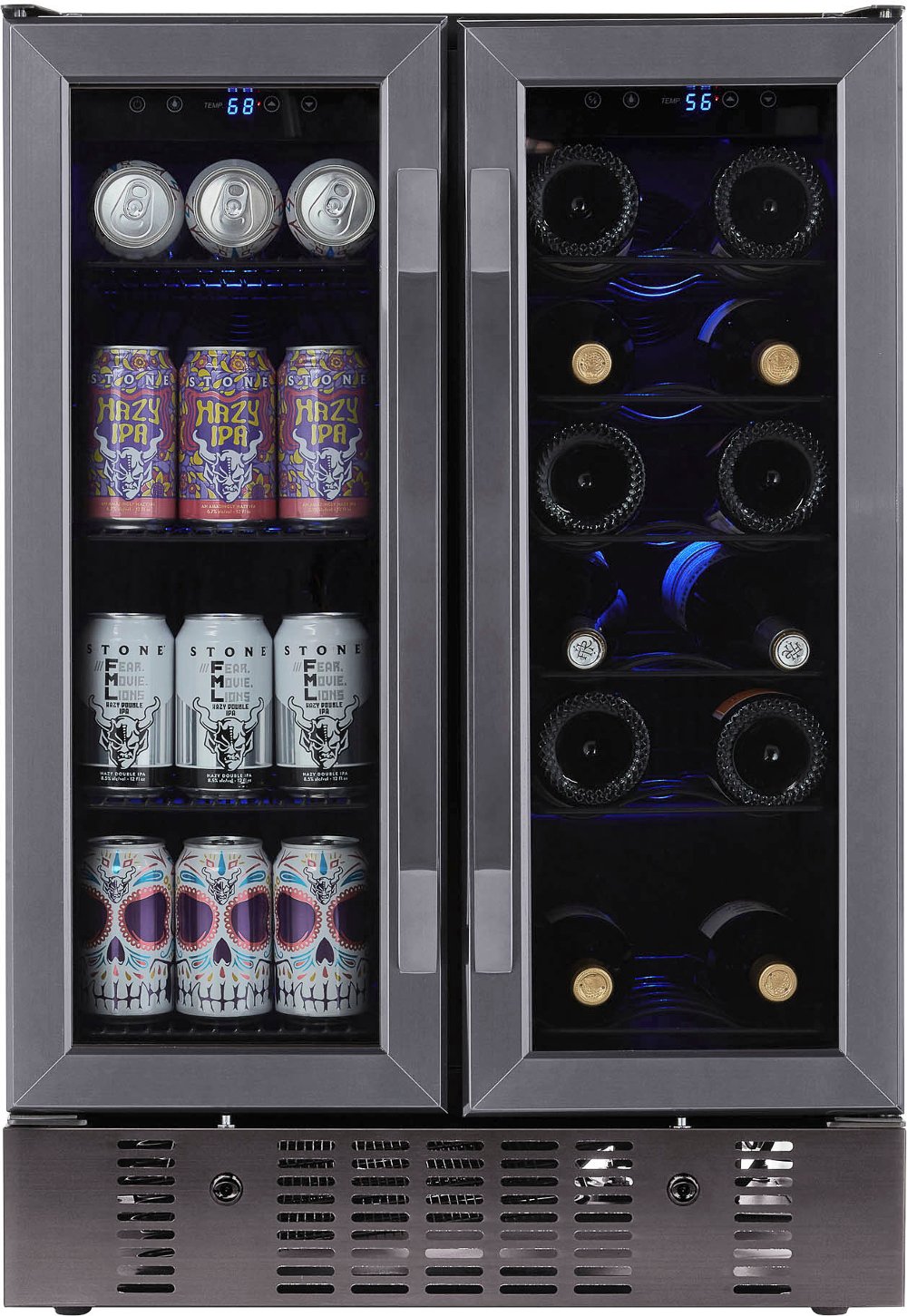
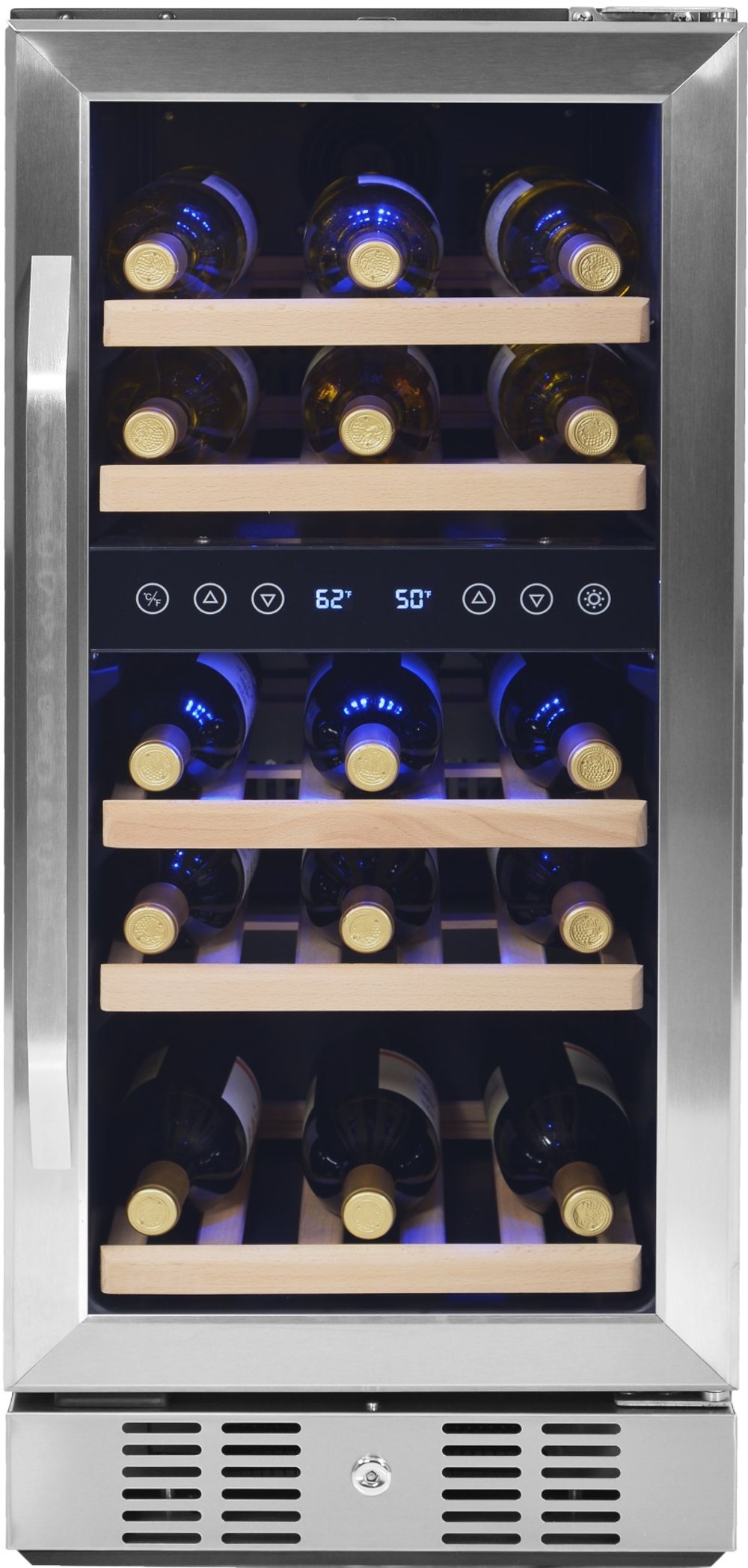
A wine cooler is a refrigerated appliance designed to store wine bottles at controlled, consistent temperatures. Also called a wine refrigerator, it gives your collection a dedicated home, whether that means a few favorite bottles for dinner or a growing selection saved for special occasions. Unlike a standard kitchen refrigerator, which typically runs colder for food storage, a wine cooler offers settings better suited to wine. That distinction matters for both storage and serving: a bottle kept for several months has different needs than a white wine chilled for tonight’s meal. Around 55°F is a common storage target for many wines, while serving temperatures vary by style and preference. Single-zone wine coolers maintain one temperature throughout the cabinet, making them a practical choice for storing different wines together at a consistent setting or keeping one preferred style ready to pour. Dual-zone wine coolers have two separately controlled compartments, which can help keep whites cooler and reds slightly warmer for serving. The available temperature range in each compartment varies by design, so those details matter more than the number of zones alone. Dedicated wine fridges also separate bottles from crowded refrigerator shelves, leaving more room for groceries and making labels easier to find. Depending on the design, features may include adjustable controls, interior lighting, insulated doors, and glass that helps reduce ultraviolet exposure. These details support an organized storage space, but they don’t all serve the same purpose: a light makes bottles easier to see, while insulation helps the cabinet maintain its setting. For someone who enjoys pairing wine with meals, hosting friends, or collecting bottles from memorable trips, a wine cooler turns an assortment tucked into cabinets into a collection that’s easier to see and use. Its value comes from matching the appliance to those everyday habits, rather than simply choosing the largest cabinet.
The way a wine cooler fits your home is just as important as how many bottles it holds. Freestanding wine coolers need open space around the cabinet according to the manufacturer’s clearance requirements; they shouldn’t be enclosed beneath a counter unless the appliance is specifically approved for that installation. Built-in wine coolers are designed for cabinetry, typically with front ventilation that allows heat to escape through the front of the unit. An undercounter installation can keep bottles close to a kitchen island or home bar without taking up countertop space, while a freestanding cabinet can work well in a dining area or another suitable indoor location. Width, height, and depth are only part of the fit. Door handles, hinges, baseboards, nearby drawers, and the space needed to pull out shelves can affect how comfortably the cooler works in its intended spot. A reversible door, when offered, can help accommodate a particular layout, but the door still needs enough clearance to open properly. Bottle capacity deserves a closer look, too. Published capacities generally use standard 750-milliliter Bordeaux-style bottles; broader Burgundy bottles, Champagne bottles, and larger formats can take up more room. A household that keeps several sparkling wines may need more usable shelf space than the stated bottle count suggests. Sliding shelves make it easier to reach bottles toward the back, and adjustable or removable racks can accommodate unusual shapes, though changing the shelf arrangement may reduce total capacity. Horizontal racks keep bottles organized and can help keep natural corks in contact with the wine. Compressor-based cooling and thermoelectric cooling are another distinction worth noting. Compressor systems generally handle larger cooling demands, while thermoelectric systems often suit smaller cabinets and can be more sensitive to surrounding room conditions. Neither type makes placement irrelevant. A level floor, proper ventilation, a suitable electrical outlet, and a location within the appliance’s rated operating conditions help the cooler perform as intended.
Materials and construction shape how a wine cooler looks, feels, and holds up to regular use. Stainless steel or painted metal exteriors offer different finishes for coordinating with kitchen appliances, cabinetry, or dining furniture. Glass doors put labels and neatly arranged bottles on display, while solid doors provide a more concealed look and limit light exposure. Tempered glass, insulation, door seals, and hinge quality all contribute to the cabinet’s everyday function. Wood-trimmed racks can add warmth to the interior, while metal racks offer a streamlined appearance; in either case, sturdy shelves that support bottles securely are more important than decorative details alone. A shelf should move smoothly without letting bottles shift unexpectedly, especially when it’s carrying heavier glass. Interior lighting can make an evening selection easier, and controls that are easy to read help you check settings without fuss. For a cooler near a living room or dining table, operating sound also deserves attention. Fans and compressors can be audible, and proper leveling helps avoid unnecessary rattling. Care is generally straightforward: follow the appliance’s cleaning instructions, wipe spills promptly, clean door seals gently, and keep ventilation openings clear. Abrasive cleaners can damage finishes, and stainless steel surfaces may need a finish-appropriate cleaner to remove fingerprints. Dust buildup around accessible vents can interfere with airflow, so routine attention helps the cabinet work efficiently. After moving a cooler, follow the manufacturer’s directions before restarting it. A wine cooler can also make a thoughtful housewarming, wedding, or milestone gift for an adult who enjoys wine, particularly when the recipient’s space and storage preferences are already known. A compact collection, a home entertaining area, and a dedicated wine room call for different capacities and layouts. The most useful choice feels natural in the recipient’s home: bottles are easy to reach, the cabinet has room to operate properly, and the storage arrangement suits the wines they actually enjoy.
Read More