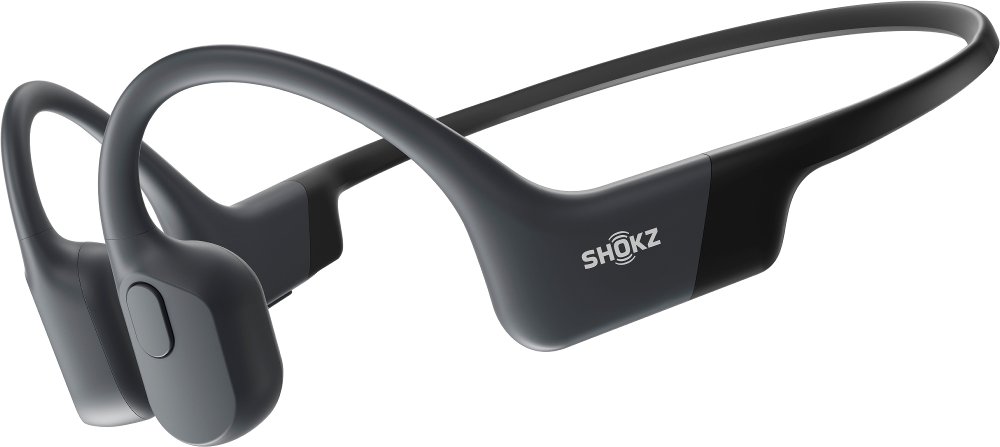
Wireless bone conduction headphones deliver audio through small transducers that rest against your cheekbones, usually just in front of your ears. These transducers turn sound into vibrations that travel through bone to the inner ear, leaving your ear canals uncovered. A Bluetooth connection lets you listen without a cable running to your phone, while the open-ear design keeps you connected to the sounds around you. That combination suits everyday routines such as walking the dog, following a workout playlist, listening to a podcast while folding laundry, or catching up on an audiobook during a neighborhood stroll. Unlike earbuds that sit inside the ear canal, bone conduction headphones typically use a band that curves behind your head and supports the listening pads on either side of your face. For someone who dislikes the plugged-ear sensation of traditional earbuds, this design offers a different way to listen without inserting anything into the ears. It also has distinct sound characteristics. Spoken voices can come through clearly in quieter settings, while music may have less bass depth and detail than it would through headphones that seal around or inside the ears. A busy street or a loud gym can compete with your audio because the design doesn't block surrounding noise. Turning the volume up may increase the vibration you feel against your skin, and some sound can become audible to people nearby. Open ears can make it easier to notice a doorbell, a companion speaking, or approaching traffic, but they don't guarantee awareness or make every activity safe. Comfortable volume levels, attention to your surroundings, and respect for local rules still matter, especially near roads. Bone conduction listening also isn't a safeguard against hearing damage; excessive volume can still affect your hearing. For everyday use, these headphones make the most sense when staying aware of your surroundings matters more than shutting out the room or getting the deepest possible bass.
Comfort depends on how the frame fits your head and where the transducers make contact. The listening pads should sit securely against the intended contact points without pinching, sliding, or creating uncomfortable pressure. Many designs combine lightweight plastic housings, flexible metal or titanium-supported bands, and soft silicone contact surfaces. These materials can help balance stability and flexibility, although the finished shape matters as much as the material itself. A runner needs a headset that stays steady with each stride, while someone listening at a desk may care more about how the rear band behaves against a chair's headrest. Some frames come in different sizes rather than offering a sliding adjustment, so head measurements and fit information are worth checking. A band that's too roomy can shift during movement, and one that's too snug can feel tiring over a longer listening session. Glasses, sunglasses, and headwear add another layer to the fit: the headphone arms and your eyewear should share the space above your ears without crowding each other. Smooth contact surfaces can feel comfortable, but sweat, skin sensitivity, and sustained pressure can still cause irritation, so breaks and regular cleaning help. Wireless features should fit your routine just as naturally. Bluetooth compatibility determines which phones, tablets, or computers you can connect, while multipoint support, when included, can simplify switching between a laptop and a phone. Built-in microphones make calls possible, but wind and background conversations can affect how clearly the other person hears you. Accessible buttons are useful when your phone is tucked away, particularly for adjusting volume or pausing a podcast during a conversation. Battery estimates are another practical consideration: actual listening time varies with volume, calls, and other features, and quick charging isn't a substitute for checking total battery life. Comparing this style with the broader category of Wireless Open Ear Headphones also helps distinguish bone conduction from air-conduction designs, which use small speakers near the ears rather than relying primarily on vibrations through bone.
Durability is especially important when headphones become part of a regular exercise routine or spend the day moving between a desk, a bag, and an evening walk. Sweat resistance and water resistance are useful features, but the terms aren't interchangeable with permission to swim. An IP rating describes tested protection against dust or water under defined conditions. For example, IP67 indicates dust protection and resistance to temporary immersion under specified test conditions, yet it doesn't automatically mean a headset is designed for repeated swimming use. An IPX8 rating refers to immersion protection under manufacturer-specified conditions, so the stated depth, duration, and intended use still matter. For swimming, look for an explicit swimming-use designation and follow the manufacturer's limits. Bluetooth signals don't travel reliably through water, which means underwater listening generally depends on built-in audio storage rather than streaming from a phone beside the pool. Charging connections deserve attention, too. Some designs use a proprietary cable, while others use a more familiar connector; keeping the correct cable with your everyday essentials makes charging simpler. After a workout, a gentle wipe with a soft cloth helps remove perspiration and skin oils from the contact pads and frame. Follow the manufacturer's cleaning directions, avoid harsh chemicals, and let charging contacts dry completely before connecting power. Even a water-resistant headset can have care requirements that protect its seals, finish, and electronics. A protective case can keep the band from getting crushed in a gym bag, and storing the headphones without sharply bending the frame helps preserve their shape. For gifting, wireless bone conduction headphones can suit a podcast-loving walker, an active friend who prefers an open-ear fit, or someone who wants audio while handling everyday tasks at home. The most thoughtful match starts with the recipient's habits: how long they listen, whether they wear glasses, which devices they use, and whether their activities call for sweat resistance or specialized swimming features. A comfortable fit and the right everyday functions make these headphones easier to reach for, charge, and enjoy regularly.
Read More