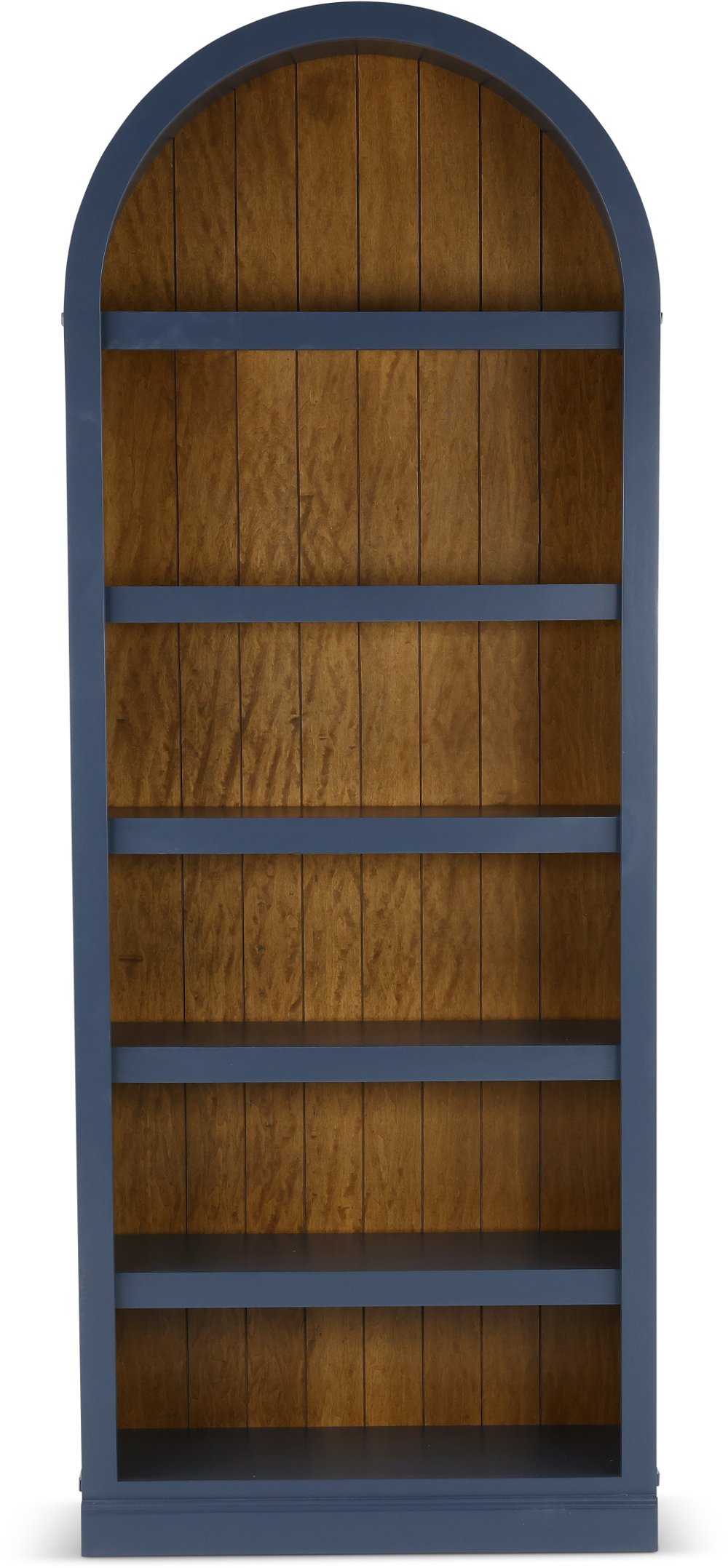
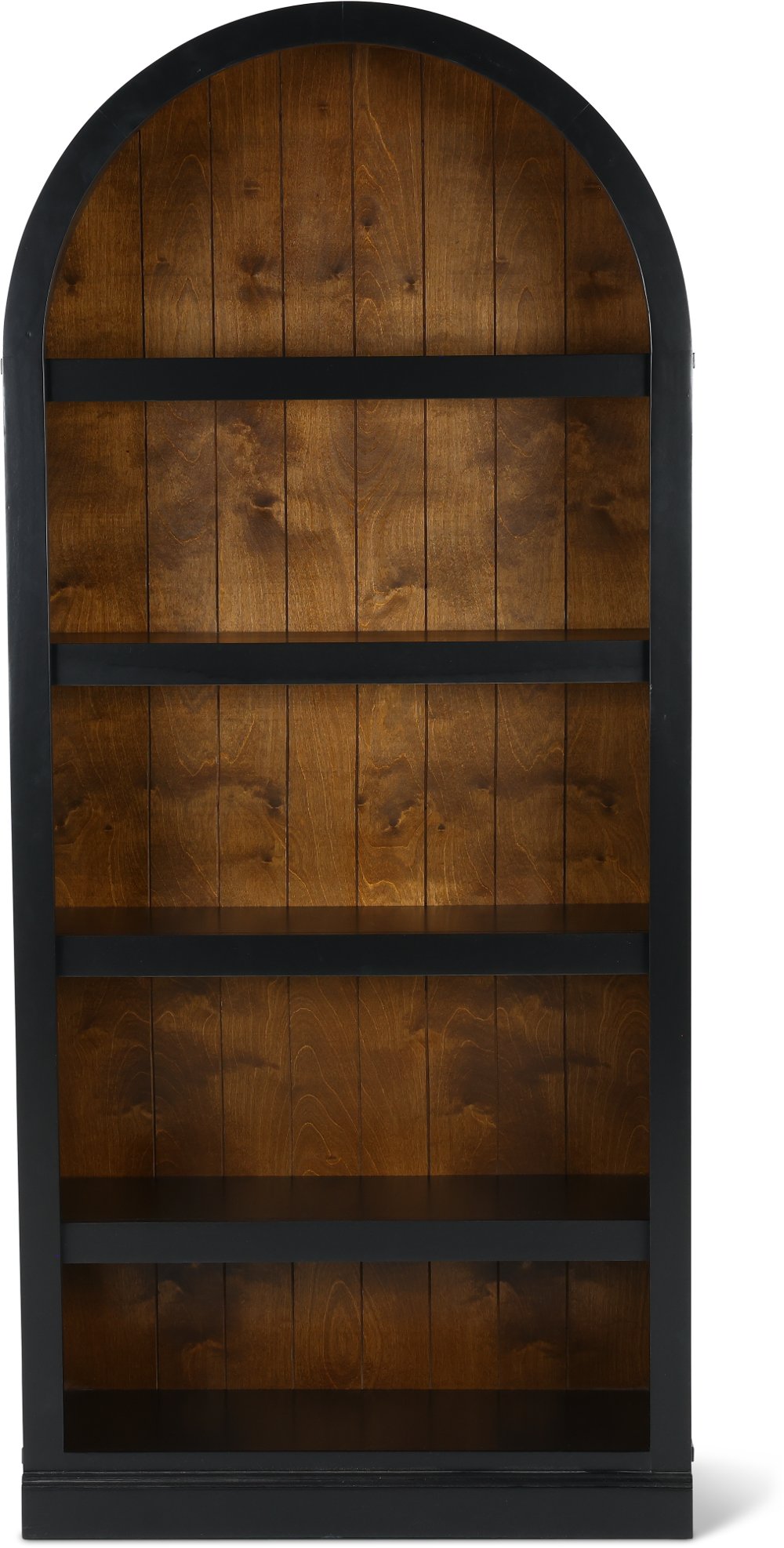
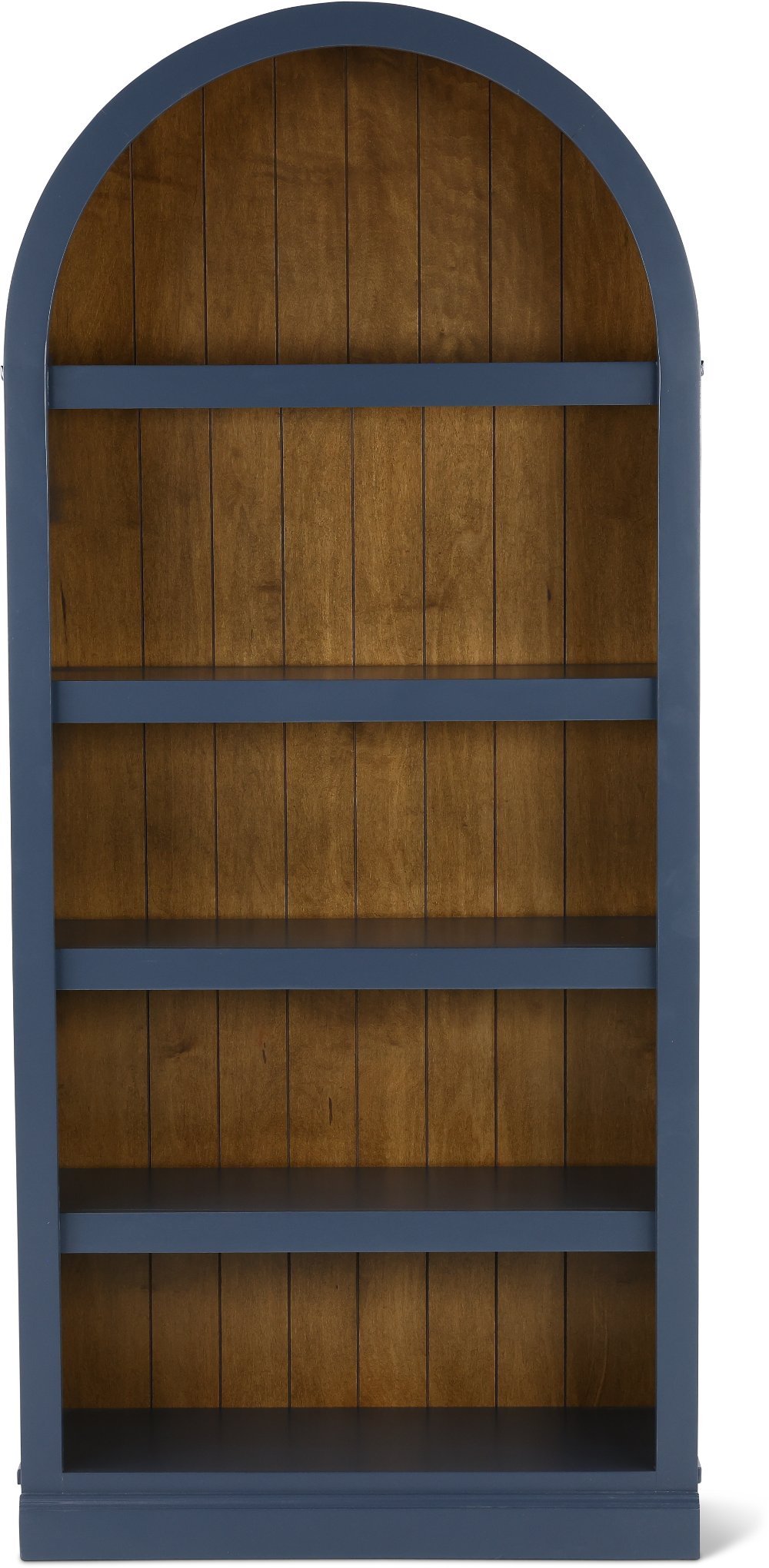
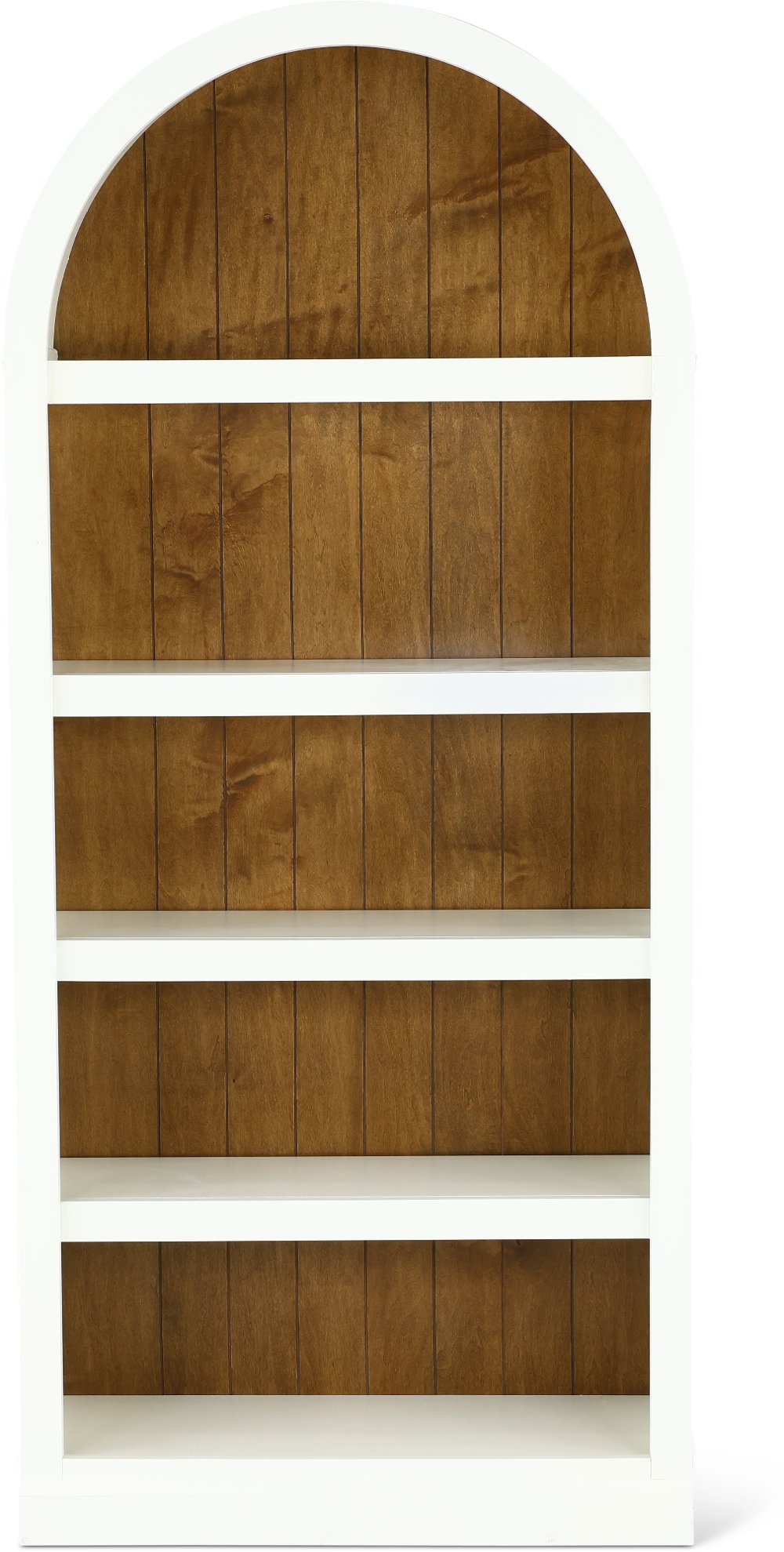
Arched cabinets bring a softer shape to storage, pairing the practical appeal of shelves and doors with a curved detail that feels right at home. The arch may define the cabinet’s outer profile, frame its doors, or appear in the glass panels, giving each design a different balance of structure and openness. In a living room filled with straight-lined sofas, rectangular rugs, and square windows, that gentle curve adds contrast without demanding a complete change in style. A narrow cabinet can give an unused corner a purpose, while a wider design can create a focal point along an open wall. Glass-front arched cabinets let favorite belongings become part of the room: a stack of well-loved books, pottery collected over time, or serving pieces that deserve more than a spot behind a closed cupboard door. Solid doors offer a quieter look and help keep everyday clutter out of sight. Designs that combine open display space with enclosed storage suit homes where both needs matter. In a dining room, an arched display cabinet can hold dishes and glassware close to the table, making it easier to set out place settings or put serving bowls away after dinner. In a home office, the same shape can soften a work-focused space while organizing reference books, supplies, and personal keepsakes. A bedroom cabinet can provide storage for folded linens or accessories, and furniture with related curves, such as arched beds, can carry that detail through the room without requiring every piece to match. Light wood tones tend to create an easy, relaxed look, deeper finishes add visual weight, and painted surfaces can either blend into the walls or stand apart from them. The best choice depends on what the cabinet needs to hold and how much attention it should draw. A carefully edited display feels airy, while a cabinet filled with books has a more substantial presence. Both approaches can work beautifully when the scale and finish feel connected to the rest of your space.
Materials and construction shape how an arched cabinet looks, feels, and performs through everyday use. Solid wood brings natural grain variation and character, though it can expand and contract as indoor humidity changes. Wood veneers offer a real wood surface over a supporting core, and engineered wood components can provide consistent surfaces for painted or wood-look finishes. Many cabinets combine materials, so the construction of the frame, shelves, back panel, and doors matters more than a single material label. For storage that gets frequent use, consider how smoothly the doors open, whether the hinges can be adjusted, and how securely the shelves sit on their supports. Adjustable shelves make room for belongings of different heights, from tall vases to shorter stacks of dishes, while fixed shelves establish a consistent arrangement. The arch itself can affect usable space near the top, especially when the cabinet has a curved interior, so a tall object may fit best at the center rather than near either side. Shelf depth is just as important as height: a large platter or storage basket needs enough room to sit fully supported with the doors closed. Glass panels keep a display visible, but they don’t all create the same effect. Clear glass shows details distinctly, while textured glass can soften the view and make a mixed assortment of belongings feel less prominent. Glass shelves allow light to pass through; wood shelves lend a more grounded look. Either material should be used within the manufacturer’s stated weight limits, particularly when storing heavy dishes or books. Hardware also influences daily comfort. Handles should feel easy to grasp, and door catches should hold securely without making access awkward. For households with children or pets, enclosed storage can help keep fragile belongings separated from busy activity, but glass doors aren’t a substitute for childproofing. A stable cabinet, appropriate anchoring, and thoughtful placement all contribute to a dependable setup.
A good fit starts with the cabinet’s full dimensions and the space around it, not just the width of an empty wall. Measure height, width, and depth, then allow room for doors to swing open and for someone to stand comfortably in front of the shelves. In a dining area, account for chairs pulled away from the table; in a hallway, preserve a clear path past the cabinet. Painter’s tape on the floor can help you picture how far the piece will project into the room before committing to a placement. Baseboards may keep the back from sitting flush against the wall, and nearby outlets, vents, and light switches need to remain accessible. A tall arched cabinet also needs a clear route into its intended room, including enough space through doorways and around stair turns. Follow the manufacturer’s assembly and anchoring instructions, using hardware suited to your wall type, and place heavier belongings on lower shelves to help maintain a balanced arrangement. If the cabinet includes lighting, plan for safe access to power without stretching a cord across a walkway. Once it’s in place, everyday care can stay straightforward. Dust finished surfaces with a soft cloth, and use cleaning products recommended for the particular finish rather than assuming one cleaner suits wood, glass, metal, and painted areas alike. Apply glass cleaner to a cloth instead of spraying directly along door frames, where moisture can collect at the edges. Wipe spills promptly, keep wet objects off wood surfaces, and use protective pads beneath pottery or other pieces with rough bases. Direct sunlight may affect some finishes over time, so placement away from strong, sustained exposure can help preserve the cabinet’s appearance. Leave a little breathing room between displayed objects, with frequently used pieces within easy reach. Whether it holds family dishes, a growing book collection, or a few treasured objects, an arched cabinet works best when its shape adds character and its storage makes daily life easier.
Read More