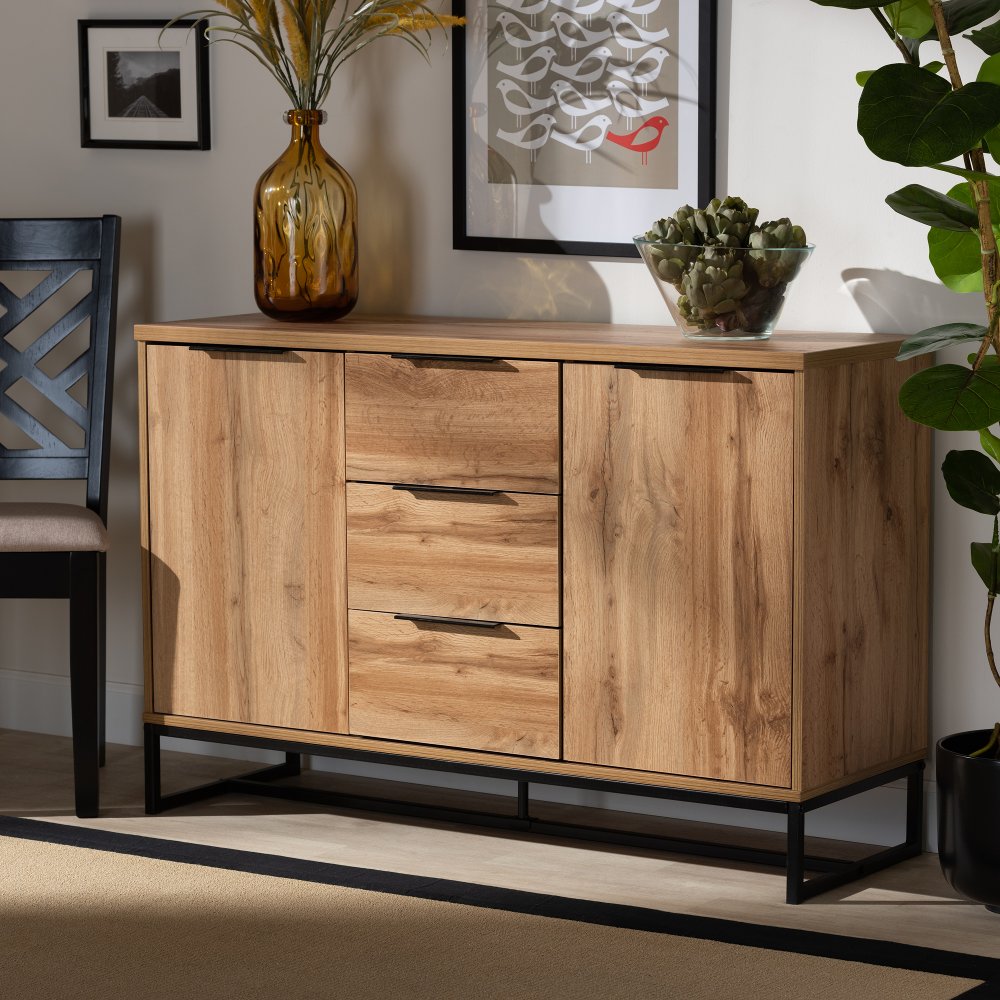
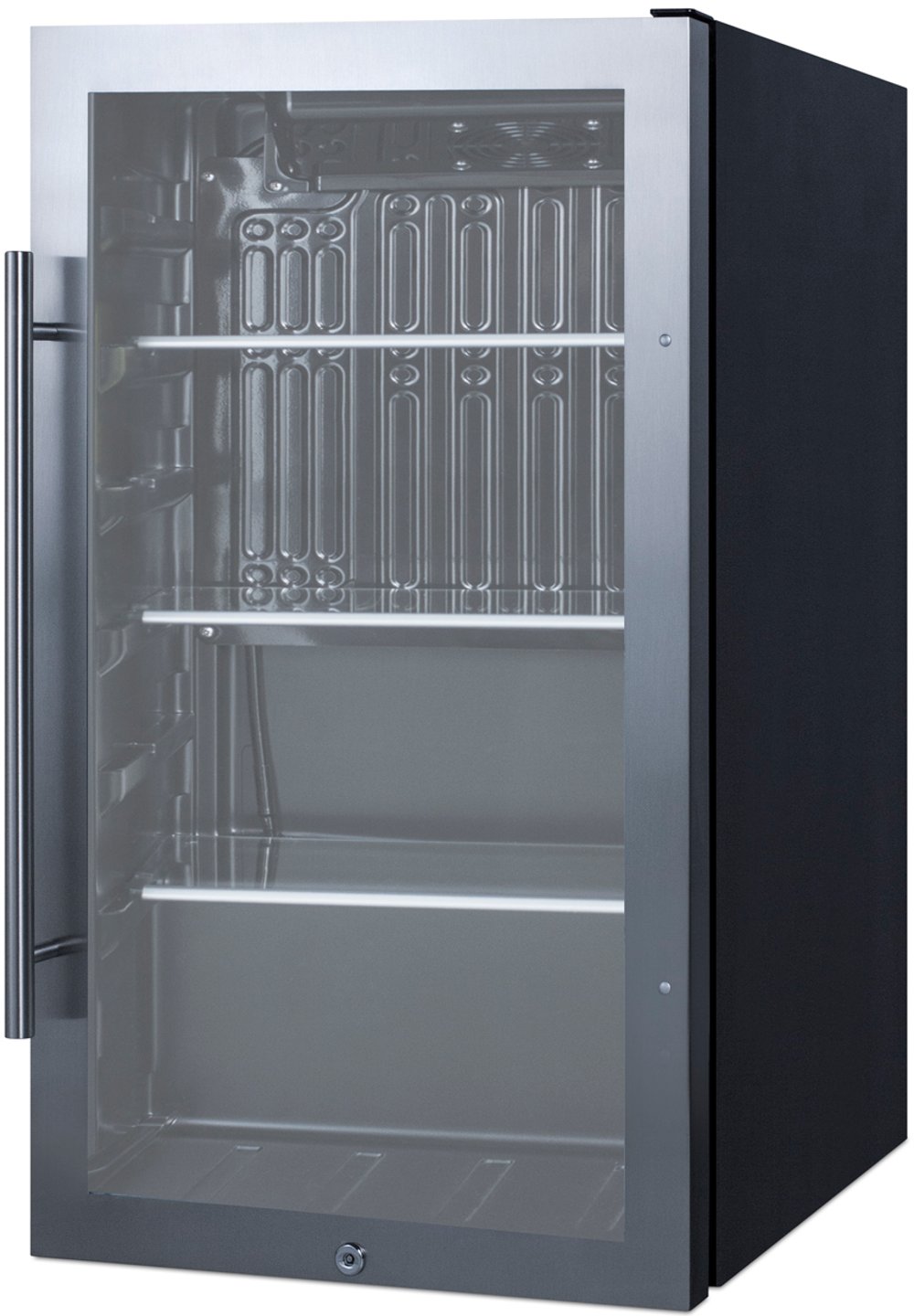
Door cabinets bring a simple kind of order to the rooms you use every day. With enclosed storage behind hinged or sliding doors, they help keep dishes, linens, office supplies, games, electronics, and household extras close at hand without leaving everything on display. That balance makes them useful in nearly any part of the home. A door cabinet in the dining area can hold serving pieces and table linens, while one in the living room can give remote controls, books, chargers, and board games a dedicated home. In a bedroom, an enclosed cabinet can keep accessories, folded clothing, or personal items neatly tucked away. Entryways benefit from cabinets that corral shoes, bags, pet supplies, and seasonal accessories, especially during the cooler months when coats, hats, and extra layers tend to gather near the door. Their closed fronts also help create a calmer visual backdrop, which can make a busy family room or compact apartment feel more settled. If you’re furnishing a first home, refreshing a guest room, or helping a loved one organize a new space, a door cabinet is a practical and thoughtful choice. It offers everyday utility without asking you to redesign the entire room, and its flexible storage can adapt as routines change.
Before choosing a door cabinet, take a close look at the space and the items you plan to store. Measure the available width, height, and depth, then leave enough room for doors to open comfortably and for people to move around the cabinet. In a hallway or narrow dining area, a shallower design may provide useful storage while keeping the walkway open. For a larger wall, a wider cabinet can anchor the room and give you more room to sort belongings by category. Consider what will live inside, too. Adjustable shelves can make it easier to fit tall vases, stacks of dishes, baskets, or cleaning supplies, while multiple compartments can help separate everyday items from things you reach for less often. If the cabinet will hold heavier objects, pay attention to shelf construction and the overall stability of the piece. Cabinets used in homes with children or pets should sit securely and be placed where doors and corners won’t interfere with normal traffic. Think about the door style as well. Solid doors provide a clean, tucked-away look, while glass-front or mixed-front designs let you display a few favorite pieces and conceal the rest. Easy-to-use handles, smooth door movement, and surfaces that wipe clean can make a noticeable difference when a cabinet becomes part of your daily routine. A cabinet should support the way you live, not create another chore.
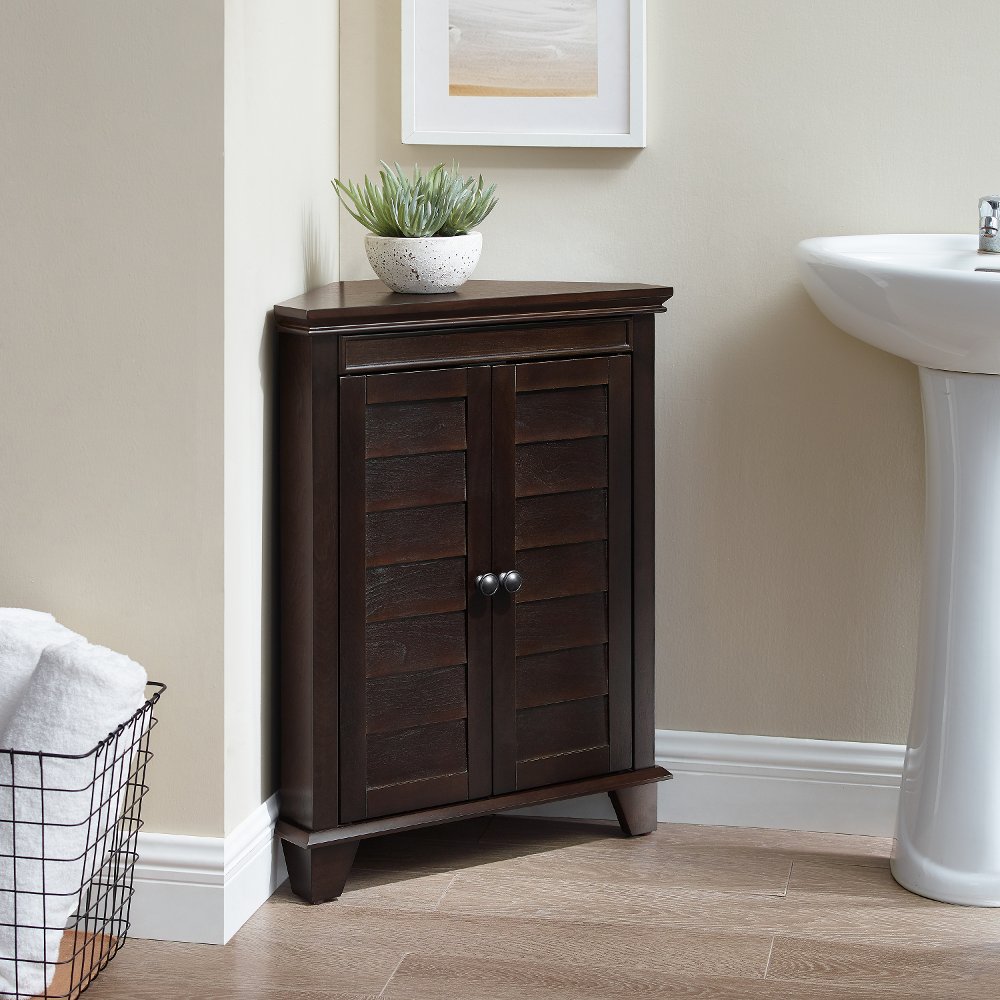
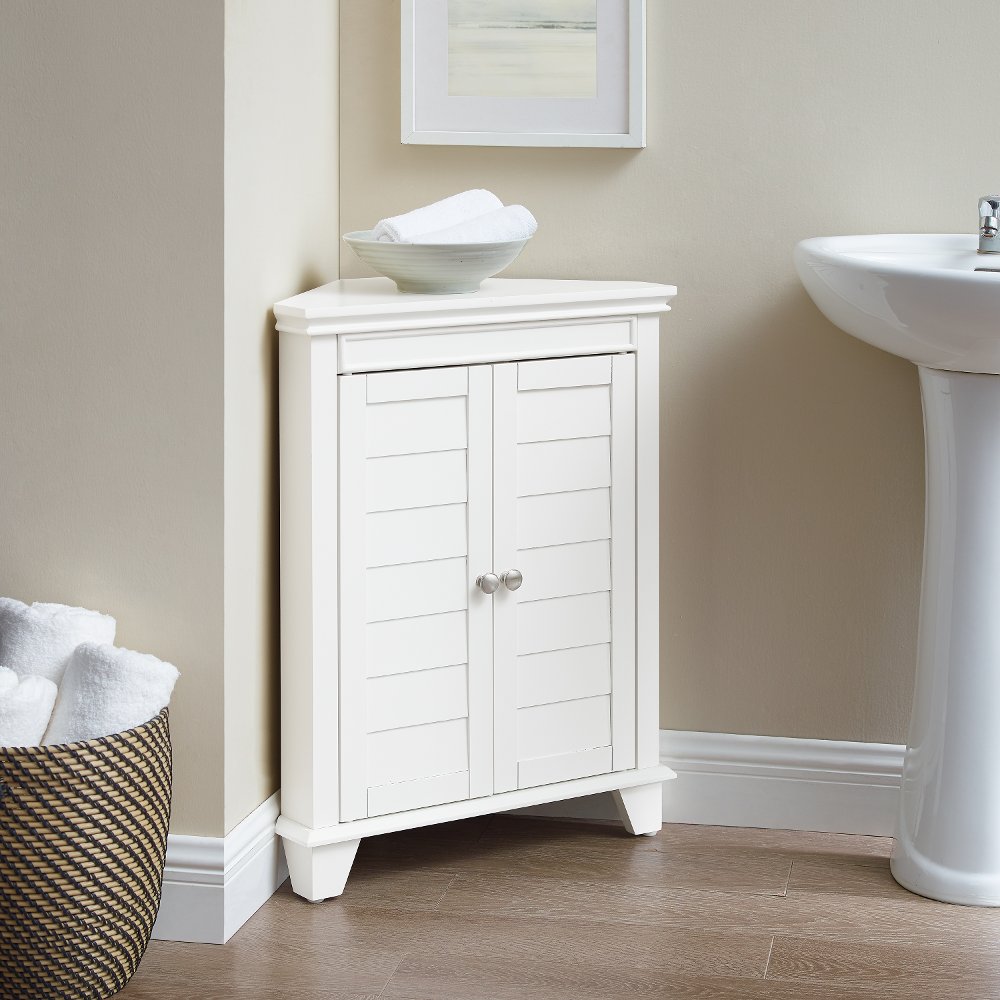
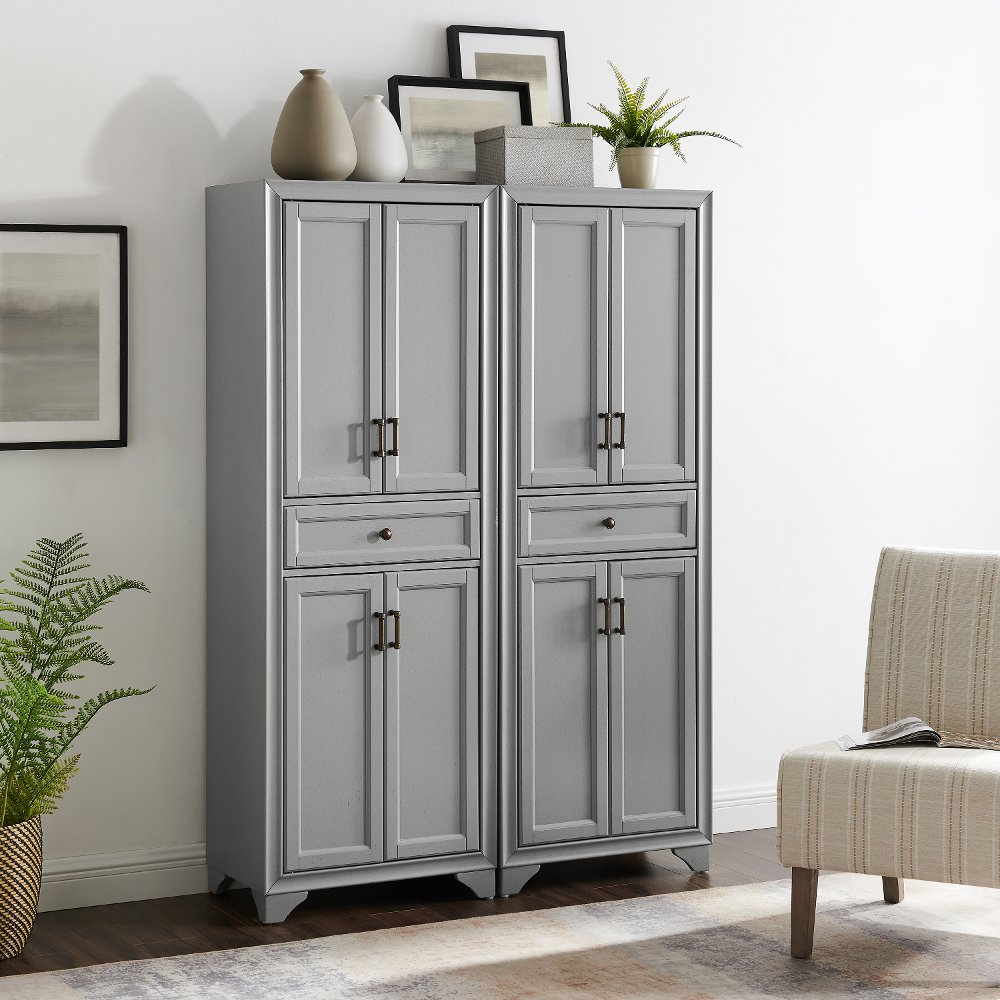
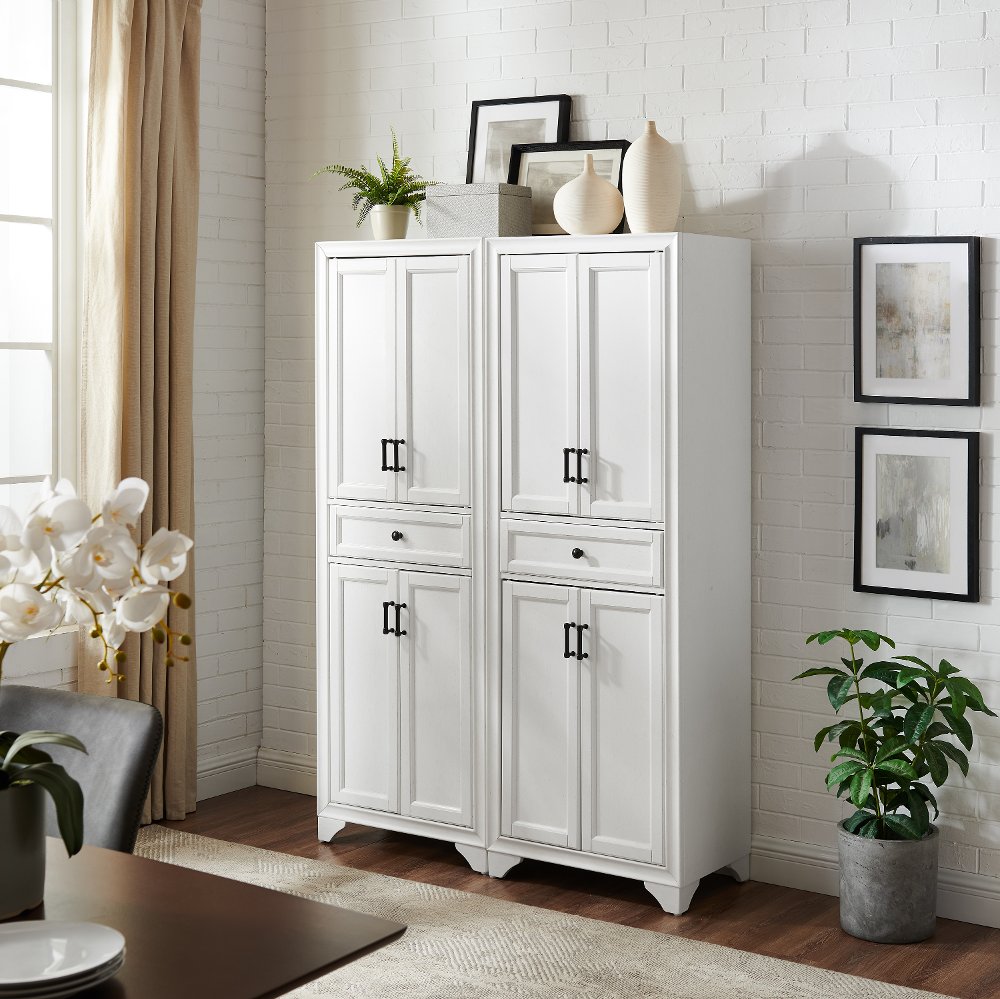
The finish and shape of a door cabinet can help connect your storage to the rest of your home. Warm wood tones can add a comfortable, welcoming feel to a dining room or bedroom, while painted finishes can brighten a small space or complement a more tailored look. Clean lines suit modern interiors, and details such as framed doors, tapered legs, textured surfaces, or decorative hardware can bring more character to traditional and transitional rooms. You can use a cabinet to fill an empty wall, define a space in an open floor plan, or create a convenient station for everyday tasks. Place one near a dining table for serving essentials, beside a desk for paper and technology accessories, or in a living area where guests can easily find blankets and games. When the weather shifts and more time is spent indoors, enclosed storage helps keep comfortable spaces ready for relaxing, hosting, and everyday family life. Pairing a door cabinet with other storage pieces can also help you create a coordinated system; for additional organization with drawers that make smaller items easy to sort, explore Drawer Cabinets. With the right size, interior layout, and finish, a door cabinet can quietly improve the rhythm of a room: fewer items left out, less time spent searching, and more space for the moments that matter.
Read More