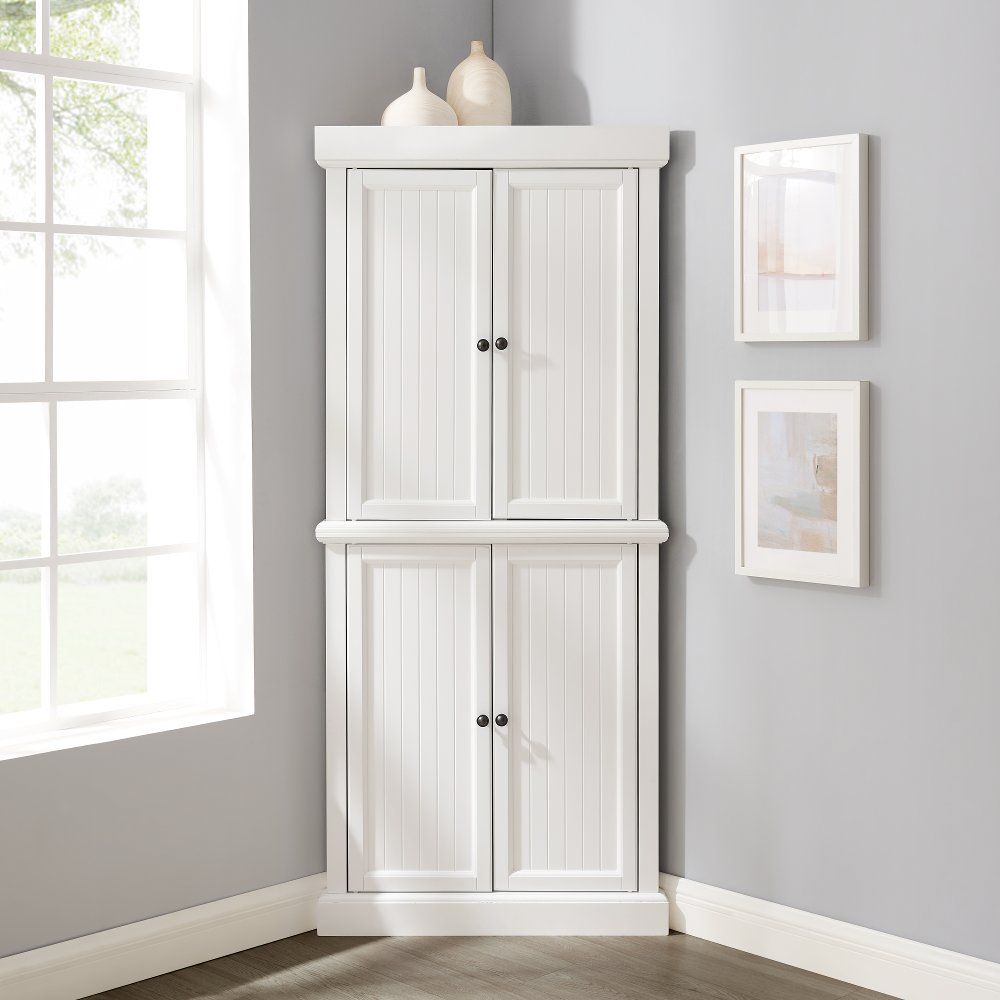
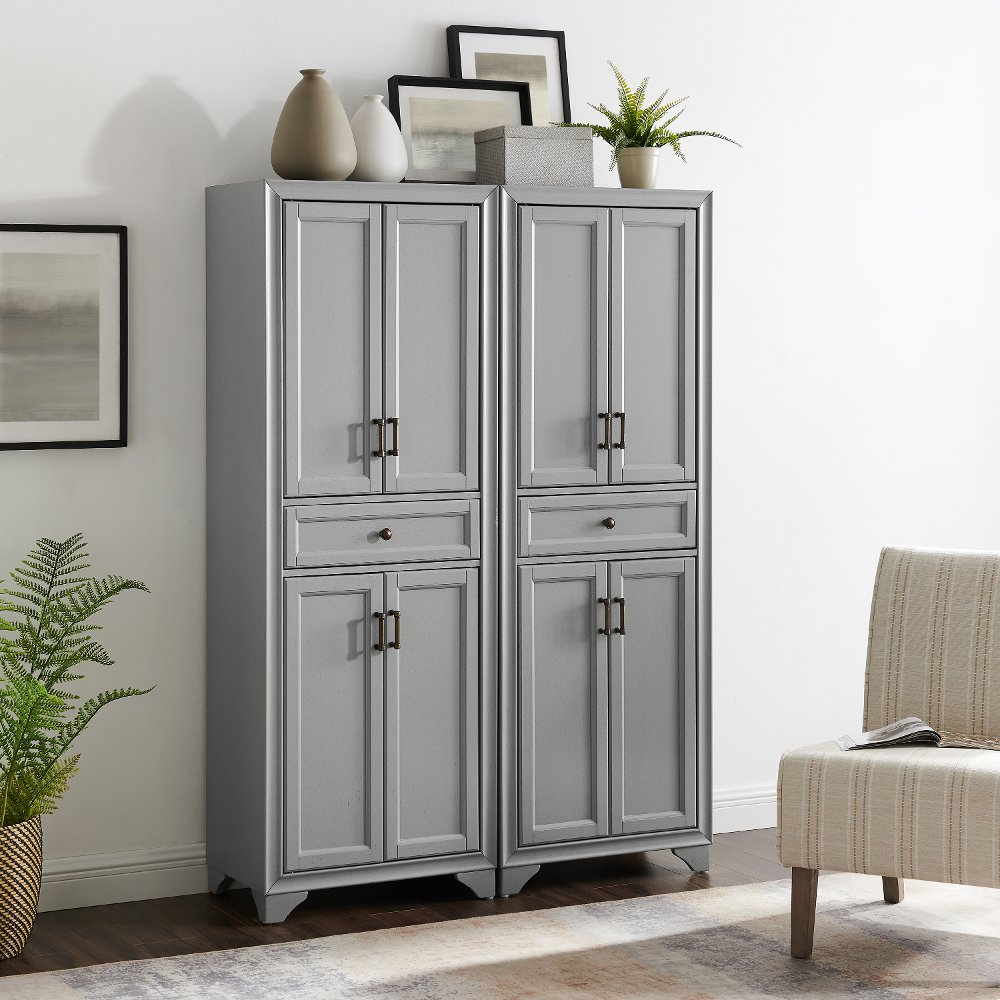
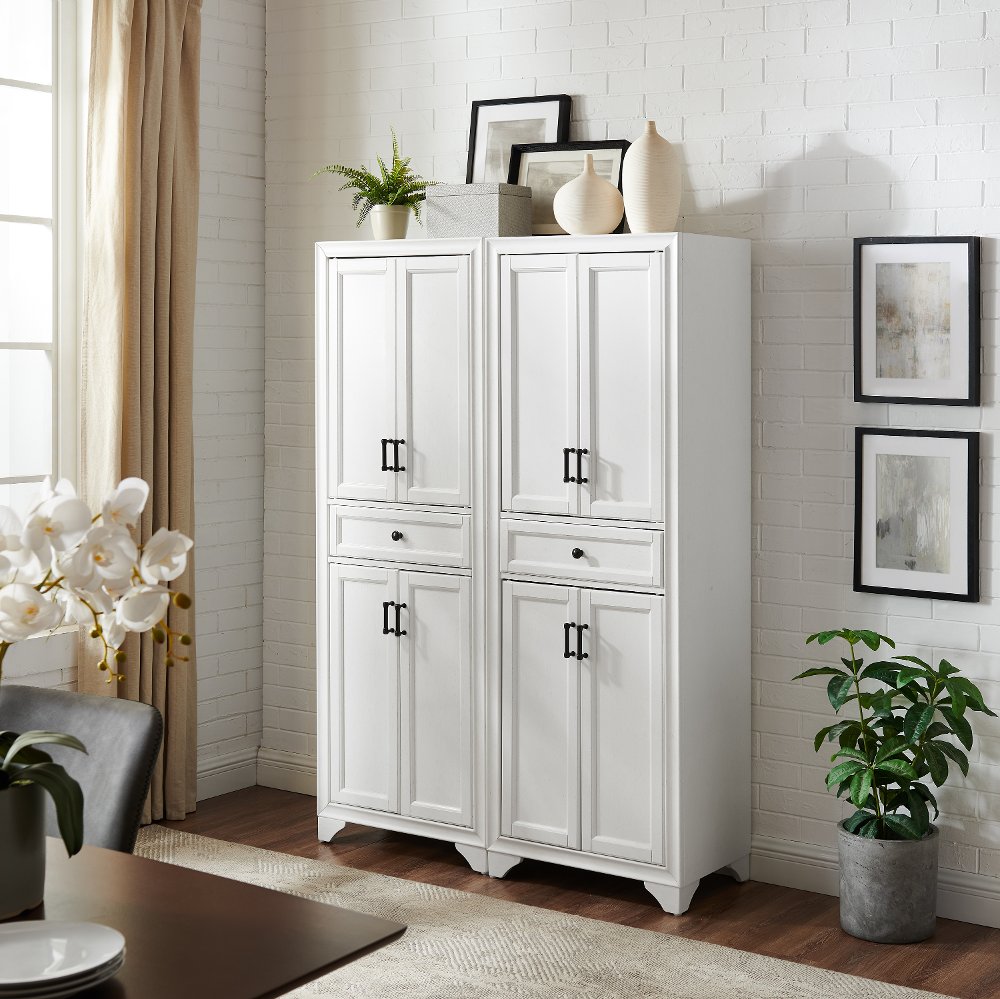
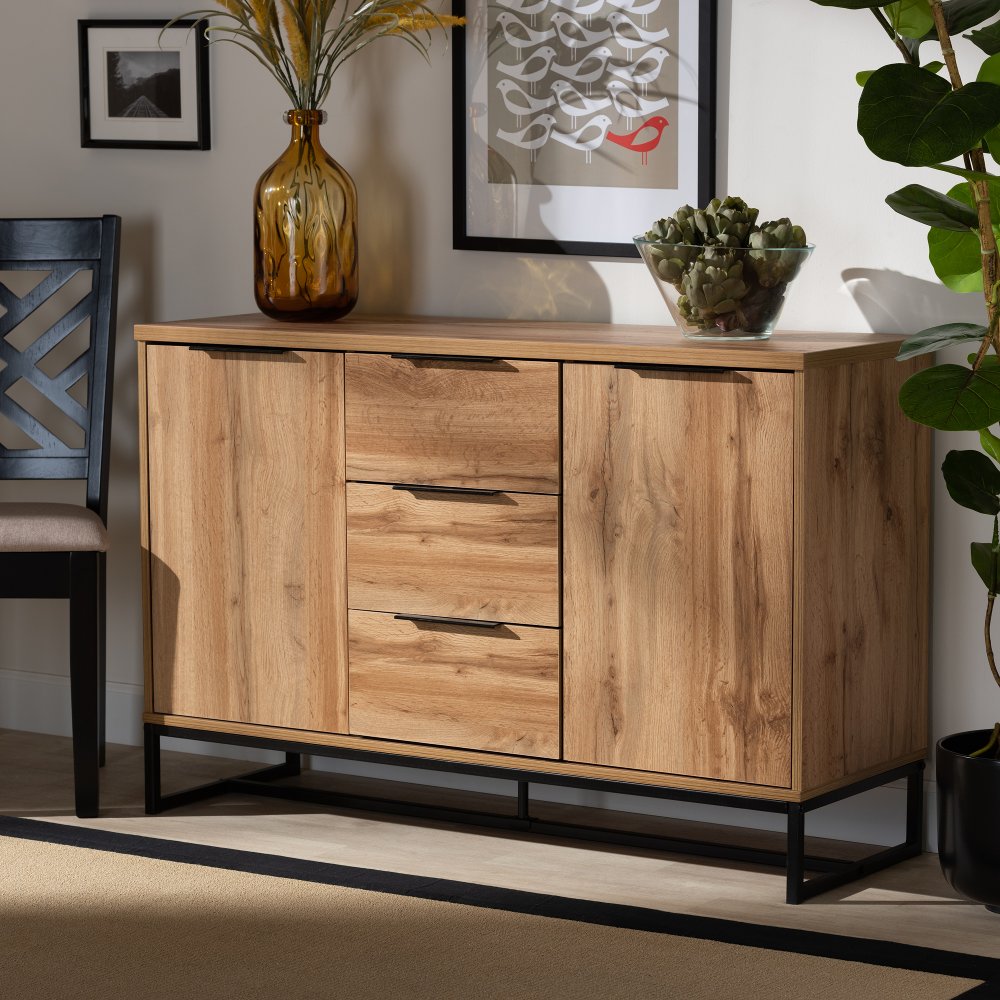
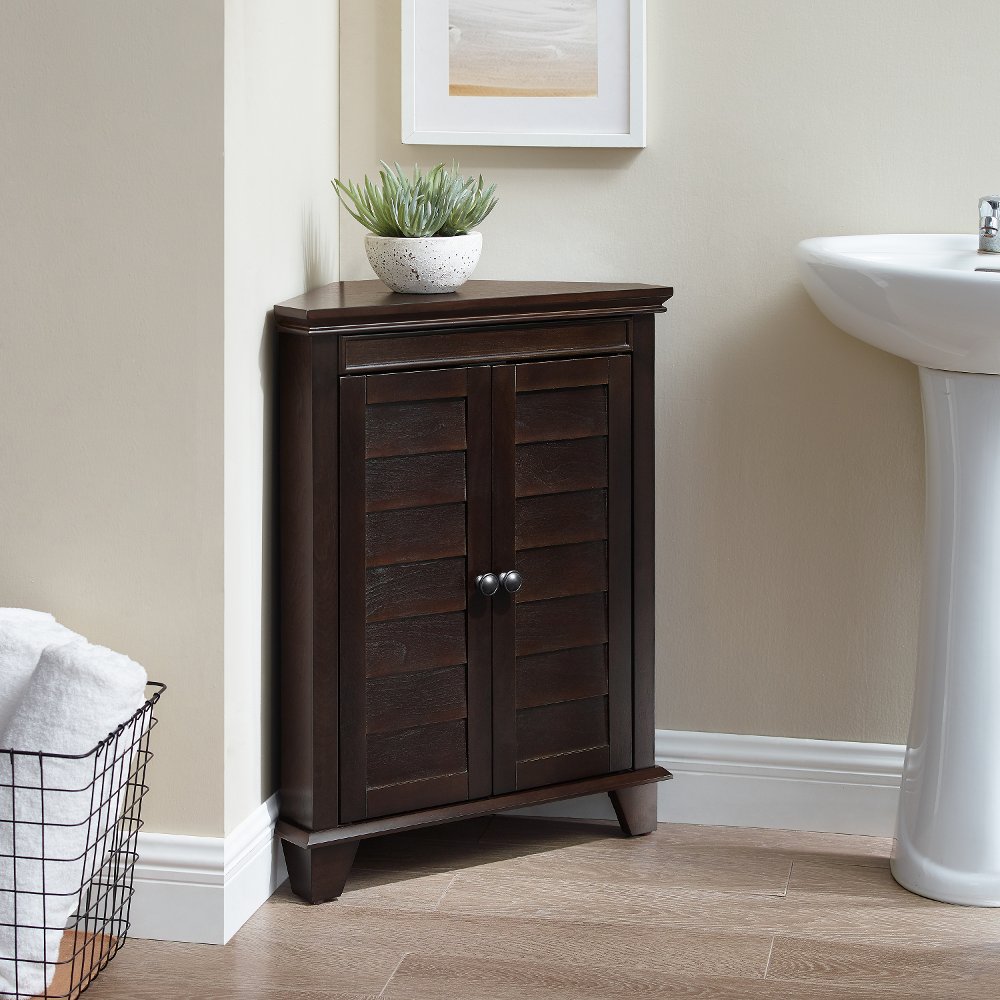
Ready-to-assemble cabinets bring enclosed storage to the places where everyday clutter tends to collect, from kitchen counters to laundry room shelves. Often called RTA cabinets, they arrive as components that need assembly rather than as completed cabinet boxes. Depending on the design, those components may include side panels, a back, shelves, doors, drawers, and connecting hardware. The appeal is practical: you can choose storage around the way you actually use a room, whether that means keeping cookware close to the stove, gathering cleaning supplies behind a door, or giving paperwork a home outside the dining table. Base cabinets provide lower storage and, when designed for that purpose, support a countertop. Wall cabinets make use of vertical space, while tall pantry cabinets can accommodate groceries, serving pieces, or household supplies. Freestanding storage cabinets serve a different role from built-in kitchen cabinetry, so intended use matters as much as appearance. A cabinet meant for light office supplies isn’t automatically suitable for heavy cookware or a countertop installation. For a room with several storage zones, exploring Cabinet Systems can help you think about how individual sections relate to the whole layout. Consistent cabinet heights, complementary finishes, and doors that open without colliding make a space feel more settled and easier to use. In a compact kitchen, shallow storage can keep smaller essentials visible instead of buried behind larger containers. In a laundry area, an enclosed cabinet can keep detergent and spare towels together without leaving everything on display. Homeowners planning a room refresh, people furnishing a first home, and households adapting to changing storage needs may all appreciate the flexibility of assembly cabinets. The best fit starts with the things you need to put away and the space you need to move comfortably around them.
Materials and construction influence how assembly cabinets look, feel, and hold up to daily routines. Solid wood may appear in doors, face frames, or other components, while plywood, medium-density fiberboard, and particleboard are also used in cabinet construction. A cabinet can combine several materials, each serving a different purpose. Plywood uses bonded wood layers; medium-density fiberboard offers a smooth, consistent surface often suited to painted finishes; and particleboard commonly serves as a core beneath laminate or other coverings. Material names alone don’t tell the whole story. Panel thickness, sound connections, protected edges, shelf supports, and appropriate hardware all contribute to dependable storage. Published shelf and drawer weight limits are especially important when you’re storing dishes, small appliances, or stacks of paper. A long shelf filled with dinner plates carries a very different load from one holding folded napkins. Finishes deserve similar attention. Wood-grain surfaces add visual texture, painted doors create a more uniform look, and laminate coverings can offer a practical, wipeable surface when cared for as directed. For a cohesive room, compare cabinet finishes with flooring, counters, and nearby furniture rather than expecting every surface to match exactly. Door profiles also change the effect: simple slab fronts feel streamlined, while framed doors add definition. Behind those fronts, adjustable shelves can make room for a tall cereal container or a stack of serving bowls, and drawers can bring smaller essentials into view. Soft-close hinges and drawer slides, when included, help control movement, but their performance depends on correct assembly and adjustment. Fit includes more than the cabinet’s outside measurements. Door swings, drawer extension, baseboards, outlets, plumbing, and appliance clearances all affect placement. A pantry door that opens into a walkway or a drawer that catches an adjacent handle can make otherwise useful storage frustrating. Accurate measurements and attention to finished end panels, fillers, and installation requirements help the final arrangement look intentional.
Assembly requirements vary by cabinet design, so the manufacturer’s instructions should determine the tools, fasteners, and assembly method. Common tools may include a tape measure, screwdriver, level, rubber mallet, and clamps, while some designs call for a drill with the appropriate bit. Wood glue belongs only where the instructions specify it; not every connection uses adhesive, and not every cabinet uses the same joinery. Many ready-to-assemble kitchen cabinets have panels that fit into grooves or connect with cams, screws, clips, or brackets. Their strength depends on fully seated connections and a square cabinet box, not simply on tightening every fastener as much as possible. Excessive force can damage an engineered-wood panel or strip a connection. A clean, protected work surface helps prevent scratches on door faces and finished edges, and enough floor space makes it easier to identify parts without stacking them where they might fall. Depending on the design, the cabinet box is assembled before hinges, doors, drawer slides, and drawers are fitted and adjusted. Keeping the box square helps doors align and drawers travel smoothly. Assembly and installation are separate considerations: putting a cabinet together doesn’t necessarily prepare it for safe wall mounting or countertop support. Wall cabinets require appropriate attachment to structural support, and freestanding cabinets may require anti-tip restraints. Qualified installation is worth considering for wall-mounted cabinetry, uneven floors, or layouts involving plumbing, electrical work, and heavy countertops. Once cabinets are in place, straightforward care helps preserve their finish and function. A soft cloth and a cleaner approved for the surface are generally better choices than abrasive pads or harsh chemicals. Wipe spills promptly, keep standing water away from seams and exposed edges, and avoid hanging damp towels over cabinet doors. Hinges and drawer hardware may need occasional adjustment according to the manufacturer’s directions. With the right dimensions, suitable construction, and careful assembly, cabinets can make familiar tasks easier: finding the serving dish before dinner, reaching a clean towel, or clearing the counter without moving clutter somewhere else.
Read More