Backyard decorating ideas can help turn an outdoor area into a comfortable extension of your home, whether you’re working with a wide lawn, a compact patio, a covered balcony, or a narrow strip beside the garage. The most inviting spaces usually come together in layers: a place to sit, a surface that defines the area, lighting that adds a gentle glow, and greenery or decorative accents that bring color and life. An outdoor area rug can anchor a dining set or conversation space while adding softness underfoot, and weather-resistant cushions and pillows make seating feel more like an indoor room. Look for materials designed to handle changing outdoor conditions, including fade-resistant fabrics, easy-clean surfaces, rust-resistant hardware, and finishes that can stand up to sun and moisture. A simple seating arrangement can create a natural gathering point, while a pair of chairs tucked into a quiet corner makes a pleasant spot for morning coffee, reading, or catching up with a friend. During the cooler months, movable pieces are especially useful because you can shift seating closer to a covered area, bring textiles indoors, or rearrange the space around a sheltered wall. If you’re decorating for someone else, outdoor accents can make thoughtful gifts for new homeowners, hosts, gardeners, families with larger yards, or anyone who enjoys spending time outside. Choosing flexible colors and practical materials makes the gift easier to coordinate with an existing home, while a decorative piece with a little personality can add the finishing touch to a space that already has its essentials.
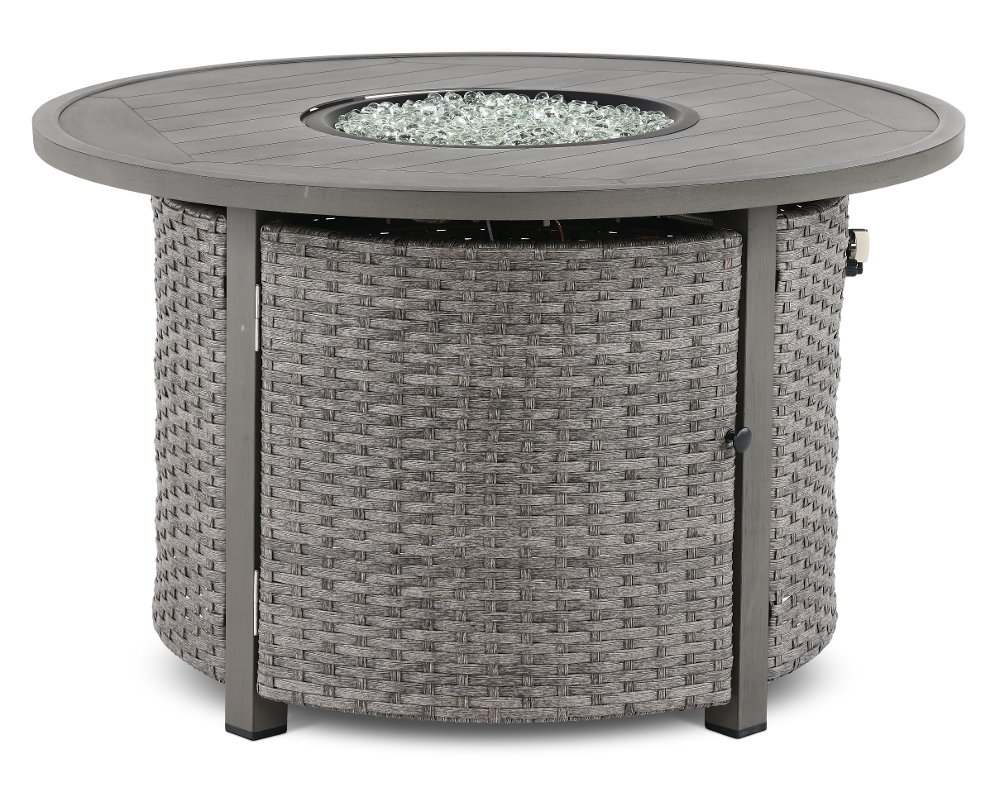
Lighting can change the mood of a backyard from bright and functional to warm and welcoming as daylight fades. String lights can be draped along a fence, hung above a seating area, wrapped around a pergola, or arranged across a covered patio to create a soft canopy of light. Solar-powered path lighting can guide guests along walkways and highlight planting beds, while tabletop lighting can brighten a dining surface or add a cozy glow to a conversation area without overpowering the view. Before choosing lighting, consider where outlets are located, whether the area is covered, and how much exposure the fixtures will have to wind, rain, dust, and temperature changes. Outdoor-rated construction and secure mounting help keep the setup dependable, and cables should be positioned where they won’t become a tripping hazard. Daytime comfort matters just as much as evening atmosphere. A patio umbrella can provide shade over a dining table, lounge chairs, or a children’s activity area, helping everyone enjoy the yard when the sun is strong. Choose the canopy size based on the furniture beneath it, and allow enough room for the base and for people to move comfortably around the shaded area. Decorative screens, curtains made for outdoor use, and strategically placed planters can add privacy while also dividing a larger yard into purposeful zones. These zones might include a place for meals, a relaxed conversation nook, a play area, or a quiet corner surrounded by greenery. A fire feature can serve as a natural focal point when the air turns crisp, giving guests a reason to gather close and extending the use of the backyard into cooler evenings. Always follow the manufacturer’s clearance, fuel, ventilation, and surface requirements, and keep flames well away from furniture, fencing, overhanging branches, and other combustible materials.
Plants and containers bring height, texture, and color to backyard decorating without requiring a permanent landscaping project. Large planters can frame a doorway, define the edge of a patio, or create a visual border between a dining area and the rest of the yard. Smaller containers work well on steps, tabletops, shelves, and balcony corners, especially when an outdoor space has little or no in-ground planting area. When selecting containers, think about weight, drainage, stability, and exposure to weather. Lightweight materials are easier to move when you want to refresh the layout, while heavier bases may be better for open areas that receive strong wind. Grouping planters in varied heights creates a more natural, layered look; repeating one color or finish throughout the arrangement keeps it from feeling scattered. Trellises, wall-mounted displays, and vertical planters can add greenery to fences and narrow spaces while making use of walls that might otherwise go unnoticed. Choose plants according to the available sunlight and the amount of care you can comfortably provide, then leave room for growth so the arrangement continues to look balanced. A few practical details also make outdoor decorating more enjoyable: measure doorways and pathways before purchasing larger pieces, check that furniture leaves enough room for people to walk around it, and consider where cushions, rugs, and decorative items will go when weather changes. Pieces that fold, stack, roll, or serve more than one purpose are helpful in smaller yards and easy to store during the cooler months. For more ways to make an outdoor space useful for relaxing, gathering, and everyday enjoyment, explore Backyard Fun. With thoughtful placement and durable materials, even a modest backyard can feel welcoming from the first cup of coffee in the morning through a softly lit evening with family and friends.
Read More