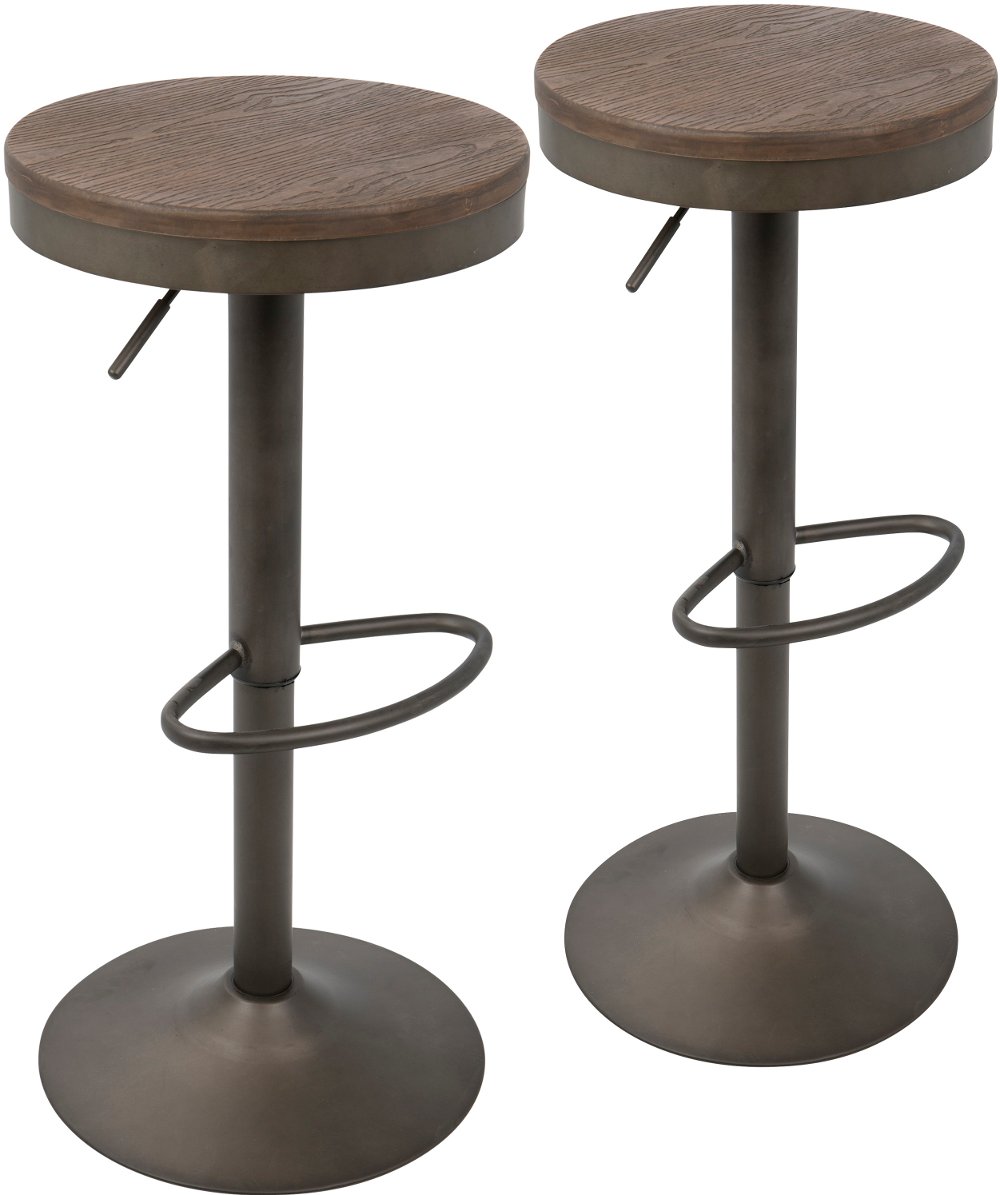
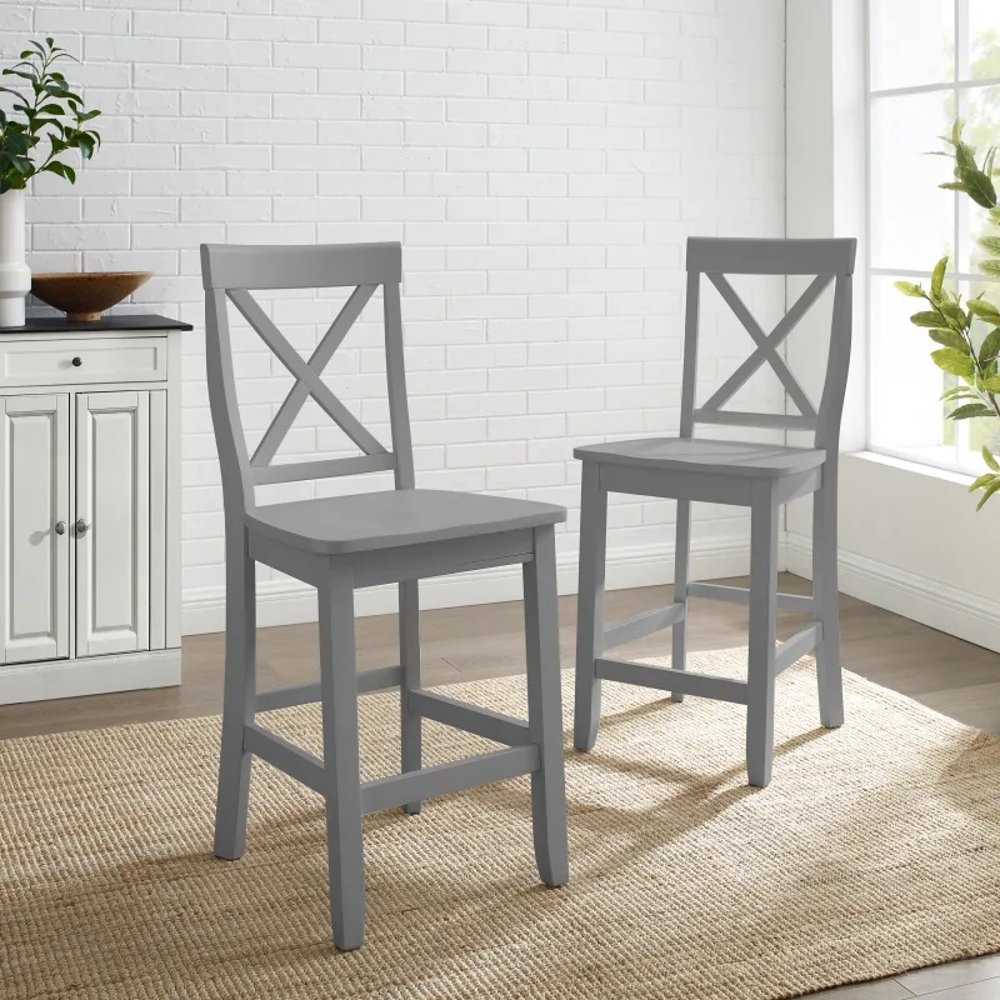
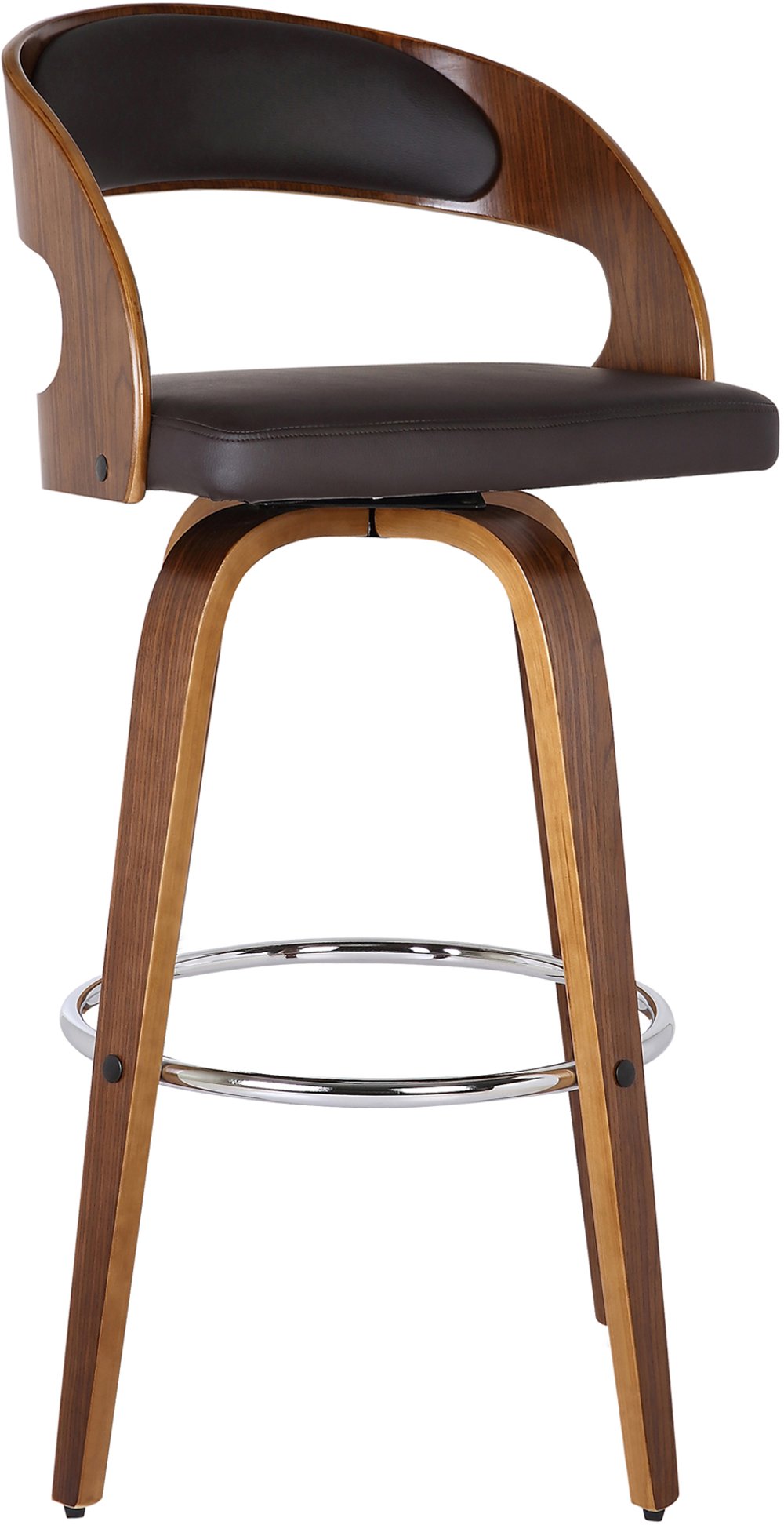
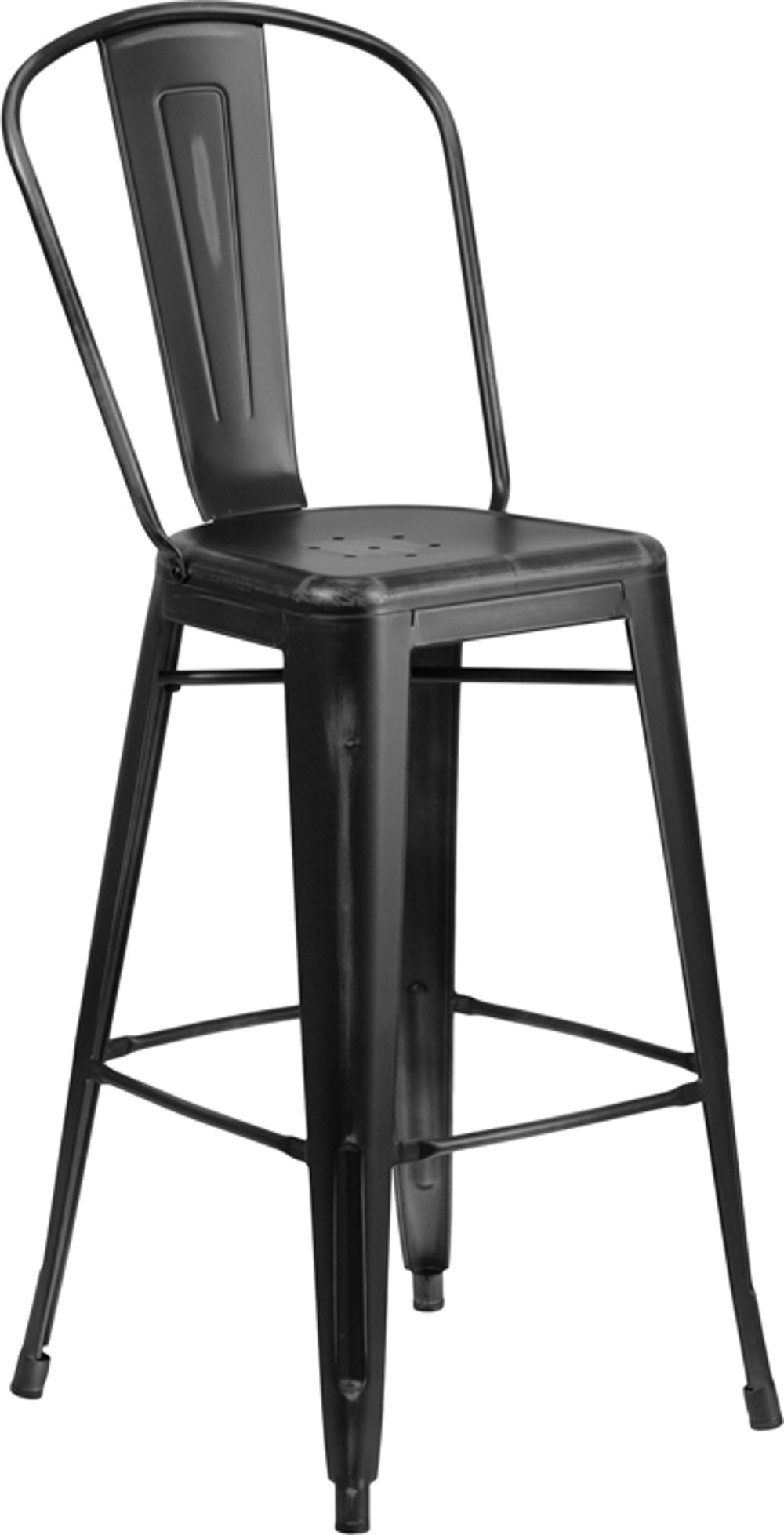
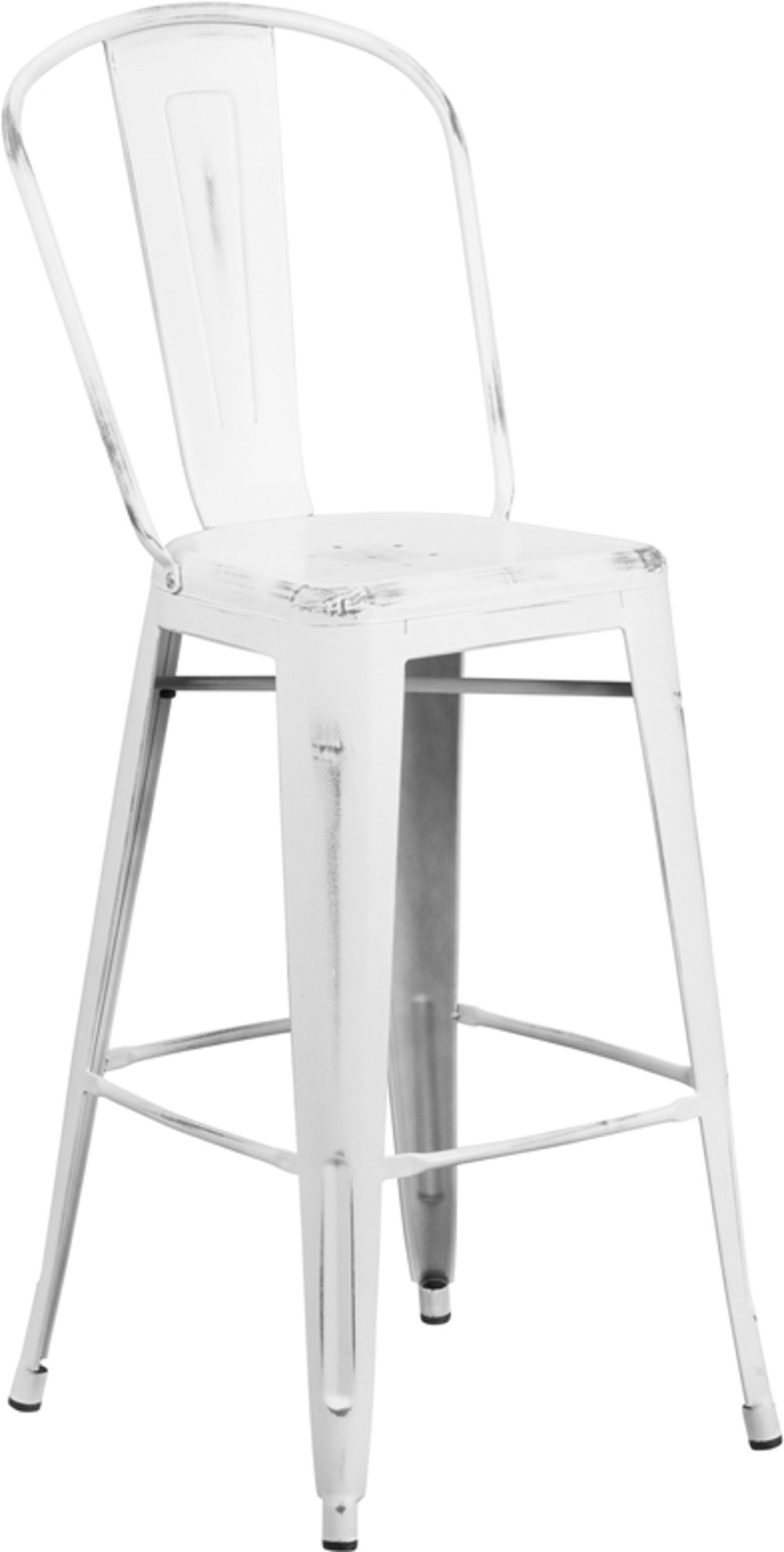
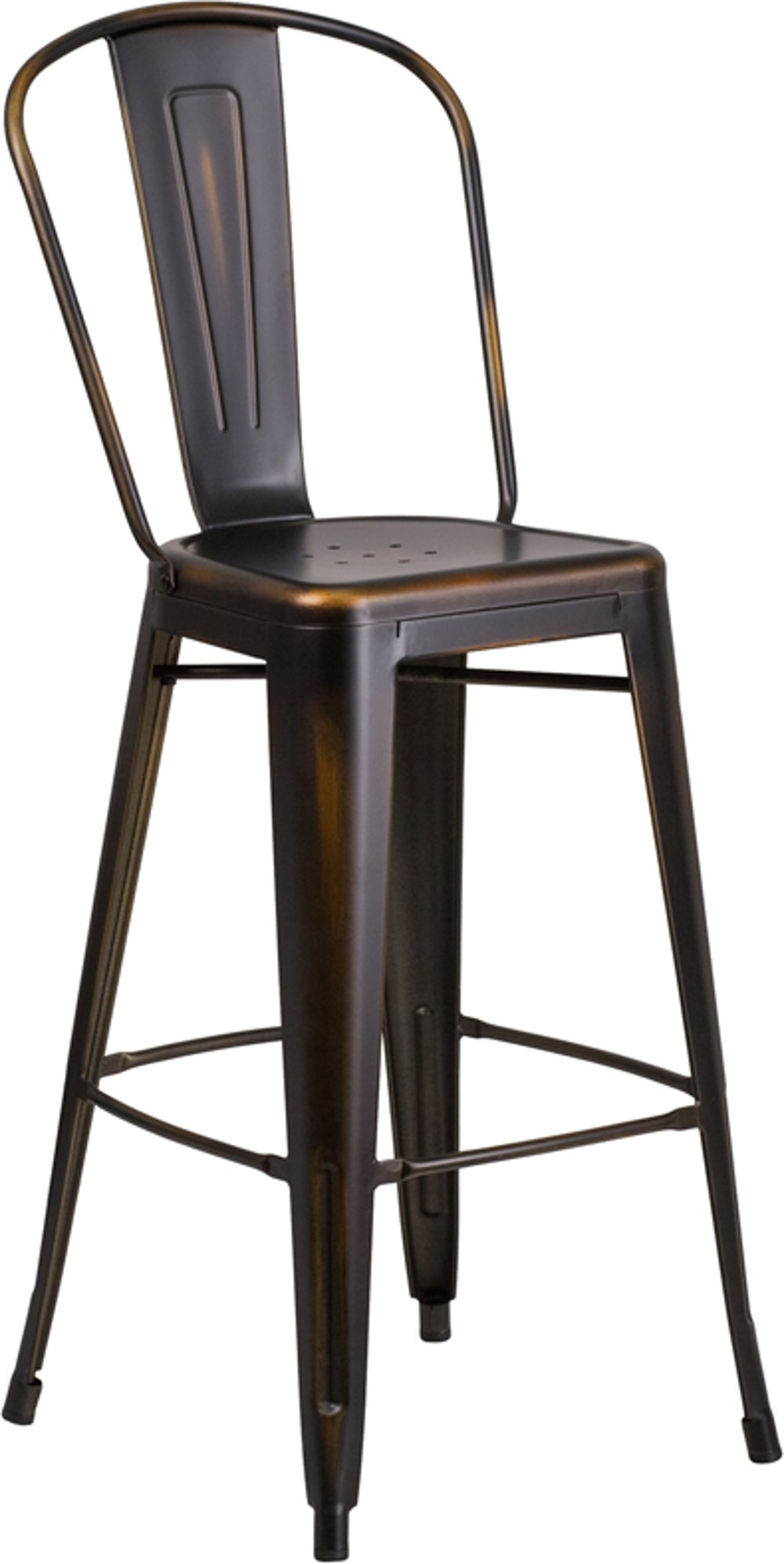
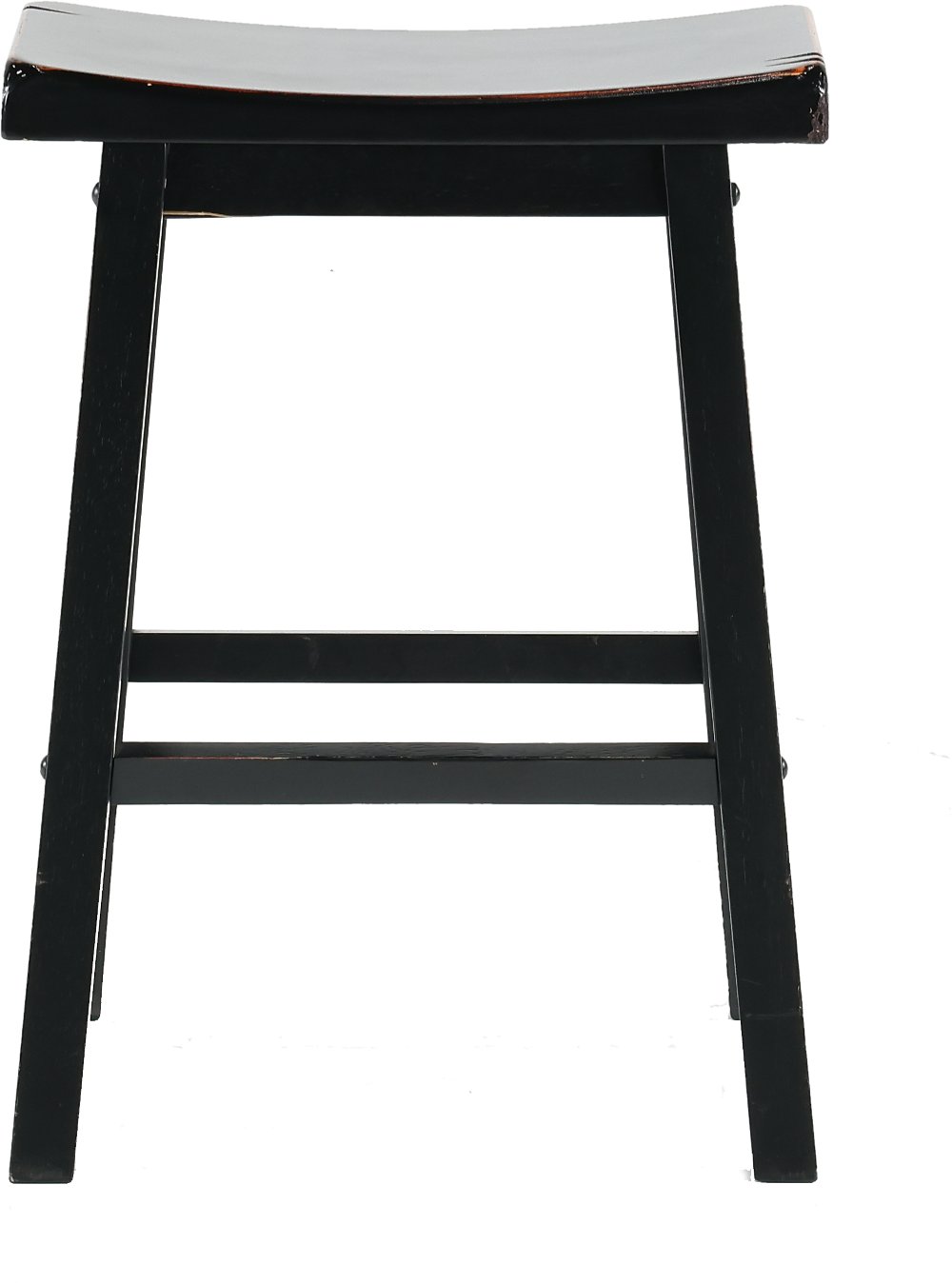
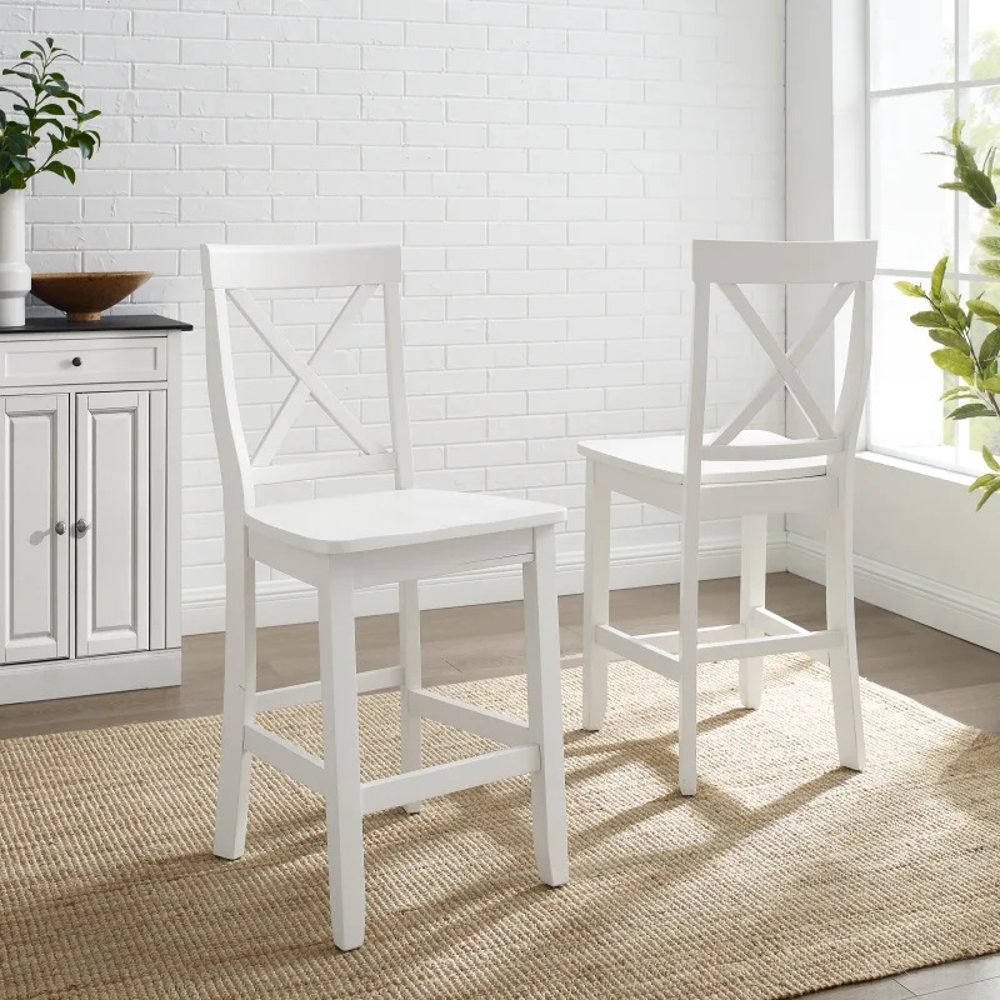
Bar sets with stools bring a coordinated table and elevated seating together, creating a comfortable spot for quick meals, conversation, and everyday downtime. They work especially well in breakfast nooks, apartment dining areas, open living spaces, and recreation rooms where a full dining table may feel too large. A narrow rectangular set can turn an unused stretch of wall into a place for coffee and toast, while a square or round table can give friends room to gather over snacks and a board game. The distinction between counter height and bar height matters more than the name alone. Counter-height tables typically stand 34 to 36 inches tall and pair with stools that have seat heights of about 24 to 26 inches. Bar-height tables typically stand 40 to 42 inches tall and pair with stools that have seat heights of about 28 to 30 inches. A comfortable pairing generally leaves 10 to 12 inches between the top of the seat and the underside of the tabletop, though an apron or drawer beneath the surface can reduce usable legroom. Matching sets simplify coordination, but actual measurements still determine how comfortably everyone sits. Table width, stool width, and the placement of the legs all affect fit. About 24 inches of table edge per person is a useful starting point, with extra space helpful for broad seats, arms, or swivel movement. Backless stools that slide beneath the table can keep a compact eating area feeling open, provided the table’s supports leave enough room to tuck them in. Stools with backs take up more visual and physical space, but they offer support for longer meals. Around the set, leave room to pull out a seat and move past someone who’s seated. In a busy kitchen, that means considering the route to the refrigerator, nearby cabinet doors, and the path between rooms, not just the empty floor beneath the table. A set should make that everyday movement feel easier, not turn breakfast into a shuffle around furniture.
Materials shape both the appearance of bar table sets and the attention they need over time. Solid wood brings natural grain and character, with variations that make a dining corner feel warm and lived in. It can also respond to changes in indoor humidity, so steady indoor conditions and care suited to the finish help protect its appearance. Wood veneers offer a real-wood surface over a supporting core, often creating a consistent look across the tabletop and seats; durability depends on the construction, finish, and treatment of the edges. Metal frames can lend a clean, streamlined profile or a more industrial feel, while footrests and crossbars provide convenient places to rest feet during a meal. Their placement deserves attention because a low or awkwardly positioned rail can make even a well-matched seat height feel uncomfortable. Glass tops keep sightlines open and show the base beneath, though fingerprints and smudges tend to be more noticeable. Laminate surfaces can be practical for everyday dining, but heat and moisture resistance vary, so the care instructions remain the best reference. Coasters, placemats, and trivets help protect surfaces from drink rings, scratches, and hot dishes. Spills are best wiped up promptly with a soft cloth, and cleaning products should suit the specific material rather than promise a single solution for every surface. Seating materials matter just as much. Upholstered stools add softness and texture, making them inviting for a leisurely breakfast or a conversation that stretches beyond dinner. Easy-clean upholstery can be helpful in a family eating area, although no fabric is completely maintenance-free. Wood or molded seats offer a simpler surface to wipe down after crumbs and small spills. For lasting comfort, look beyond cushioning to the seat’s shape, back support, footrest height, and overall stability. Secure joints, level contact with the floor, and hardware tightened according to the manufacturer’s directions all contribute to dependable daily use. Protective floor pads can also help reduce scuffs as stools move in and out.
The best bar sets with stools feel connected to the way a room already works. In a small apartment, a two-seat arrangement can serve as the main dining space without taking over the living area. In a larger home, a gathering-height table can create a second destination for casual meals, puzzles, or catching up while dinner cooks. A rectangular table placed near the kitchen keeps serving convenient, while a round tabletop encourages conversation without assigning anyone a head-of-the-table position. Base design changes the experience, too: a pedestal can free up space around the perimeter, while corner legs and stretchers define where each stool fits. For an open floor plan, finishes that relate to nearby cabinets, flooring, or shelving help the set feel intentional without requiring every piece to match. A wood top with a dark metal base can bridge warm and modern elements, while a lighter finish and slim silhouette can keep a compact room visually uncluttered. Behind a sofa, a narrow table creates a useful perch for a snack or a laptop while keeping the main seating area available; Sofa Bar Tables With Stools are especially relevant to that layout. Check the sofa’s back height, the table’s depth, and the space needed to reach each seat so the arrangement feels comfortable from both sides. Built-in shelves or storage beneath a table can hold napkins, placemats, or serving pieces, but those features should leave sufficient room for knees and feet. Swivel stools can make it easier to turn toward a conversation, while stationary seats offer a straightforward arrangement for everyday meals. Elevated seating is often a comfortable fit for adults and older children; households with younger children or anyone who finds climbing onto a stool difficult may prefer lower seating elsewhere. With the right proportions and supportive seats, a bar set becomes a natural place to pause, eat, and spend time together.
Read More