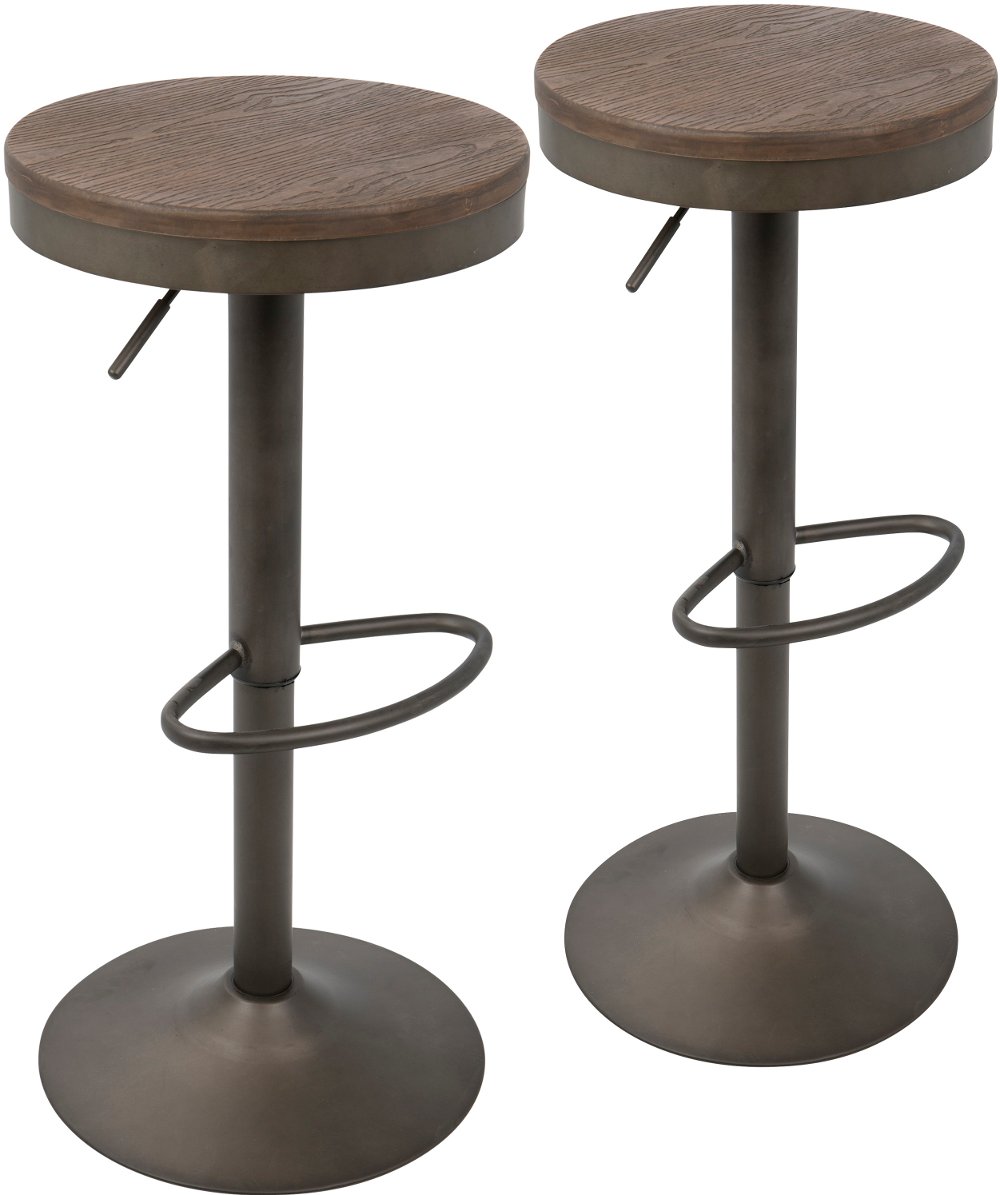
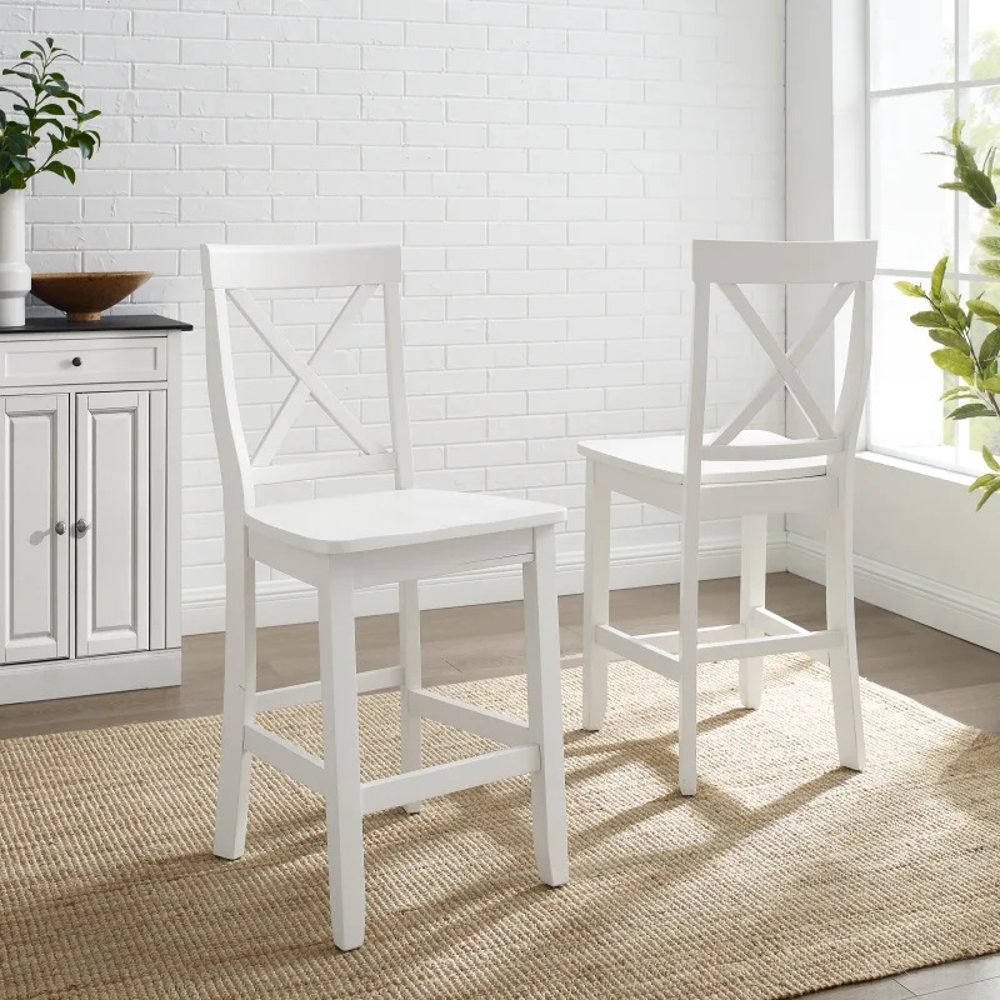
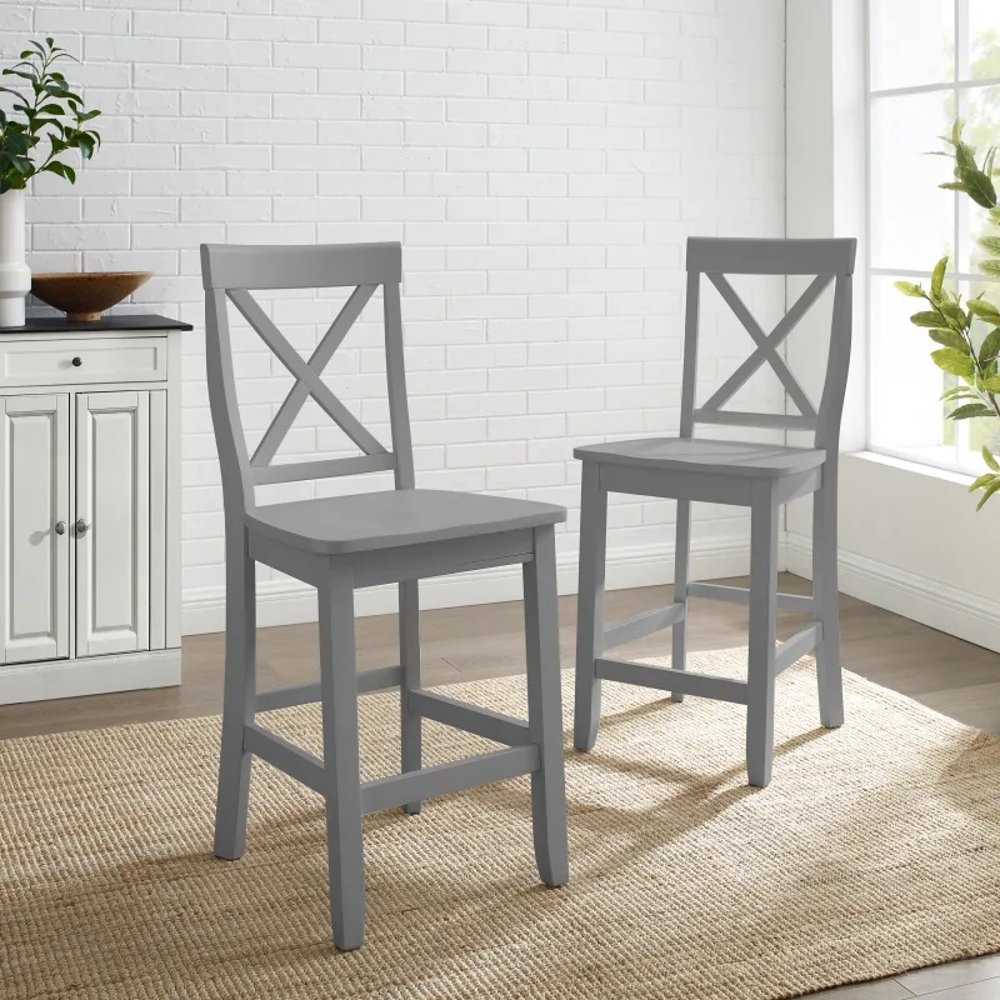
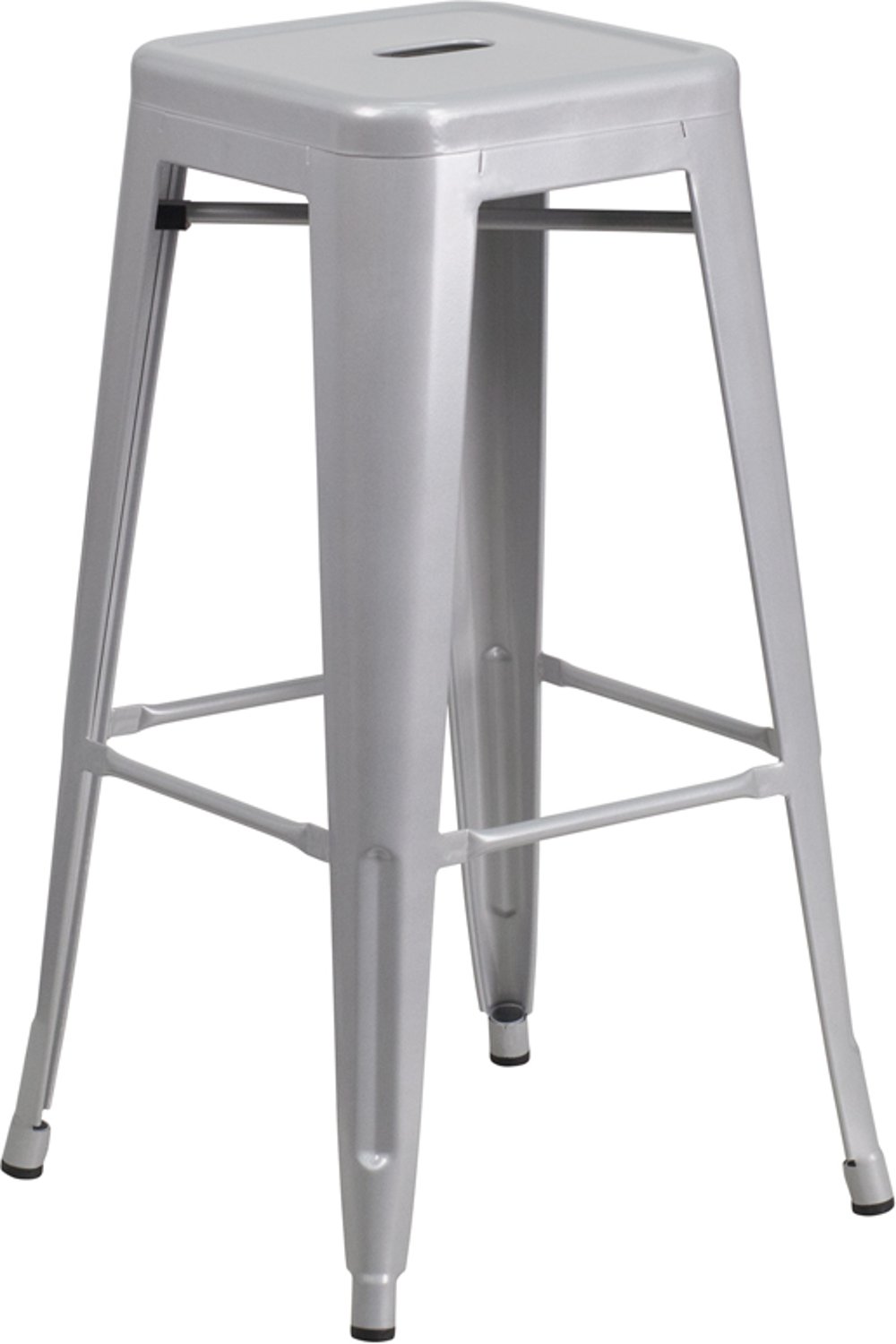
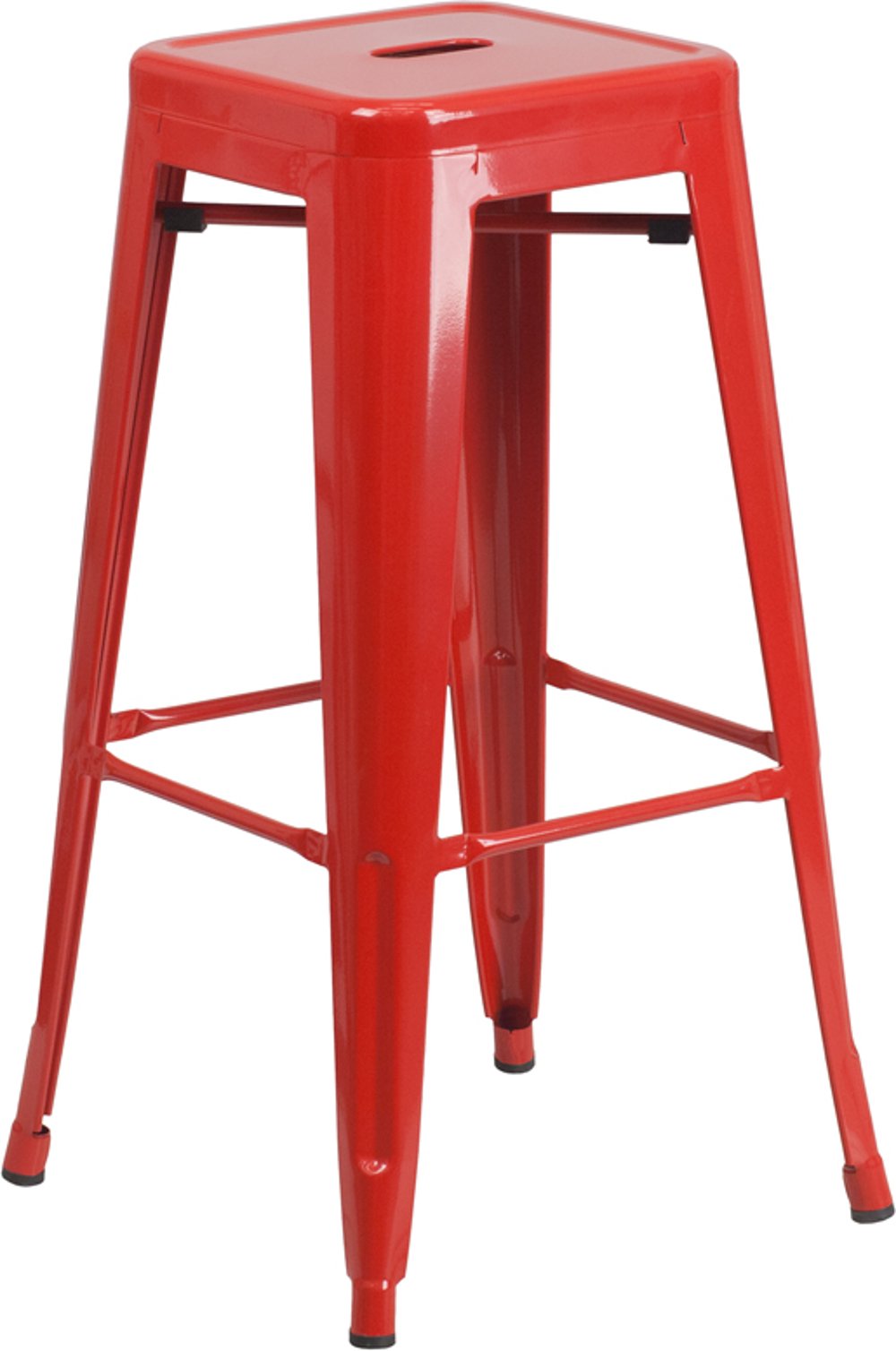
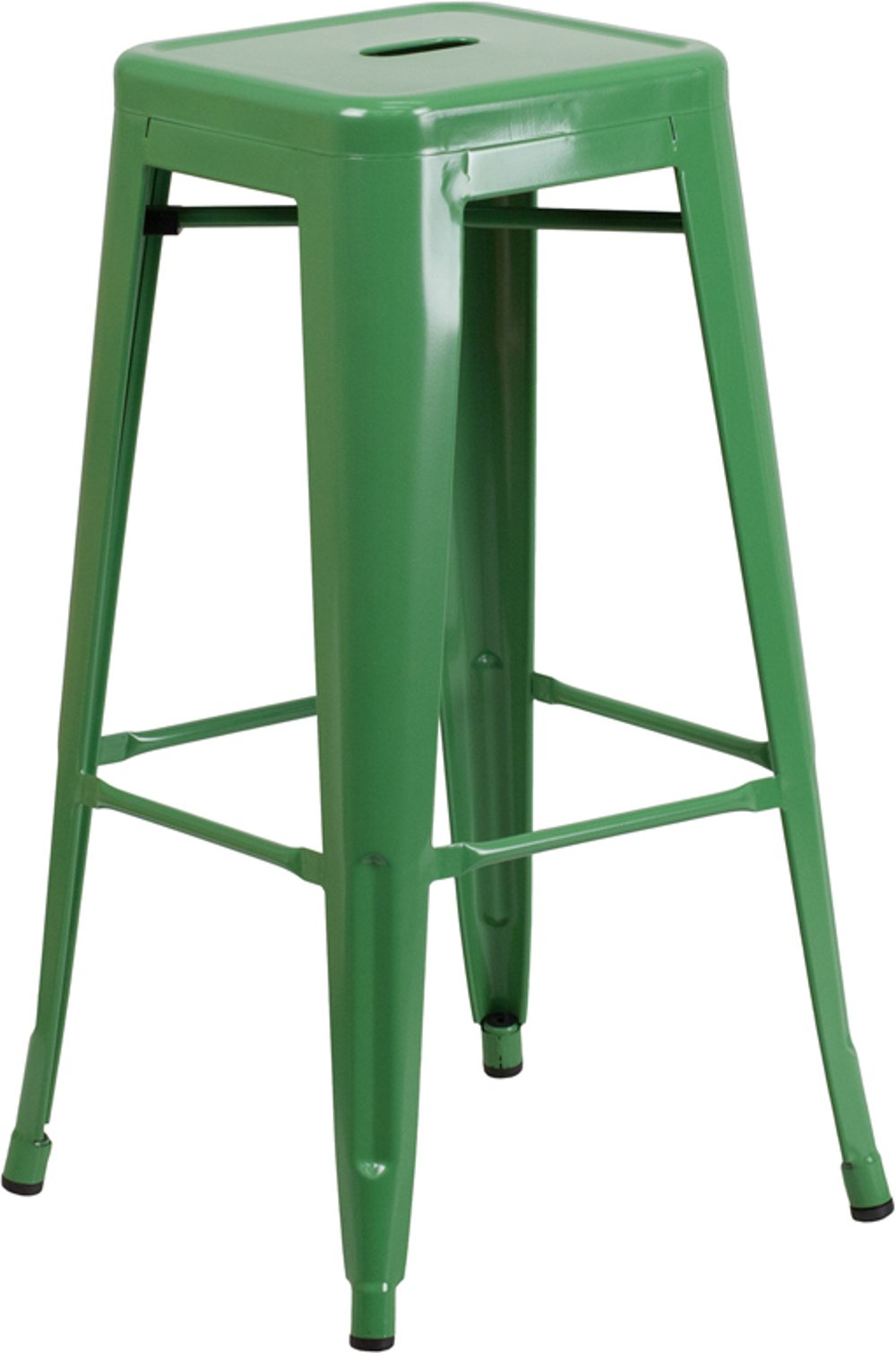
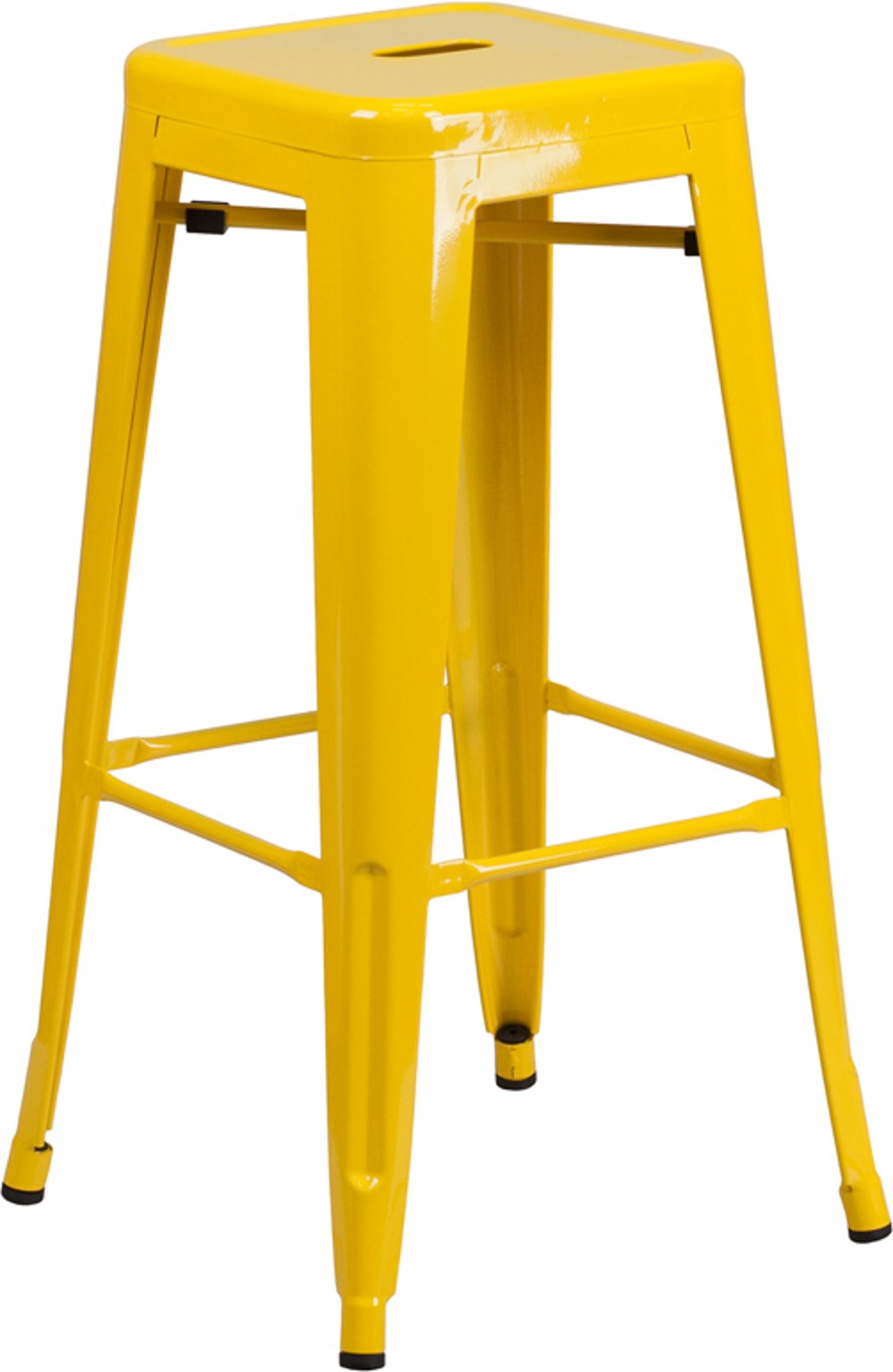
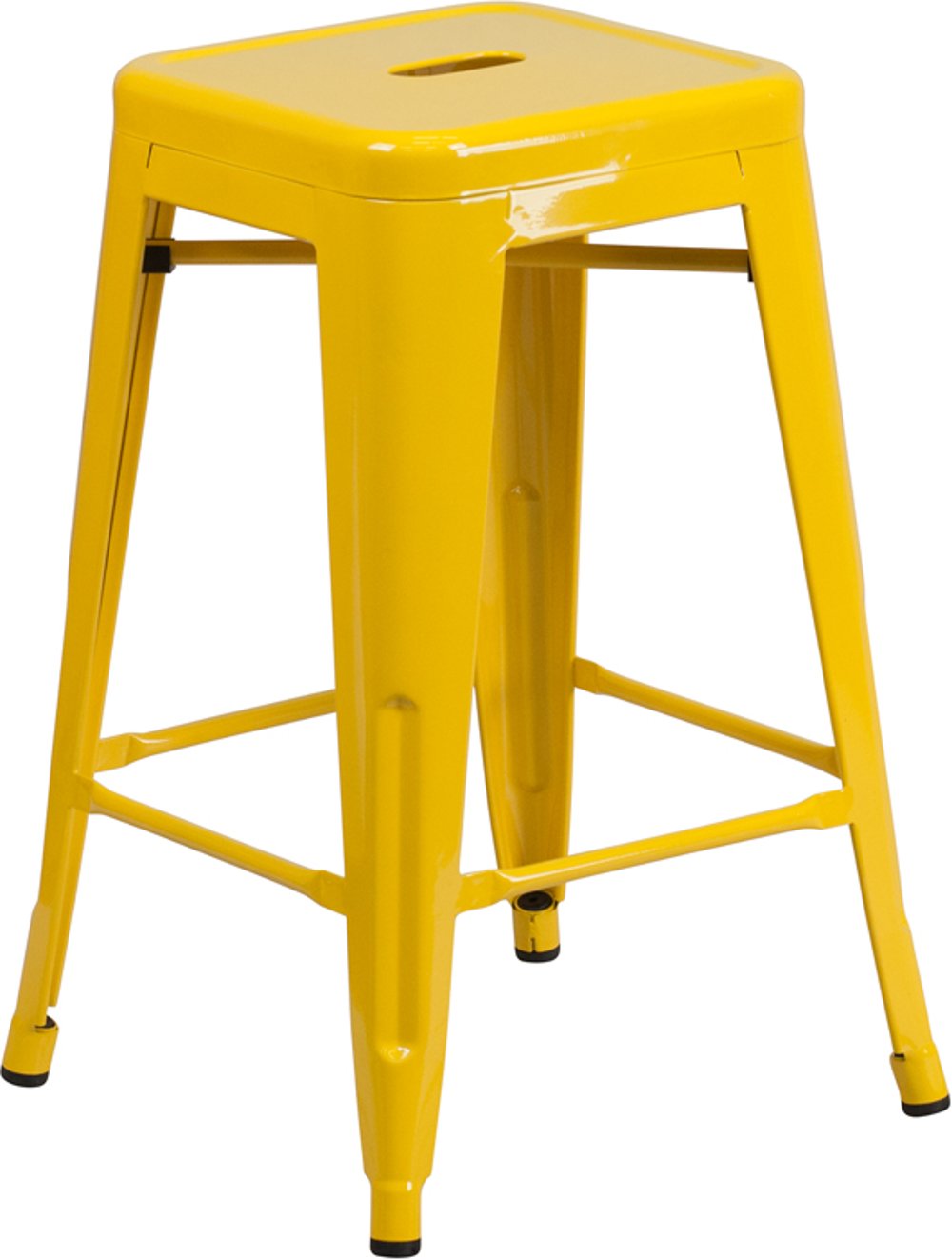
Barstool sets bring coordinated seating to kitchen islands, breakfast counters, home bars, and tall gathering tables, giving everyday routines a comfortable place to land. A matching set helps a row of seats feel intentional, whether your space centers on quick breakfasts, conversation while dinner comes together, or a relaxed evening with friends. The most important distinction is seat height: counter-height stools generally have seats about 24 to 26 inches from the floor and suit surfaces around 35 to 36 inches high, while bar-height stools typically have seats about 28 to 30 inches high for surfaces around 40 to 42 inches. Product names alone don’t confirm the fit, so compare actual measurements with your counter or table. As a starting point, allow roughly 10 to 12 inches between the seat and the underside of the surface, accounting for thick countertops, support rails, or decorative aprons that reduce knee room. Adjustable-height barstools can accommodate different seating preferences within their stated adjustment range, but the lowest and highest settings still need to suit your space. Set size matters just as much as height. A set of two can create a compact breakfast spot, while sets of three, four, or more can bring consistency to a longer counter or dedicated entertaining area. For a useful spacing estimate, plan about 24 to 30 inches of counter length per stool, then check the actual seat width and allow additional clearance for arms or swiveling. A wide upholstered seat takes up more room than a narrow backless stool, even when both have the same seat height. Measure the usable seating area rather than the full countertop, since cabinets, legs, and corners can limit where someone can sit comfortably. For seating centered on meal preparation and casual dining, Kitchen Stool Sets offer a closely related category to consider. The goal is a balanced arrangement where everyone has elbow room and a clear path in and out.
The right barstool set should feel at home beside the finishes you already enjoy, without needing to match every cabinet pull or table leg. Wood frames add visible grain and warmth, with lighter finishes lending an easygoing feel and deeper tones giving a home bar a more traditional presence. Natural grain variation can keep matching stools from looking completely identical, while painted wood creates a more uniform appearance. Metal frames can look slim and understated or substantial and industrial, depending on their shape, finish, and construction. In an open kitchen, repeating a metal tone from nearby lighting can connect the seating to the rest of the room without making the space feel overly coordinated. Upholstered barstools soften the view and add cushioning for longer conversations, homework sessions, or a leisurely meal. Woven fabric brings texture, leather develops character with use, and faux leather offers a similar smooth look with its own care requirements. No upholstery material is automatically stainproof or maintenance-free; check the stated care instructions and any performance claims before deciding what suits your household. For a counter where drinks and snacks make frequent appearances, a seat with fewer seams and an accessible frame can simplify cleanup. Woven seats or backs add texture but may need extra attention where crumbs collect. Comfort also depends on the shape beneath the finish. A contoured wood seat can feel more accommodating than a flat one, while a padded seat needs enough support to keep sitting comfortable over time. Backrests provide a place to lean during longer visits, and footrests help keep feet supported at an elevated counter. Arms add another point of support, but their height may prevent stools from sliding beneath the countertop. Backless barstool sets preserve open sightlines and often tuck away more neatly, making them useful near a busy walkway. Low-back designs offer a middle ground, adding some support without creating a tall visual barrier between the kitchen and adjoining living space.
Daily use is where the smaller construction details become important. A well-built barstool needs stable footing, secure joints, and a frame designed for the user’s weight; wood or metal alone doesn’t determine durability. Check the stated weight capacity for each stool, follow assembly directions carefully, and inspect fasteners periodically as part of routine care. Swivel barstools make it easier to turn toward a conversation or step away from a counter without dragging the entire seat across the floor. They also need clearance so the back or arms won’t strike nearby cabinetry, walls, or neighboring stools. A stationary design may suit a tight arrangement better, especially where moving parts would add an unnecessary complication. If children use the seating, choose a suitable height and stable design, supervise climbing, and remember that a tall stool isn’t a substitute for age-appropriate child seating. For anyone who finds elevated seating difficult to access, an ordinary dining chair may be the more comfortable choice. Floor protection deserves attention, too. Use manufacturer-recommended glides or pads suited to your flooring, and replace worn protectors before exposed hardware or rough edges leave marks. Blot spills promptly, wipe hard surfaces with an appropriate soft cloth, and avoid soaking wood, upholstery, or woven components. Follow the care label for fabric cleaning, and use only suitable cleaners on leather or faux leather rather than assuming an all-purpose spray is safe. Indoor barstool sets should stay indoors unless their materials and construction are specifically rated for outdoor use. Think about how each seat will work through a normal day: a tucked-away stool for morning coffee, a supportive perch for someone chopping vegetables, or a comfortable place for guests to linger while the table is set. Those habits help determine whether compact proportions, cushioning, swivel movement, or back support deserves priority. With the right dimensions and thoughtful details, a coordinated set makes your counter feel less like a pass-through and more like a place people naturally gather.
Read More