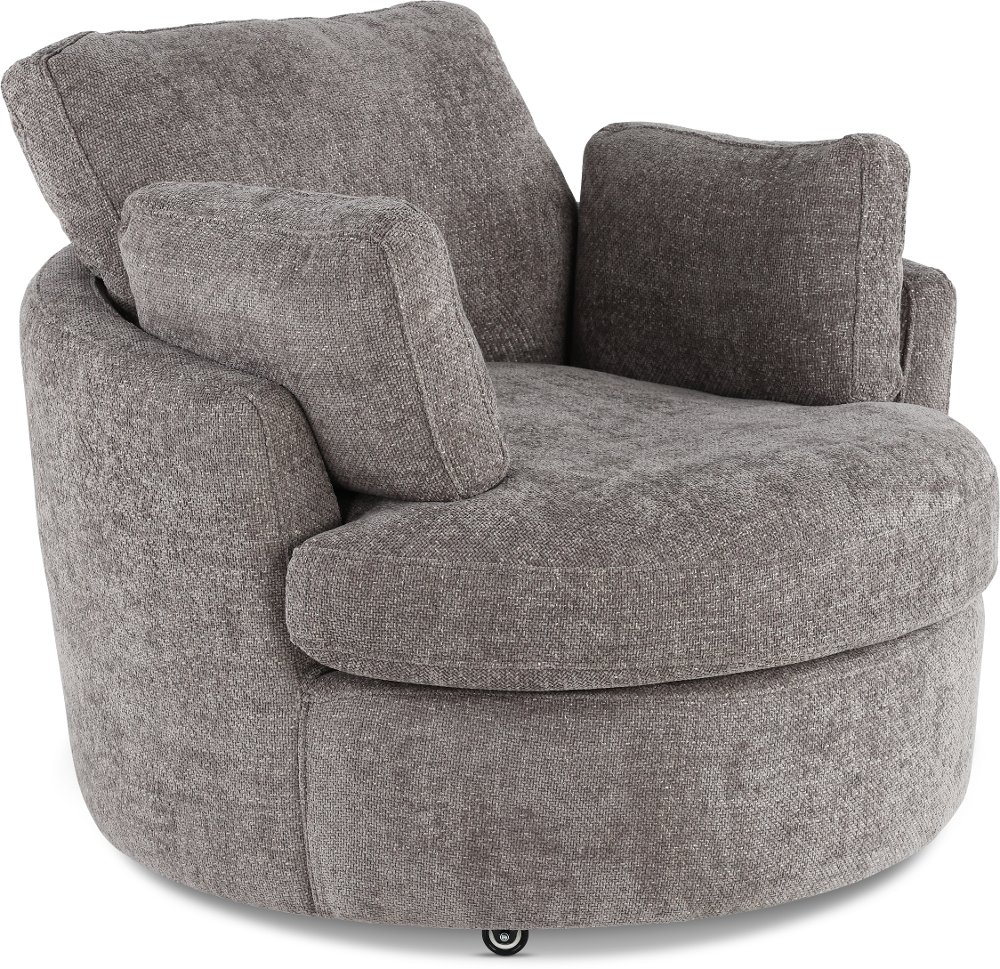
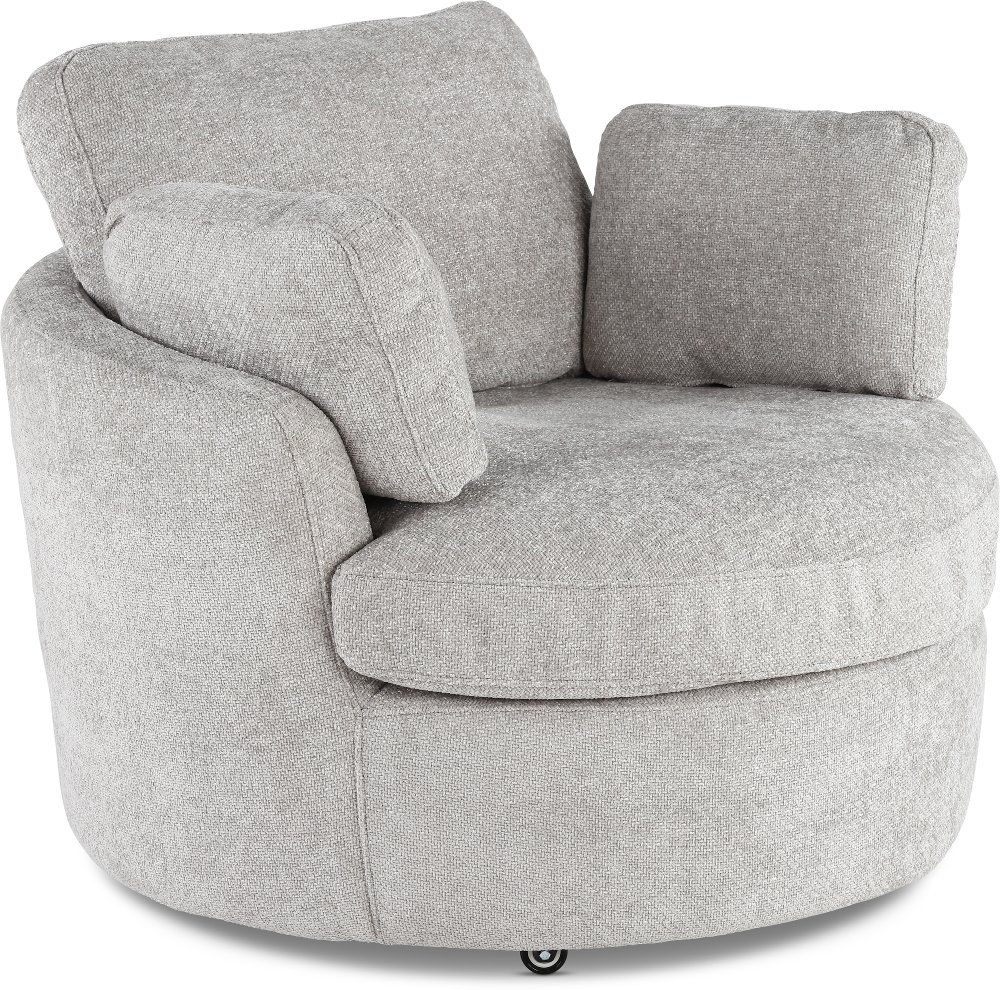
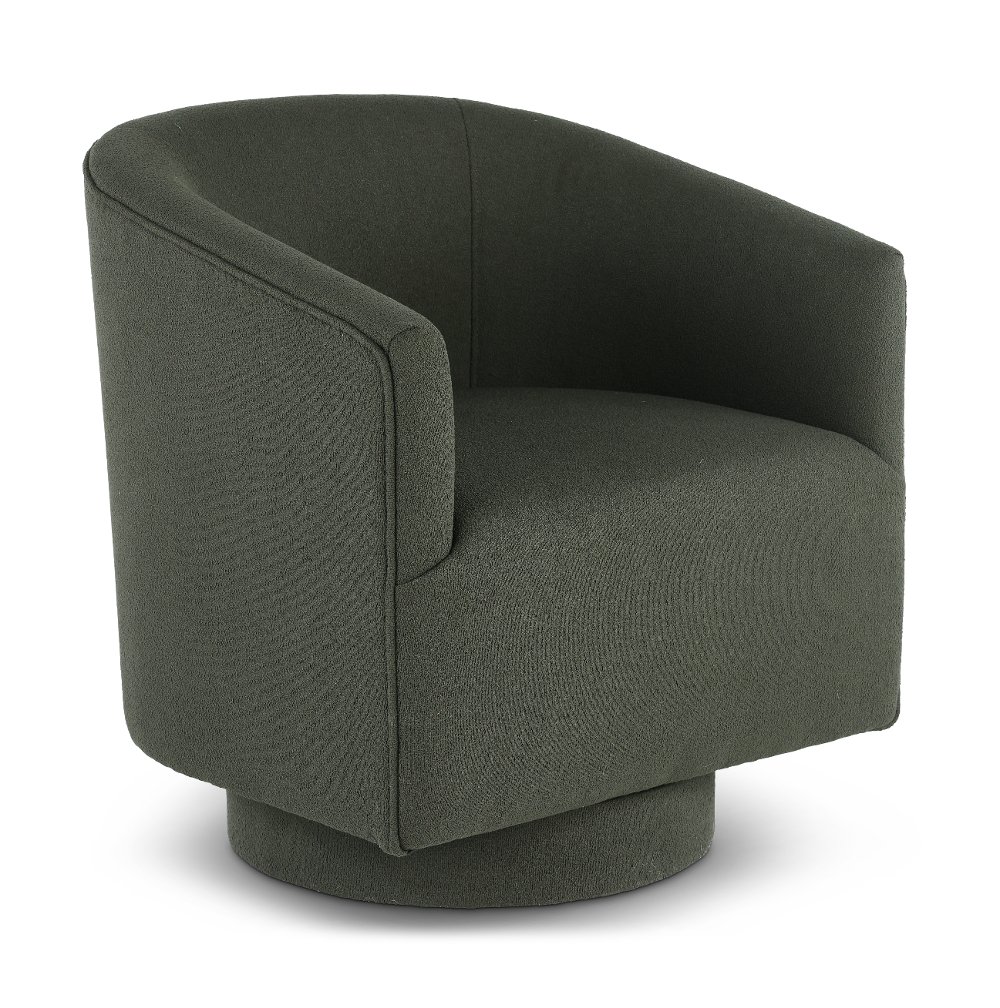
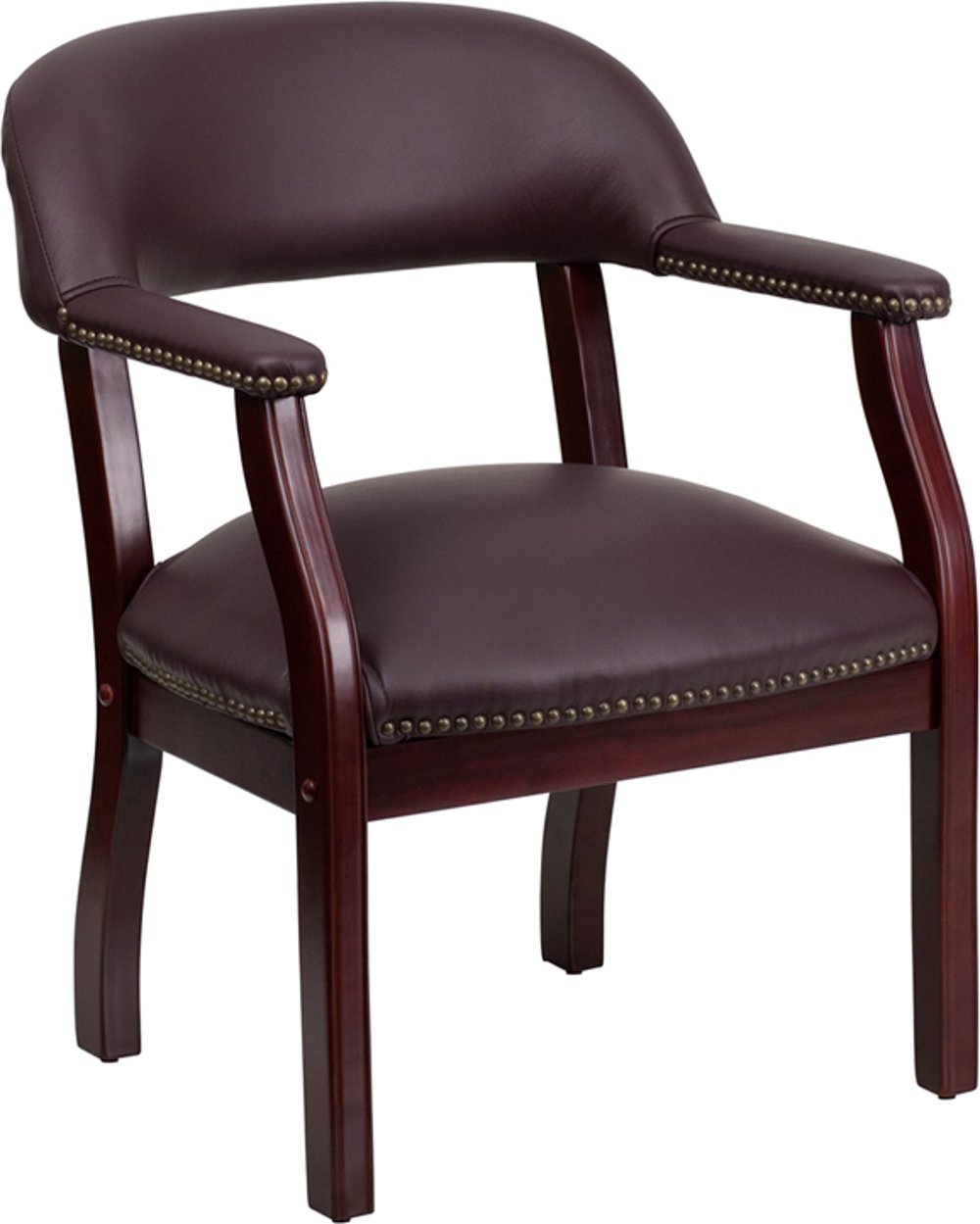
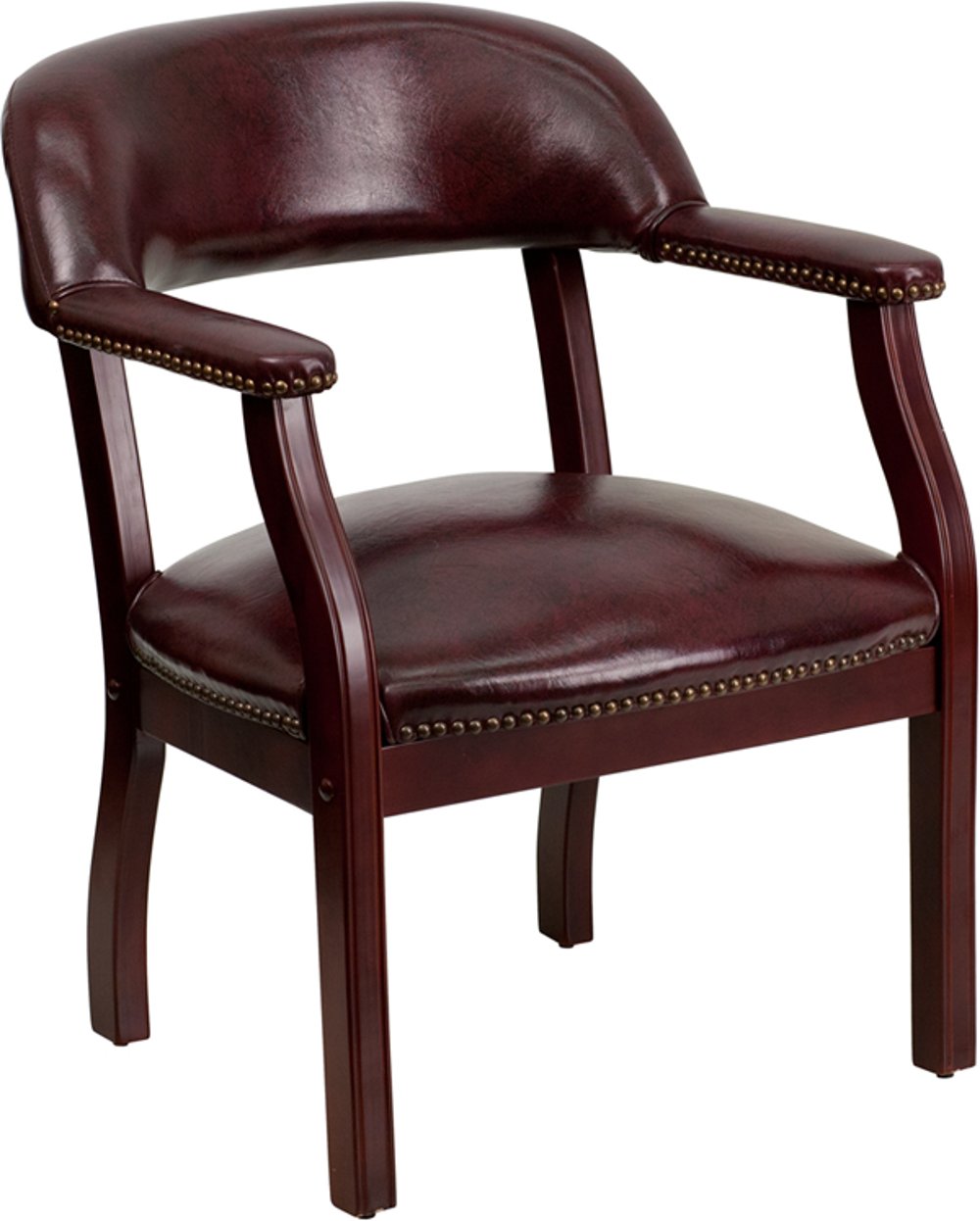
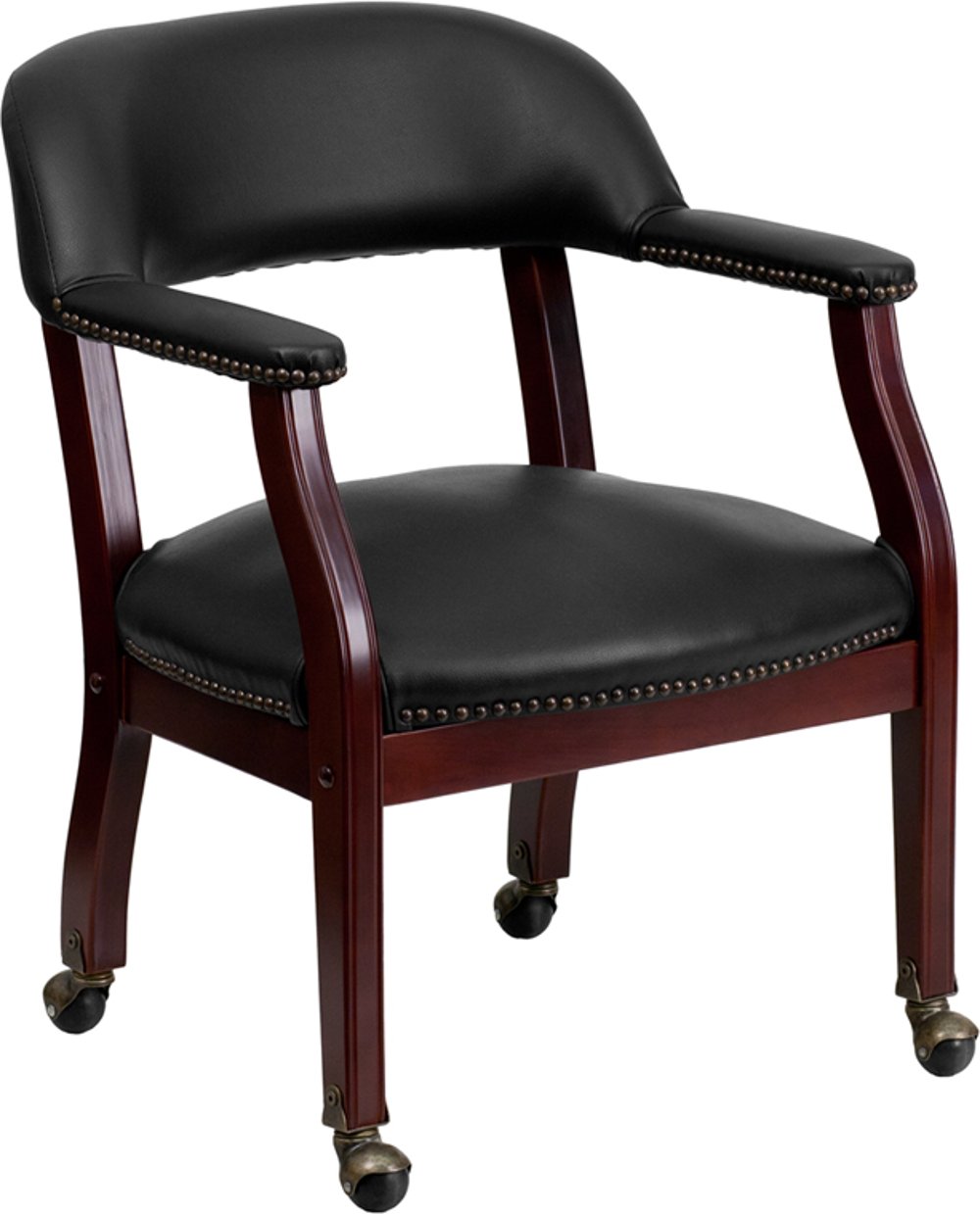
Barrel seating is defined by a rounded back that curves into the arms, creating a sheltered, wraparound seat. Most often associated with upholstered barrel chairs, this silhouette brings a softer outline to rooms filled with straight edges, from rectangular sofas to angular coffee tables. The curved shape can feel cozy without the visual weight of a tall recliner, making barrel accent chairs a natural fit for living rooms, bedrooms, and reading corners. A pair angled toward a sofa helps create a conversation area, while a single chair beside a window gives you a comfortable place to settle with a book. In a bedroom, a compact barrel chair can turn an unused corner into somewhere to sit while putting on shoes or winding down before bed. The category includes several distinct looks: tightly upholstered chairs with slim legs feel tailored and airy, while fuller shapes with upholstered bases have a grounded, lounge-ready presence. Swivel barrel chairs add movement, letting you turn toward a conversation or a view without dragging the chair across the floor. Some designs pair with an ottoman for stretching out, although the ottoman needs its own space in the room. Upholstery plays a big part in the overall effect. A smooth woven fabric keeps the curves understated, chenille adds a soft surface, and velvet gives the rounded back depth as light moves across its pile. Textured upholstery can make a simple silhouette feel more substantial, while leather brings a different mix of character and care requirements. Neutral shades blend easily with existing furniture, and a richer color can make a chair the room’s focal point without requiring a complete redesign. During the cooler months, a throw draped over an arm adds warmth and a little contrast. Because barrel seating often looks finished from every angle, it can also work away from a wall, provided the back’s upholstery and construction suit that placement.
The best fit depends on both the room and the person using the chair. Overall width and depth tell you how much floor space a barrel chair occupies; seat width, seat depth, and seat height tell you more about how it may feel. Those measurements aren’t interchangeable. A chair with thick curved arms can take up a generous footprint while offering a relatively narrow sitting area, and a visually compact chair may still have a deep seat. For upright reading or conversation, look for proportions that let your feet rest comfortably on the floor with your back supported. A deeper seat may suit someone who likes to curl up, but a shorter person might need a cushion behind the lower back. Lower backs keep sightlines open, though they generally offer less upper-back and head support than taller seating. If standing up easily is a priority, consider a firmer cushion, a suitable seat height, and arms positioned where you can comfortably use them for support. Painter’s tape on the floor helps show whether a chair leaves enough room to walk past, open a nearby cabinet, and reach a side table. A swivel base needs clearance through its turning range, particularly near walls, curtains, and other furniture. Check doorway widths and delivery paths, too, since a rounded chair’s widest point may be across its back rather than its base. Beyond fit, durability comes from the combination of frame construction, joints, seat support, cushioning, and upholstery—not from fabric appearance alone. A well-built wood or metal frame and properly secured joints help a chair handle repeated use. Cushion feel varies with foam, fiber, springs, and other filling or support materials, so a plush first impression doesn’t necessarily indicate lasting support. In a busy family room, securely attached upholstery, sturdy legs, and care requirements that match everyday life matter more than a delicate decorative detail. Check the stated weight capacity and intended use, especially for a chair that several people will use regularly.
Material choice and routine care help barrel seating stay comfortable and attractive through everyday use. For a chair near a favorite reading lamp, the softness of the fabric may be a deciding factor; for one beside the family’s main gathering spot, easy cleanup may carry more weight. Performance upholstery can offer useful stain resistance or cleaning advantages, but the term doesn’t mean every fabric handles spills, abrasion, or cleaning products the same way. Follow the upholstery’s care label, blot spills promptly rather than rubbing them, and test any approved cleaner in an inconspicuous spot. Regular vacuuming with an appropriate attachment helps remove crumbs and grit from seams and the narrow spaces where the seat meets the curved back. Loose cushions may benefit from rotation when their design allows it, while attached cushions should stay in place. Velvet and chenille can show changes in nap or shading where people sit, and loosely textured fabrics may catch on pet claws. Leather care depends on its finish; use products recommended for that leather and keep seating away from excessive heat and prolonged direct sunlight. Floor protectors appropriate for your flooring can help under stationary legs, and swivel mechanisms should be maintained according to the manufacturer’s directions. The term barrel seating can also describe chairs and stools made from reclaimed wine or whiskey barrels. These differ from upholstered barrel chairs: their shape and character come from curved wood staves, visible grain, and sometimes retained metal hoops. Reclaimed wood brings natural variation, but a rustic appearance alone doesn’t establish outdoor suitability. Use any seating outdoors only when its materials, finish, hardware, and manufacturer’s guidance support that setting; a covered porch still exposes furniture to moisture and temperature changes. For a kitchen island or home bar, round seat bar stools offer another way to repeat circular shapes, though stool height must match the counter or bar rather than nearby lounge seating. Whether furnishing a shared conversation area or a quiet corner, prioritize comfortable proportions, dependable construction, and care that fits your routine. Those practical details make a rounded chair more than an accent: they make it a seat you’ll enjoy using.
Read More