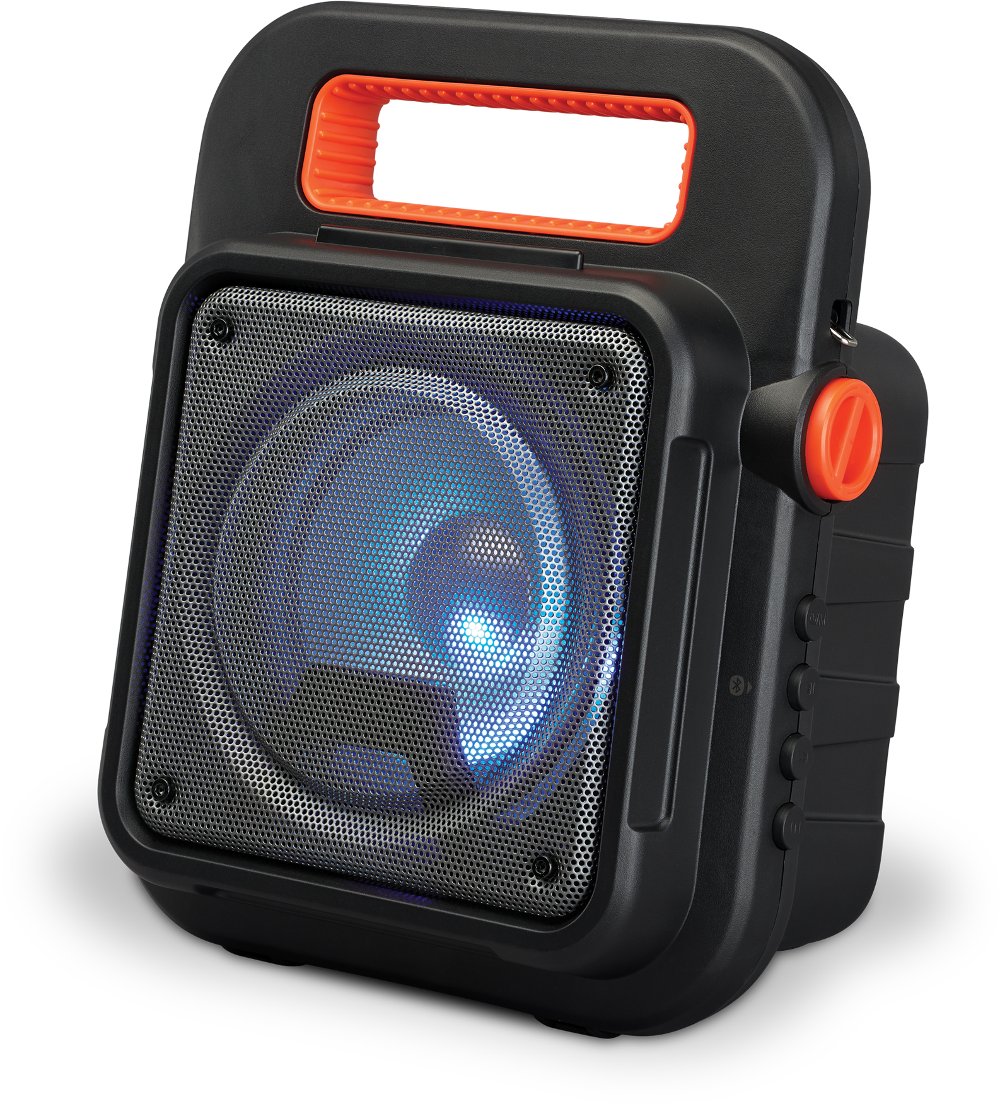
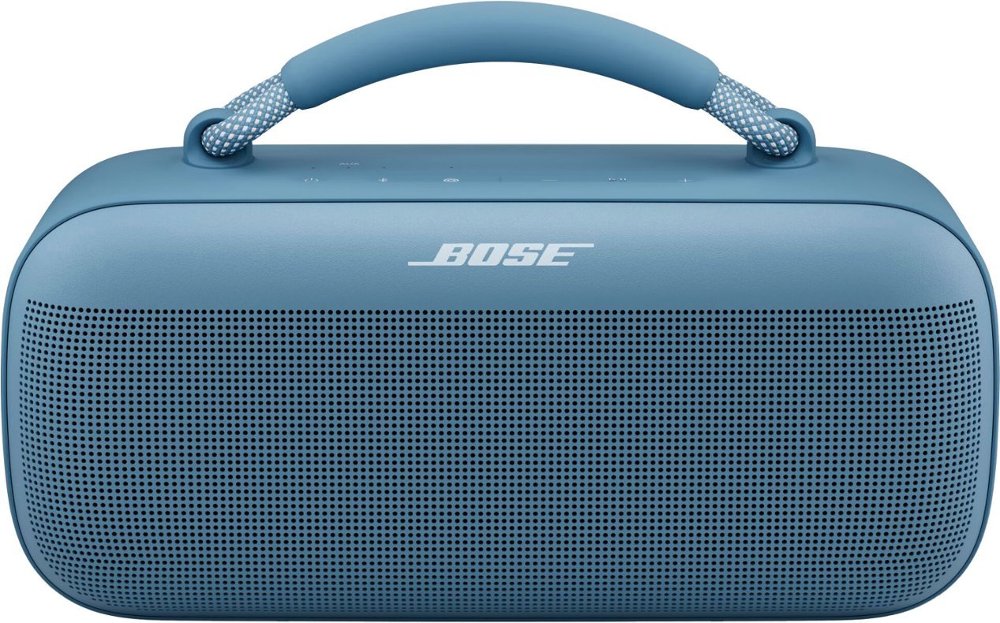
Bathroom speakers bring music, podcasts, and audiobooks into the space where your day gets started and winds down. The right fit combines clear sound, convenient controls, and water protection suited to its placement, whether that’s a shelf across from the sink or a manufacturer-approved spot near the shower. Portable Bluetooth speakers connect wirelessly to a compatible phone or tablet, making them a practical choice for listening without a permanent installation. Compact shower speakers may include a hanging loop, integrated clip, or suction mount, while speakers with Wi-Fi connectivity can support streaming and, on compatible models, voice control or multiroom listening. Permanent in-ceiling speakers offer a more discreet setup, keeping counters clear and distributing sound from overhead. Water resistance matters across these categories, but the word “waterproof” alone doesn’t tell the whole story. An IP rating describes tested protection against solids and water: IP67 indicates a dust-tight enclosure and protection against temporary immersion under specified test conditions, while IPX7 indicates that immersion protection without a stated solids rating. IPX4 indicates splash resistance, which is different from protection against immersion. No single rating is required for every bathroom placement, and an immersion rating doesn’t automatically establish suitability for shower jets, steam, soap exposure, or floating. Manufacturer instructions should confirm where a speaker can safely go and what conditions it can handle. A water-resistant speaker positioned on a dry shelf has different demands than one intended for use inside a shower enclosure. Likewise, a ceiling speaker needs approval for its installation environment rather than a rating chosen on numbers alone. For everyday listening, those distinctions help match the speaker to the routine: spoken-word audio while shaving, an upbeat playlist while getting ready, or quiet music during a bath. A bathroom speaker should make those moments easier without crowding the room or requiring you to handle your phone with wet hands. Reliable pairing and accessible playback controls often matter more in daily use than a long list of extra features.
Sound quality in a bathroom depends as much on the room and placement as on the speaker itself. Tile, glass, mirrors, and other hard surfaces reflect sound, so a speaker that delivers strong bass elsewhere may sound boomy beside a vanity or in a corner. Clear vocals and balanced output can be especially useful when a running shower competes with dialogue or song lyrics. A compact speaker is often enough for a small bathroom, while a larger space may benefit from broader sound coverage rather than simply more volume. An adjustable equalizer, when included, can help soften heavy bass or bring voices forward. Shape and dimensions deserve attention, too. A narrow ledge may accommodate a small footprint, but the speaker still needs a stable resting place away from edges and likely splash paths. A nonslip base can help it stay put on a suitable surface; it doesn’t make an unstable shelf safe. Hanging designs free up counter space, provided the attachment point can support the speaker securely without interfering with shower doors or fixtures. Suction mounts work best on the smooth, clean surfaces specified by the manufacturer and need regular checks because their grip can weaken. For portable designs, a durable plastic enclosure, rubberized edges, and a protected grille can be useful features, though materials alone don’t establish water resistance. Fabric-covered and metal-grille designs should receive the same close look at their ratings and care instructions. Raised buttons with distinct shapes are easier to operate by touch, and a clearly marked pause control is handy when someone knocks at the door. Bluetooth is convenient for direct device pairing, although walls and distance can affect the connection. Wi-Fi features depend on network coverage and supported services. Voice control can add convenience, but running water may make commands harder to recognize. For listening that continues beyond the bathroom, Bedroom Speakers offer a related category to consider; synchronized playback between rooms requires compatible equipment rather than just two wireless speakers.
Day-to-day care and power needs help determine how comfortably a bathroom speaker fits your home. Battery life varies with volume, wireless features, and other settings, so advertised playback time is best treated as a reference rather than a guarantee for every routine. Someone who listens to a short news recap each morning may prioritize simple charging and automatic shutoff, while a shared household may value longer playback and easy switching between paired devices. A battery indicator reduces guesswork, and a charging connection that matches your existing accessories can make upkeep simpler, provided those accessories meet the speaker’s requirements. Charge portable speakers in a dry location away from the sink, tub, and shower, and let the charging port dry fully as directed before connecting a cable. Water resistance should never be taken as permission to charge a speaker near water. If a design uses a protective port cover, close it properly before the speaker returns to its approved listening spot. Wipe away residue with a soft cloth according to the care instructions, and avoid abrasive cleaners or rinsing unless the manufacturer specifically allows it. Soap, shampoo, and cleaning sprays aren’t equivalent to the fresh water used in many resistance tests. Inspect covers, seams, and mounts periodically, since wear or damage can compromise protection and stability. Permanent bathroom audio calls for a different kind of planning: ceiling clearance, moisture suitability, wiring, amplification, and access for service all matter. Some systems include amplification and wireless connectivity, while passive speakers require separate equipment. A qualified installer can confirm appropriate placement and electrical requirements for the room. As a gift, a portable bathroom speaker can suit a podcast listener, a music-loving partner, or someone setting up a new home, especially when the controls are straightforward and the connection works with their device. Renters may appreciate a design that doesn’t require drilling, while homeowners planning a remodel may prefer built-in sound. The most useful choice is the one that fits the available space, supports the way its listener enjoys audio, and stays easy to use and care for through everyday routines.
Read More