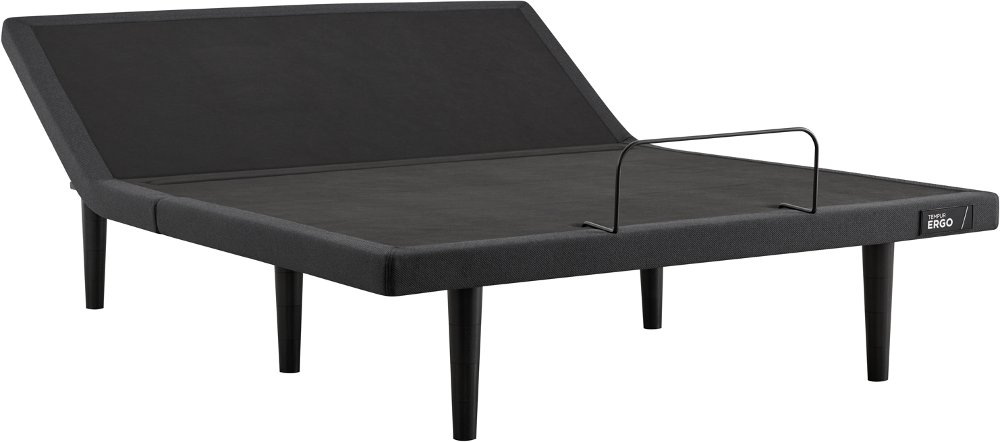
A Labor Day bedroom refresh starts with a bed frame that fits your mattress, your space, and the way you live. Bed frames provide the foundation beneath your mattress, helping support it while giving your bedroom a finished look. The right choice might be a simple metal frame that leaves room for storage bins, a wood platform bed with a clean profile, or an upholstered frame with a padded headboard for evenings spent reading. These styles serve different needs, so the details beneath the mattress matter as much as the design you see. A platform bed typically supports a mattress with slats or a solid surface and may not require a box spring, while a traditional frame often works with a separate foundation. Always match the frame’s support system to your mattress manufacturer’s requirements, including any guidance on slat spacing and center support. Standard mattress dimensions offer a useful starting point: twin mattresses are generally 38 by 75 inches, full mattresses 54 by 75 inches, queen mattresses 60 by 80 inches, and king mattresses 76 by 80 inches. Those measurements describe the mattress, not the frame’s overall footprint. A broad upholstered headboard, substantial side rails, or a projecting footboard can add several inches, making the frame’s exterior dimensions important in a smaller bedroom. Picture the room with the bed in place: a dresser drawer pulled open, a closet door swinging freely, and enough space beside the mattress to walk comfortably. Bed height deserves the same attention. The combined height of the frame, any required foundation, and the mattress affects how easily you can sit down, stand up, or tuck in the bedding. A lower platform can create an uncluttered look, while a taller frame may offer useful clearance underneath. For a shared bedroom, a guest room, or a first apartment, the best fit balances sleeping space with room for everyday movement rather than filling every available inch.
Materials shape both the character of a bed frame and the care it needs over time. Wood brings visible grain and warmth to a bedroom, with finishes that can feel relaxed, traditional, or contemporary. Solid wood and engineered wood each have construction details worth considering; joinery, surface finish, support design, and proper assembly all contribute to how a frame performs. A substantial-looking headboard alone doesn’t tell you how well the mattress will be supported. Metal frames can offer a streamlined appearance, from slender rails to more substantial designs, and their open profiles can work well in rooms where a visually lighter bed feels more comfortable. Upholstered frames soften the bed’s outline and create a comfortable surface behind pillows, especially when the headboard has padding. Fabric texture makes a difference in daily use: a tightly woven textile has a different feel and cleaning routine than a plush pile or a leather-covered surface. In a household with pets, an upholstered headboard may need regular vacuuming to remove hair, while exposed wood or metal surfaces are usually easier to dust. Follow the manufacturer’s care instructions for every finish. A soft cloth is a good starting point for routine dusting, and fabric upholstery generally benefits from gentle vacuuming with an appropriate attachment. Blot spills promptly rather than rubbing them into the material, and use cleaning products approved for the surface. Durability also depends on the frame’s underlying structure. Look at how the side rails connect, whether the design includes center supports, and how weight is distributed across the slats or foundation. Check the stated weight capacity and what it includes instead of assuming that a larger frame automatically supports more weight. Secure connections and correctly installed support legs help reduce unwanted movement, although no frame should be assumed to stay silent regardless of assembly or use. Keeping hardware tightened according to the manufacturer’s instructions, checking supports after a move, and lifting rather than dragging the frame can help protect its connections, finish, and the flooring beneath it.
The look of your bed frame can guide the rest of the bedroom without making every piece match exactly. A wood frame can sit comfortably beside painted nightstands, while a simple metal bed leaves room for patterned bedding, layered pillows, or a colorful rug. An upholstered headboard creates a softer backdrop, and its height changes how the bed relates to nearby lamps, artwork, and windows. If you enjoy reading in bed, consider where the headboard will meet your shoulders once the mattress and pillows are in place. A tall mattress can cover more of the headboard than expected, while a lower mattress may expose more upholstery or woodwork. Footboards bring their own trade-offs: they can give the bed a defined, traditional shape, but a low or open end may suit taller sleepers and narrow walkways better. Storage designs can be especially useful when the bedroom also holds work clothes, extra blankets, or guest linens. Drawer beds need enough clearance for drawers to open fully, and lift-up storage requires attention to the lifting mechanism, mattress compatibility, and safe operation. For under-bed bins, check the usable clearance beneath the rails rather than relying only on the frame’s total height. In a guest room, straightforward access and dependable support often matter more than an elaborate silhouette. For a growing child or a student setting up a bedroom, mattress size, rounded edges where available, and room for a desk can help shape the decision. A bed frame can also be a thoughtful housewarming gift when the recipient’s mattress dimensions, room measurements, and style preferences are already known. For a more coordinated bedroom refresh, Bedroom Bed Sets For Labor Day offers a related direction to explore alongside individual frames. Whether your Labor Day plans center on one bedroom or a new home, a frame chosen around daily routines provides a foundation for a space that feels personal, practical, and comfortable long after the holiday.
Read More